MAGAZINE
MAGAZINE
MAGAZINE
MAGAZINE
By cizucu ·
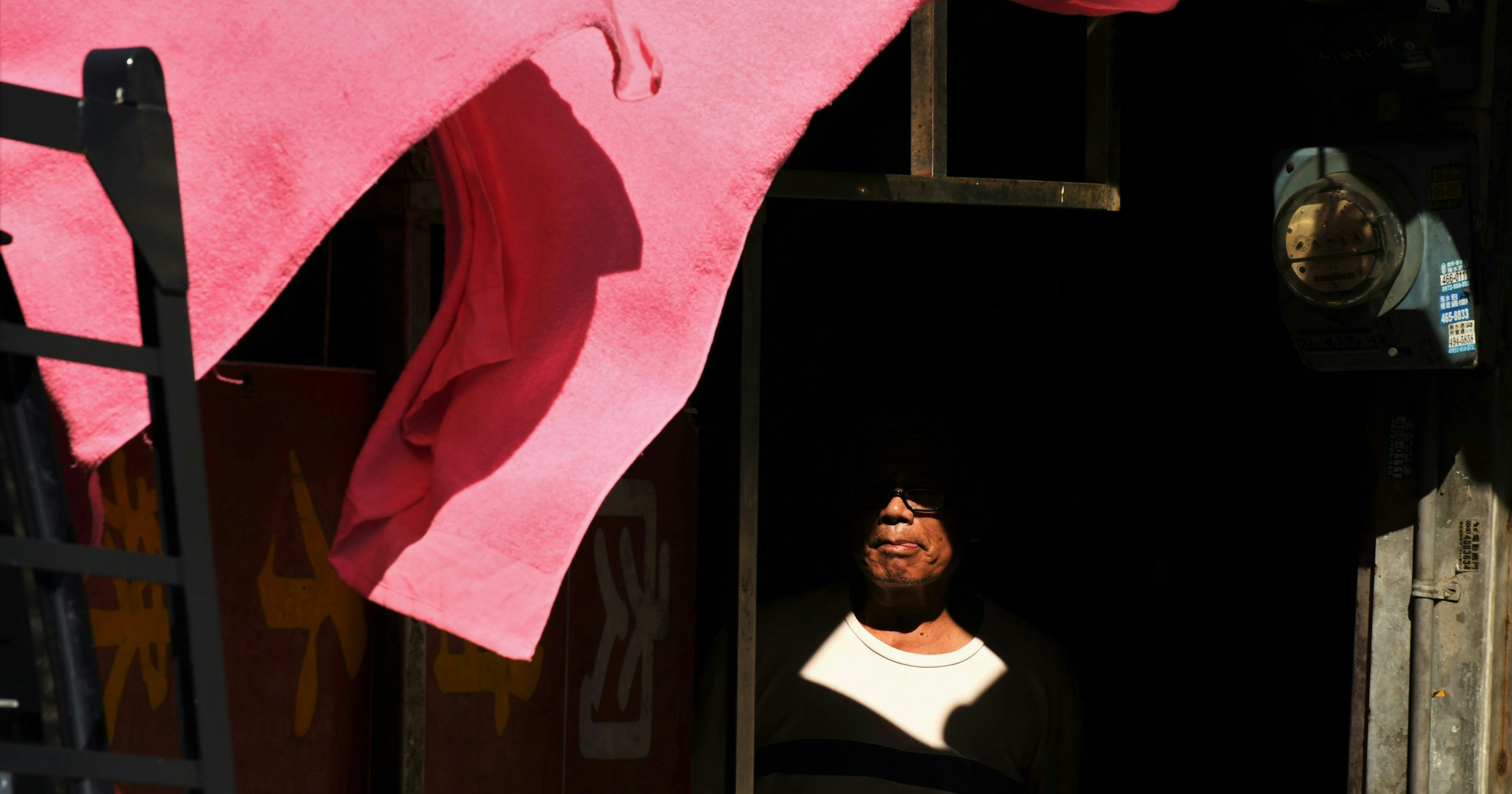
Cover photo by Julie wei
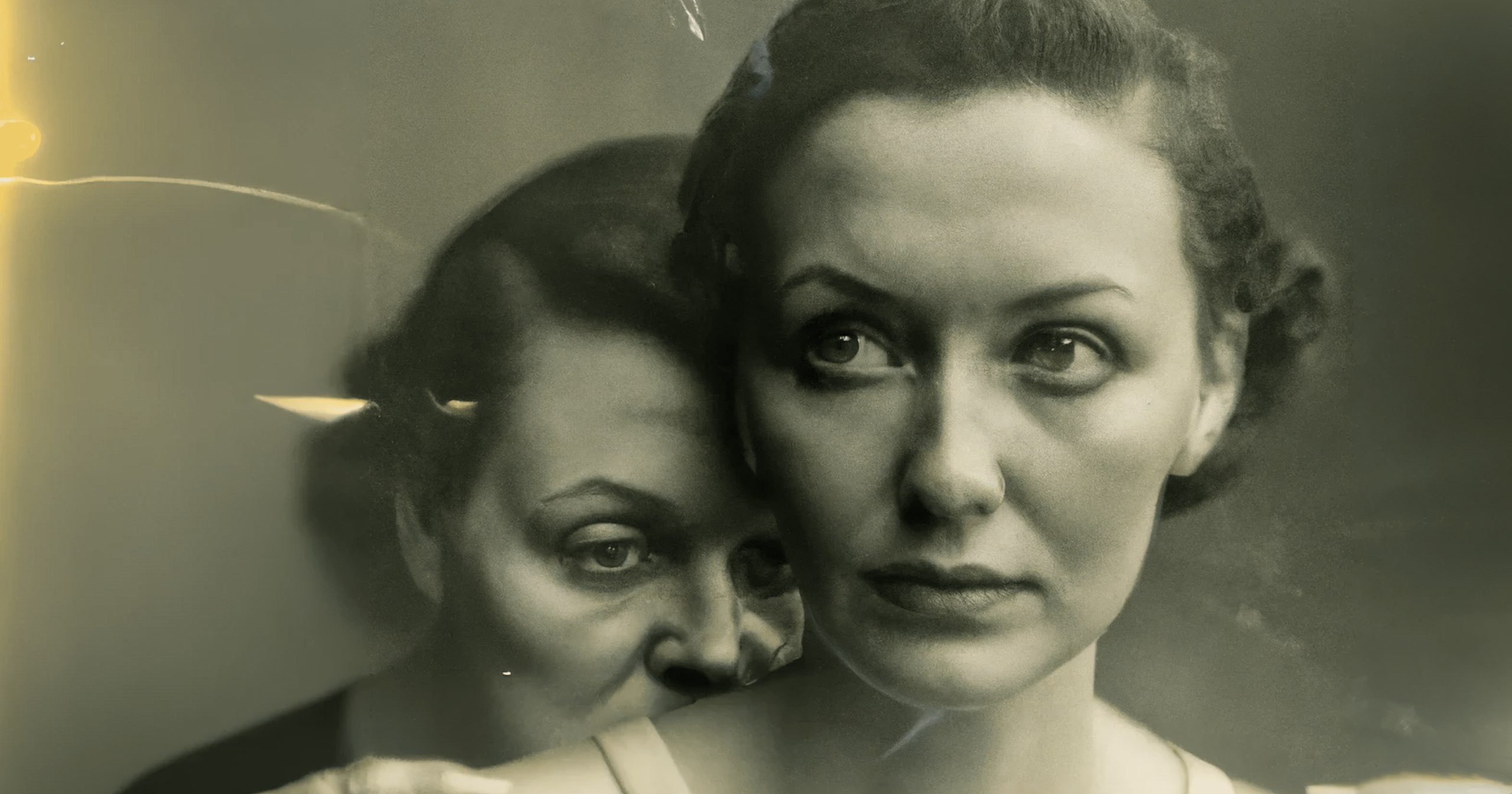
Do you remember the photograph introduced in cizucu magazine in 2023? That same year, it won an award at the Sony World Photography Awards, only for the artist to decline the prize. The work in question is Boris Eldagsen’s Pseudomnesia: The Electrician.
This image, created using generative AI, sparked significant debate at the time. Should it be called a photograph, or not? Should an AI-generated image be eligible for a photography award? These questions erupted both within and outside the photography community.
By 2026, with the advancements in image generation AI, Pseudomnesia: The Electrician may appear somewhat unnatural. Nevertheless, its significance lies in how it posed the initial question within the history of photography, marking a new context.
The question this image raised was not limited to “Are AI images real photographs?”
More importantly, it challenged us to consider how AI-generated images touch upon our sense of memory and history.
Photography scholar David Bate, in his essay “AI Photography and Composite Memory,” interprets images generated by AI not merely through the lens of authenticity or falsity, but as a question of ‘memory’.
The ‘memory’ discussed here is not limited to personal recollections.
Generative AI learns from vast datasets of images, encompassing countless photographs that have been taken, shared, and archived. When AI generates a new image, it does not create something from absolute nothingness. Rather, it reconstructs fragments of pre-existing images.
In other words, these images emerge from the accumulation of past imagery.
Bate focuses on this aspect, regarding the AI’s training dataset as a form of ‘collective memory’—memories shared within a society or culture. For example, war, family photographs, advertisements, photojournalism, and film stills—images we may not have directly experienced, but know through visual culture. Images generated by AI can be seen as emerging from this reservoir of collective memory.
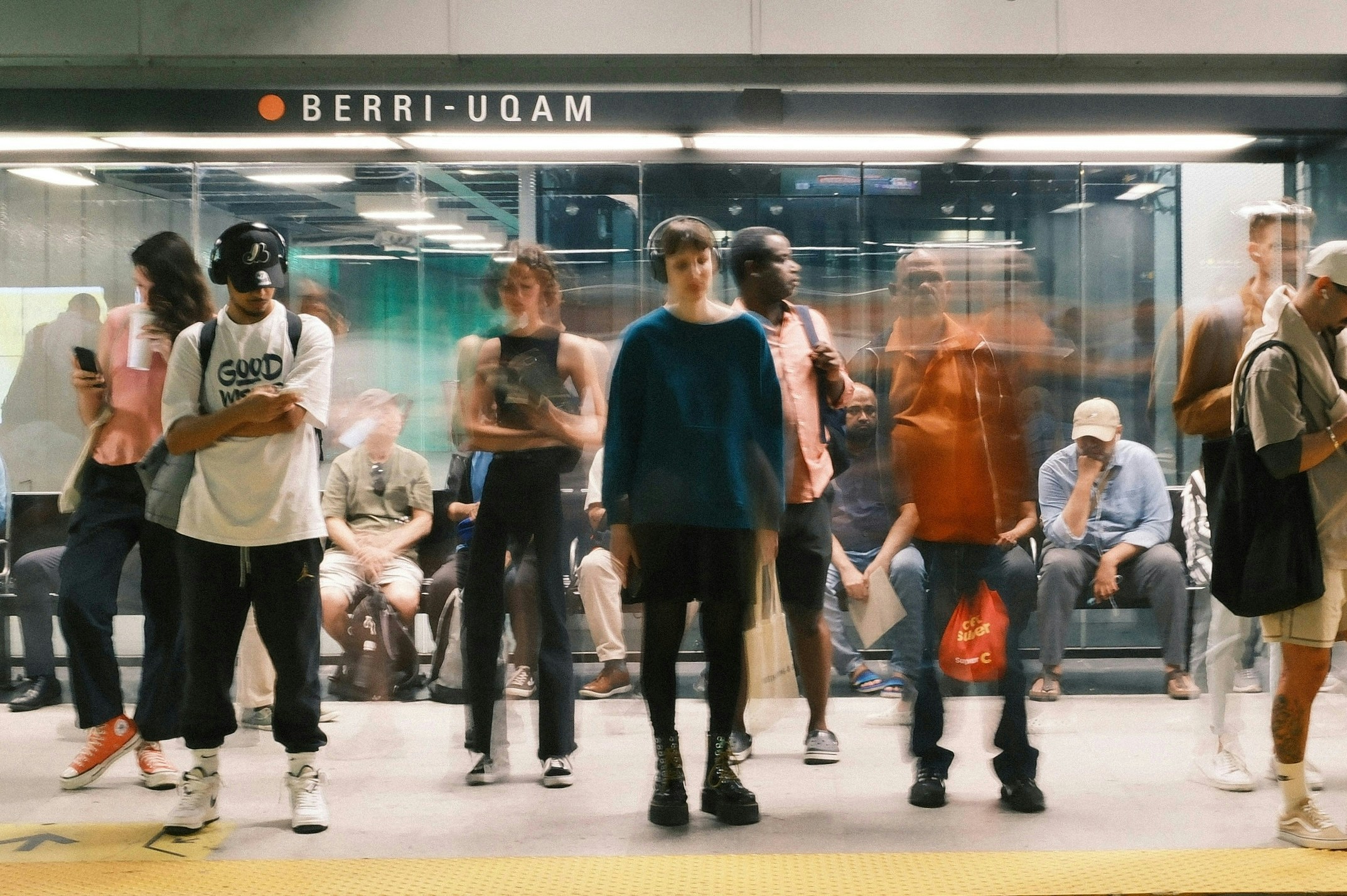
Photo by jc.ddd
Bate’s argument is not limited to AI alone. Rather, it becomes more nuanced when read in connection with existing photographic theory on memory and photography. As a guiding thread, we can look to Kaja Silverman’s The Miracle of Analogy: or The History of Photography.
What is crucial here is that Silverman does not treat photography merely as a device for preserving the past, but as something that evokes memory within the viewer. A photograph does not simply freeze a moment in time; when revisited, it can reawaken forgotten emotions or experiences that were never put into words. In this sense, Bate’s reading of AI images as ‘composite memory work’ is far from far-fetched.
In discussions about AI-generated images, it is often said that “photography used to record reality, but AI has disrupted that.”
Yet photography has always been both a record and a ‘medium of memory’.
When we look back at family photographs, we are not just confirming facts. Through photographs, we recall the atmosphere of a day, expressions, relationships, or even emotions that have become hazy over time. Roland Barthes’ concept of the ‘punctum’ articulates this very effect. Photography does not merely preserve the past; it evokes memories and sometimes reconstructs them in our minds.
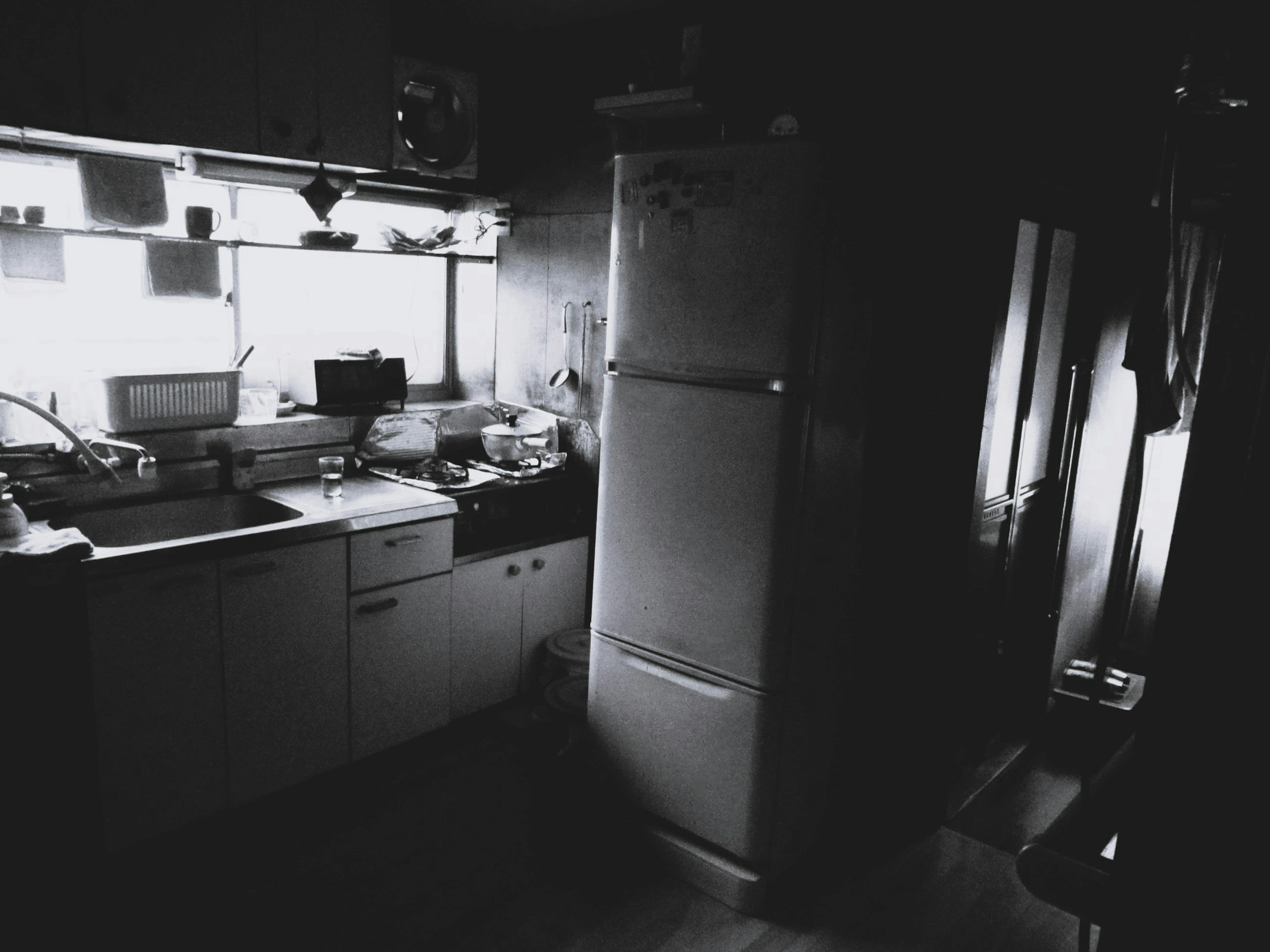
Photo by hatuhinode
In other words, it is not only with the advent of AI that the truthfulness of photography has come into question.
From the outset, photography has always existed in the ambiguous space between record and memory, characterized by a precarious uncertainty of truth and fiction. AI may simply be making this ambiguity more visible, presenting us with images that ask, “Is this what it might have been like?” AI has made the inherent ambiguity of photographic truth more apparent.
Boris Eldagsen’s Pseudomnesia: The Electrician raises the issue of memory from its very title. ‘Pseudomnesia’ literally means ‘false memory’—the sensation of remembering something that was never actually experienced.
Bate interprets this work as evoking untold histories and repressed memories.
There is a sense of déjà vu in the image of Pseudomnesia: The Electrician. It resembles an old family photograph, a prewar European documentary image, or a fragment of history left unspoken.
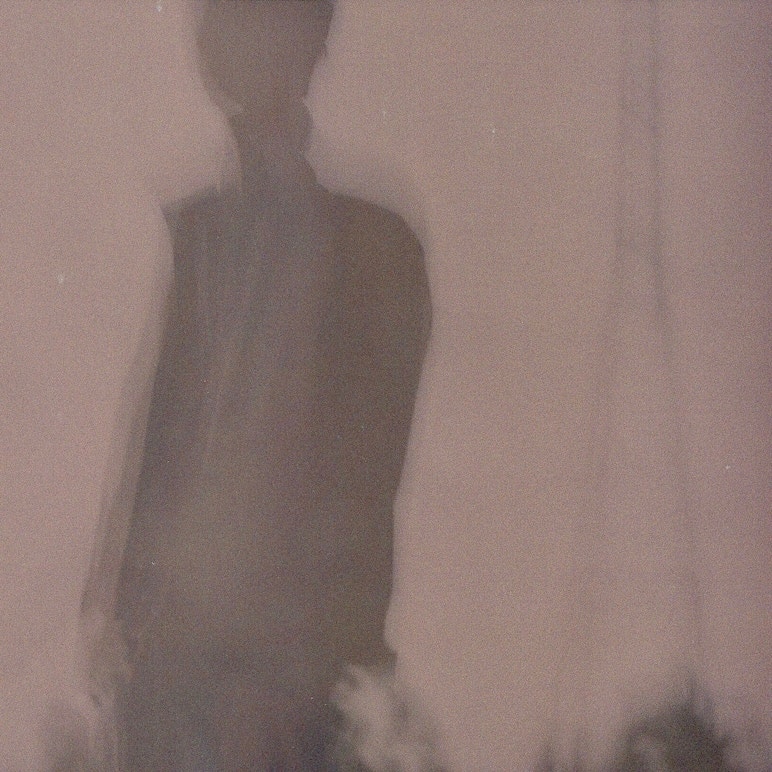
Photo by Yishih
Bate overlays this with Freud’s concept of ‘screen memories’—the idea that difficult-to-recall experiences or emotions are replaced by other memories or images.
AI-generated images do not simply reproduce the past.
However, by combining a vast array of remembered images, they can evoke histories and emotions that we have encountered somewhere before. In this sense, AI is not merely fabricating memories; it is outputting ‘what if’ images, constructed from fragments of collective memory stored within society, through the hand of the machine.