

Conversations with creators who are passionate about photography, exploring their cameras and the stories behind them. The notion of a “beloved camera” reflects each individual’s perspective and values. In this installment, we feature sho sato, who is devoted to the FUJIFILM X10.
Camera technology advances rapidly every year—autofocus performance, high ISO capabilities, and AI subject detection have made today’s cameras remarkably convenient. Yet, there are those who are drawn to the tactile sensations and relationships that develop precisely because a camera requires a bit more effort and engagement.
For sho sato, the FUJIFILM X10 is exactly such a camera. Turning the lens to power it on, taking a breath, and releasing the shutter—he finds meaning in the ritual of these actions, which embody the act of making photographs.
FUJIFILM X10: Key Information
The FUJIFILM X10 is a premium compact digital camera released by Fujifilm in 2011. It features a 2/3-inch EXR CMOS sensor and a bright Fujinon 4x optical zoom lens with an aperture of F2–2.8. More than just an operational detail, the act of turning the lens to power on the camera is a physical switch that marks the transition into the act of photographing—an experience that defines this camera.
Time Begins When the Lens Turns
When I take photographs, it always begins with turning the lens.
Instead of a power button, I awaken the camera by twisting the lens.
My body has memorized this motion instinctively.
When I first bought the FUJIFILM X10, I knew almost nothing about cameras.
I was drawn not by its specs, but by its classic appearance and the sense that I could truly enjoy the act of making photographs with it. That’s why I picked up this camera.

Photo by sho sato
Wherever I went, I always had the X10 hanging from my neck.
The light and shadow I discovered in quiet residential streets,
the breathtaking landscapes I encountered on my travels,
and the moments spent photographing close friends—
this camera was always there.
Turning the lens to power it on, pausing for a breath before releasing the shutter—
I have always cherished that sensation.
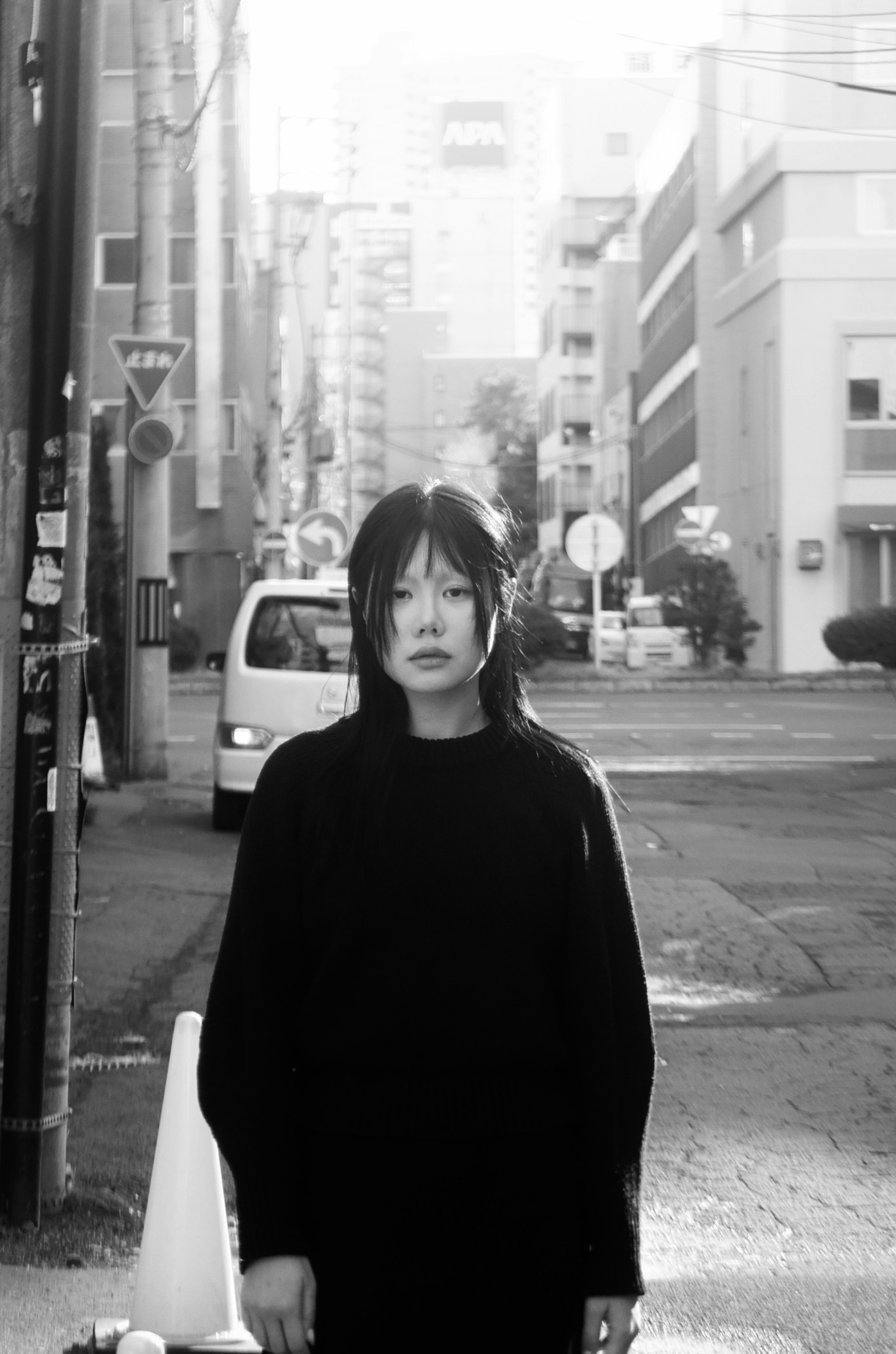
Photo by sho sato
Familiarity Within Inconvenience
Compared to contemporary cameras, the FUJIFILM X10 may not be considered convenient.
Its autofocus sometimes hesitates, and it often struggles in low light.
Yet, as I continued to use it, I gradually learned where this camera tends to falter and what kind of light it prefers.
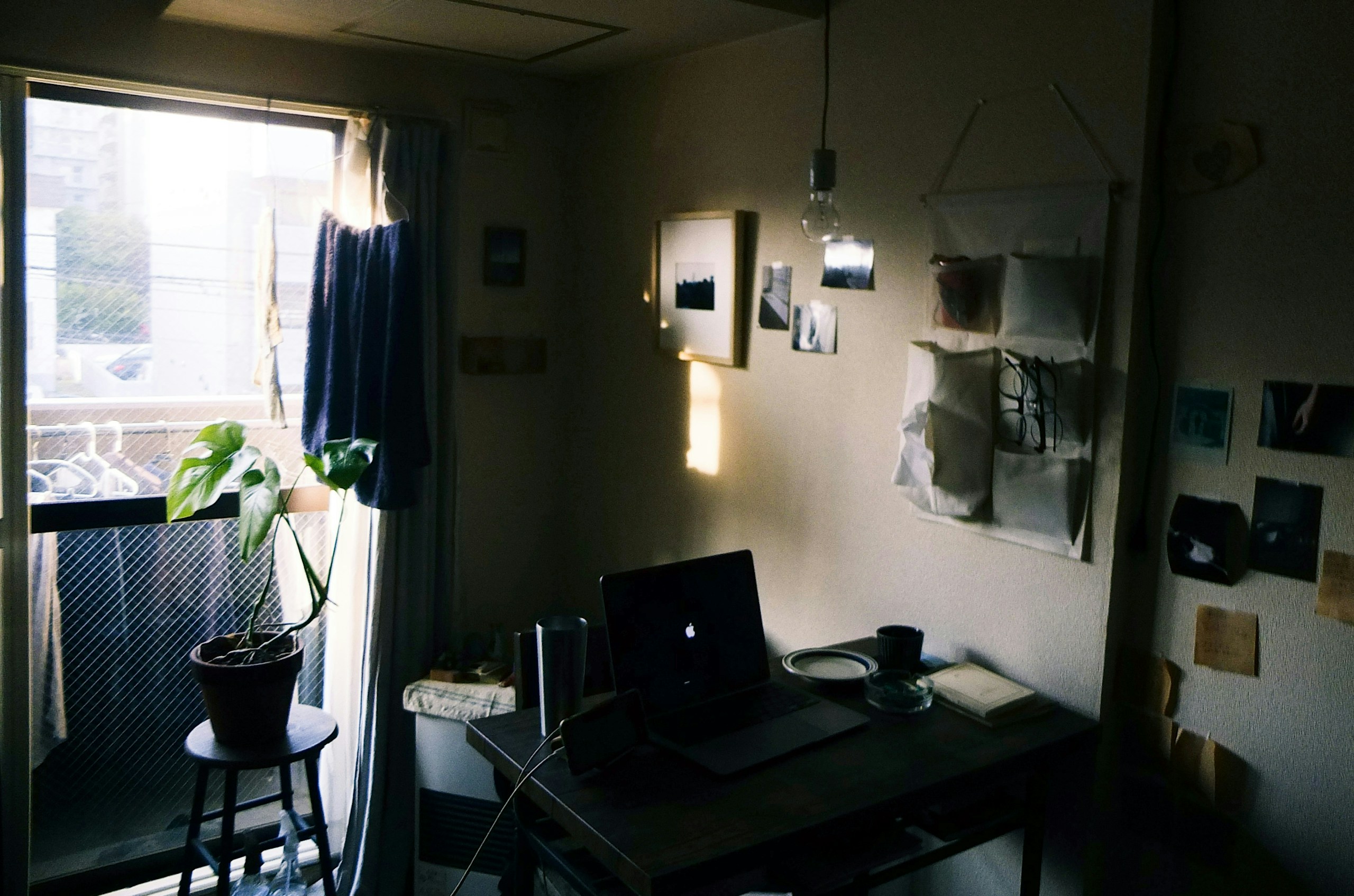
Photo by sho sato
It is precisely because it is not perfect that I have to meet it halfway. That feeling is less about using a tool and more akin to getting to know a companion.
Turning the lens, pausing for a breath, and then releasing the shutter—over time, this ritual has become less about taking photographs and more like an extension of my own body.

Photo by sho sato
Loving Even the Flaws
Modern cameras without flaws are truly convenient. They produce beautiful images in any situation, with few failures.
But a camera that you’ve grown close to, flaws and all, sometimes carries a warmth reminiscent of human relationships.

Photo by sho sato
“It struggles here, but it excels in certain light.”
“It’s a bit clumsy, but its rendering is irreplaceable.”
As I came to understand the quirks and rhythm unique to this camera, it became more than just equipment—it became something that resonates with my own sensibilities.
The FUJIFILM X10 is exactly that kind of camera for me.

Photo by sho sato
A sense of cherishing the very time spent making photographs—something that cannot be defined by convenience alone. In the small ritual of turning the lens and pausing for a breath, I feel I still find my reason to continue making images.

sho sato
Based in Hookkaido Sapporo
cizucu:sho sato