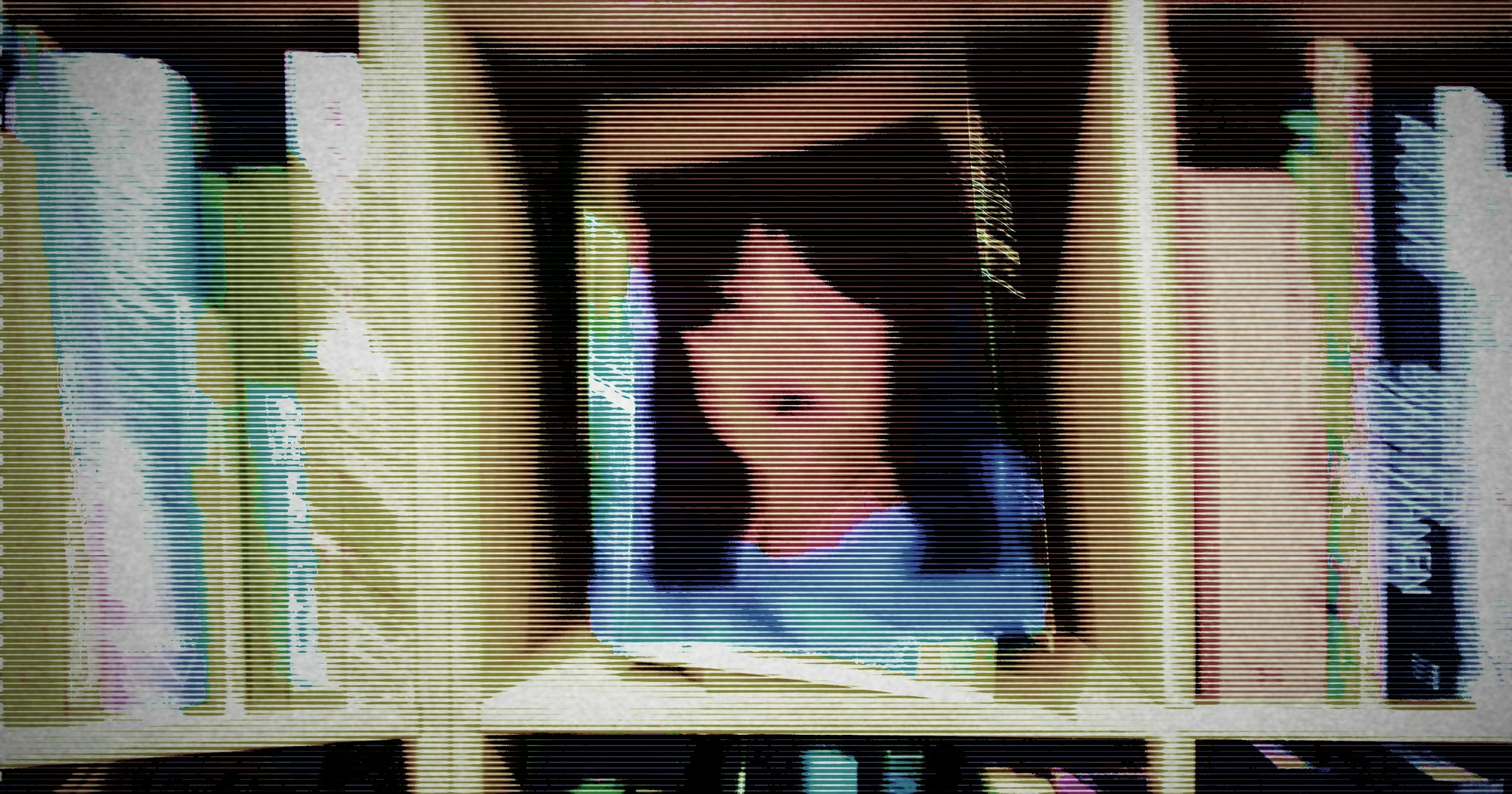
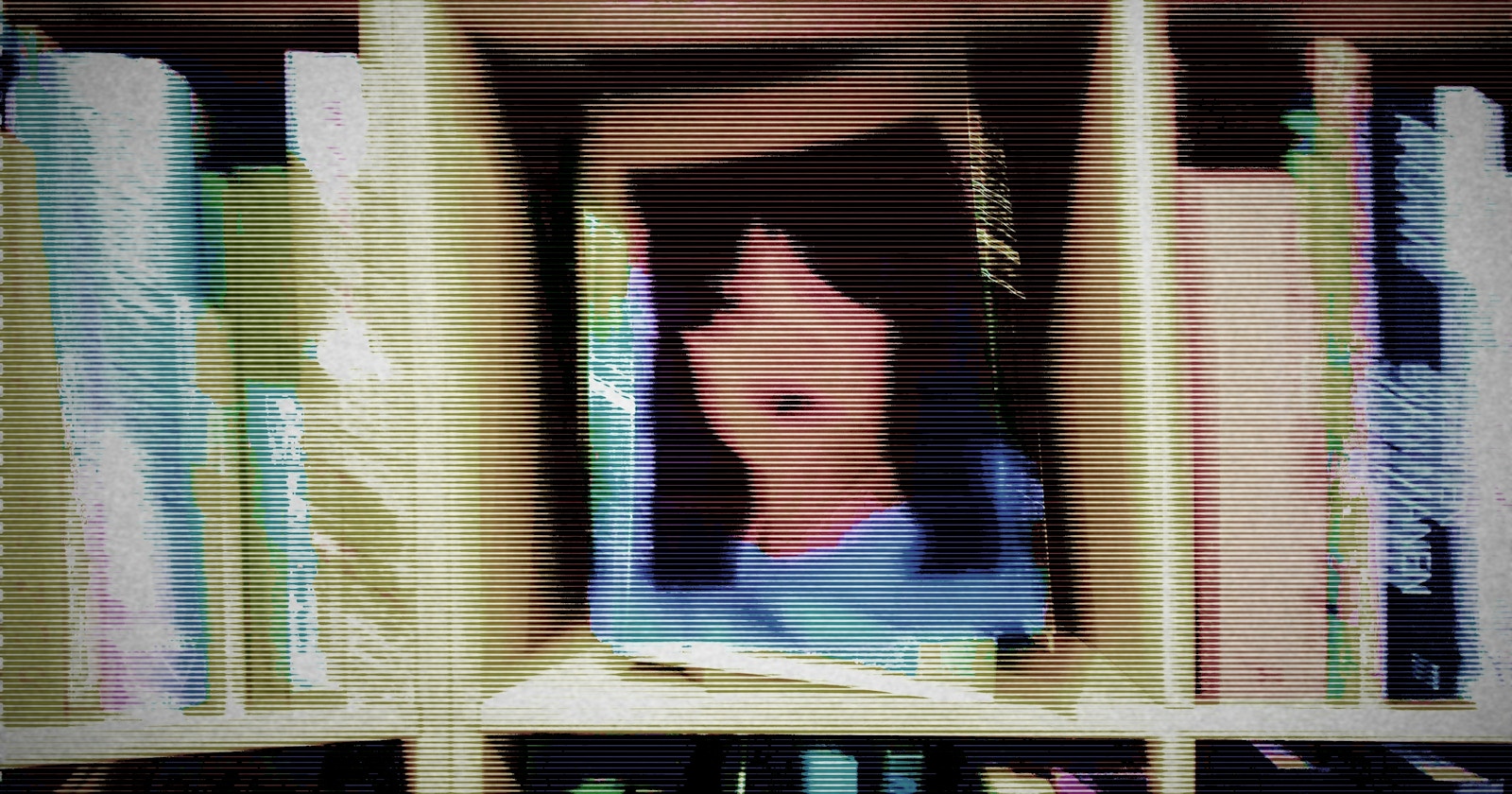
Photography possesses a power beyond simply preserving beauty.
The time spent with someone. Emotions that could not be put into words. The lingering presence of those we can no longer meet. And relationships that cannot be explained by the word 'family' alone. Looking at Nan Goldin’s photographs, we are reminded that empathy and solidarity born from intimacy can, at times, move society.
In 2023, Nan Goldin was ranked first as the most influential artist in the 'ArtReview Power 100.' Behind this recognition lies her social engagement through the activist group P.A.I.N (Prescription Addiction Intervention Now), which addresses the opioid crisis. P.A.I.N has challenged the relationships between Purdue Pharma, the Sackler family, and the museums and cultural institutions that have received their donations.
However, the reason Goldin has moved society is not simply because she raised her voice. She has consistently photographed those who are often overlooked within society. What appears in her work are not extraordinary individuals, but people striving to live together with others.
Relationships in Photographs: Another Kind of Chosen Family
Goldin’s photographs exude an atmosphere of intimacy. The light in a room, bodies on a bed, gazes in the mirror, hands embracing, faces after tears. What is depicted is not a neatly arranged world, but moments as they are—encompassing pain, anxiety, and vulnerability.
Nan Goldin, Mark Morrisroe, Philip-Lorca diCorcia, and David Armstrong are collectively known as the 'Boston School.'
The Boston School refers to a group of photographers who graduated from art colleges and schools in Boston and began to gain prominence from the mid-1970s to the early 1980s.
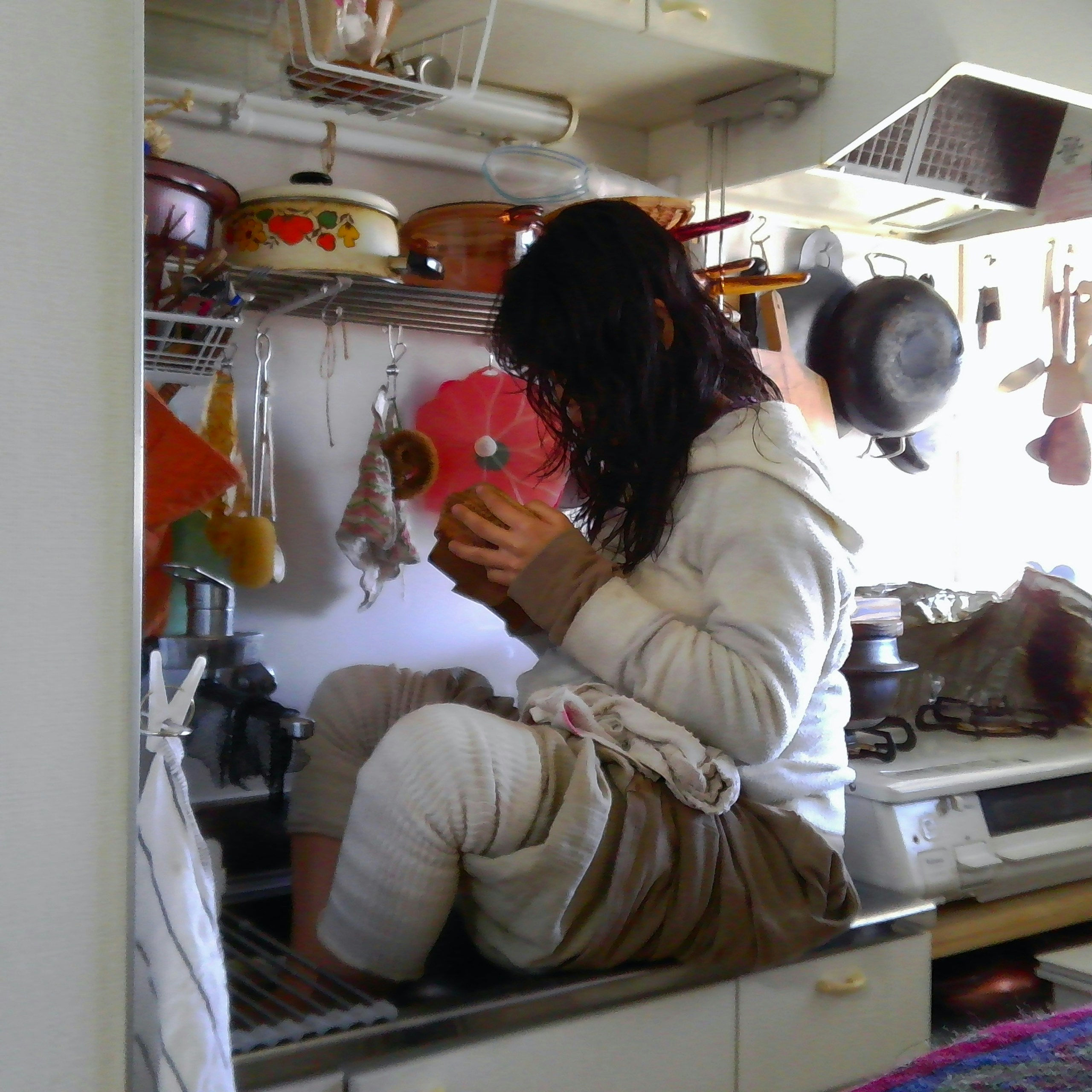
Photo by danceforallthepain
Their photographs are not taken from a distance of observation, but from a closeness that only those who have shared time together can possess. Those depicted are, before being subjects, friends, companions, and people with whom life is shared.
This is somewhat different from families defined by blood or marriage. Yet, it is undeniably family-like. There exists a relationship in which both photographing and being photographed are permitted.
How Intimate Photography Connects to Society
At first glance, Goldin’s photographs appear deeply personal. However, what is personal is not separate from society.
Who is it acceptable to be with? Who is it acceptable to love? Who can be called family? Whose pain is overlooked? All of these questions are inherently connected to society.
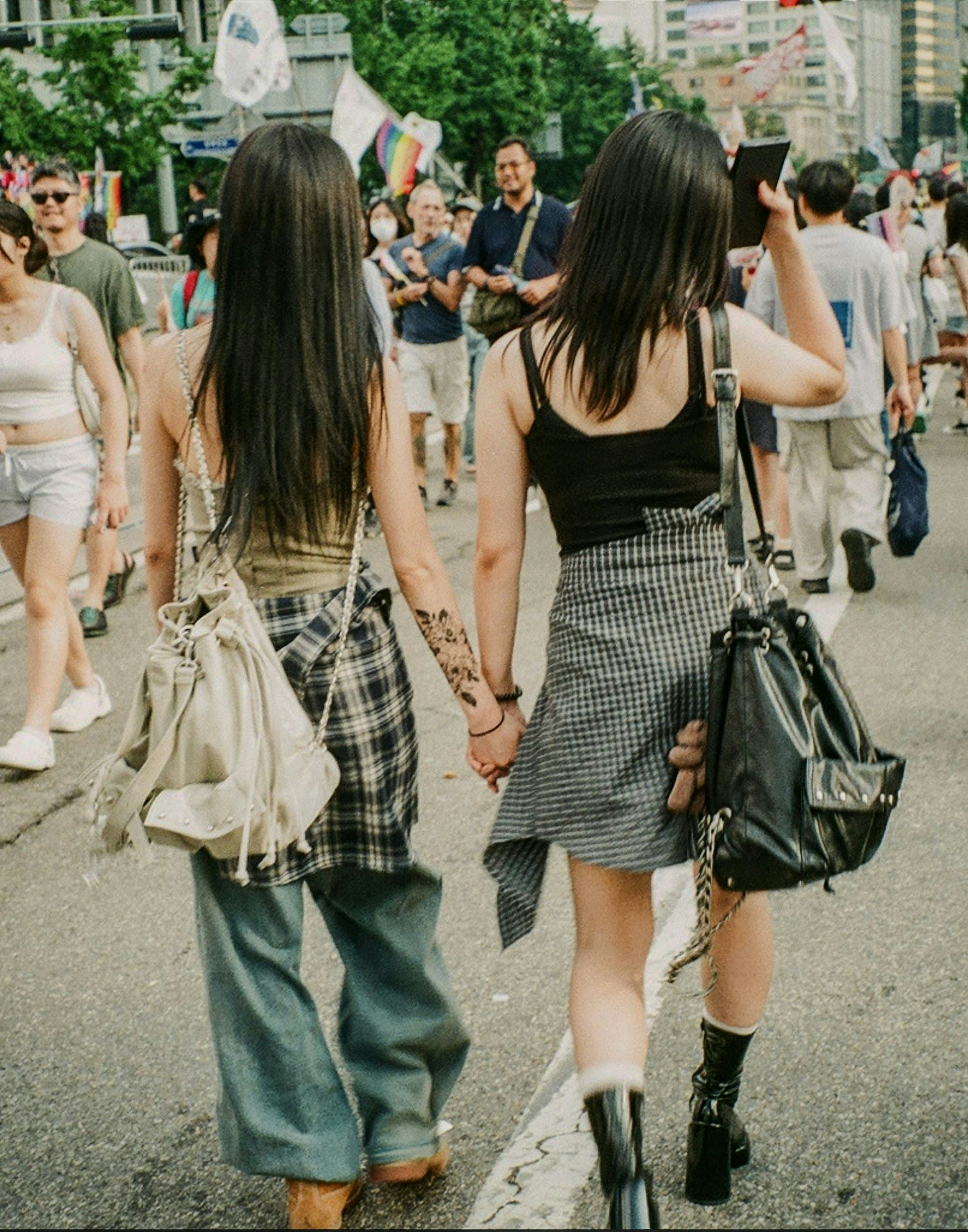
Photo by 해적왕
Many of the people Goldin has photographed have existed in places less visible from the center of society. She photographed them not as distant others, but as important people living through the same times.
For this reason, the intimacy in her work is not a closed world, but something that quietly reveals lives that society has not wanted to see.
P.A.I.N’s Activism Emerges from the Intimacy of Snapshots
What is captured in her photographs is not just 'someone’s figure,' but the very relationship of looking at and remembering that person. The activism of P.A.I.N also appears to be an extension of this.
When the opioid crisis is discussed in terms of statistics or news, it can seem like a distant social issue. Yet, each individual has a life, friends, family, and time spent with others.
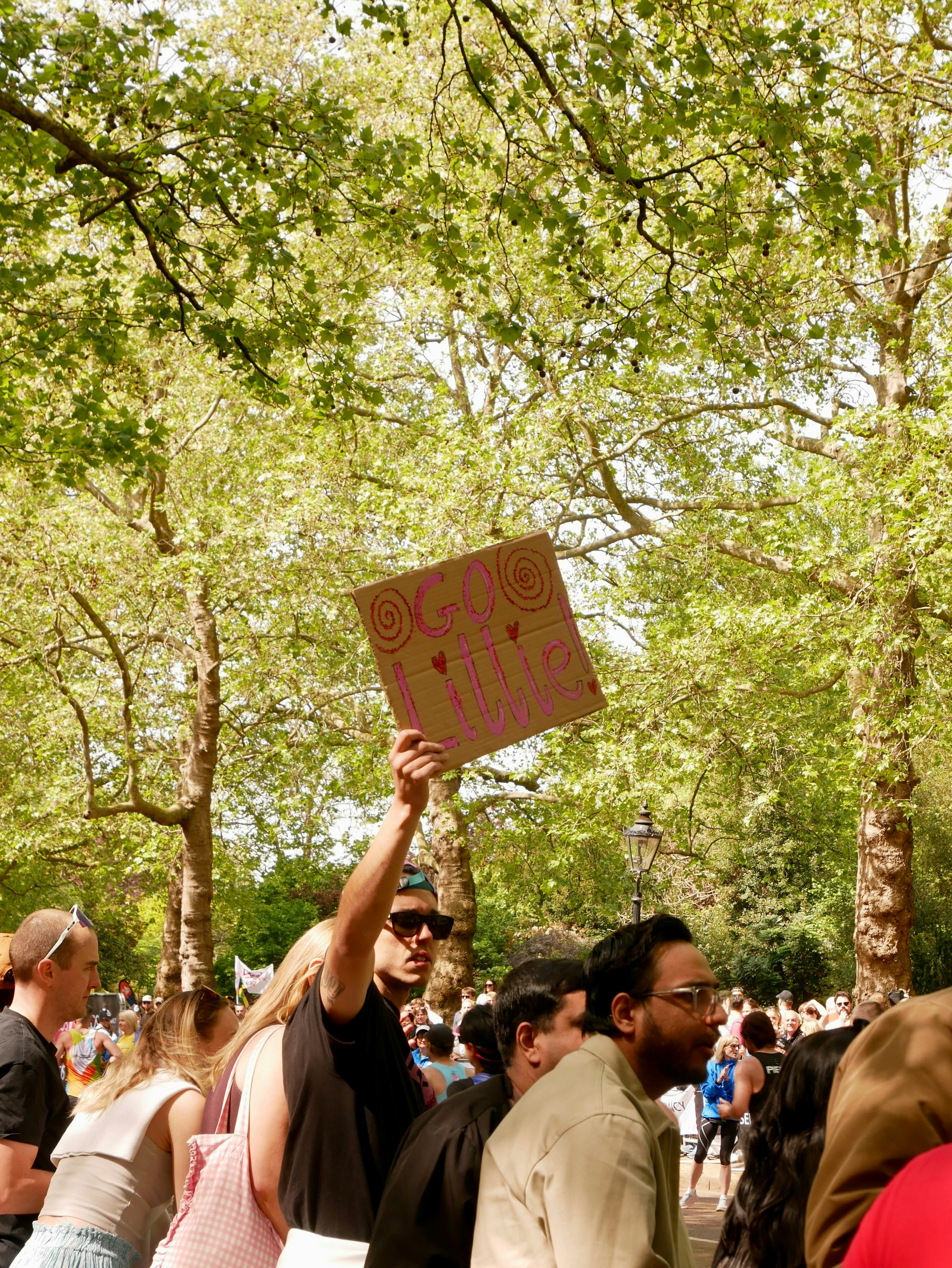
Photo by Léa Liu
If snapshots capture the person in front of us not as 'just another case in society,' but as 'someone with a name,' then the activism of P.A.I.N is likewise an act of presenting previously unseen pain to society as belonging to specific individuals.
Museums are places that preserve what is beautiful and valuable. But if the money supporting those spaces is rooted in addiction, loss, and countless deaths, can we simply look away? Goldin’s question echoes the inquiries she has always posed through her photography.
Intimate photography records someone’s existence, changes the way society sees, and at times, can move major institutions. Perhaps Nan Goldin’s recognition is a testament to that power.