MAGAZINE
MAGAZINE
MAGAZINE
MAGAZINE
By cizucu ·

Cover photo by RYUURI
Old website designs, devices we once used, slightly pixelated images, and familiar startup sounds—encountering digital aesthetics from the past can revive memories and emotions from that time.
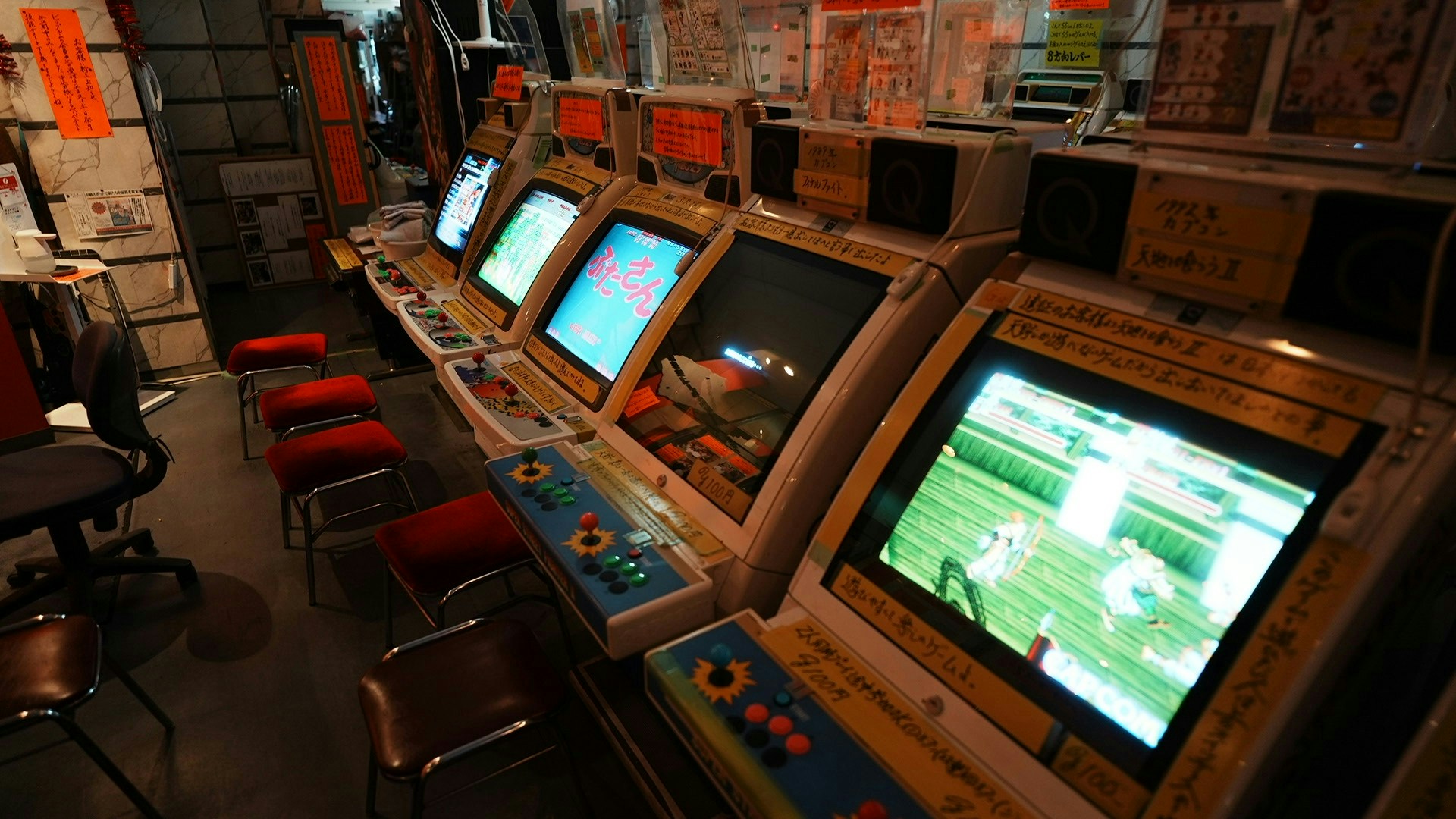
Photo by Yatto
This sense of nostalgia for digital artifacts is sometimes called “digital nostalgia.”
It is more than a simple longing for obsolete technology. It encompasses memories of where we were when we looked at a particular screen, who was with us, and what everyday life felt like at the time. Almost without our noticing, digital landscapes have become backdrops to our memories.
We do not consciously remember every screen we encounter in our daily lives. Yet the shapes and colors of typefaces, the arrangement of buttons, and interface sounds gradually accumulate as unconscious memories through repeated exposure.
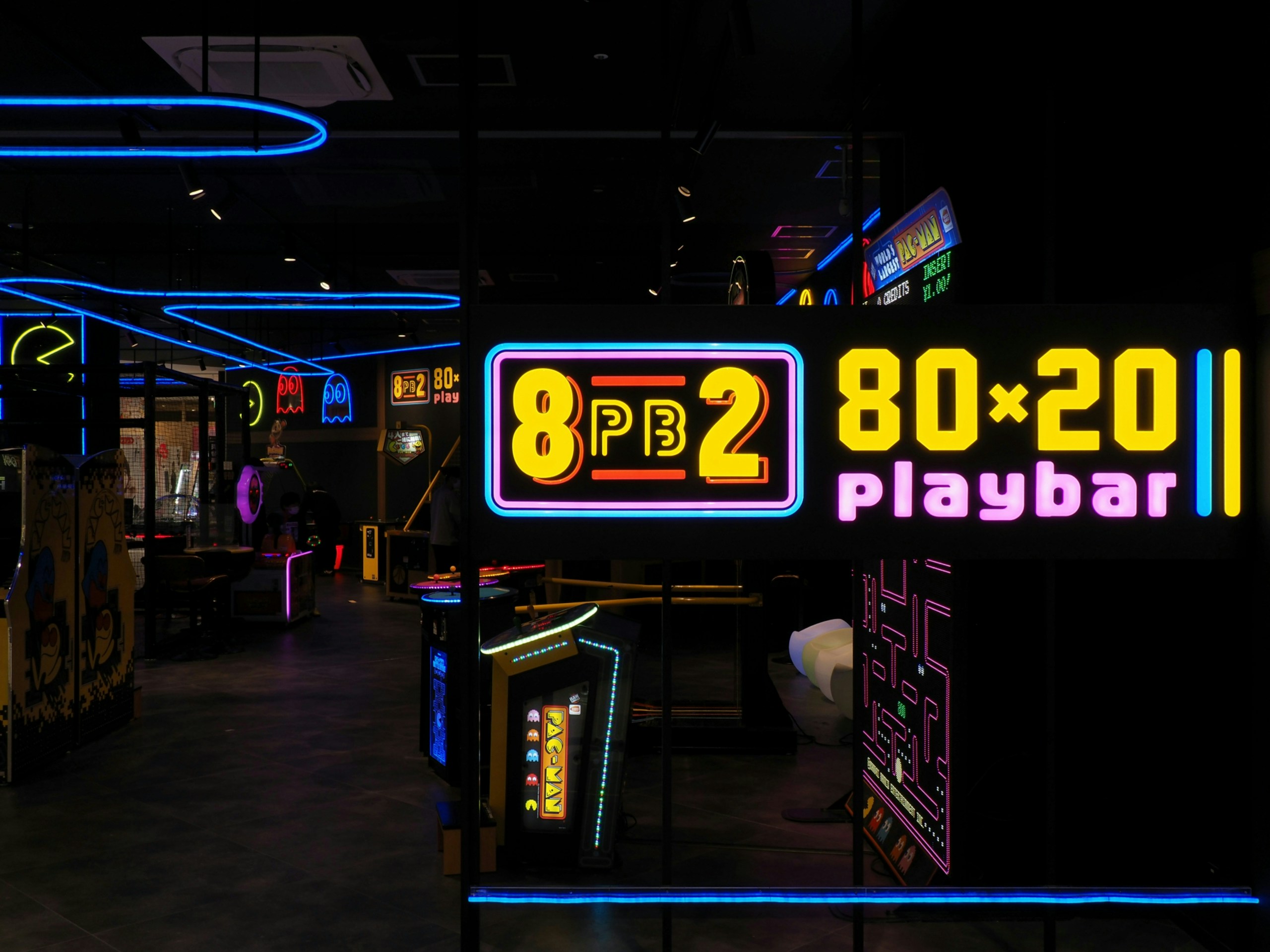
Photo by RYUURI
As a result, the moment we encounter a similar color or sound again, we may feel nostalgic before we can even identify why. Rather than recalling a distinct event, fragments of the atmosphere and sensations of that period return to us.
When looking at a photograph, we sometimes remember experiences extending beyond what appears within the frame. Digital nostalgia may work in much the same way.
Photographs repeatedly viewed on digital screens acquire memories distinct from those of the places where they were made. For example, seeing “Bliss,” the Windows XP desktop background, may remind some people of the computer they once used or the room in which it stood.

Photo by Kenny
A single photograph is not only an artwork; it can also become a portal to the era and experiences associated with viewing it.
Perhaps only those who experienced the internet’s early years firsthand feel nostalgic when they see the Windows XP interface. Yet the screens we casually look at today may one day become nostalgic landscapes for someone else.


