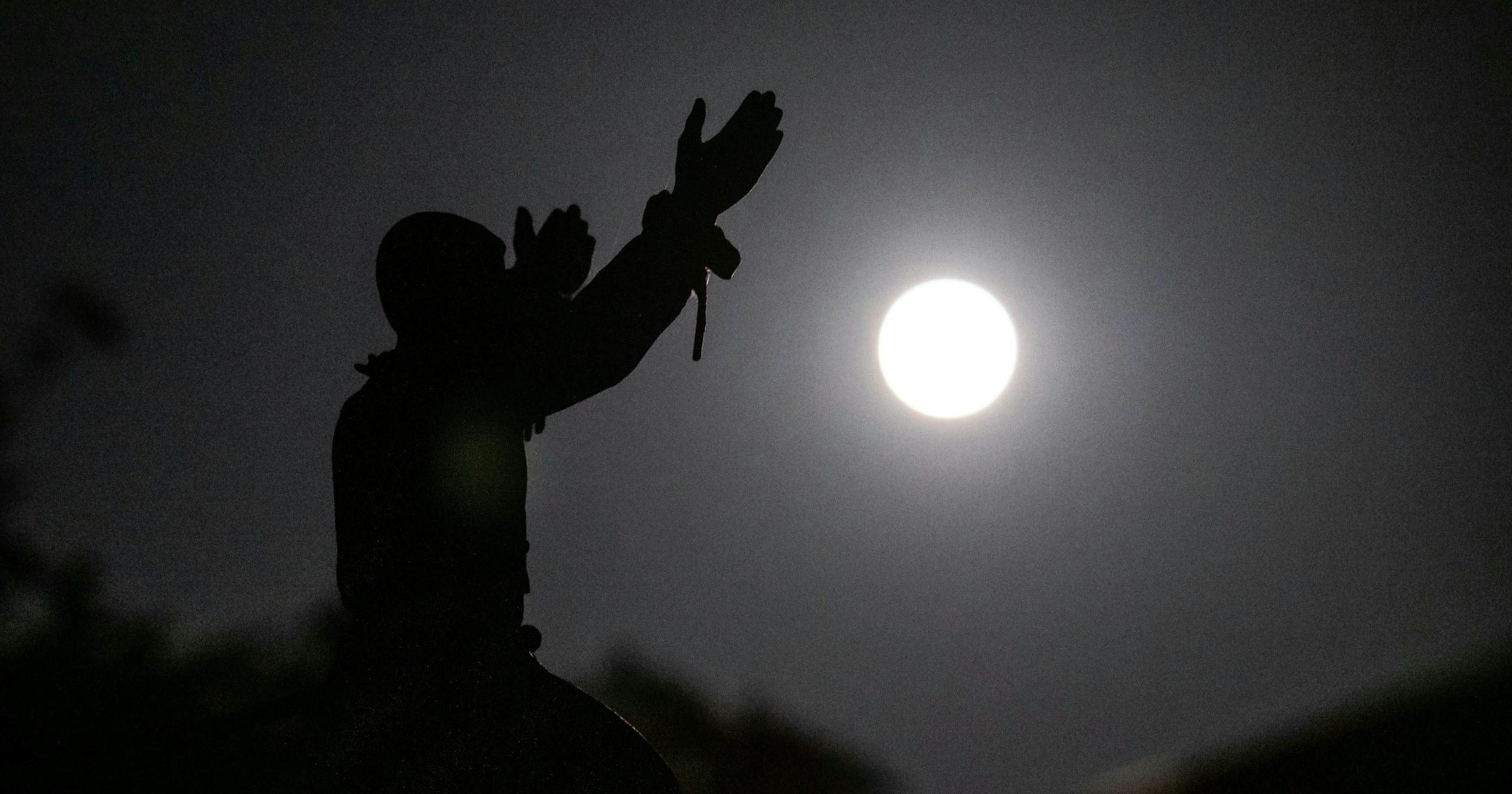
Even when viewed from the same place, the moon reveals a different face each night. Beyond the changing forms of its phases, combining it with terrestrial landscapes, clouds, and city lights can bring a compelling narrative to a single photograph.
This edition introduces ways to enjoy photographing the moon beyond simply capturing it at a large scale—from techniques you can try with a smartphone to camera settings that accentuate its distinctive character.
As you observe the familiar night sky, set out to create a moon photograph that is uniquely your own.
Let the Moon Share the Frame
When photographing the moon, it is tempting to reach for a telephoto lens and fill the frame. Yet incorporating buildings, trees, or human silhouettes in the foreground adds a sense of time and place to the work.
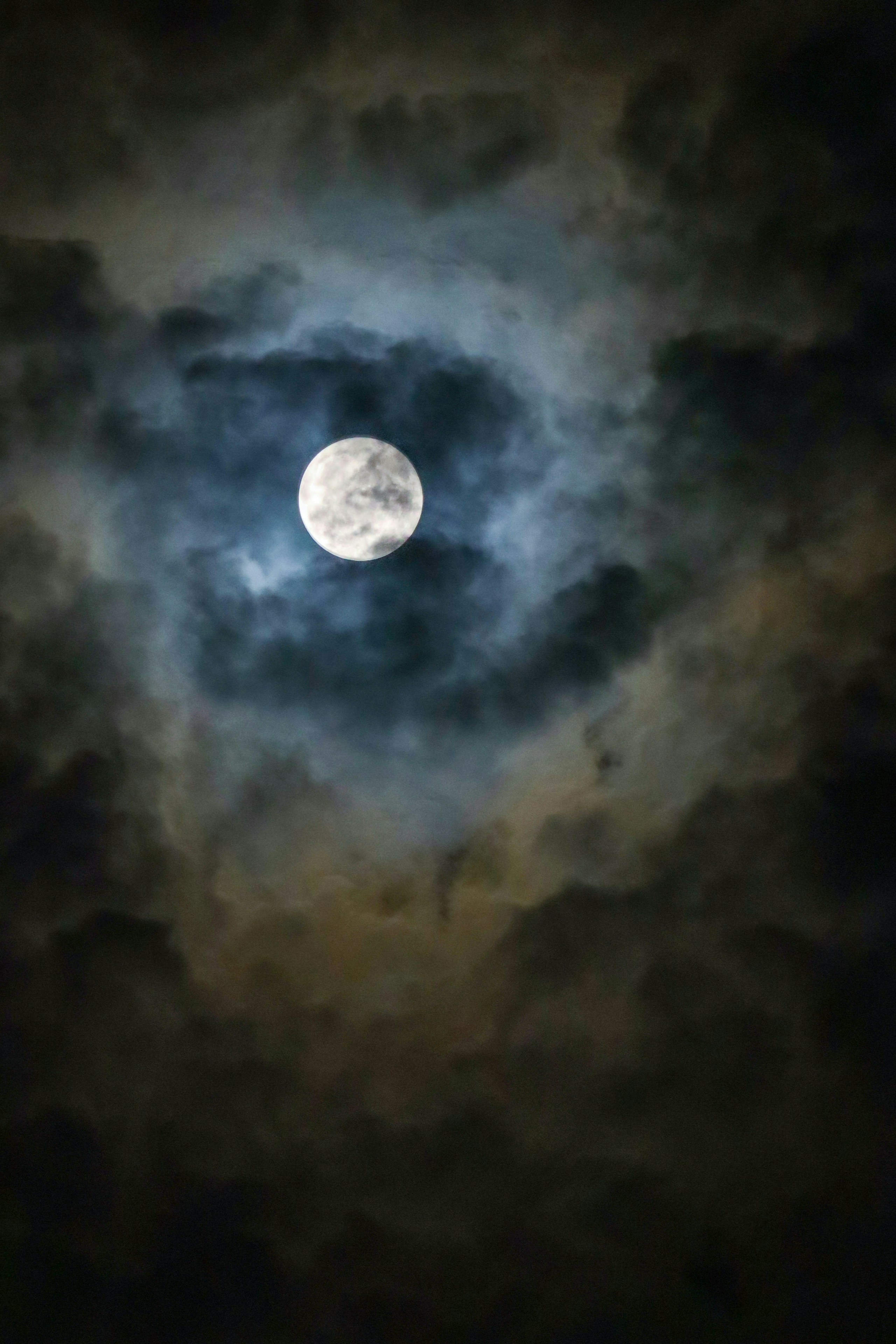
Photo by eriko
Blue hour, just after sunset, is particularly rewarding. While a trace of daylight still remains in the sky, it is easier to balance the moon with the surrounding cityscape. Begin by making test shots with different compositions, comparing where the moon creates the greatest visual impact.
Even with a smartphone, slightly lowering the exposure can restrain the moon’s brightness and produce an atmospheric image.
Revealing the Moon’s Surface Detail
If you want to render the craters and tonal relief of the lunar surface, a telephoto lens will prove invaluable. The moon is surprisingly bright, so approaching it like a conventional nightscape can easily result in blown highlights.
Begin with a low ISO and a relatively fast shutter speed, then adjust the exposure until the lunar surface retains its visible patterns. Camera shake is also more pronounced with telephoto photography, so using a tripod and self-timer is recommended.
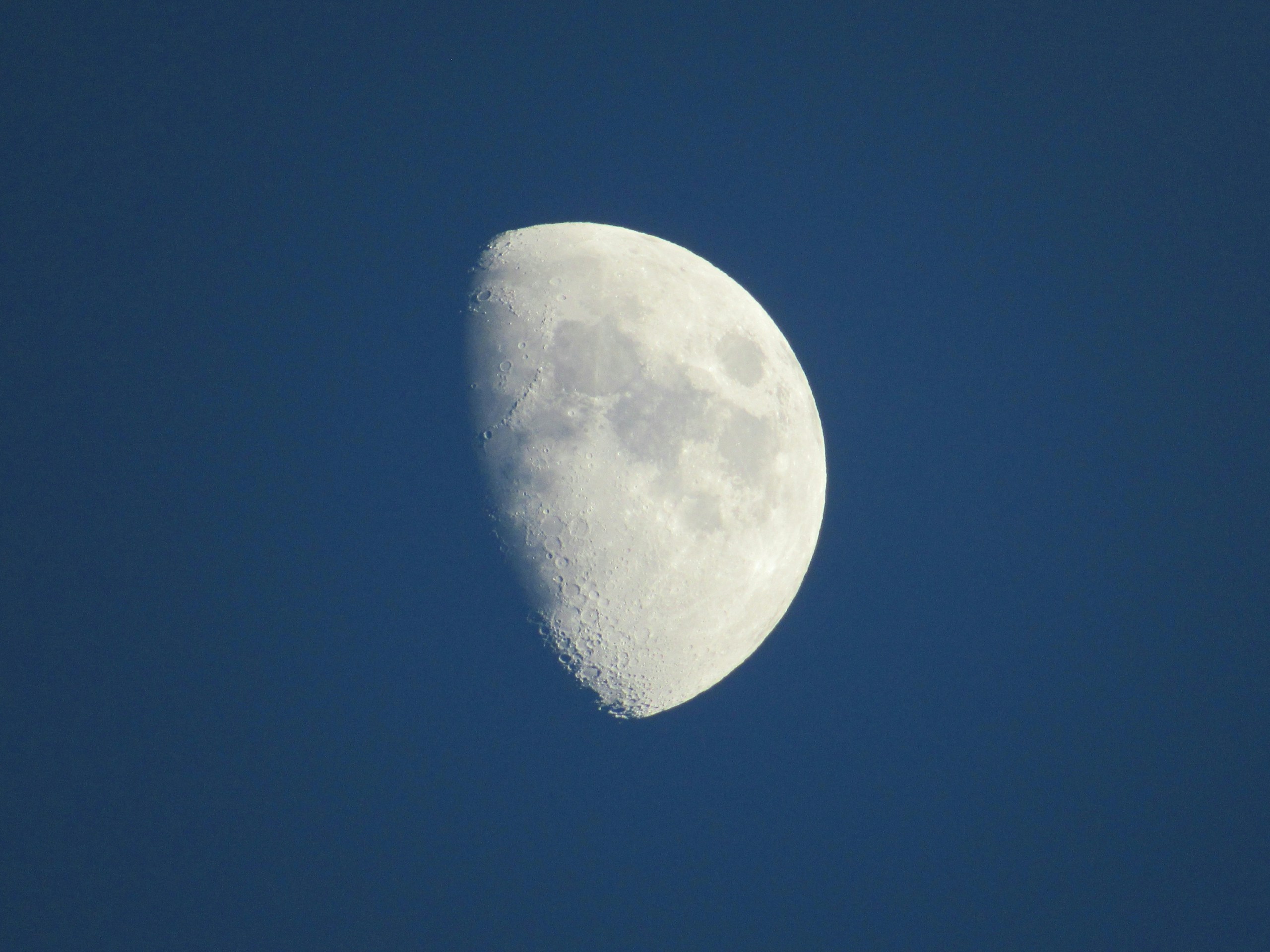
Photo by SUN21
Look beyond the full moon and turn your attention to the half-moon and slender crescent as well. When the boundary between light and shadow is clearly defined, the dimensionality of the lunar surface becomes especially pronounced.
Transforming “Tonight’s Moon” into an Artwork
One of the pleasures of lunar photography is the opportunity to revisit the same subject time and again. Rather than pursuing an identical composition each time, set yourself a modest theme for each shoot—such as incorporating clouds one evening or pairing the moon with city lights the next.
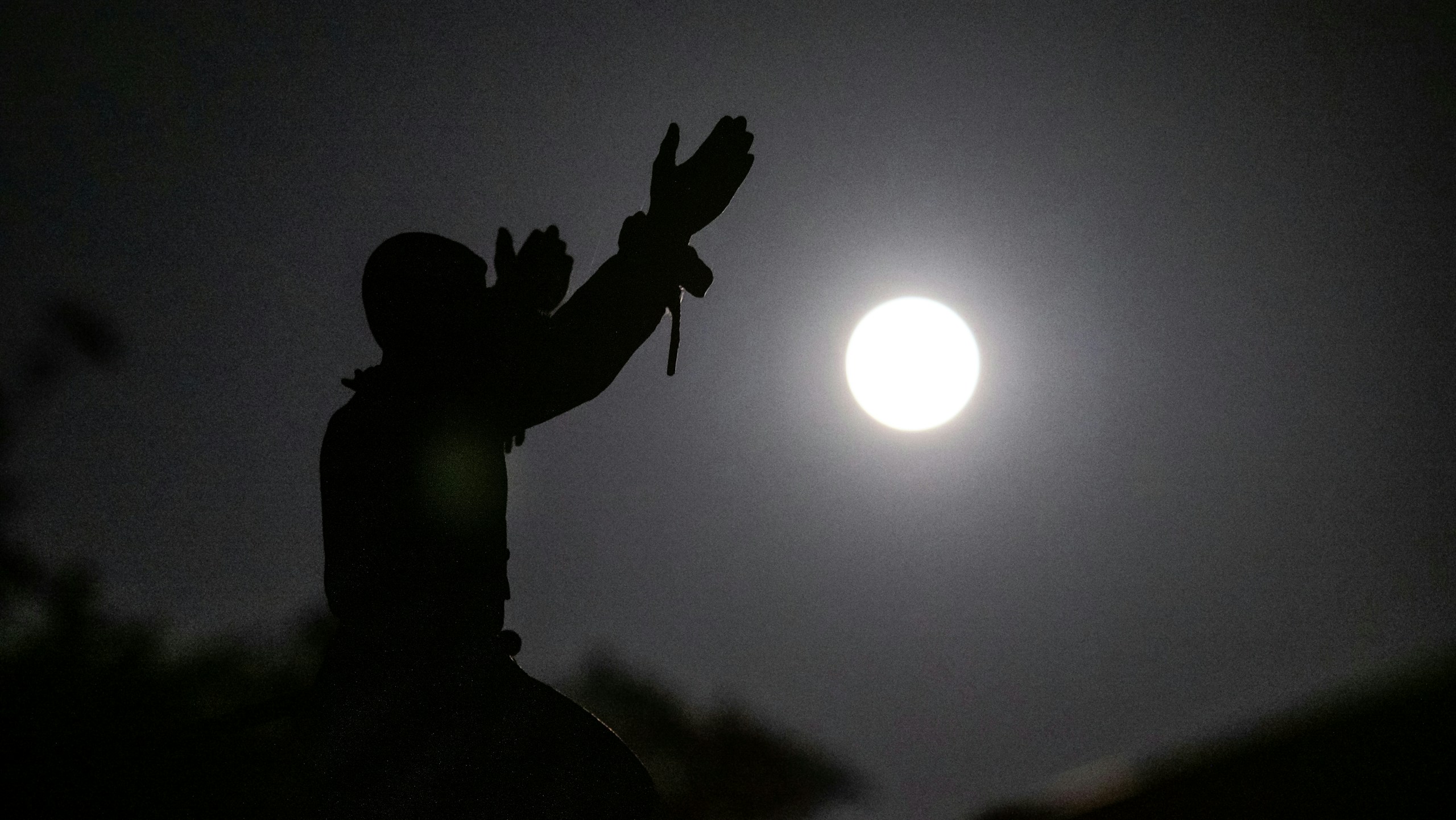
Photo by はくらく
After shooting, arrange your photographs side by side and compare how shifts in color, composition, and the moon’s position alter the overall impression. Sharing your lunar photographs on social media or within a photography community may also introduce you to perspectives you had not previously considered.
Viewing the familiar night sky from a subtly different angle can become the catalyst for your next photograph.