MAGAZINE
MAGAZINE
MAGAZINE
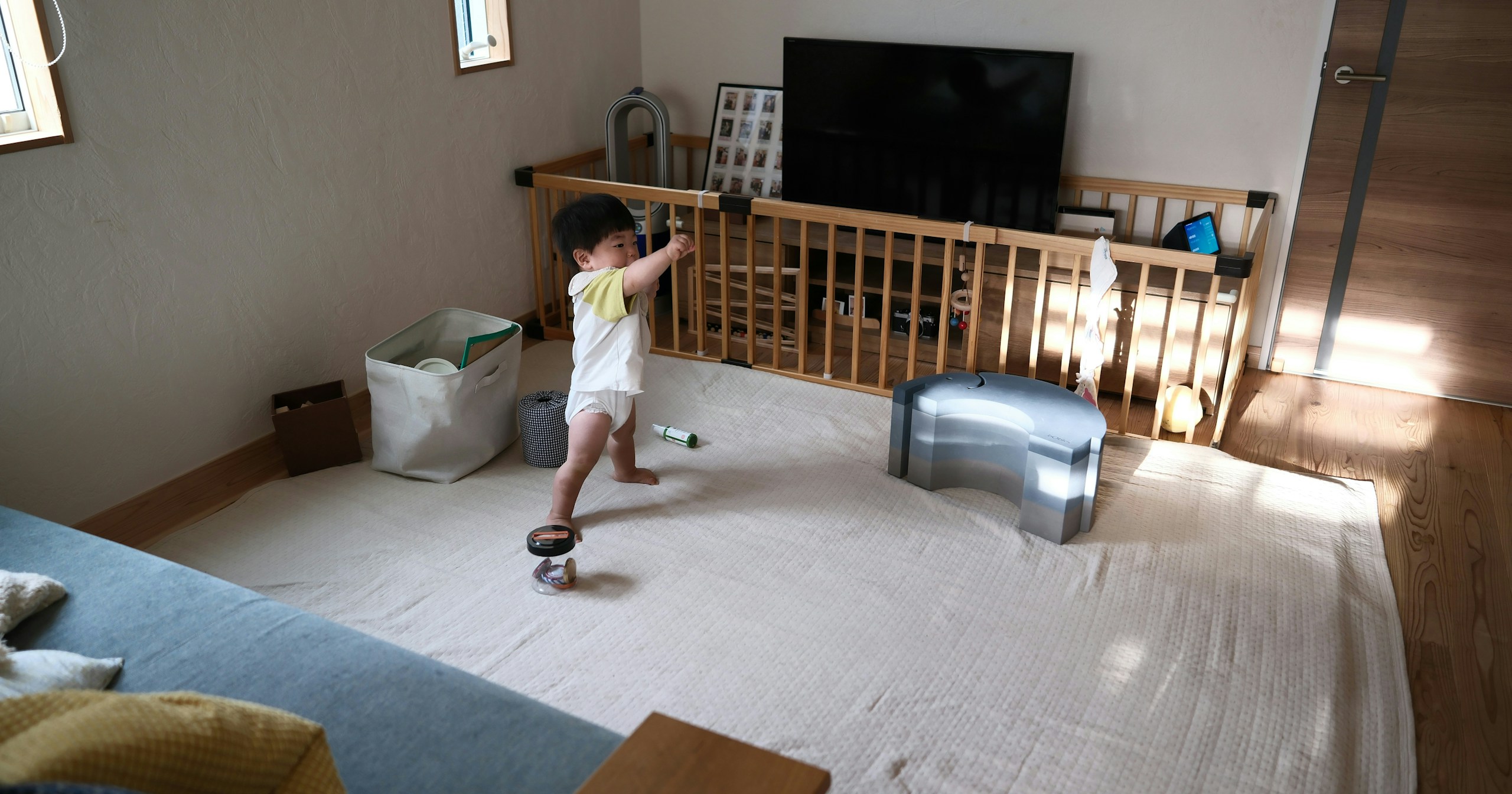
Cover photo by マサヒデ
One of the most familiar challenges in family photography is capturing children and pets who are constantly on the move.
Naturally, they have no intention of following the photographer’s direction. They move wherever they please, leaving a trail of motion-blurred photographs in their wake.
Yet what we truly want is to preserve those candid moments of innocent, uninhibited movement. A photograph of a child sitting perfectly still simply because an adult told them to can feel rather lifeless.
From fundamental camera settings to more technical approaches, this guide brings together the essential techniques you need to know when photographing moving subjects.
First, it is important to understand what causes subject blur.
A camera controls exposure partly through the length of time its shutter remains open—its shutter speed. A longer exposure allows more light to reach the sensor, but it also makes moving subjects more likely to blur. Conversely, a faster shutter speed freezes movement, but in low-light conditions it may result in an underexposed photograph.
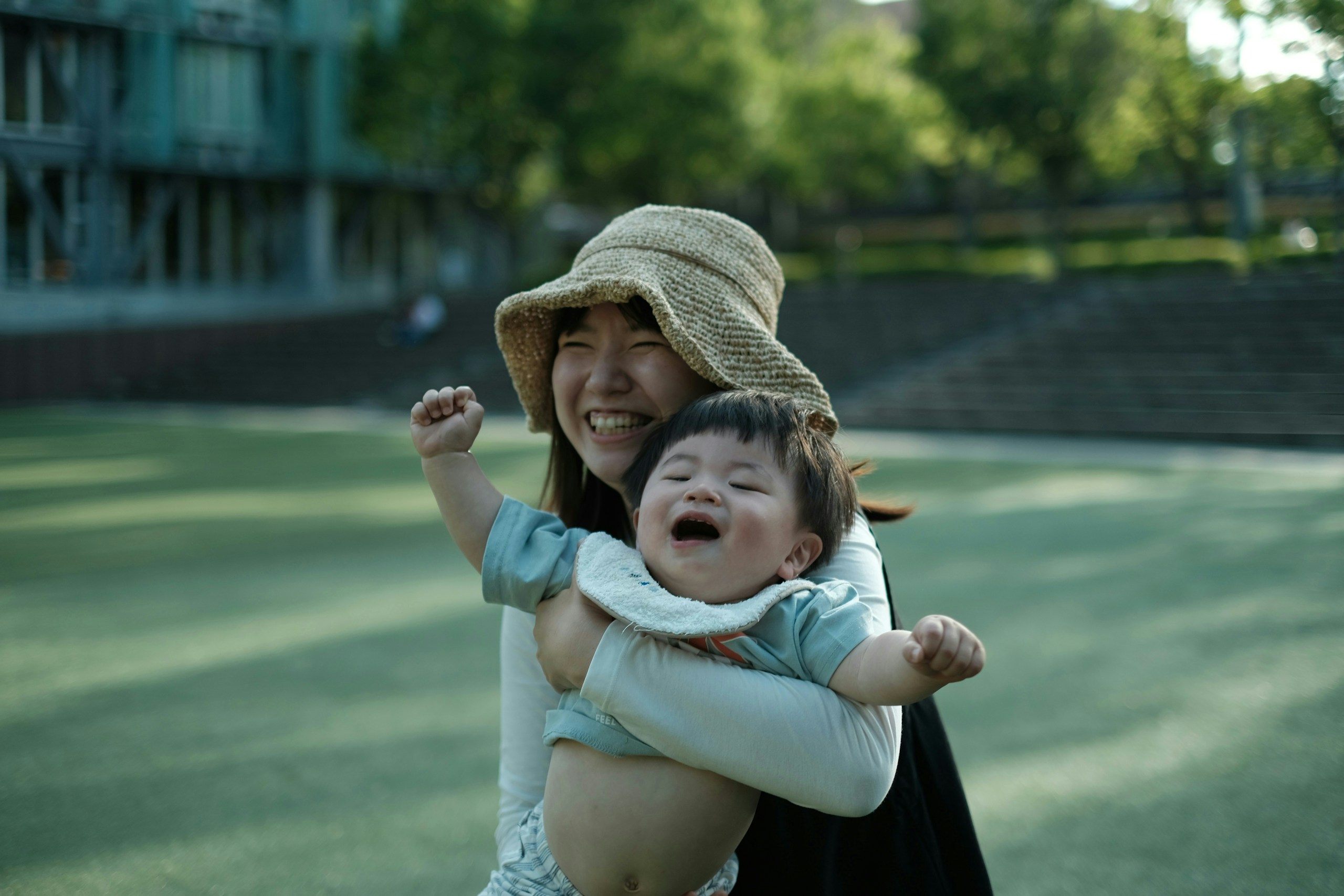
Photo by マサヒデ
As a general guideline, use a shutter speed of around 1/250 second for a walking child and at least 1/500 second for children or pets running around. You will need to compensate for the reduced exposure by raising the ISO sensitivity or opening the aperture.
Once you have secured a sufficiently fast shutter speed, the next consideration is focus. Many contemporary cameras offer subject-tracking capabilities.
To keep pace with a moving subject, use continuous autofocus (AF-C). While you hold the shutter button halfway down, the camera continuously adjusts focus to track the subject.

Photo by マサヒデ
If your camera does not offer this functionality, another option is to focus in advance and wait for the subject to enter the predetermined plane of focus. This technique is commonly known as zone focusing.
By stopping down slightly to increase the depth of field, switching to manual focus, and waiting for the child to move into position, you can photograph the scene with your preferred composition.
These techniques can help prevent motion blur and missed focus, but ultimately, the essential question is what you want from the photograph—and what you hope to preserve. At times, rendering a child’s energetic movement as intentional blur or retaining an expressive moment even when the focus is imperfect can be equally important aspects of family photography.
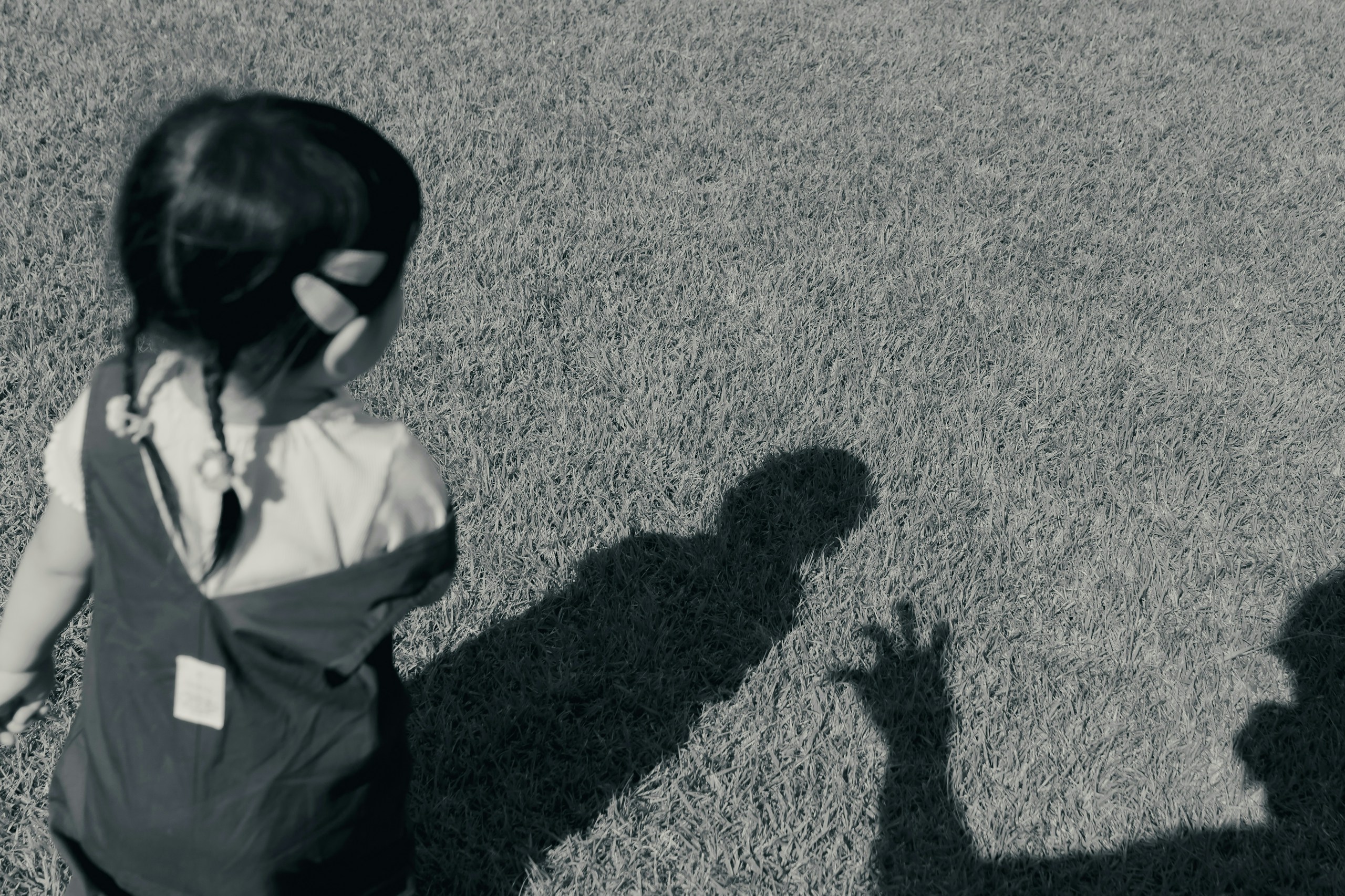
Photo by いのたろー
Once you understand the techniques and can consciously choose how to photograph a scene and what to include within the frame, you will be able to remain composed and concentrate on the act of photographing—even as children and pets move unpredictably.
Above all, remember that photography allows for many forms of expression. The pursuit of a technically perfect photograph should never come at the cost of suppressing the natural innocence and spontaneity you hoped to preserve in the first place.
WRITER


53 Magazines
A special series featuring contributions from creators with diverse perspectives from around the world. In their own words, they share their thoughts on cameras and photography, along with the stories behind their creative journeys—offering viewpoints that the cizucu editorial team alone could not capture.