MAGAZINE
MAGAZINE
MAGAZINE
MAGAZINE
By cizucu ·

Cover photo by たまゆう
Whether you are just starting out in photography or have become comfortable behind the camera, one of the most common challenges is the question: “What do I truly want to express?” A valuable approach is to reconsider terms like “abstraction,” “experimentation,” and “concept” not as vague notions, but as distinct layers within photographic practice.
Is it the visual impression, the technique explored, or the underlying structure of a series?
Clarifying these distinctions can transform everyday scenes and ordinary subjects from mere documentation into intentional expression. Before concerning yourself with equipment upgrades, it is far more liberating to first define how and why you photograph.
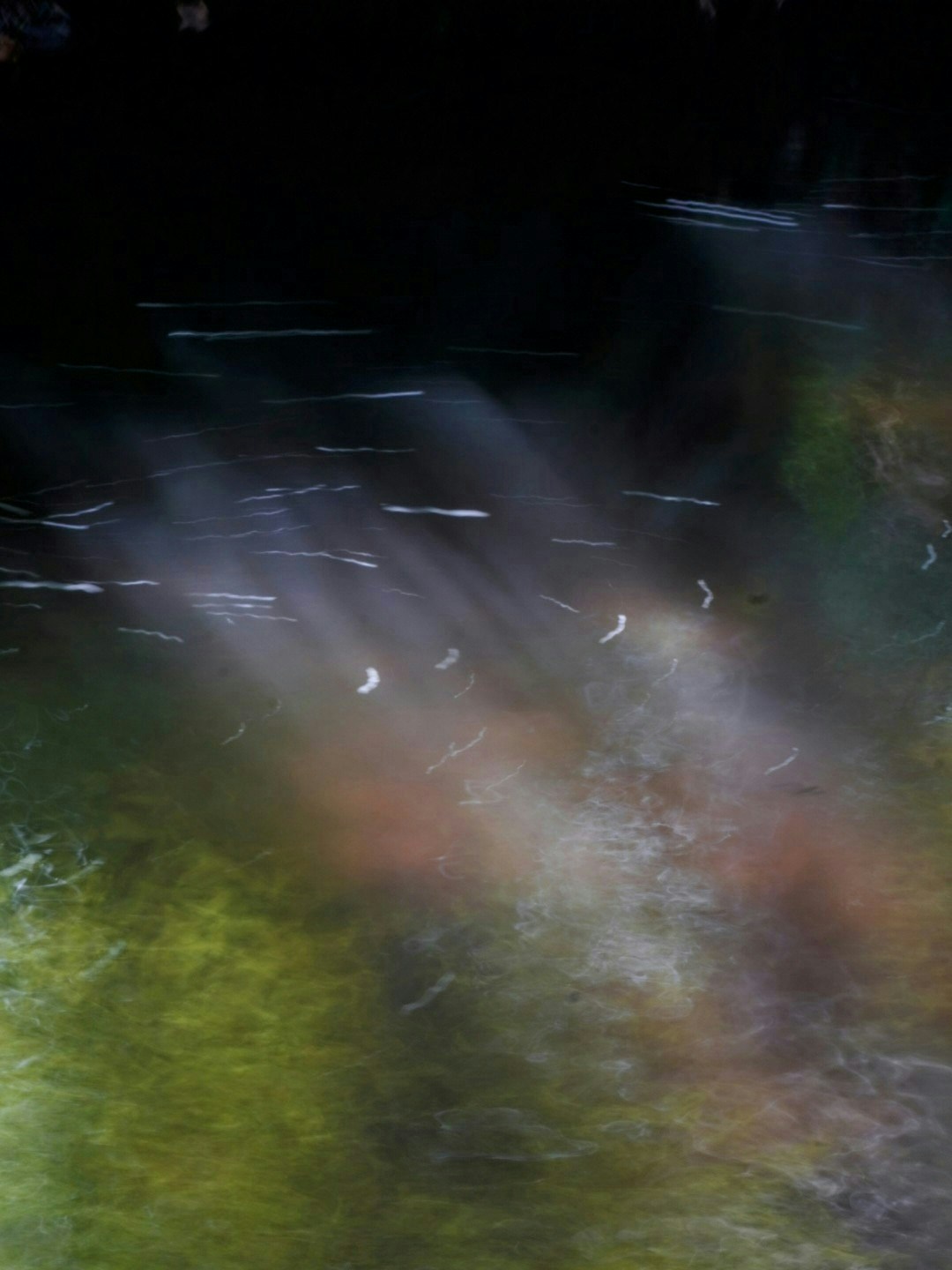
Abstract photography is often misunderstood as imagery where the subject is unrecognizable, but its essence lies elsewhere. What truly matters is that elements such as line, plane, repetition, shadow, color, and texture take precedence over the subject itself.
Photo by るりり
Reflections in window glass, building facades, wet pavement, or close-ups of petals—familiar subjects can be radically reimagined through framing. Isolating a detail with a telephoto lens, focusing on texture with macro, intentionally blurring foreground and background, or stripping away information with monochrome: these strategies open photography up from explanation to interpretation. Begin by training your eye to see not just “things,” but “forms.”
When we speak of “experimental” photography, it is easy to focus solely on dramatic edits or striking visuals. However, true experimentation is rooted in process rather than outcome.
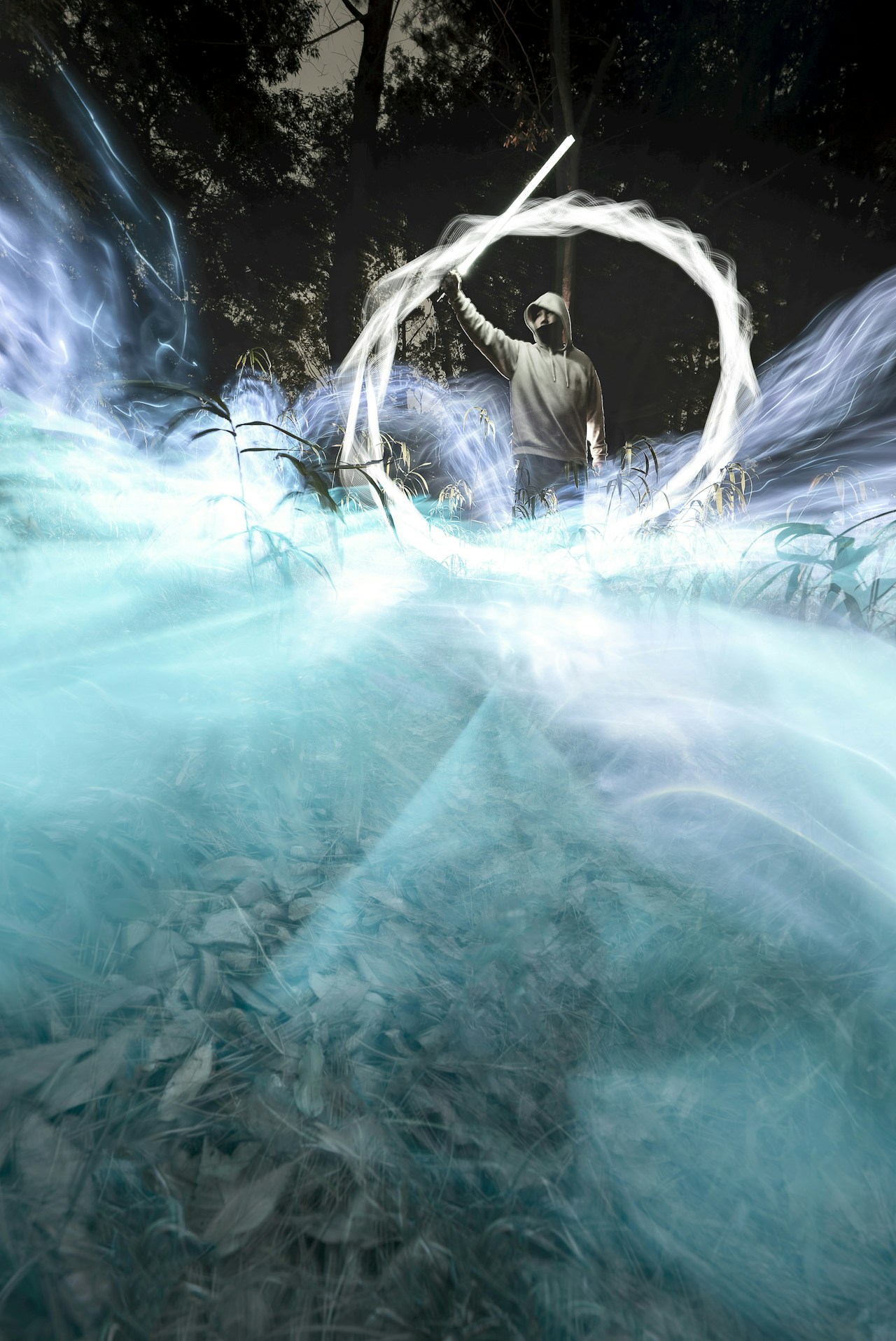
For example, observing grain by deliberately shooting at high ISO, making shadow the protagonist by avoiding primary light sources, transforming movement into compositional structure through long exposures, or comparing identical shots with different development settings. Even if the final image appears understated, these approaches are inherently experimental.
Photo by hamayan
The key is being able to articulate what you changed and what you hoped to discover through those changes. Keeping a record of your process—including failures—will directly inform and enrich your future work.
Conceptual photography is not simply about creating moody or symbolic images. What matters most is the set of conditions or rules you establish before you begin shooting.
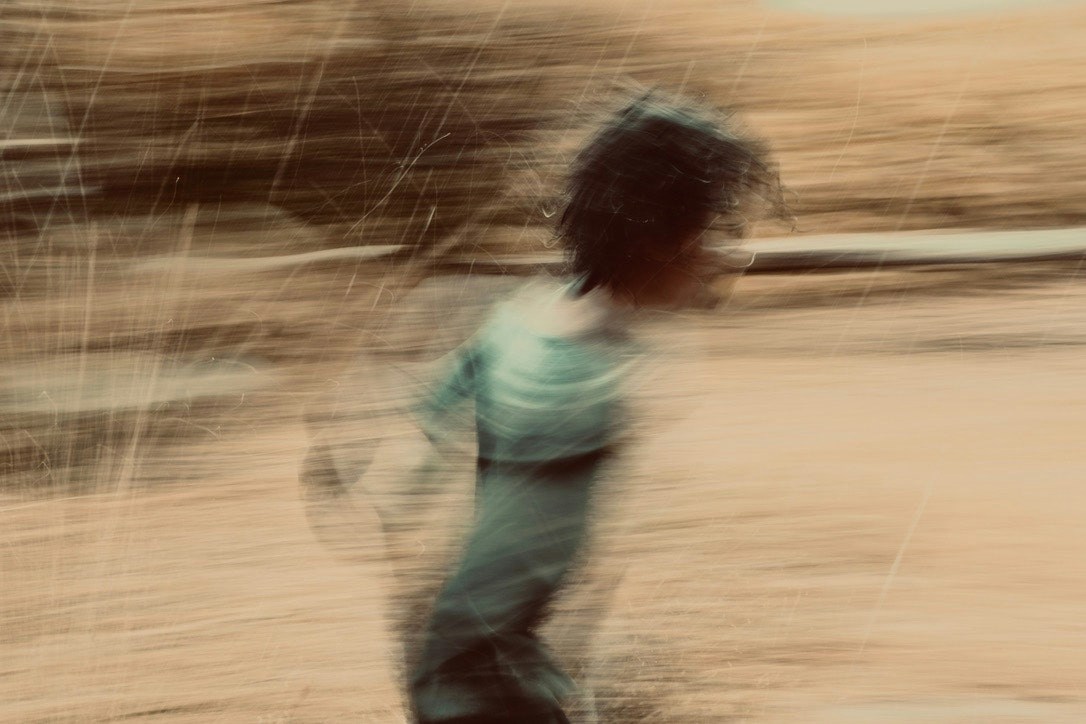
Photographing the same place at the same time each day, documenting a city for a month using only a 50mm lens, pursuing the color red, or focusing exclusively on mirrors and reflections—such constraints may seem limiting, but in fact, they lend your work a strong, coherent core.
Photo by dede dos film
Moreover, in contemporary photographic practice, ethical considerations—such as consent in street photography, privacy, and the use of heavy retouching or compositing—are indispensable. Impactful photography is not only about ideas, but also about how you present and engage with your subject matter, all of which should be thoughtfully integrated into your creative framework.