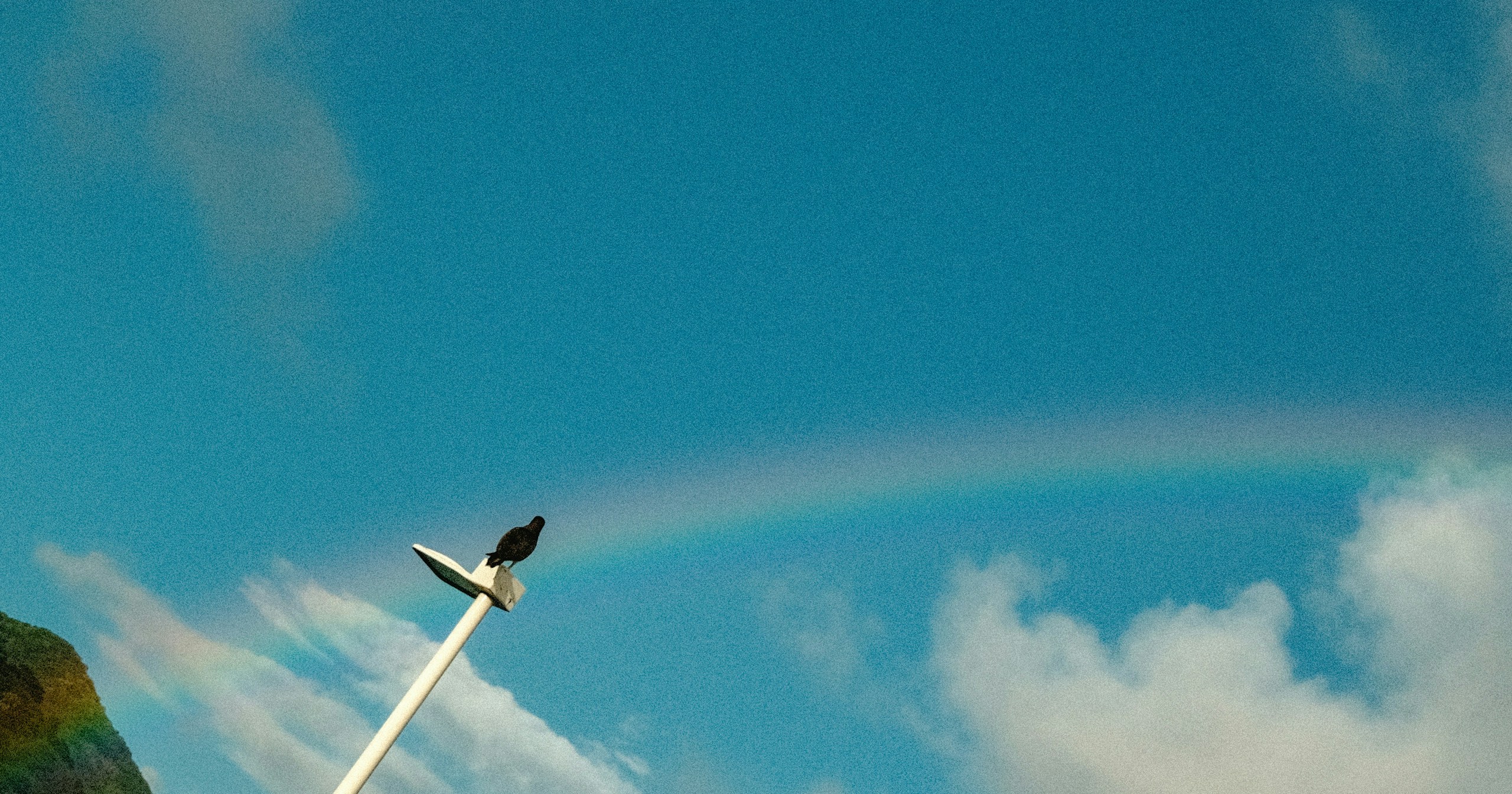
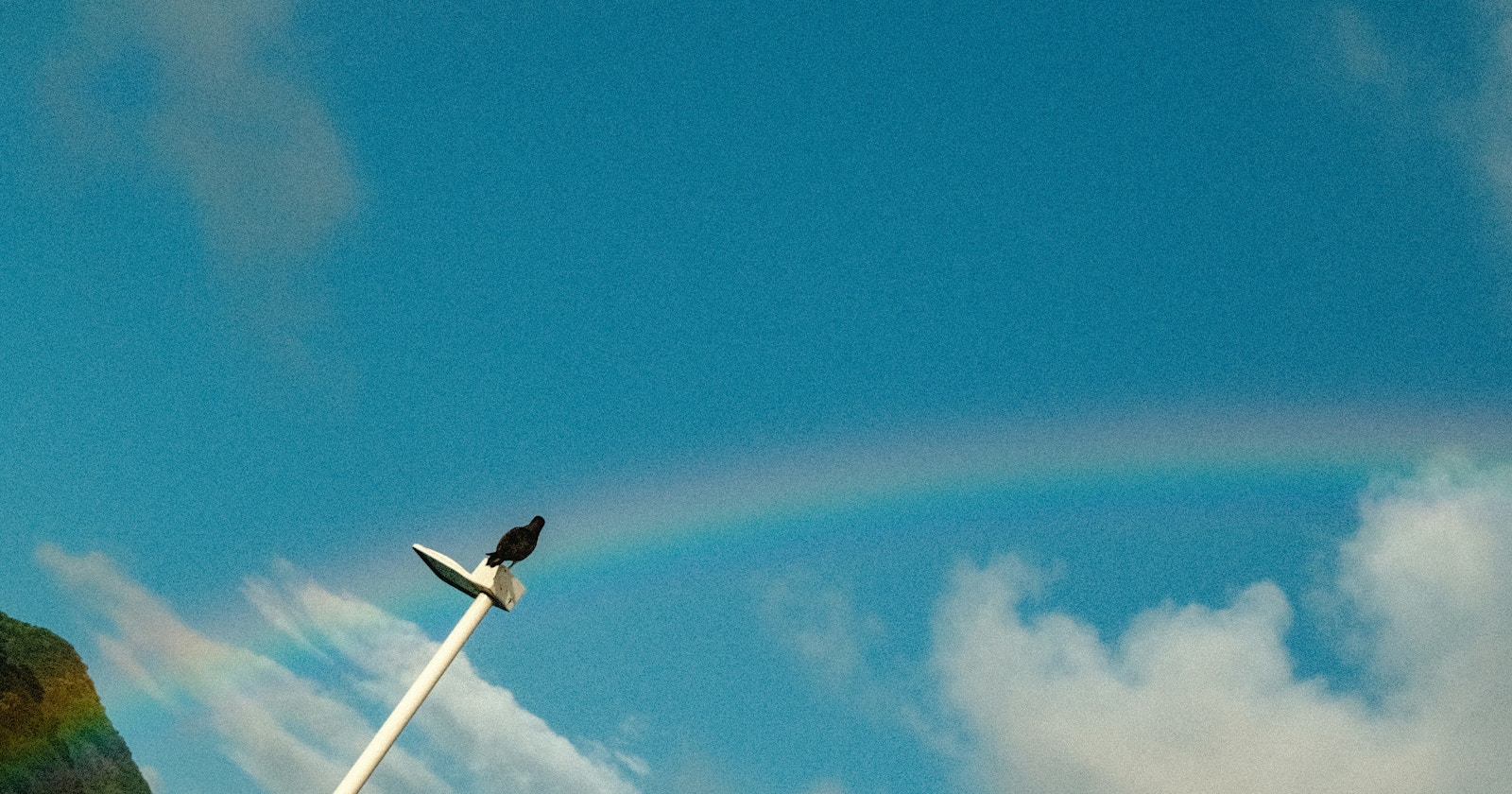
The idea of dedicating more than 70% of your frame to the blue sky is not about adding more elements, but rather about intentionally subtracting them to strengthen the impact of your photograph. By treating the sky not as a backdrop but as the main subject, you can capture emotions such as expansiveness, tranquility, solitude, and a sense of liberation.
This feature introduces key points by combining perspectives from global examples of minimal photography and negative space with practical shooting ideas you can try right away.
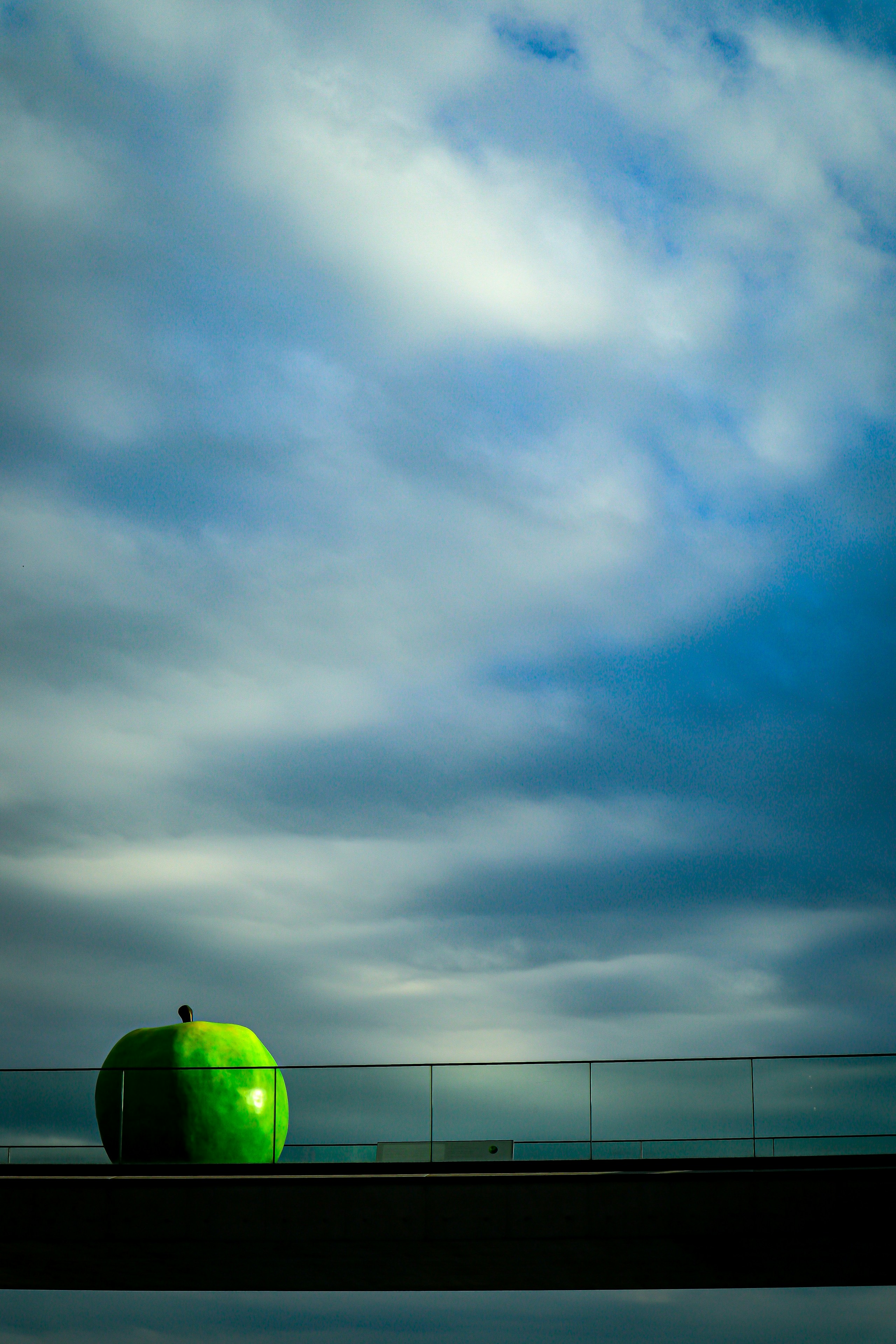
Photo by eriko
70% Negative Space: Breathing New Life into Your Photography
Capturing more elements may increase the amount of information in a photograph, but it does not necessarily make it more impactful. In fact, by narrowing down the elements, the viewer's gaze and emotions are drawn more powerfully to a single focal point.
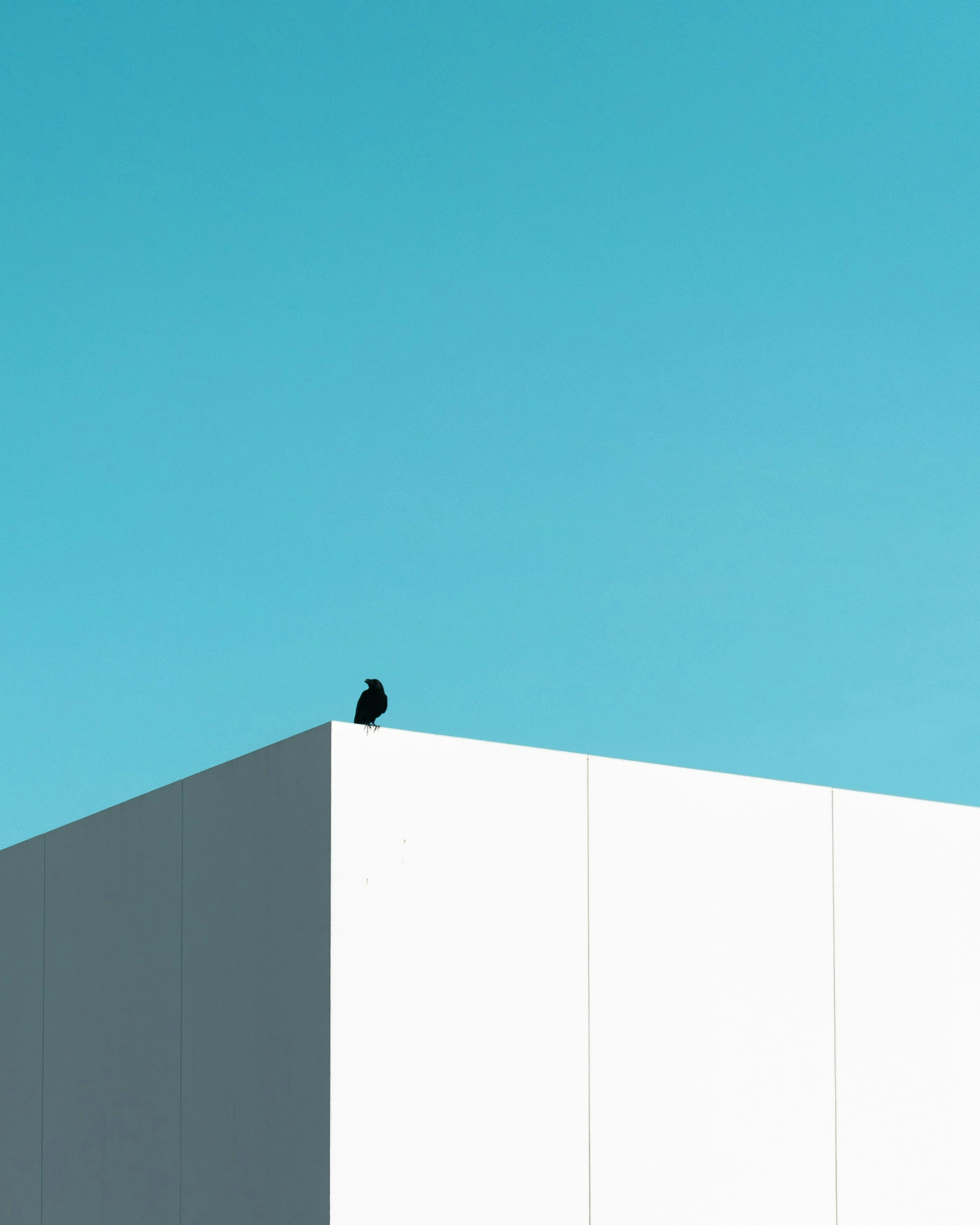
Photo by Renon.
Composing with more than 70% of the frame as blue sky is a powerful way to maximize this effect.
In open spaces such as beaches, grasslands, rooftops, parking lots, or school windows, the vastness of the sky itself becomes the theme of the work. Not only clear blue skies, but also thin clouds, haze, and evening gradients are important elements that enrich the sky. It is essential to perceive the sky not as an empty void, but as a surface imbued with emotion.
The Sky as Presence, Not Just a Backdrop
Looking at international examples of minimal photography and works that utilize negative space, a common perspective is to "not let the sky remain just a background." By placing a small subject—such as a person, bird, flag, utility pole, rooftop water tower, or architectural corner—against a broad expanse of blue, both the vastness of the sky and the presence of the subject are accentuated.
In Japan, the approach of including a large portion of sky, often called "sky photography," is also popular. However, in global contexts, there are many examples where the color itself or the atmosphere of the sky becomes the central theme.
Expanding the Blue: Transforming Your Photographs
Start by placing the horizon about 10–20% from the bottom of the frame to secure a large area for the sky. Additionally, try shooting from a low angle to include architecture or trees as small elements, or position your subject at the edge of the frame to emphasize a sense of solitude.
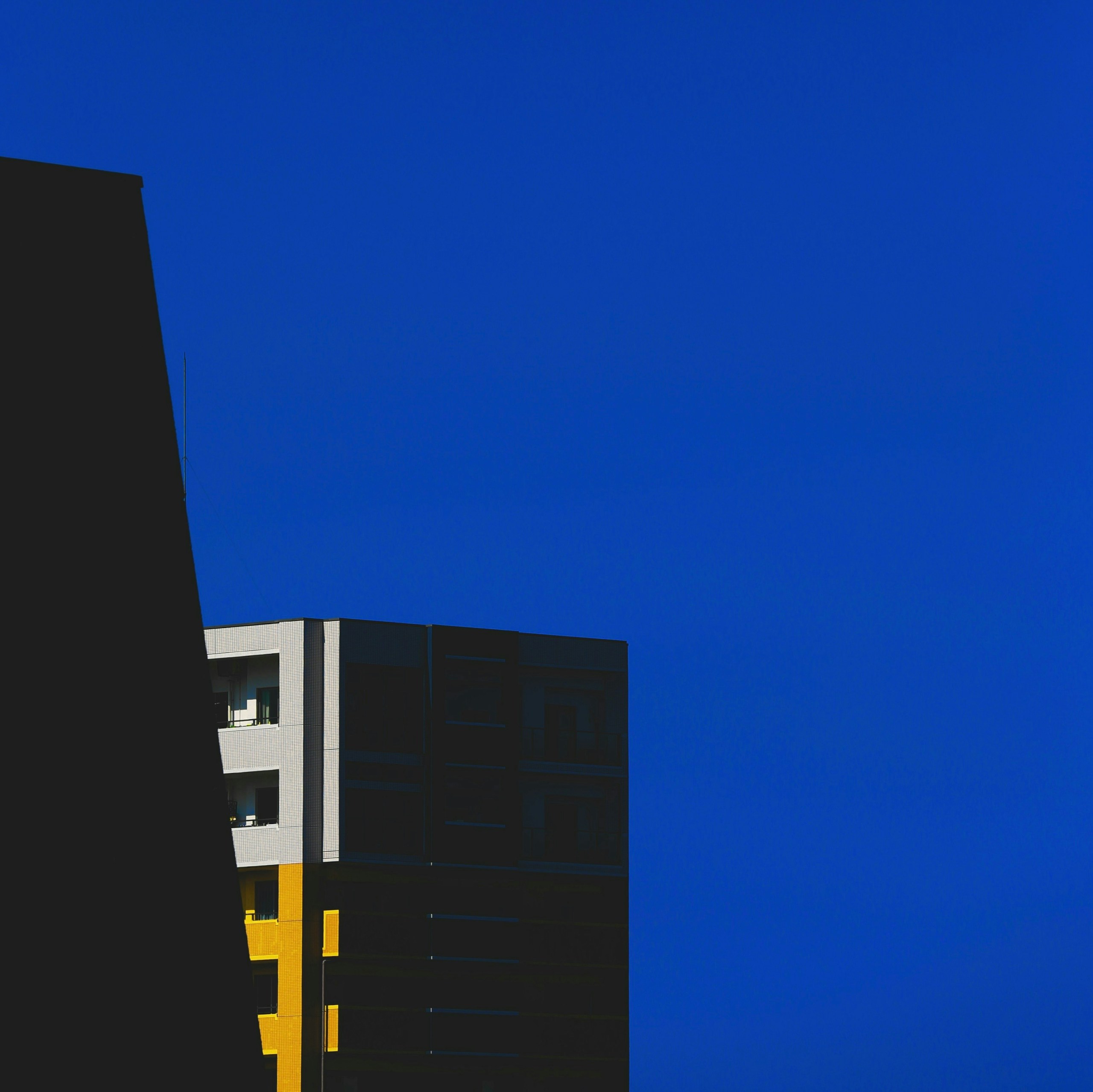
Photo by 遠藤広陵
Limiting your composition to just one or two elements highlights the beauty of negative space. Shooting in direct or slightly angled sunlight helps stabilize the blue tones, making it easier even for beginners.
When editing, avoid oversaturating; preserving the gradations and subtle tonal differences in the blue will give the sky a sense of depth.
A Shift in Perspective: The Infinite Possibilities of the Blue Sky
The blue sky is familiar and ever-present for everyone. Yet, by embracing negative space and letting it dominate your composition, the ordinary landscape is instantly transformed into something special. The key is not to fill the sky, but to give it meaning.
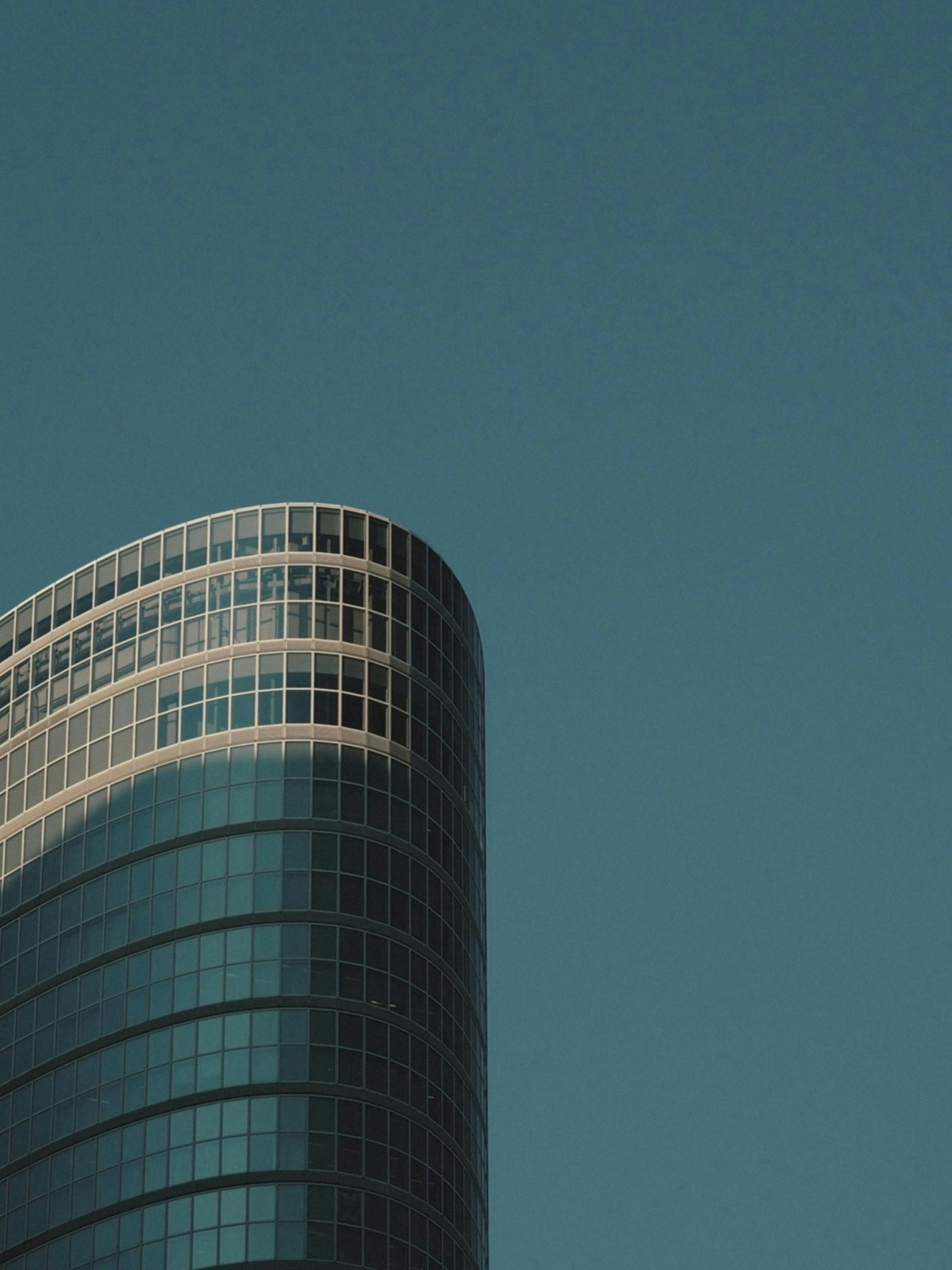
Photo by mifuu70_
By paying attention to contrasts with small subjects, differences in color by time of day, and the changing atmosphere across seasons, you can greatly expand your expressive range. When you feel stuck in your creative process, looking up can lead to new perspectives. Photographs that make the sky the main subject are simple, yet possess a powerful ability to stir the viewer's imagination.