MAGAZINE
MAGAZINE
MAGAZINE
MAGAZINE
By cizucu ·
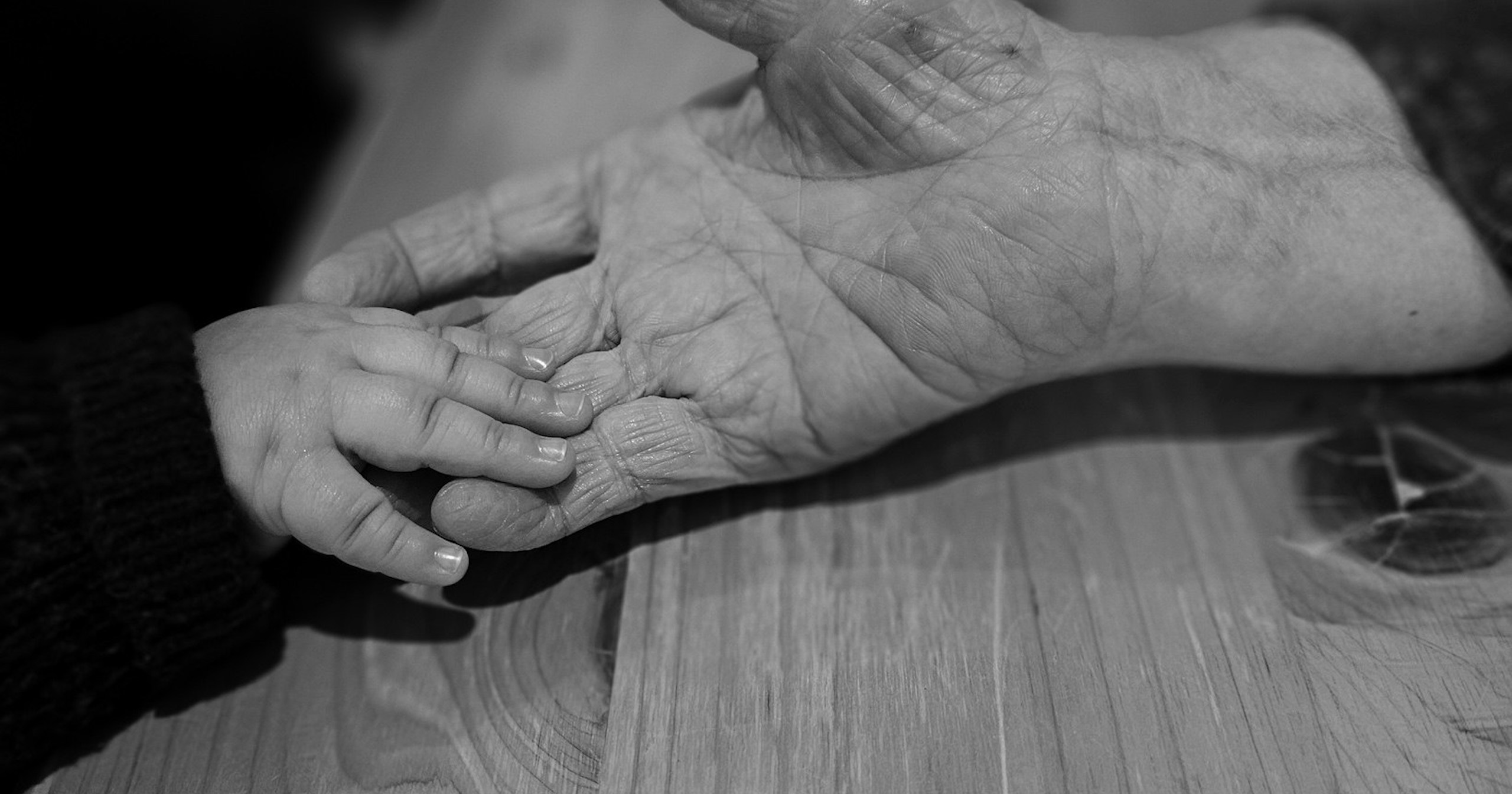
Cover photo by -kenchi-
While it may seem that photography simply captures the subjects themselves, in reality, it reveals the intangible connections that flow between them. Two people, two objects, two presences—their proximity or distance, their similarities or disparities, their mutual support or one-sidedness.
Such relationships are first conveyed not through words, but through composition: placement, orientation, overlap, and negative space within the frame.
This feature is not about the act of 'photographing two things,' but rather about observing 'what emerges between the two.' A photograph gains strength not by multiplying protagonists, but by making visible the relationship between them. In that moment, the image transcends mere introduction and becomes something to be read and interpreted.

Photo by スサダイキ
When two subjects occupy the same frame, viewers instinctively begin to compare them: size, shape, color, orientation, texture. Similarities create resonance, while differences introduce tension. In photographs featuring pairs, it is not only the individual allure of each subject that matters, but also how their contrasts and repetitions are perceived.
For example, even two similar umbrellas placed side by side can express individuality and relationship through a slight difference in angle. Two chairs, two windows, two standing figures—stability arises from similarity, while meaning is set in motion by difference.
Placing two elements together is not simply about increasing quantity; it is about orchestrating resonance and dissonance within a single frame, crafting a subtle drama in the photograph.
Relationships between two elements are often more eloquently expressed by distance than by facial expression. Shoulders nearly touching can suggest intimacy or tension, while a slight separation may evoke independence or disconnection. What matters is not the distance itself, but the atmosphere it creates.
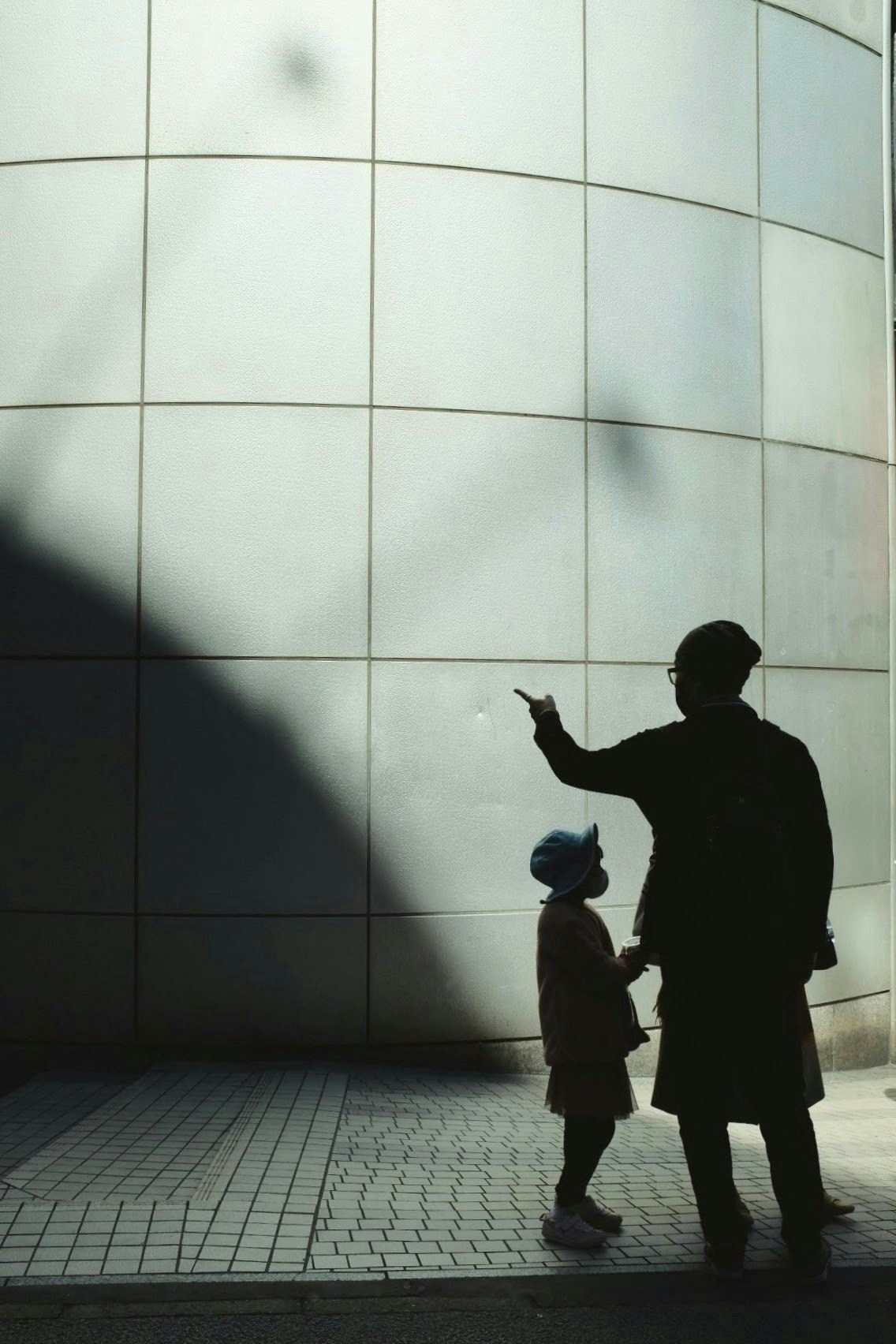
Photo by 朽蓮 kyu-ren
For instance, if one figure leans on the other, a supportive relationship is revealed. Conversely, if both share the same frame but their gazes and bodies never intersect, they may appear distant despite their proximity.
Further, differences in height, brightness, or focus can introduce dynamics of dominance, hierarchy, or instability. Negative space within a photograph is not simply emptiness; it is precisely this space between two elements that becomes the locus for emotional resonance.
The key is not to search for 'two things,' but to discover moments where meaning arises between them. Whether two people face each other, look in the same direction, two shoes rest side by side, or two cups are placed apart—the significance lies in what their pairing communicates.
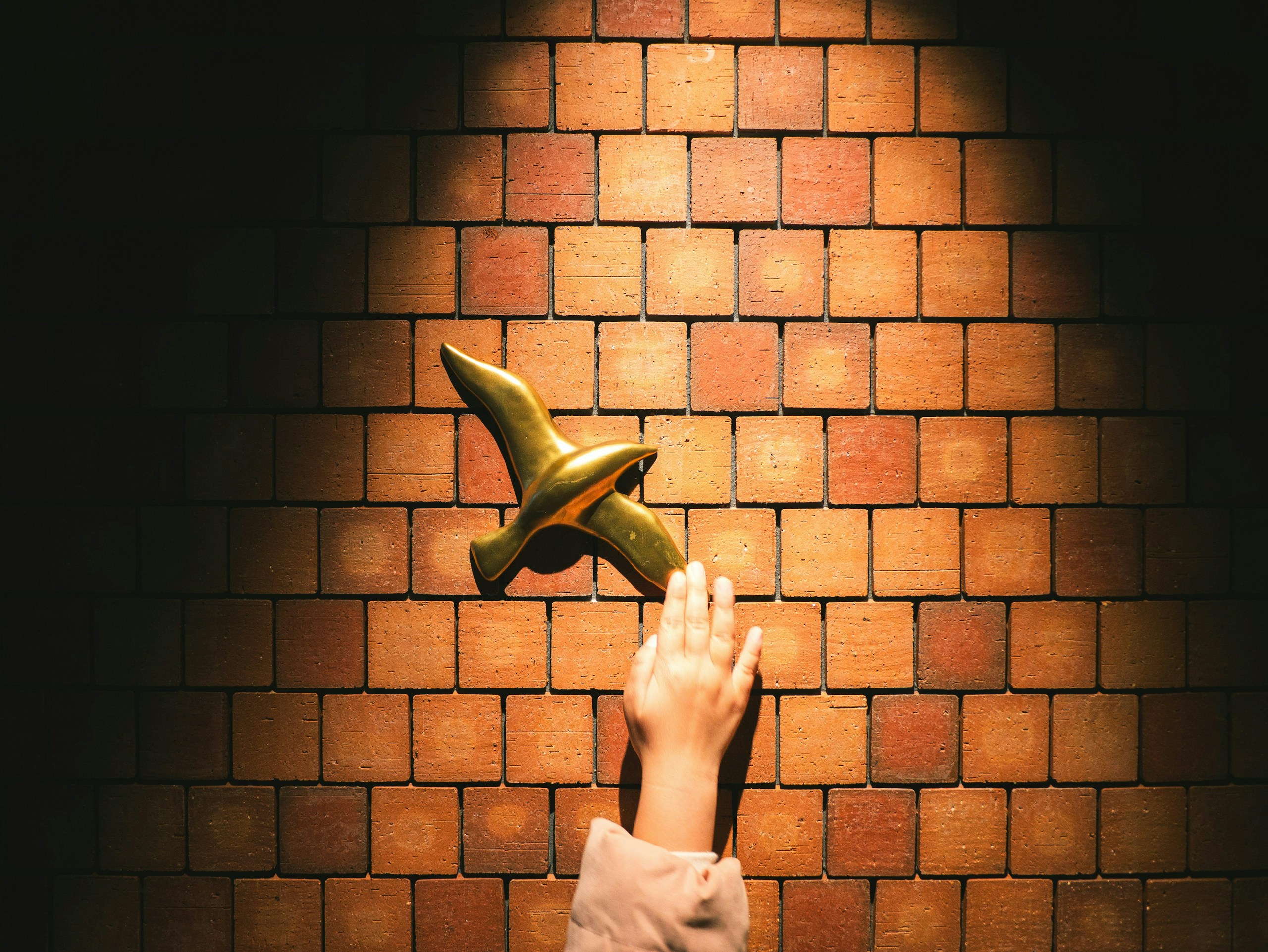
Photo by ちば きょうへい
Is the similarity between them unsettling, or does their difference create harmony? Is one the main subject, or does the other quietly dominate the atmosphere? Even at the stage of shooting, simply being conscious of whether to treat both elements equally or to shift the focus toward one can alter the way the relationship is perceived.


