Stories of creators who are passionate about photography, their cameras, and the narratives behind them. The presence of a "beloved camera" reflects each individual's philosophy and values. In this feature, we introduce Hiro, who is fascinated by cameras and photographic techniques from over a century ago.
Now, with the advancement of digital cameras, it is possible to pursue the ideal image even in post-production. Yet, what captivated Hiro was the unique temporality of photography that allows no do-overs. Loading glass plates in darkness, reading the light, and waiting patiently before a massive wooden camera—these inconveniences are not mere nostalgia, but rather enriching constraints that allow for a deeper engagement with the world.
This article gently explores the allure of photographs as physical objects, with images fixed onto glass surfaces.
What Are Glass Plate Negatives?
Glass plate negatives are a photosensitive material made by coating a glass plate with a gelatin emulsion, a photographic technique that became widespread in the late 19th century. Because these plates could be handled dry in advance, unlike wet plate photography, photographers no longer needed to perform complex processing on-site immediately before or after exposure. This marked a major turning point, making it easier to shoot away from the darkroom. George Eastman's efforts to make glass plates more affordable and accessible also played a significant role in the history of photography.
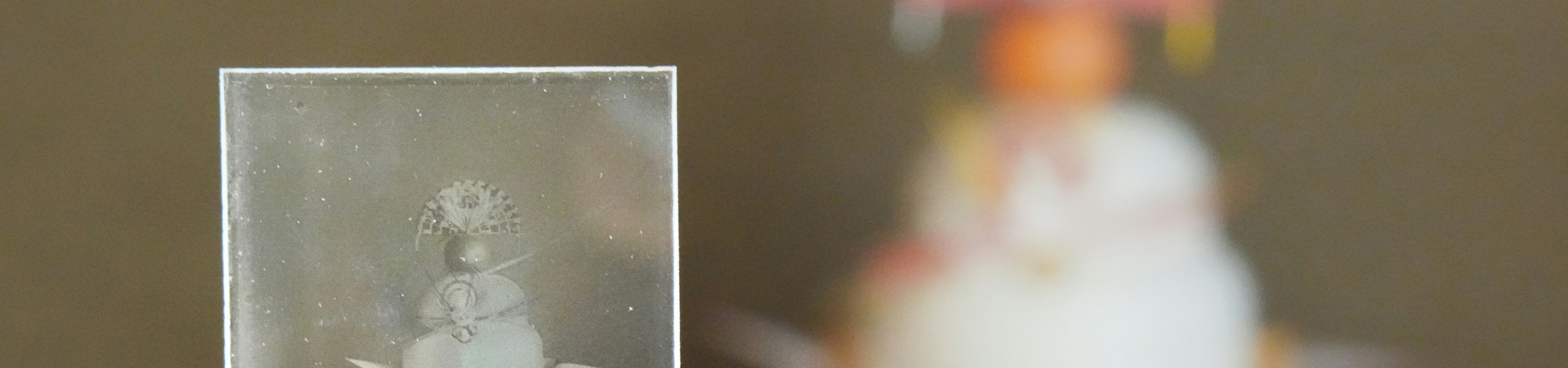
Photo by ヒロ
Drawn to the Depths Etched by Light on Glass
The photograph possessed a mysterious sense of depth, as if the light had been directly engraved onto the surface of the glass.
It is an image that exists as a tangible object—something you can never truly experience through a digital screen.
What captivated me was the world of glass plate negatives, a technique from a hundred years ago.
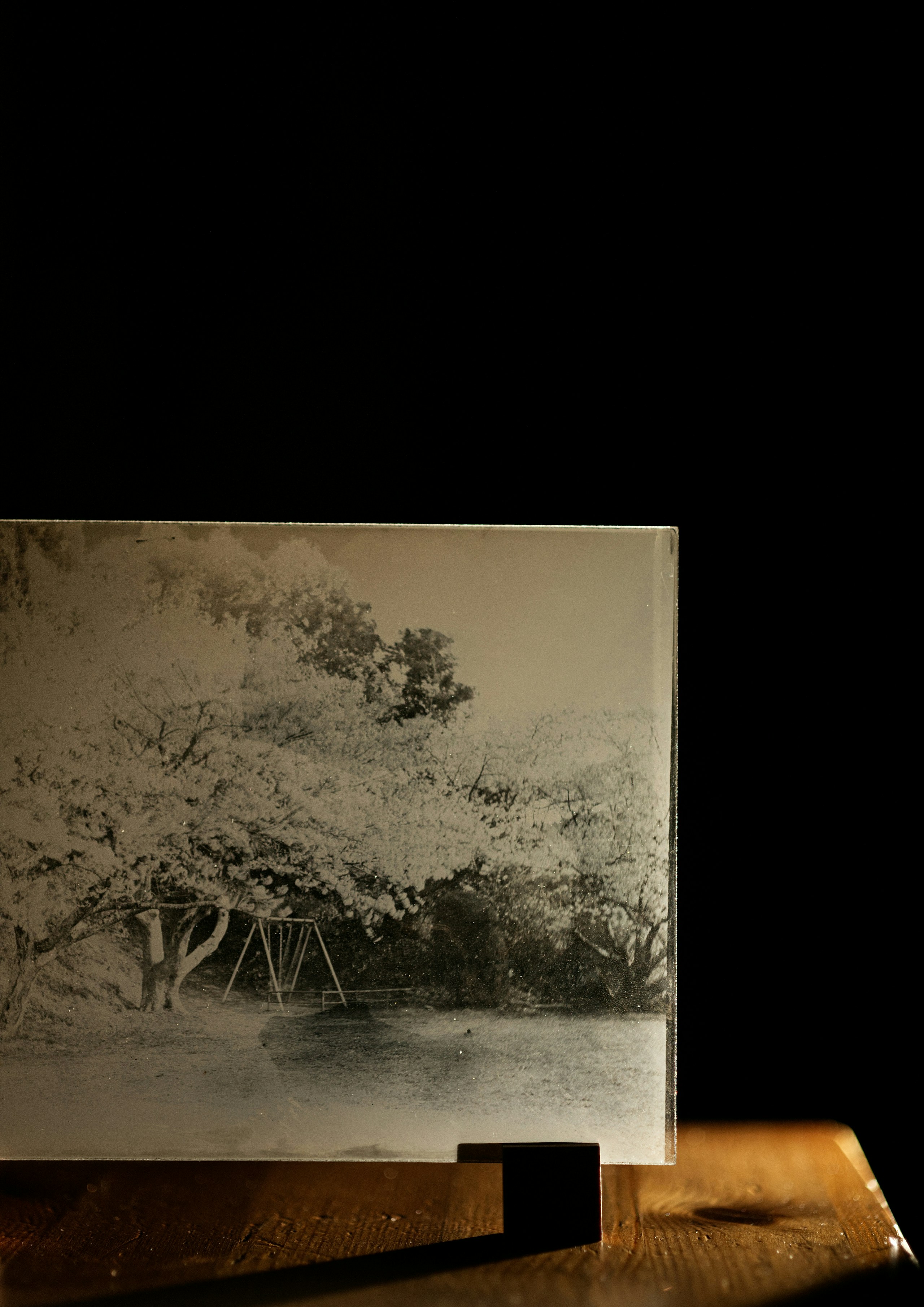
Photo by ヒロ
The image on the glass conveys the tangible depth of that moment
I began my journey with cameras long after digital photography had become mainstream, during the Kumamoto earthquake. My mother’s cherished Olympus resurfaced.
I was deeply moved by the fact that a machine over forty years old could be revived and used again with proper care. This inspired me to embark on a journey back through time, one step at a time.
From various cameras and films, I ventured even further back. Eventually, I arrived at a massive wooden camera and the substantial glass plate negatives from over a century ago.
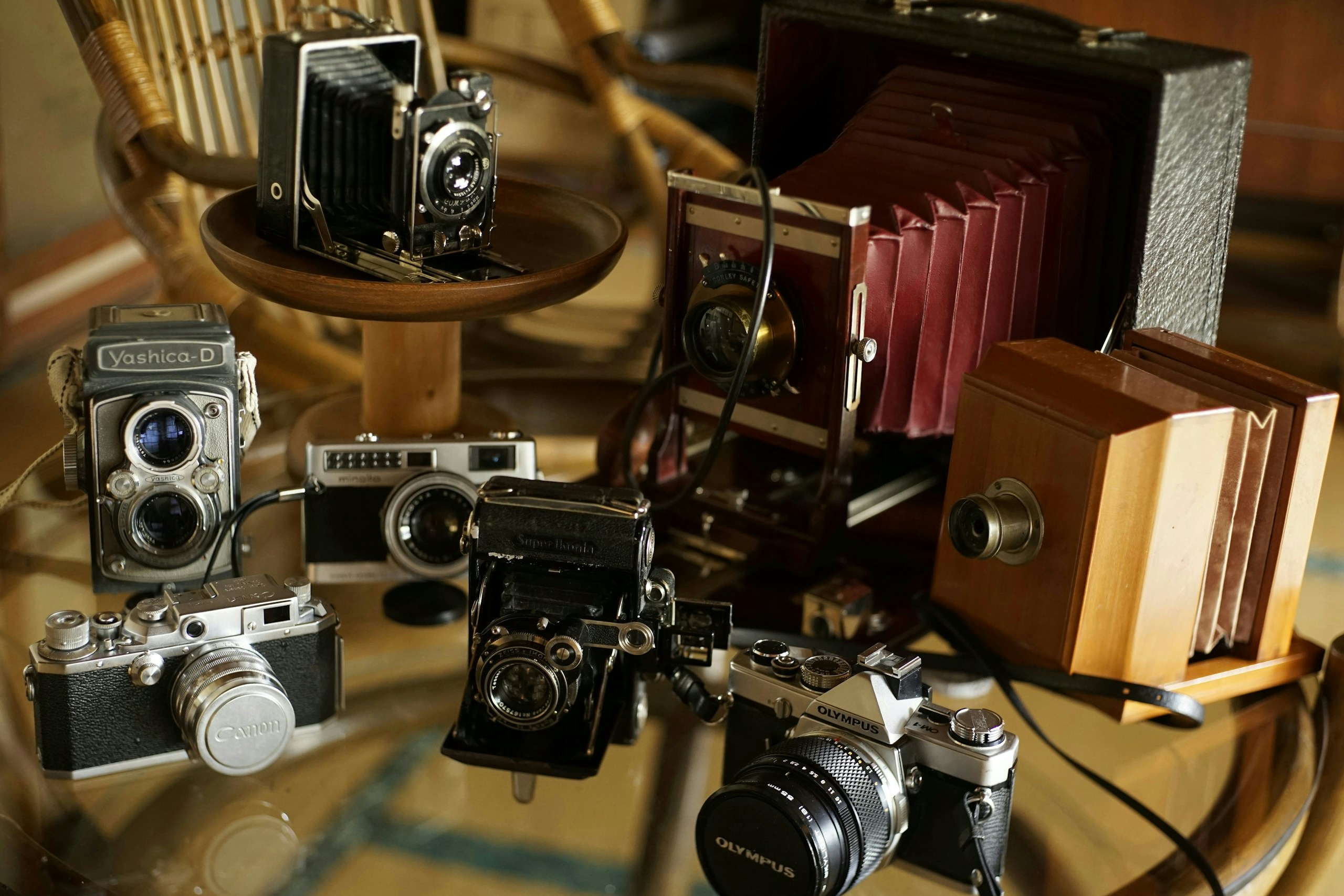
Photo by ヒロ
Today, thanks to advanced sensors and sophisticated RAW development, we live in an era where you can relentlessly pursue your ideal expression even after shooting.
I, too, appreciate the joy and value of experimenting with digital photography. Yet, it is precisely because of this that I find the 'constraints' imposed by glass plate photography to be irresistibly luxurious.
The process begins in darkness.
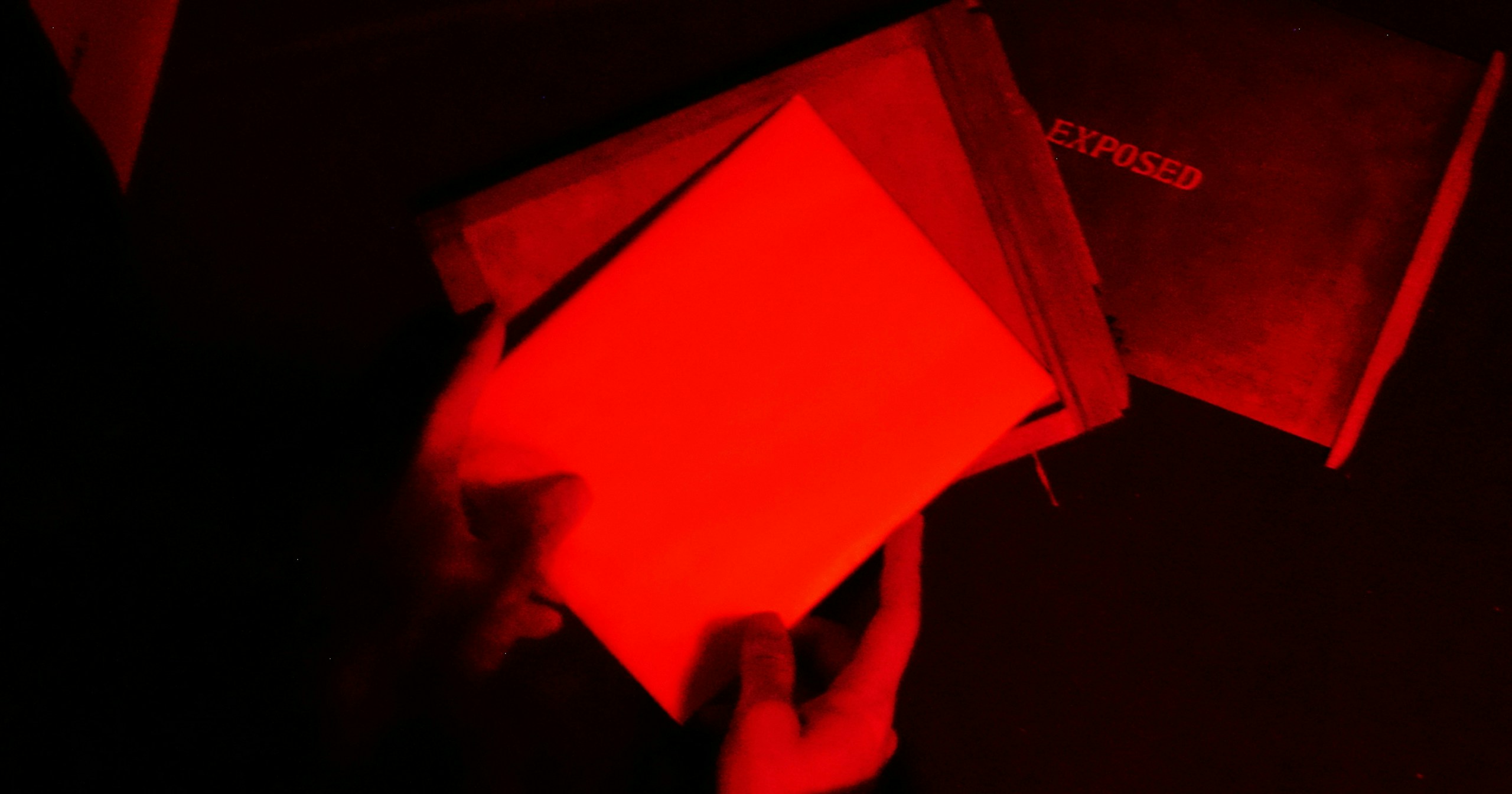
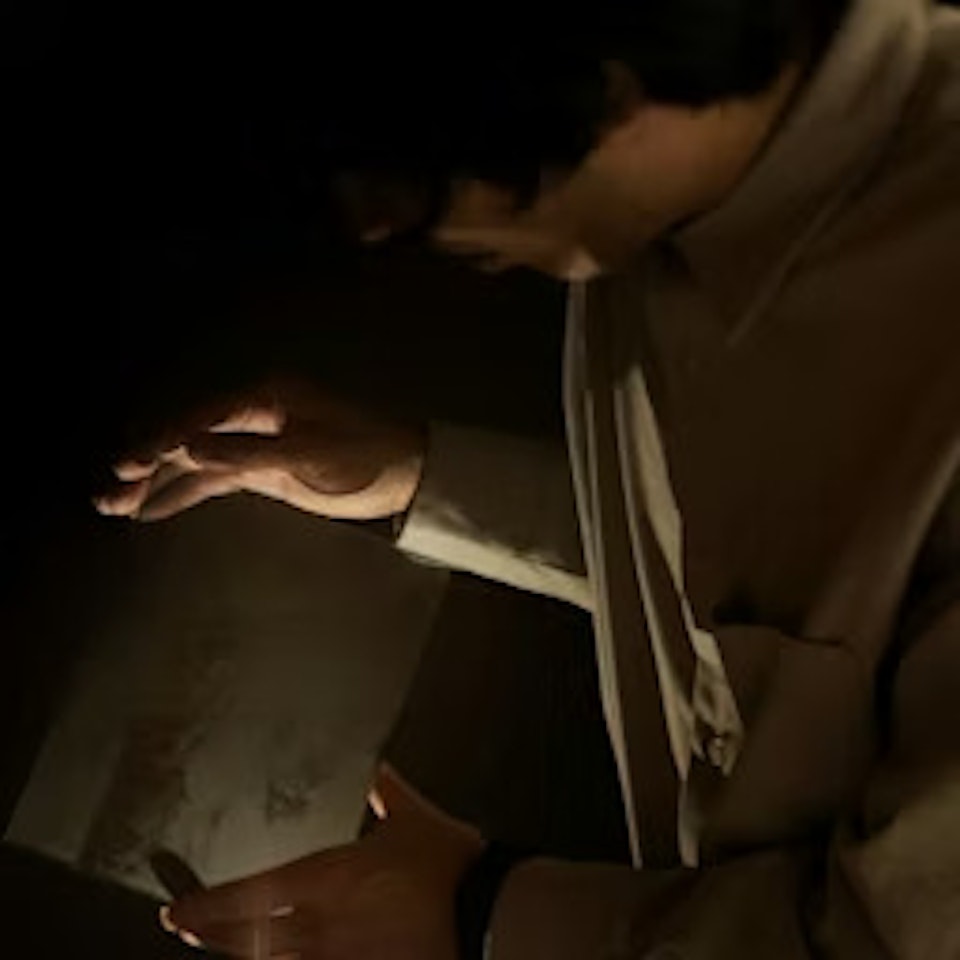
In a pitch-black room, relying on the faint glow of a safelight, I load an unexposed glass plate into the holder. At this moment, I find myself excitedly wondering, "What kind of light will I capture on this single plate?"
Holding a pristine, untouched glass plate, I spend a few minutes imagining the subjects I will encounter and the atmosphere I hope to capture—this ritual is irreplaceable for me.
Once on location, there is no turning back.
Setting up the massive equipment, reading the light with my own eyes, paying attention even to the movement of clouds, I focus all my senses. I dedicate thirty minutes, sometimes even an hour, just to release the shutter.
This tension of a single, unrepeatable shot makes me feel the world more vividly.
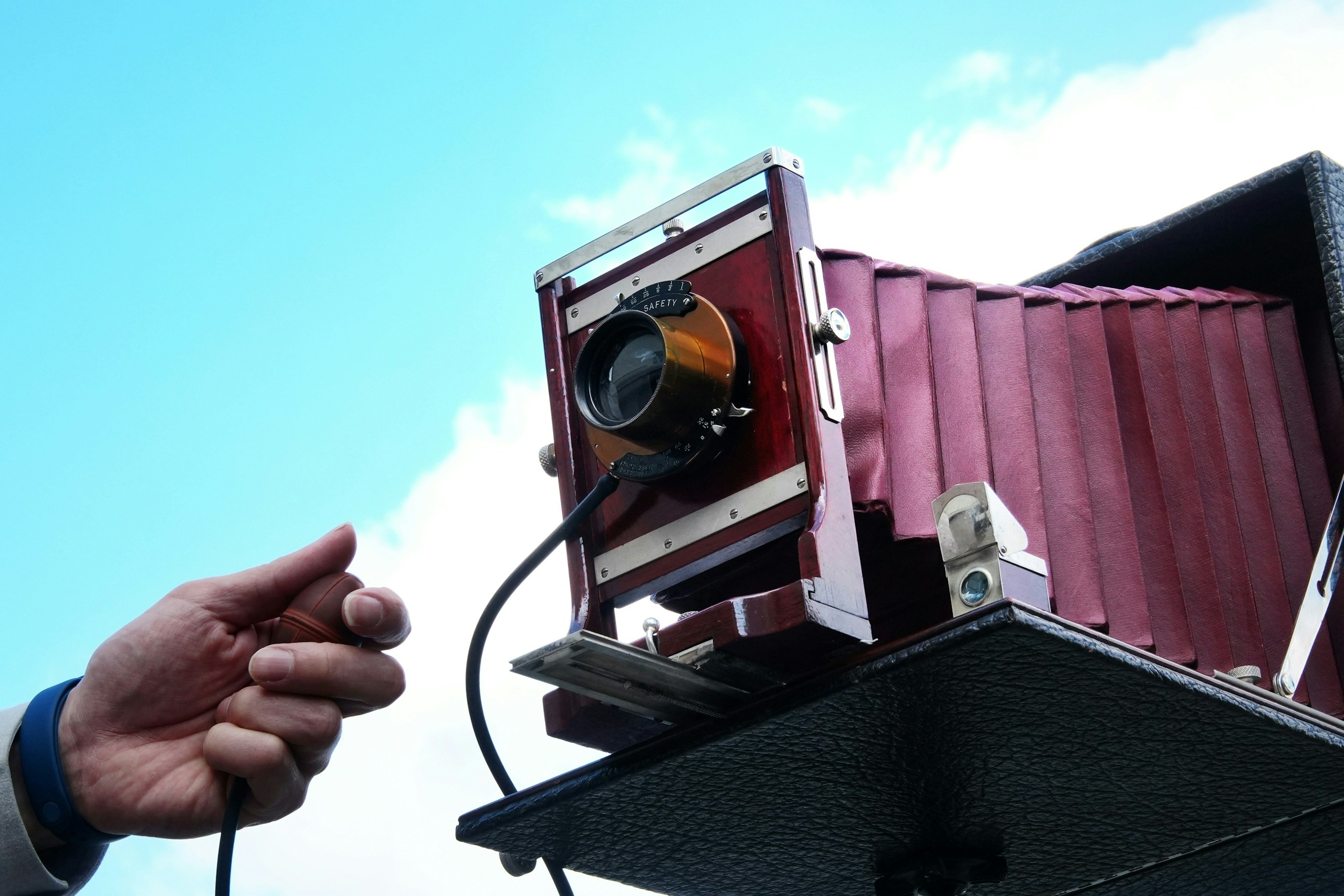
Photo by ヒロ
The time spent returning to the darkroom after shooting is also special.
Under the red light, as the glass is immersed in the developer, not only does the captured image emerge, but so too do the temperature and colors that should not have been recorded.
There are times when things do not go as planned, but even that ambiguity feels like proof that I was truly present "in that moment, in that place."
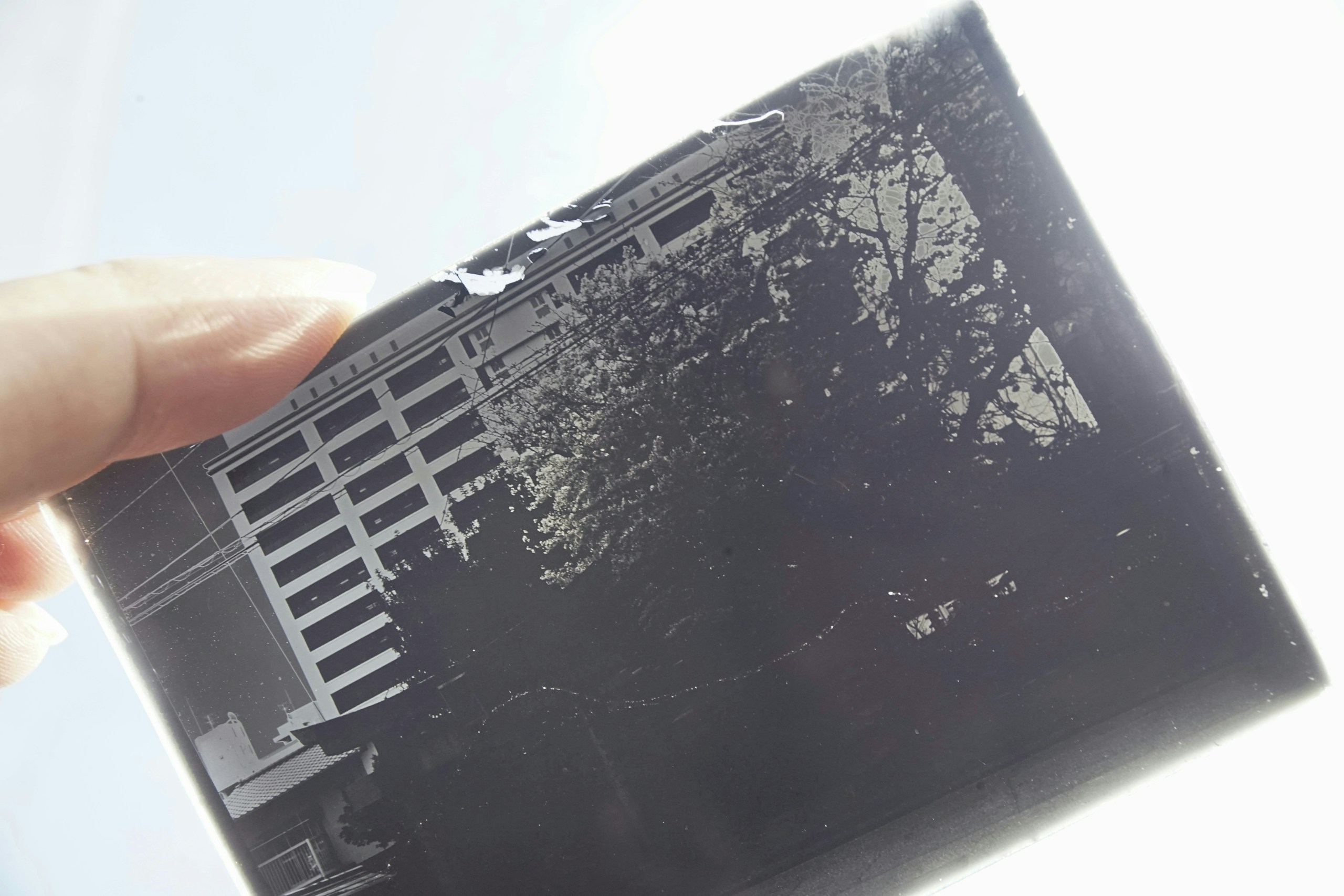
Photo by ヒロ
I photographed a shrine in the city, and mysterious patterns appeared, as if to express its enigma
What a camera from a hundred years ago teaches us is the richness of time spent engaging deeply with the world, beyond mere efficiency.
Letting go of convenience, feeling the weight of glass at your fingertips, and fixing light as a 'material'—would you like to join me in experiencing this luxurious and liberating constraint?
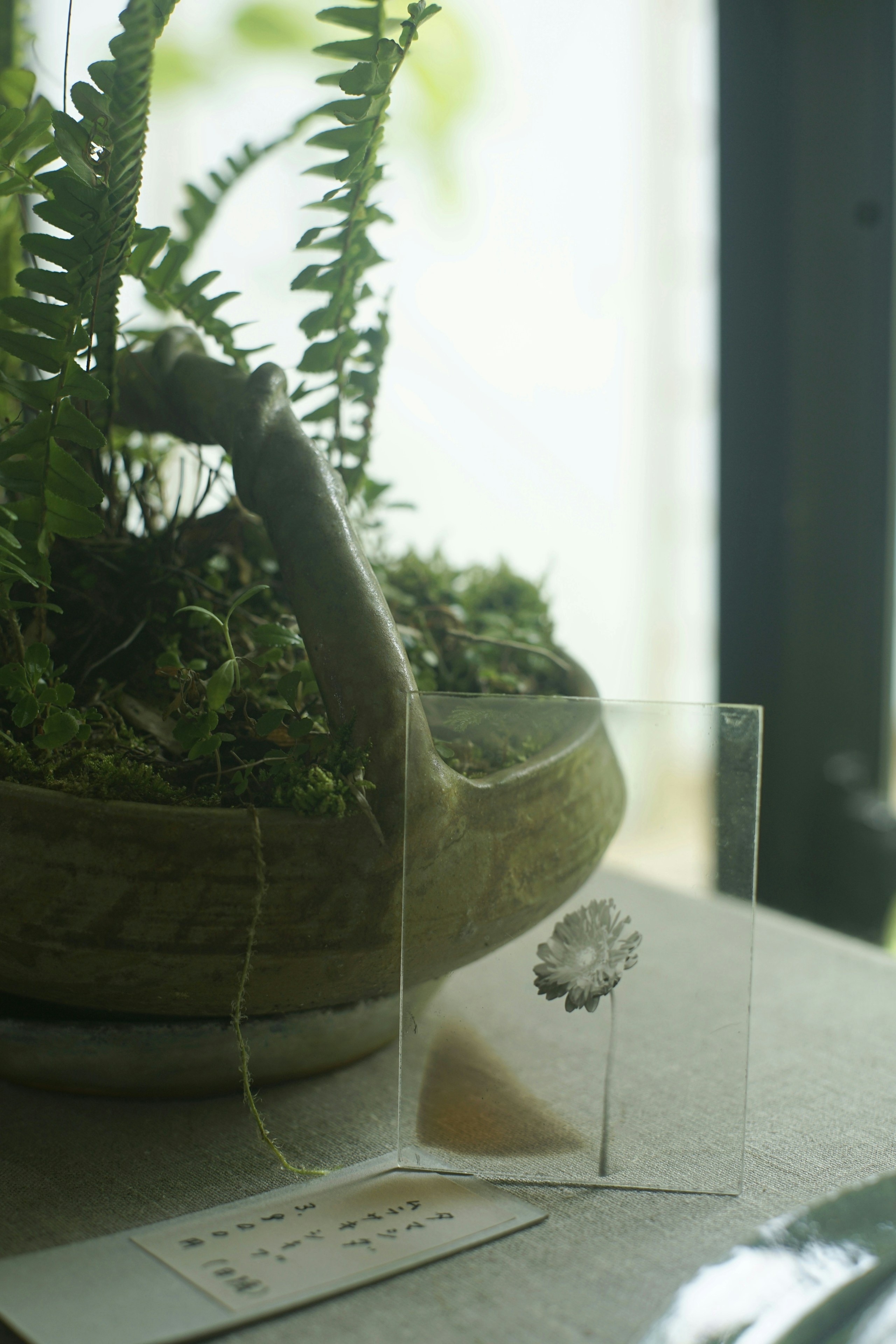
Photo by ヒロ
ヒロ
A photographer based in Fukuoka. Inspired to explore the origins of photography after receiving an OM-1 from his mother, Hiro now pursues the 'fixing of memory' by etching light onto glass plate negatives using antique cameras and historical techniques from over a century ago. He actively shares the allure of glass plate photography through his work across Fukuoka.
cizucu: ヒロ
Instagram: @hiro_kanpan