MAGAZINE
MAGAZINE
MAGAZINE
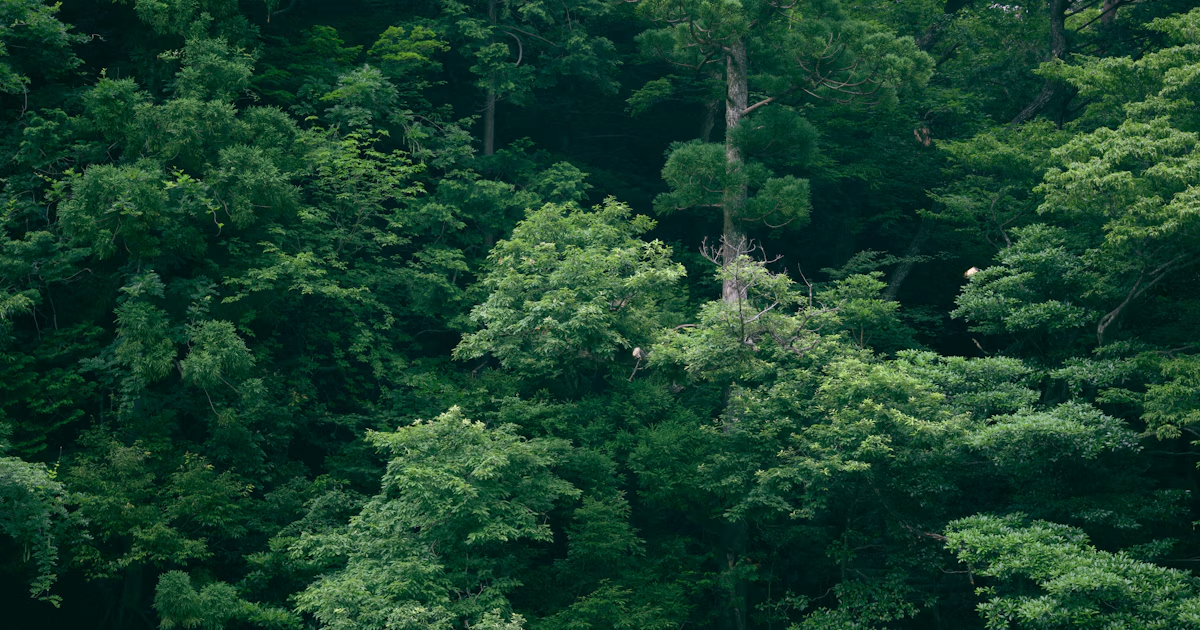
Cover photo by masa
※ cizucu-certified writer masa contributed this magazine.
Many people are drawn to interchangeable lens cameras because they admire the beautiful bokeh in photos. I was one of them—10 years ago, I bought my first DSLR to capture images with stunning bokeh.
Bokeh is indeed captivating. It highlights the subject in focus while adding an aesthetic charm to the blurred background. However, bokeh is just one method of expression. Photos without bokeh can be equally beautiful.
This time, let's explore the appeal of photography by stopping down the aperture to achieve higher F-numbers.
Increasing the F-number deepens the depth of field, meaning a wider range of the image will be in focus. This eliminates the need for precise focus adjustments.
When the entire frame is in focus, it's called pan-focus. For example, with a lens equivalent to a 28mm focal length on a full-frame camera, stopping down to F11 can achieve a nearly pan-focus setting.
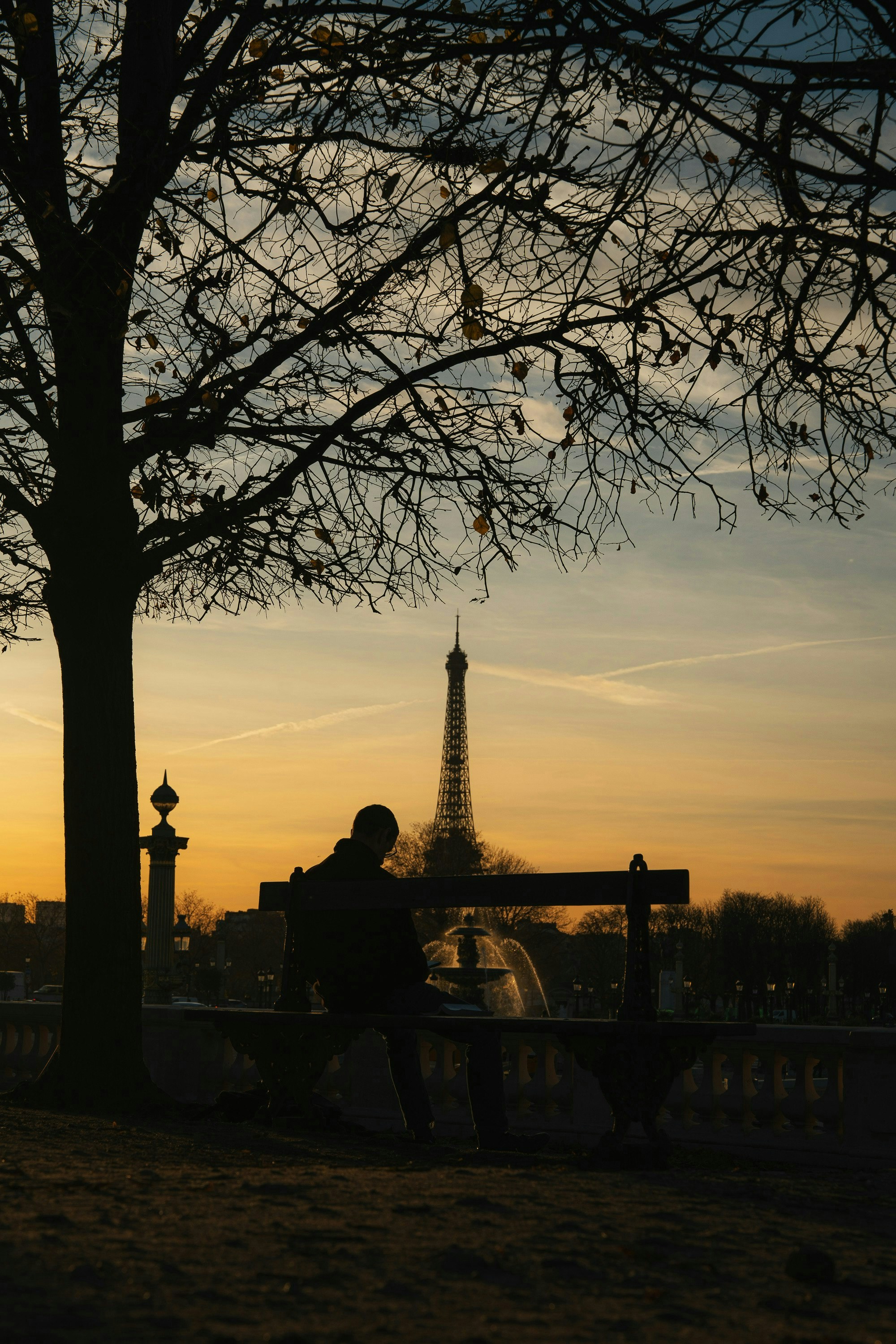
Photo by Ryuji Azuma
Once set to pan-focus, you can quickly capture what you see without worrying about focus adjustments. When you want to prioritize shutter timing and take dynamic snapshots, setting a high aperture value reduces the hassle of focusing, allowing you to concentrate on composition.
Every lens has an optimal setting where its image quality peaks. For most lenses, stopping down the aperture improves image quality, producing sharper and clearer photos compared to shooting wide open.
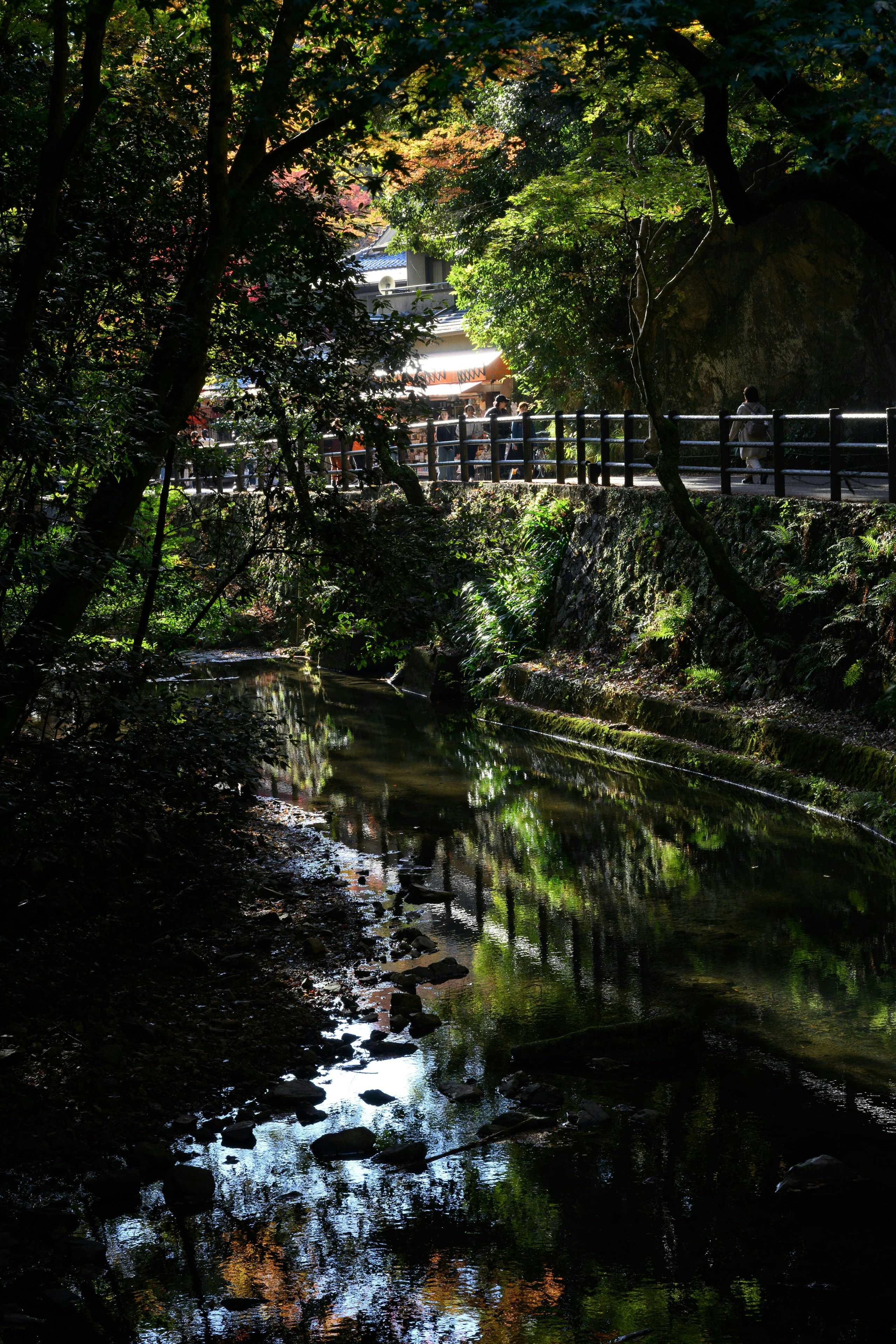
Photo by masa
Stopping down can also reduce vignetting and improve edge-to-edge sharpness. Understanding these characteristics helps you make the most of your equipment. Knowing the F-number at which your lens performs best allows you to choose the right settings for different situations.
When capturing motion, such as flowing water or moving people, using a slow shutter speed can leave a trail of motion in your photos.
However, slowing the shutter speed increases the amount of light entering the camera. To compensate, you need to set the ISO to its lowest value and, depending on the ambient light, further reduce the EV value.
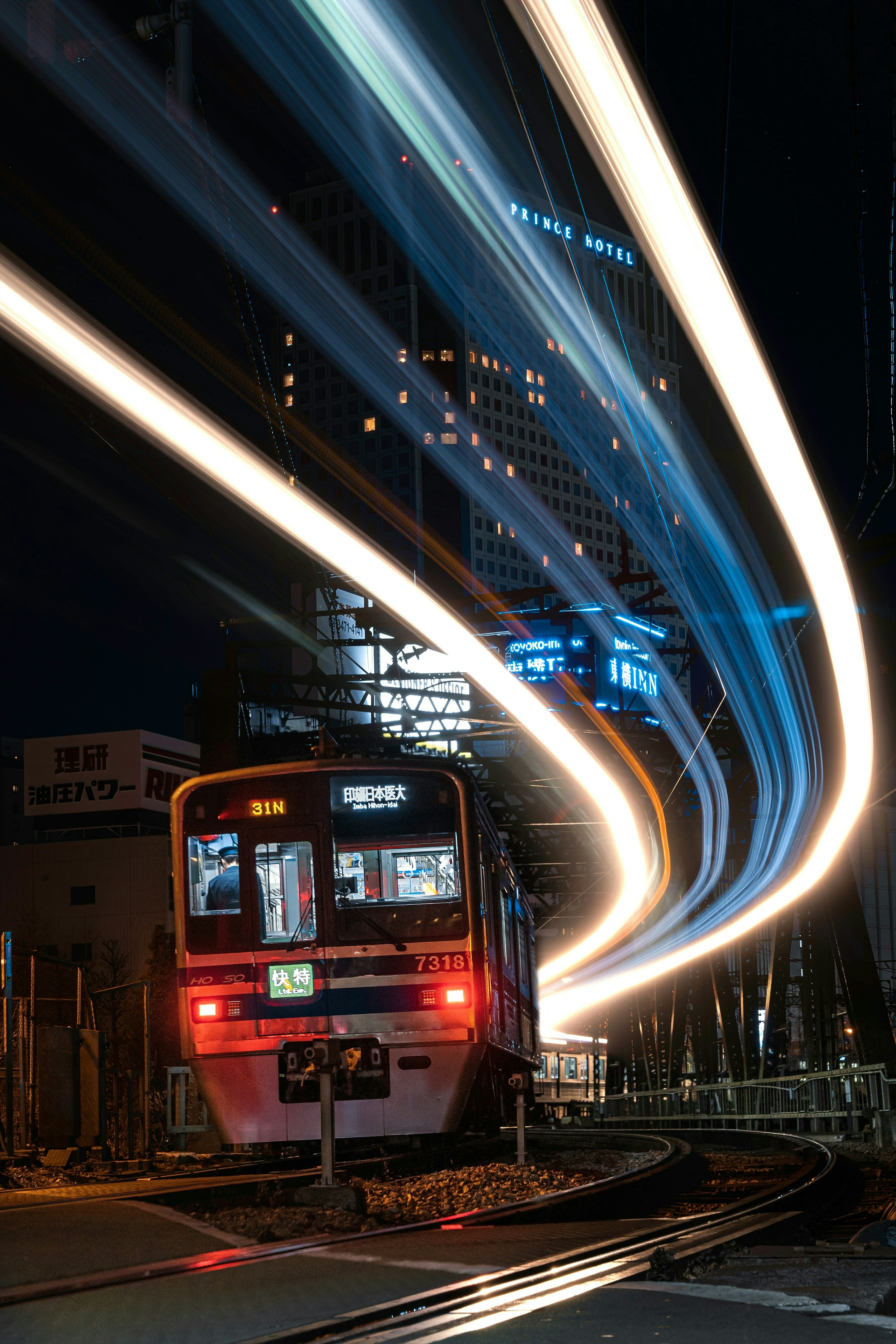
Photo by Yuya
The simplest way to reduce light is by increasing the aperture value. By stopping down and limiting the light entering the camera, you can achieve proper exposure while enjoying slow shutter photography.
While bokeh is a highlight of wide-open apertures, light rays are a feature to enjoy when stopping down. Light rays are streaks of light that radiate outward from the edges of the aperture blades. Incorporating these rays into your photos can create sharp and clean impressions.
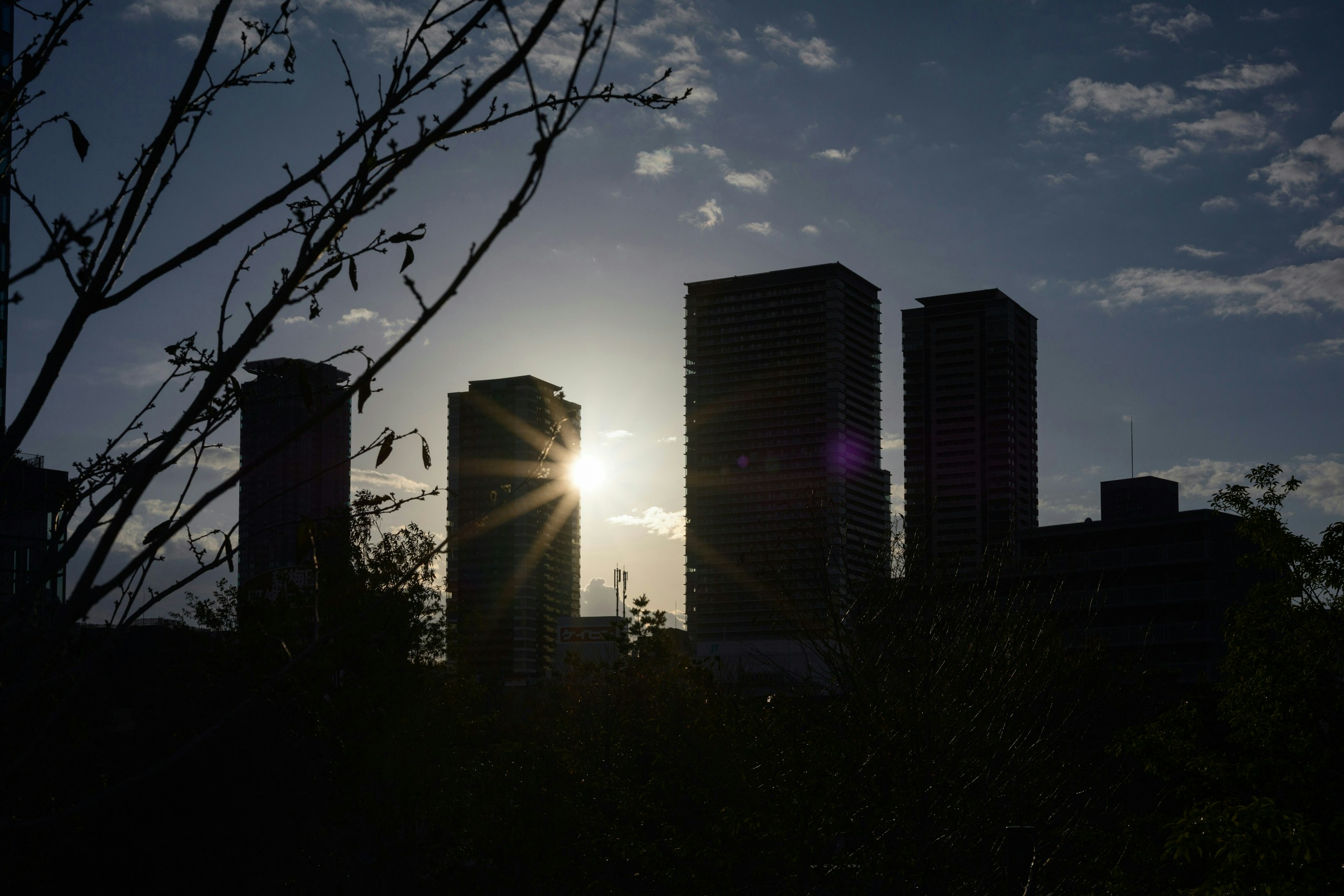
Photo by masa
There’s no right or wrong answer when it comes to choosing between bokeh and light rays for light sources like the sun or streetlights. Experiment with different aperture values to find your preferred expression.


