MAGAZINE
MAGAZINE
MAGAZINE
MAGAZINE
By cizucu ·
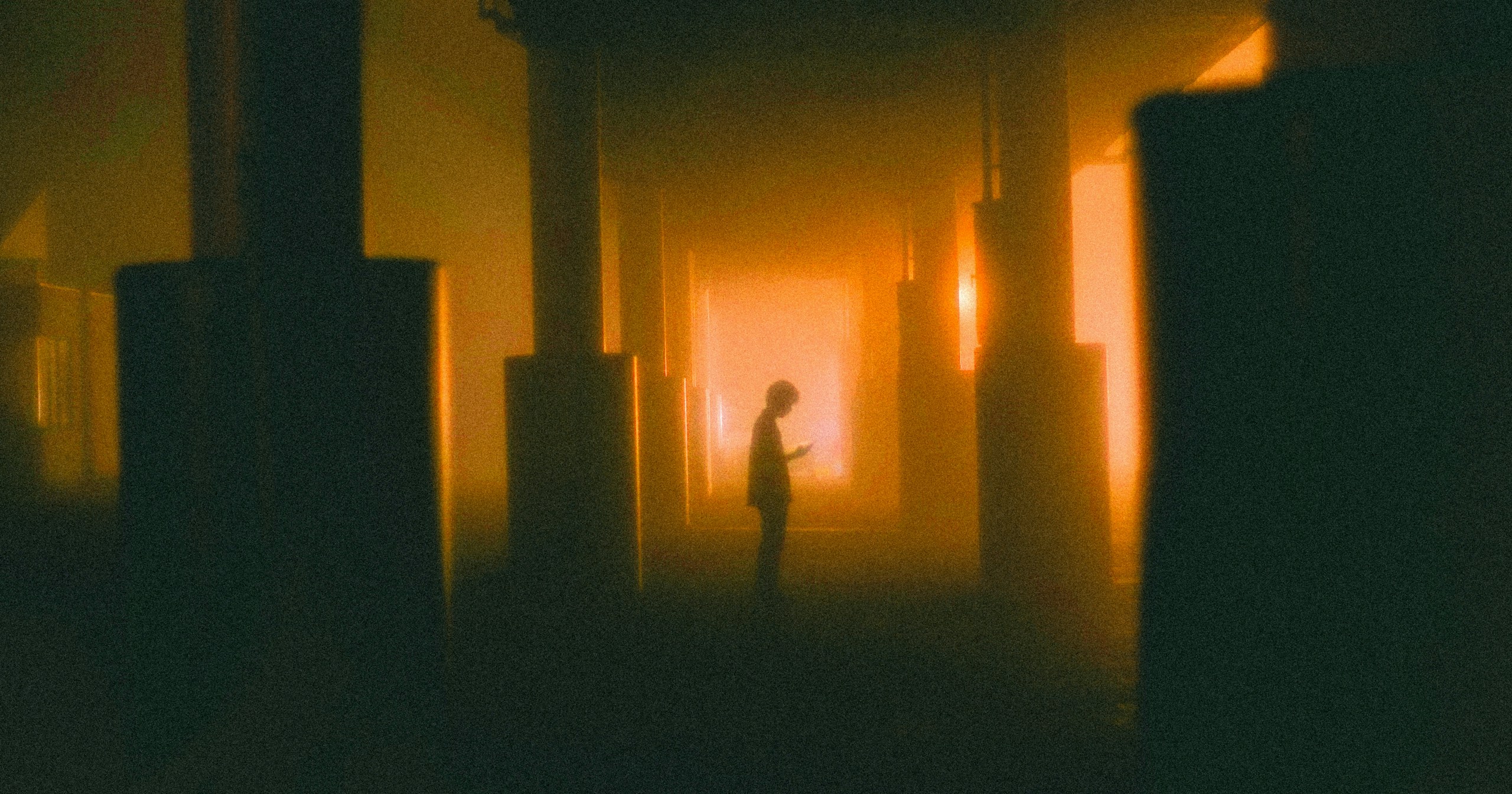
Cover photo by KOHAKU
Self-portraiture may bring to mind a photograph taken face-on, with a carefully composed expression and pose. Yet photographing oneself is not solely about constructing an image for others to see.
Time spent standing by a window, one’s hands during a sleepless night, or light falling across a room can quietly preserve the emotions of that day and the rhythm of everyday life. Here, we explore ways of recording the contours of the self as though keeping a diary.
A self-portrait need not be limited to documenting one’s face. It can also preserve a sense of one’s presence and the emotions particular to that day through fragments of the body or objects in one’s surroundings: a shoulder reflected in a mirror, a hand resting on a chair, a pair of discarded shoes, or a silhouette behind a curtain. Even without directly revealing an expression, an artwork can remain imbued with the time experienced by the person who made it.
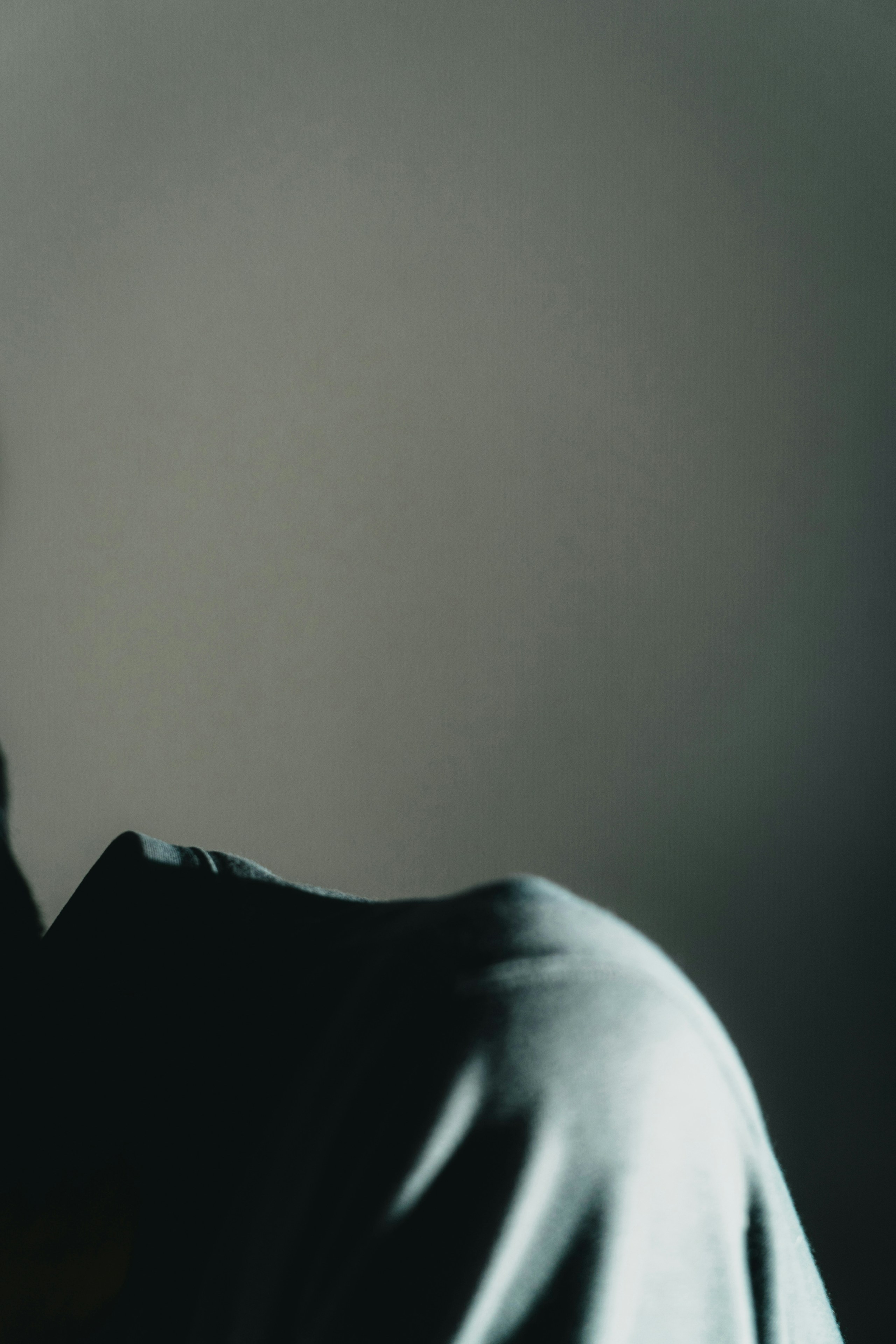
Photo by daphoto
What matters is not so much performing a polished version of yourself as attending to the circumstances surrounding the act of photographing. Is it the cool light of morning or the long shadows of evening? Are you in a quiet room or somewhere sounds drift in from outside? A single frame capable of recalling even the sounds and temperature beyond its visible bounds can endure as a vivid record of everyday life.
When photographing yourself, trying to settle on a pose can easily make the body feel rigid. At such moments, introduce an action rather than a pose: tie your hair, open a window, adjust a sleeve, or sit on the floor and close a book. By placing the camera somewhere between the beginning and end of a gesture, you can step away from the impulse to manufacture an expression.
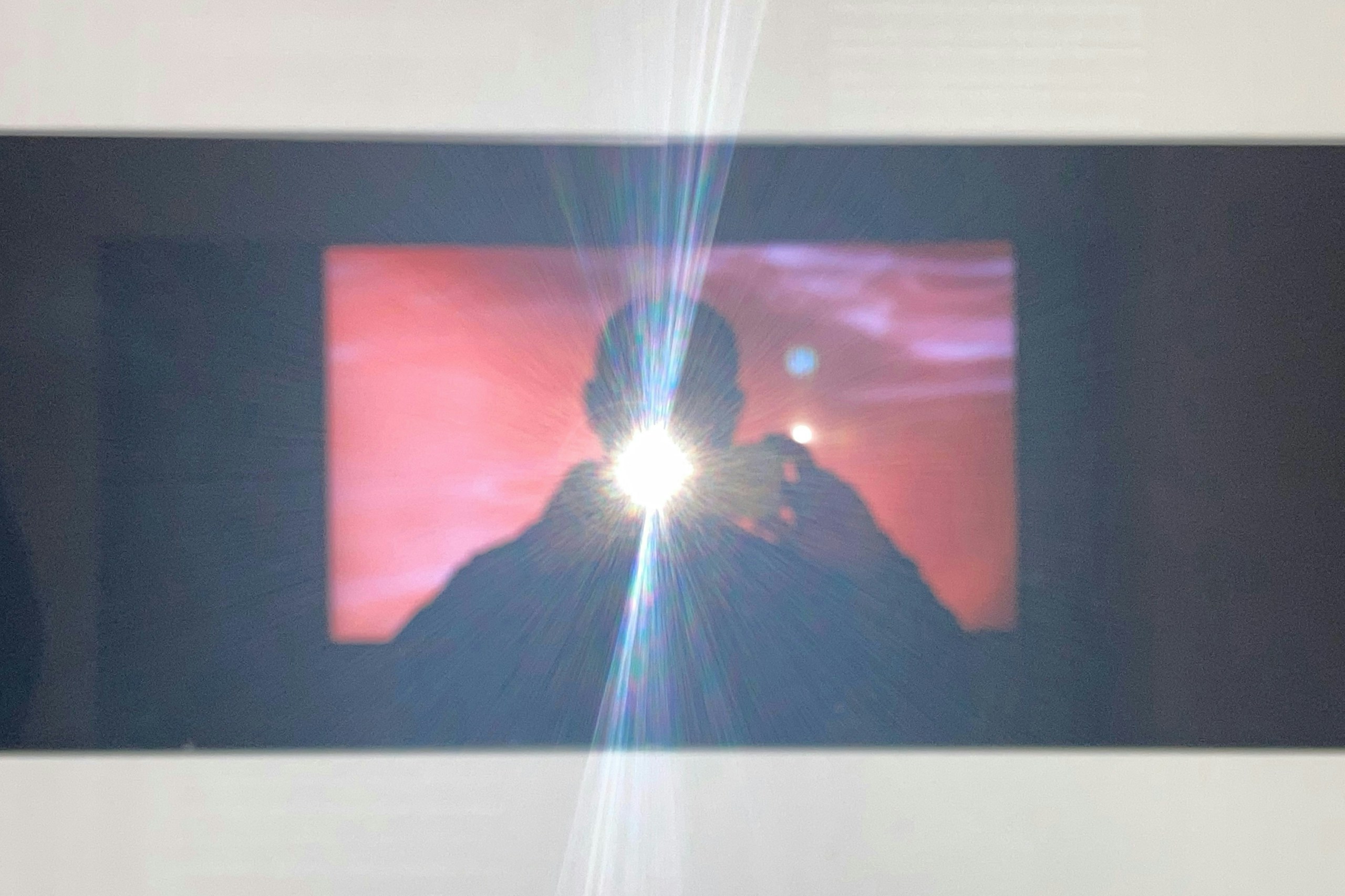
Photo by yNAK
Even when including your face, you need not look continuously into the camera. Turning your gaze away, facing the light, or allowing part of your face to recede into shadow creates a sense of distance within the composition. Consider whether you want to capture “a stylish image” or “how you feel right now”; the answer can help reveal the setting and posture most suited to the work.
Before photographing, try putting just one thing into words: the color of today’s light, the air against your skin, the sounds in the room, or the weight of your emotions. Rather than illustrating that phrase literally, look for a quality of light or sense of distance that comes close to it, and place that within the frame.
Another approach is to photograph in the same place while changing only the time: morning and night, clear and overcast days, days when you feel lighthearted and days when your spirits sink. Variations between similar compositions may reveal changes you had overlooked. The next time you turn the camera toward yourself, rather than concentrating on rendering your face beautifully, choose one trace of today—the light that remains with you, a gesture, or the suggestion of a sound—and entrust its contours to a single frame.


