MAGAZINE
MAGAZINE
MAGAZINE
MAGAZINE
By cizucu ·
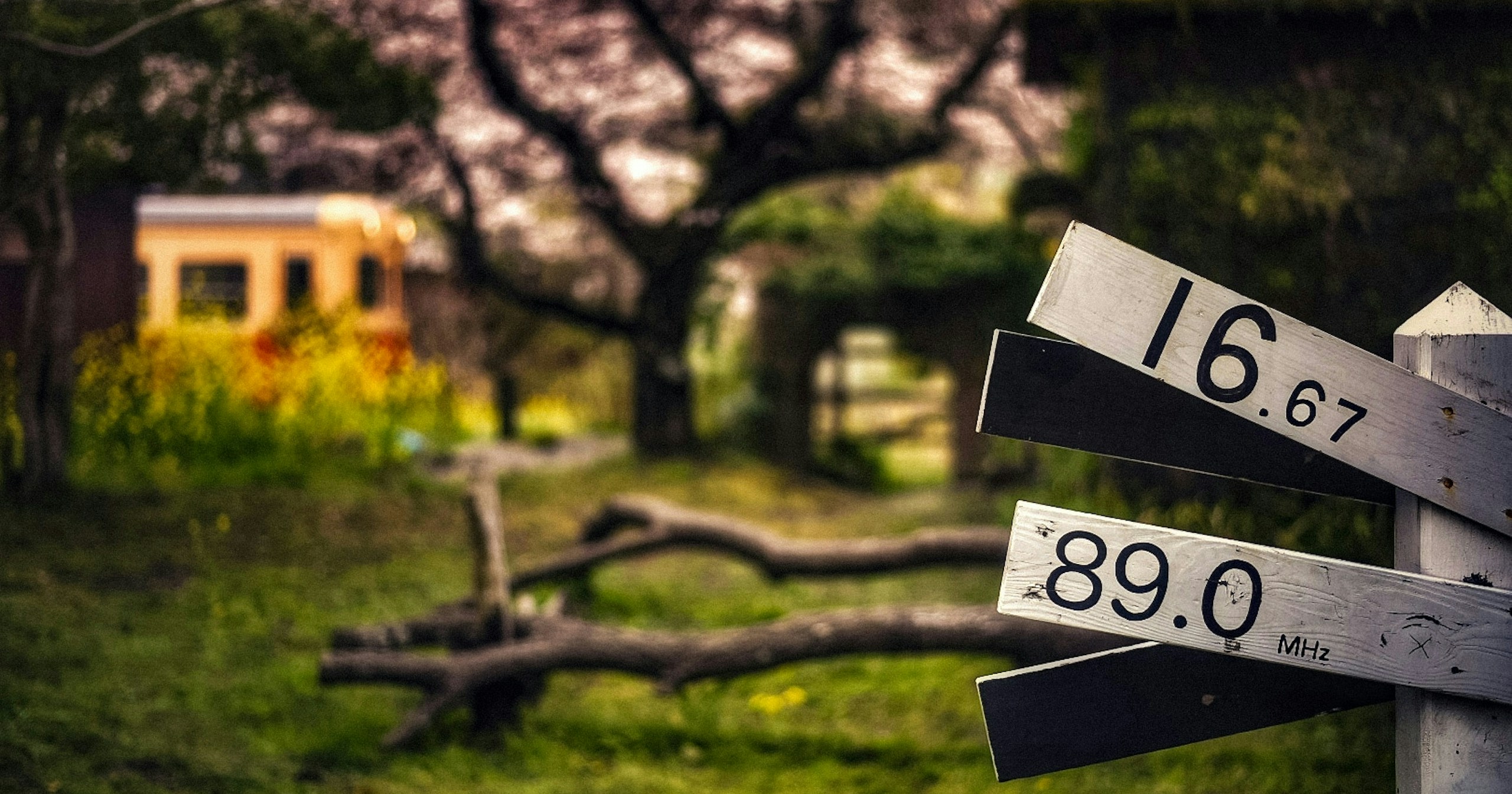
Cover photo by ⭐︎グッチー⭐︎
When you photograph the same place again and again, the direction of the light, the movement of people, and the signs of the changing seasons—details initially overlooked—gradually begin to take shape. A photographic series does not emerge solely from the chance capture of a single powerful work.
It develops through a process of revisiting similar compositions, documenting even the days when nothing goes as intended, and searching within those changes for a subject you want to continue exploring. The habit of continually reassessing your relationship with a place also cultivates your creative vision.
A series does not necessarily begin by defining an ambitious theme in advance. It can start by choosing a place you can return to repeatedly—a street corner, a windowsill, or the route to the station—and continuing to observe the subtle differences that unfold there. In the morning, low light accentuates the texture of a wall; on rainy days, reflections on the asphalt soften the outlines of passersby.
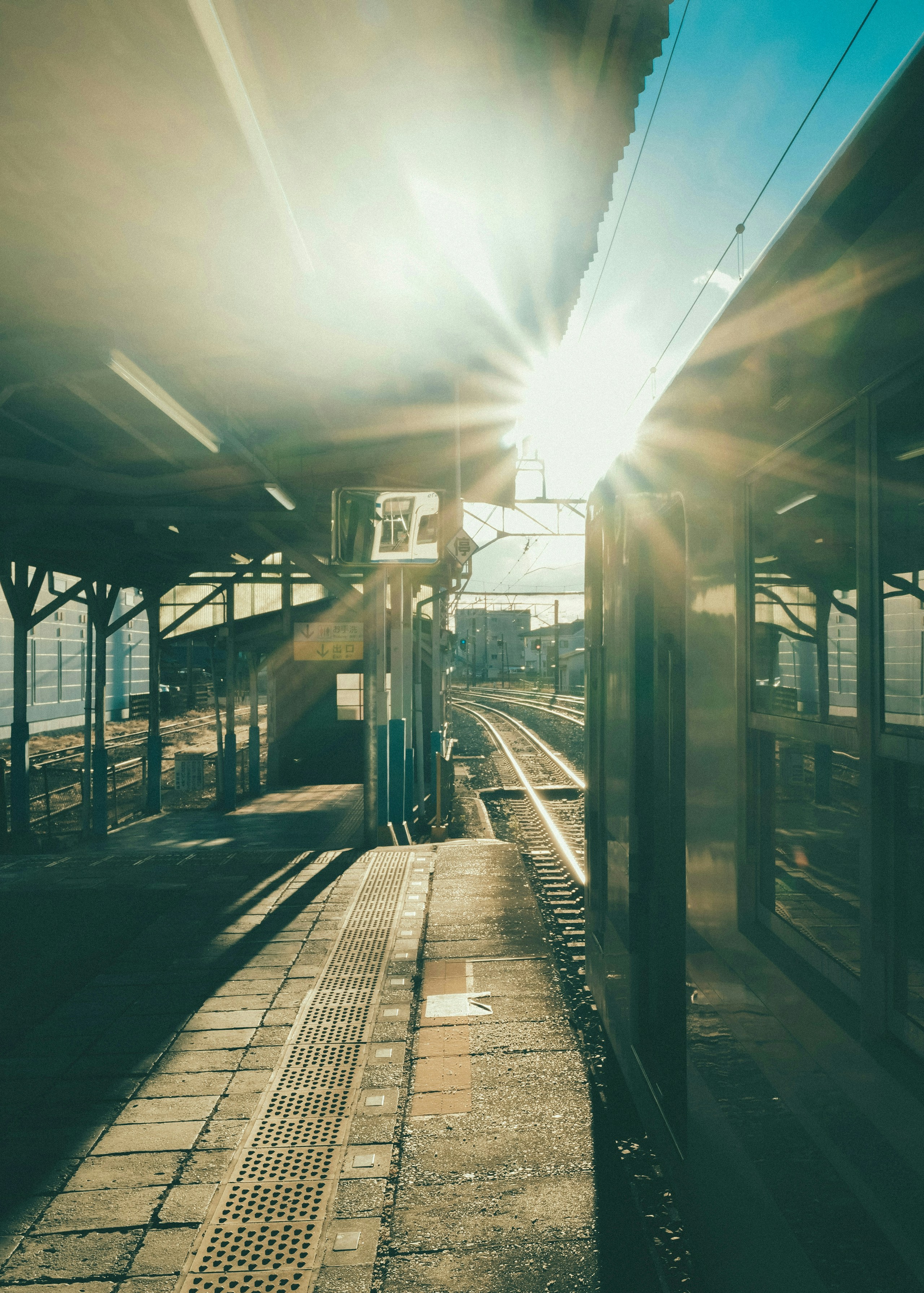
Photo by hhhiroooki
By repeating the same composition, you begin to distinguish what remains constant from what changes. The architecture may stay the same, yet the length of the shadows, the pace of pedestrians, and even the impression of sound differ each time. After each shoot, briefly noting why you chose to keep a particular work can later help you determine whether the true focus of your interest is the place, the passage of time, or the people who inhabit it.
When developing a series, photographs that did not turn out as intended can also provide valuable clues. The exposure may have been off, the subject may have drifted toward the edge of the frame, or the light may have been too harsh.
Rather than simply deleting these unsuccessful works, look back at what prompted you to release the shutter. Your habitual ways of seeing and deciding will begin to emerge. By sequencing not only the strongest representative works but also the photographs you felt uncertain about, the boundaries of your theme become easier to discern.
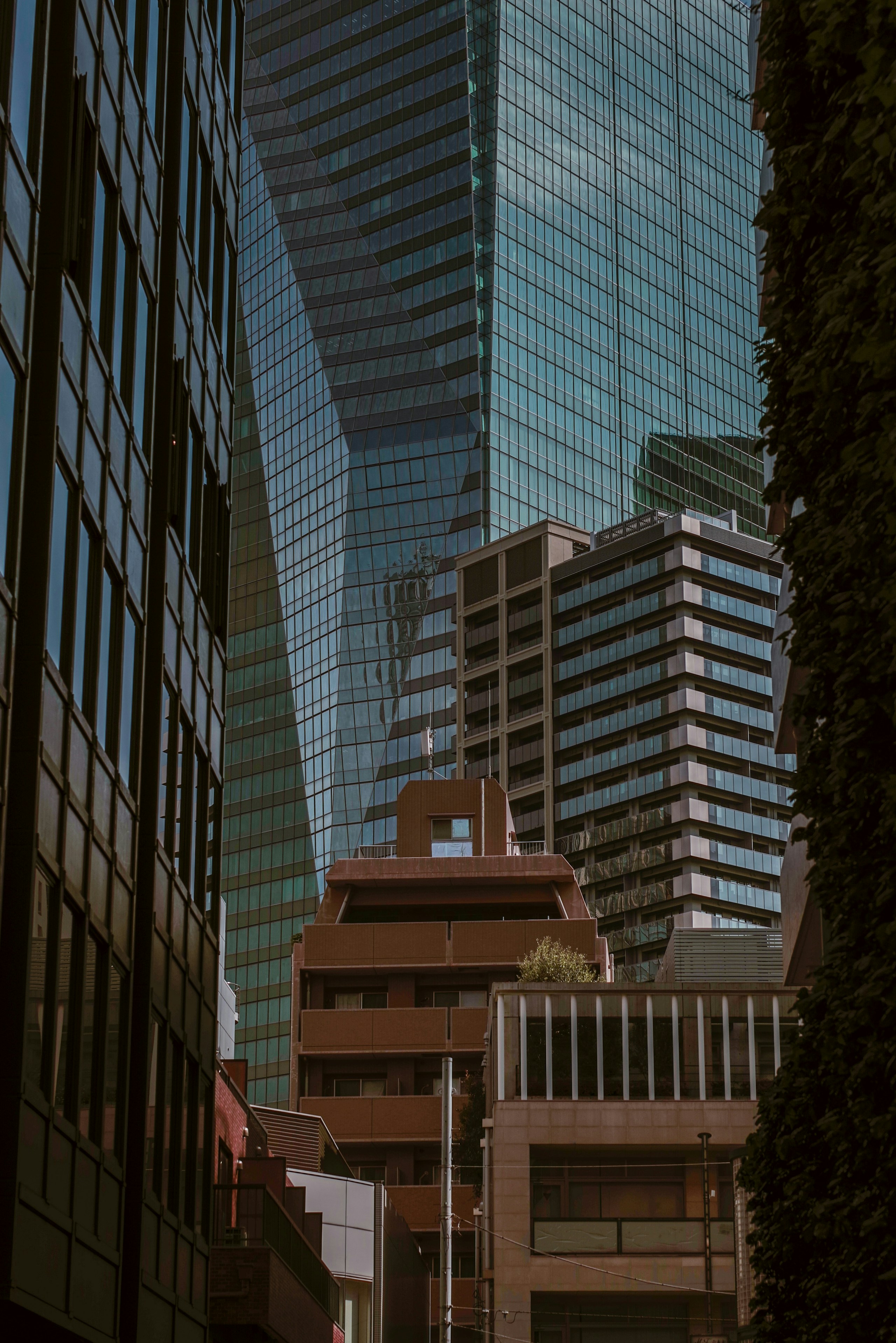
Photo by つばさ製作所
Equipment is both a means of shaping expression and part of the practical conditions that allow you to continue photographing. Will you use a wider field of view to preserve the relationship between the subject and its surroundings, or narrow your focal length to examine changes in detail?
Your choice should also account for weight, operational speed, and whether the equipment is practical to carry after dark. Prioritizing whether you can take it back to the same place repeatedly—rather than how expensive it is—makes it easier to sustain the continuity a series requires.
When sustaining a photographic practice, it is also important not to place too much pressure on yourself to make an entirely new work every time. Begin from the same position as before and look in the same direction, then shift your perspective only slightly.
Arrive a few minutes earlier, observe from the opposite sidewalk, or remember the sounds and smells around you. These small acts of repetition create layers of time that remain invisible within the frame.
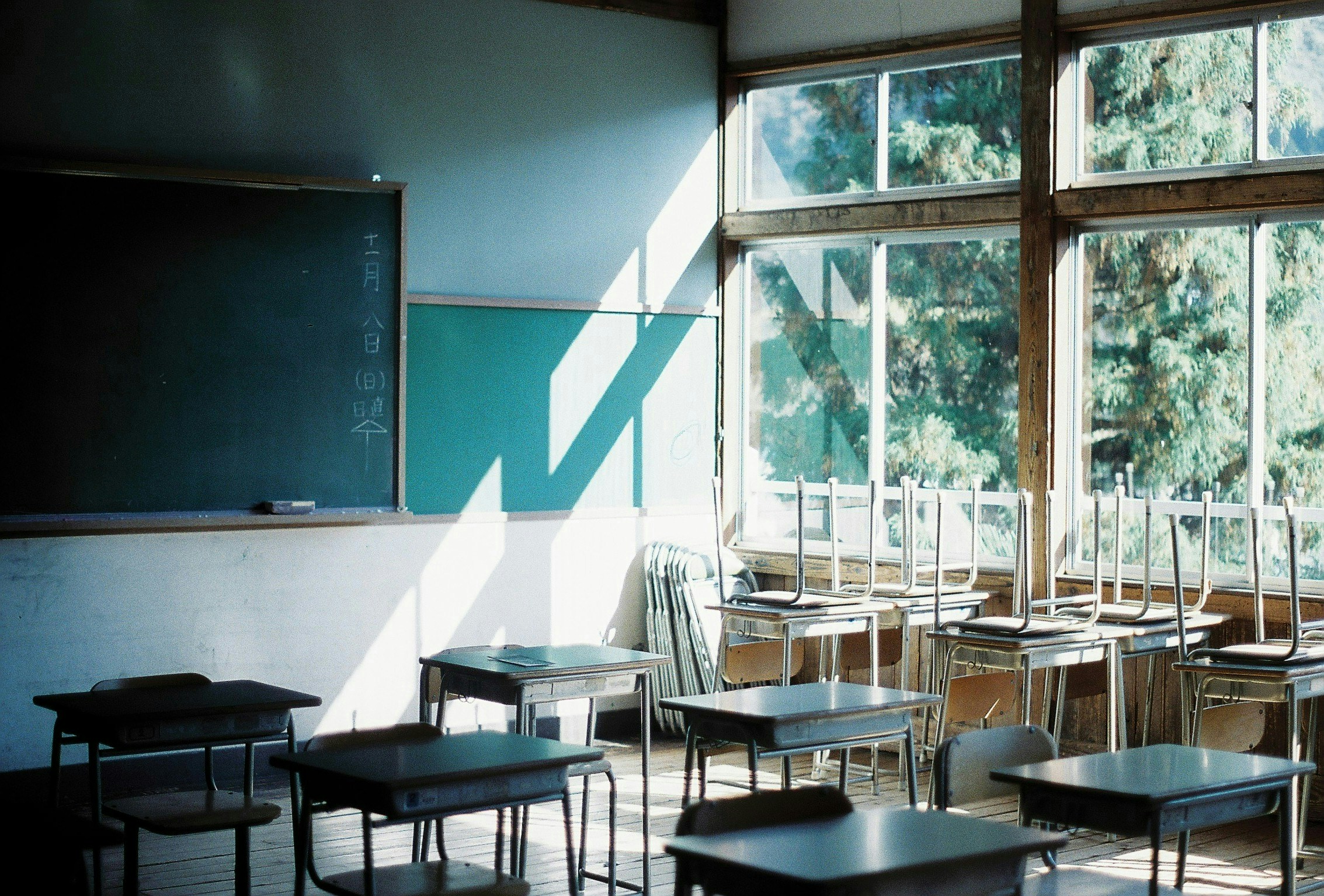
Photo by しずか
Arrange the photographs by date and place, then consider whether to retain similar works or deliberately exclude them. The aim is not simply to increase the number of photographs, but to determine what you perceive as change and what should remain at the core of the series.
Start by visiting a familiar place at the same time each day for one week and making just one photograph on every visit. When you review the works individually at the end, you may realize that it was not the place but your own way of seeing that had changed.


