MAGAZINE
MAGAZINE
MAGAZINE
MAGAZINE
By cizucu ·
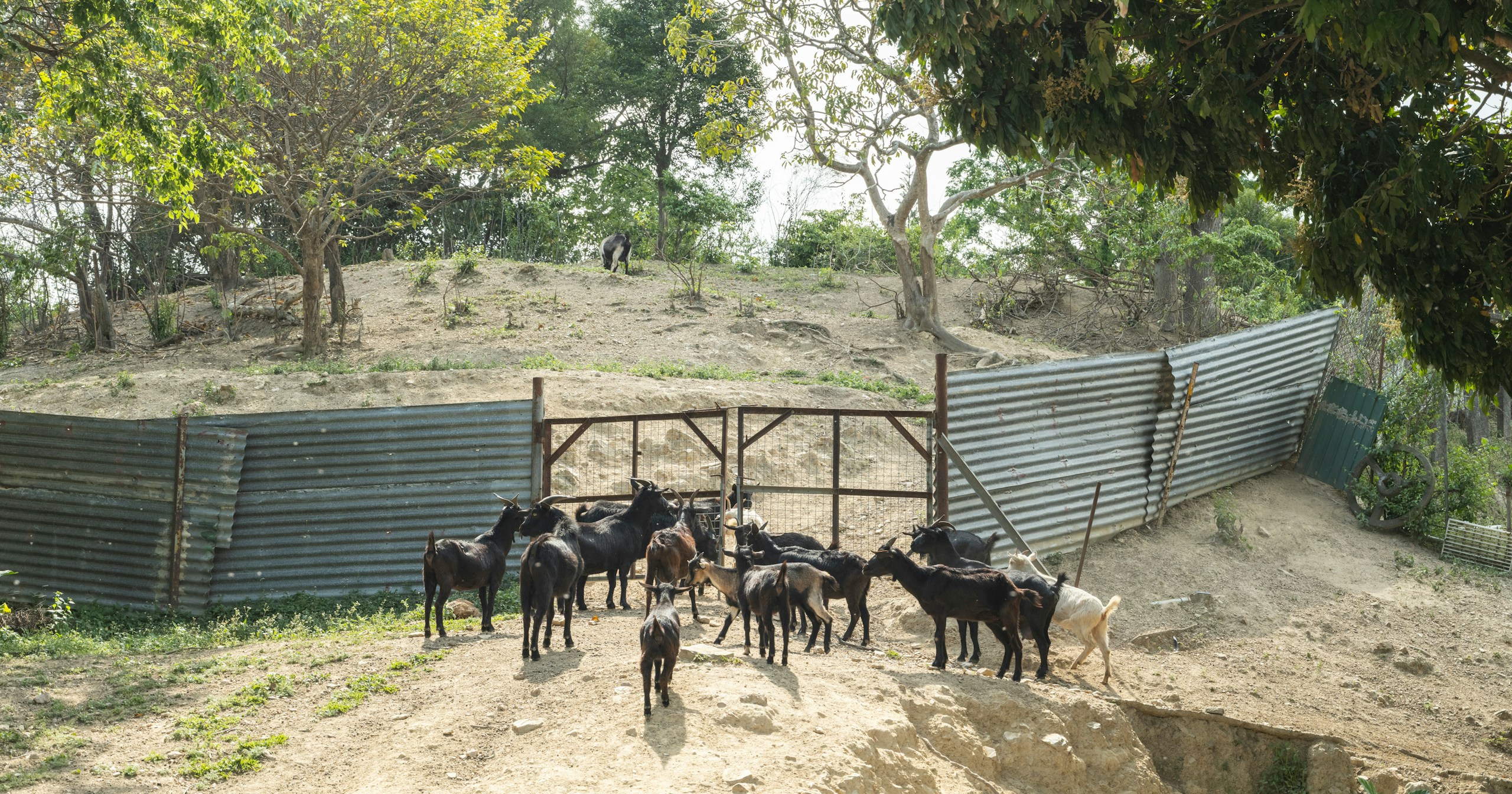
©︎ Chan Long Hei
Through interviews with individuals who pursue photographic expression through unique perspectives, we explore the origins of their creative practice, their philosophies, and their artistic processes, delivering new inspiration to photographers and photo media around the world.
In this issue, we speak with Hong Kong-based photojournalist and visual artist Chan Long Hei. Raised in Hong Kong and active across international media and personal projects, Chan’s work moves between witnessing, documenting, and preserving the subtle shifts of society. Through “10 Questions,” we explore how sincerity, memory, public discourse, and responsibility shape their photographic practice.
Photography, for Chan, is not only a means of representation. It is a first language, a visual diary, and a form of historical stewardship. From social policy studies to photojournalism, from documenting Hong Kong’s changing realities to confronting the fragile lives lost in bird-window collisions, their work asks how images can keep traces of the present alive for the future.
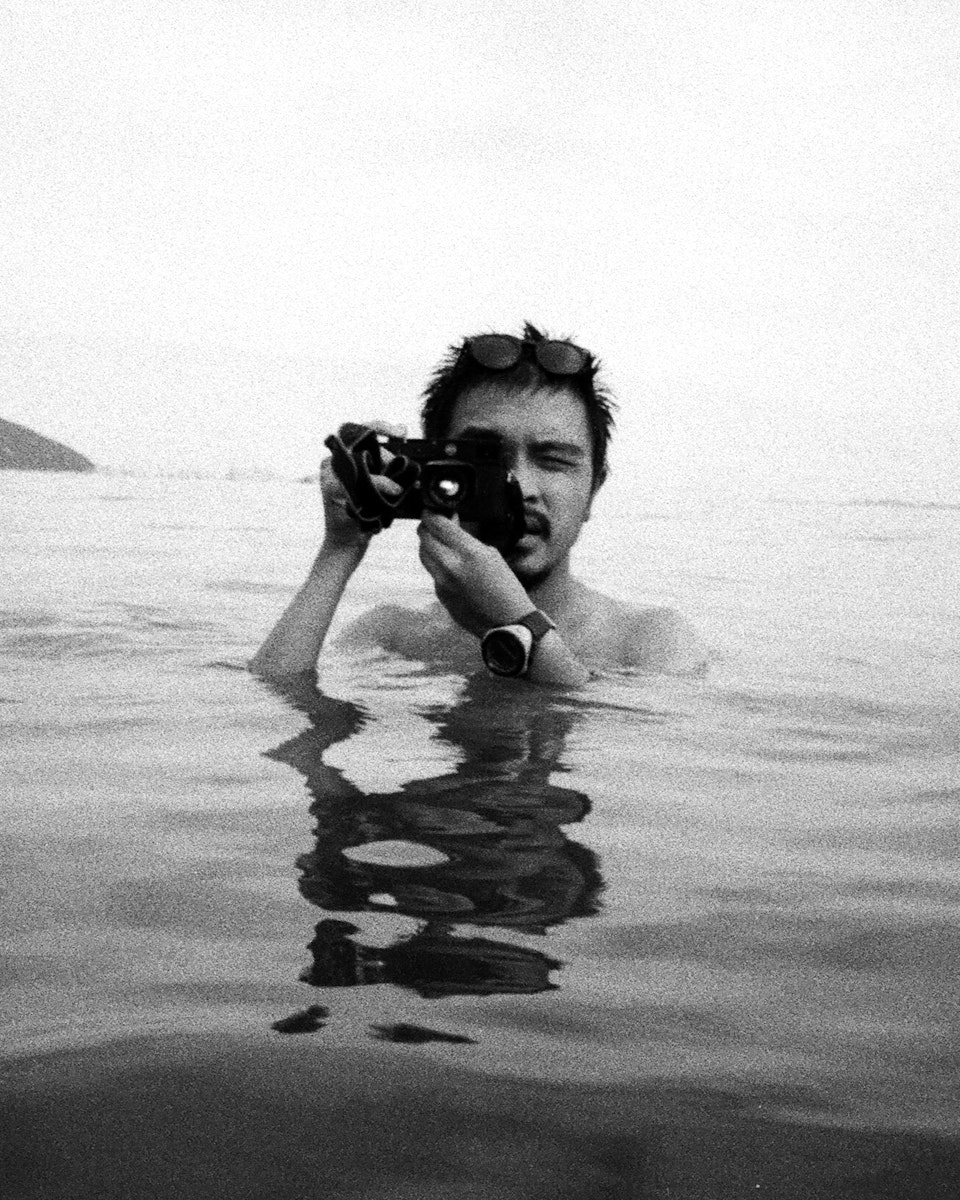
©︎ Chan Long Hei
Chan Long Hei
Born in 1994, Chan is a photojournalist and visual artist raised and based in Hong Kong. Following their university studies in Social Policy, they began working as a photojournalist with international media outlets including the Associated Press, The Guardian, and Bloomberg News. Since 2017, Chan has published photo books including “Hong Kong is beautiful, isn't it?” (2019), “The Unspeakable” (2020), and “After Island” (2021). They now devote their time to documenting social phenomena and developing personal photography projects.
Instagram : @clhfoto
My journey began during my university years, where my interest in social policy naturally connected with my passion for photography. Later, I had the opportunity to become a photojournalist, driven by the hope that photography could become a soft yet powerful medium for documenting society.
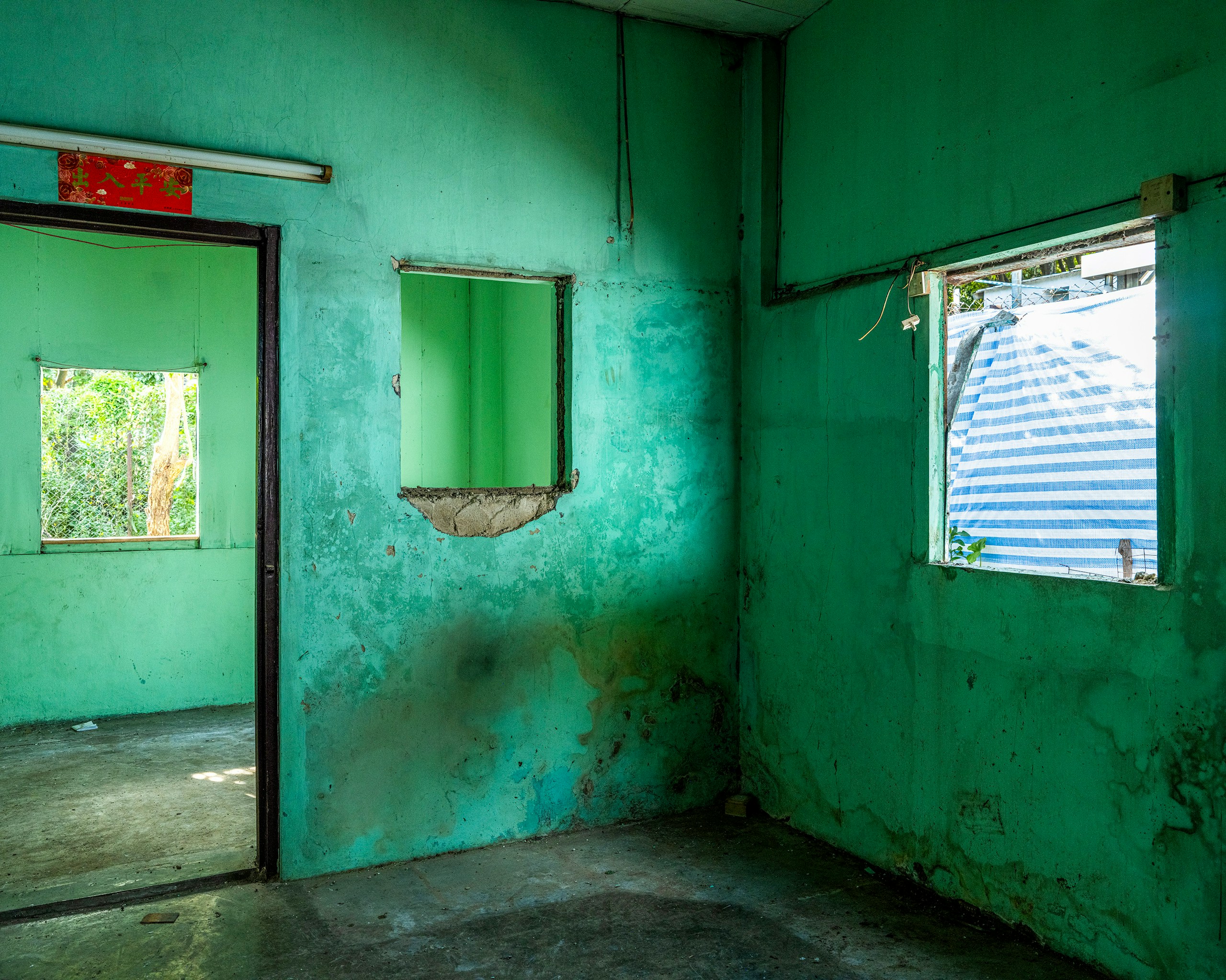
©︎ Chan Long Hei
Today, I continue to work as a photojournalist for international wire agencies. Outside of that work, much of my time is dedicated to personal photography projects, which allow me to dive more deeply into the narratives that matter to me at different stages of life.
My work begins with personal experience while also connecting to society and public discourse. For me, observing people and society is also a way of looking inward.
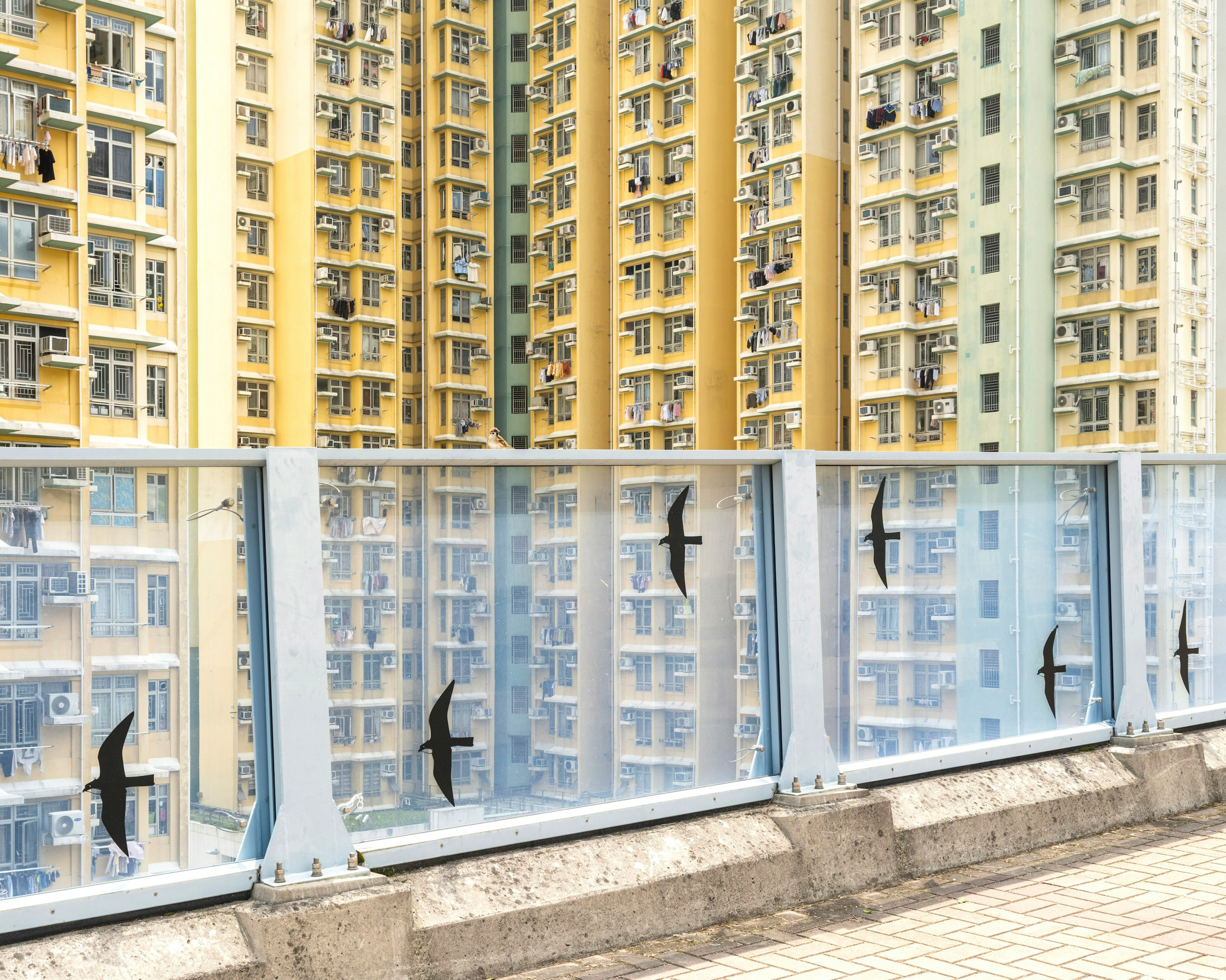
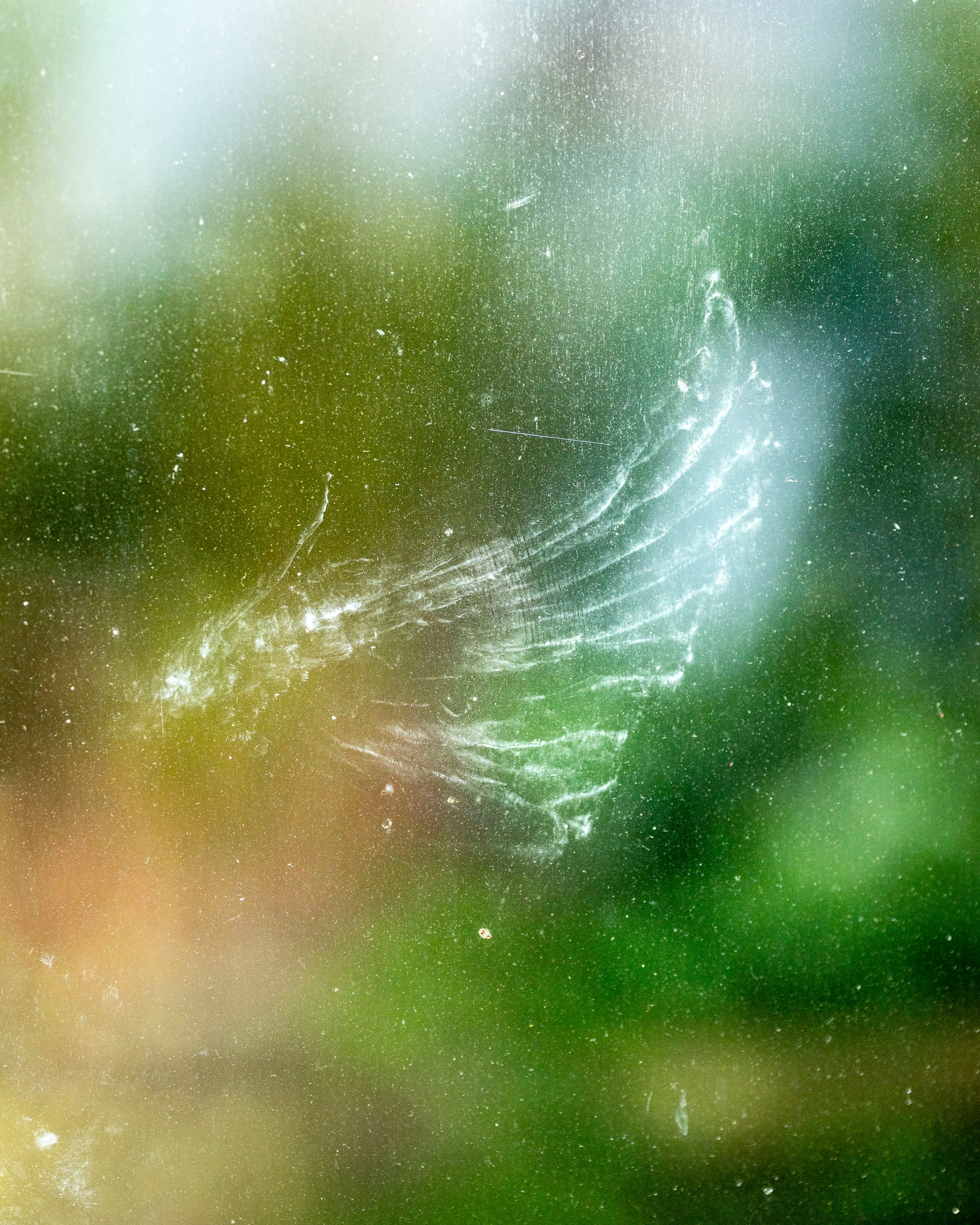
One recent project focuses on bird-window collisions in urban areas. After repeatedly seeing injured birds in daily life, I began to see this issue as something personal. The emotional weight of seeing such fragile lives cut short compelled me to respond through photography — not only to document an urban flaw, but to question our relationship with the shared environment.
©︎ Chan Long Hei
My training as a photojournalist taught me to react to whatever unfolds in front of me. But in personal projects, I make plans through research, fieldwork, and interviews. Still, the most memorable moments often happen outside the plan.
©︎ Chan Long Hei
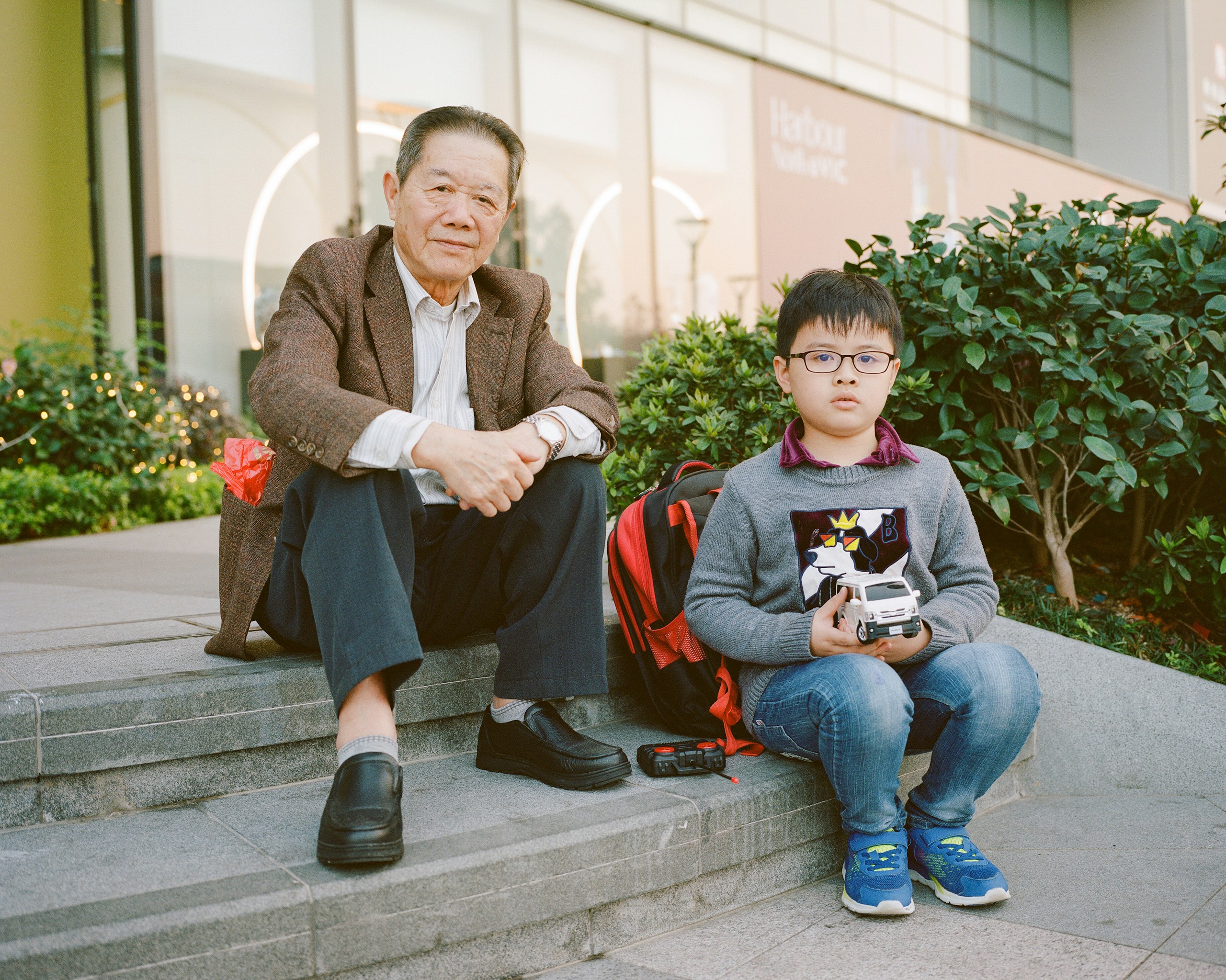
Unexpected encounters with people and organisations along the way offer new perspectives and organically guide a project into its next phase. When the actual moment of shooting arrives, planning gives way to intuition. The camera becomes an extension of instinct. Sometimes, a whole journey even begins in reverse — sparked by a single accidental image or material that asks to be contemplated further.
I have never been particularly articulate with spoken or written words. Photography is like my first language. It is also a visual diary — a way to receive the world and express my thoughts, observations, and subtle discontents.
©︎ Chan Long Hei
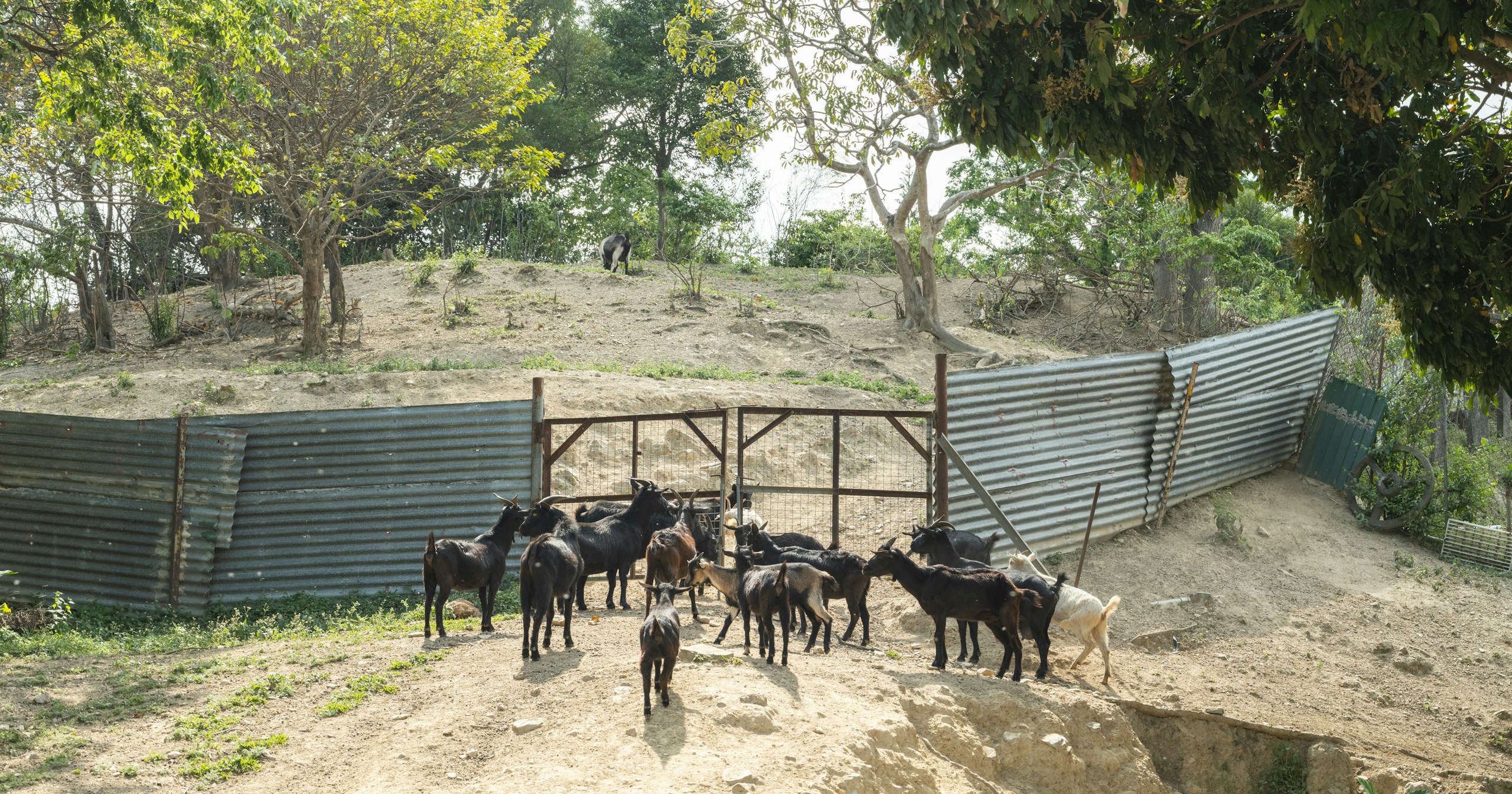
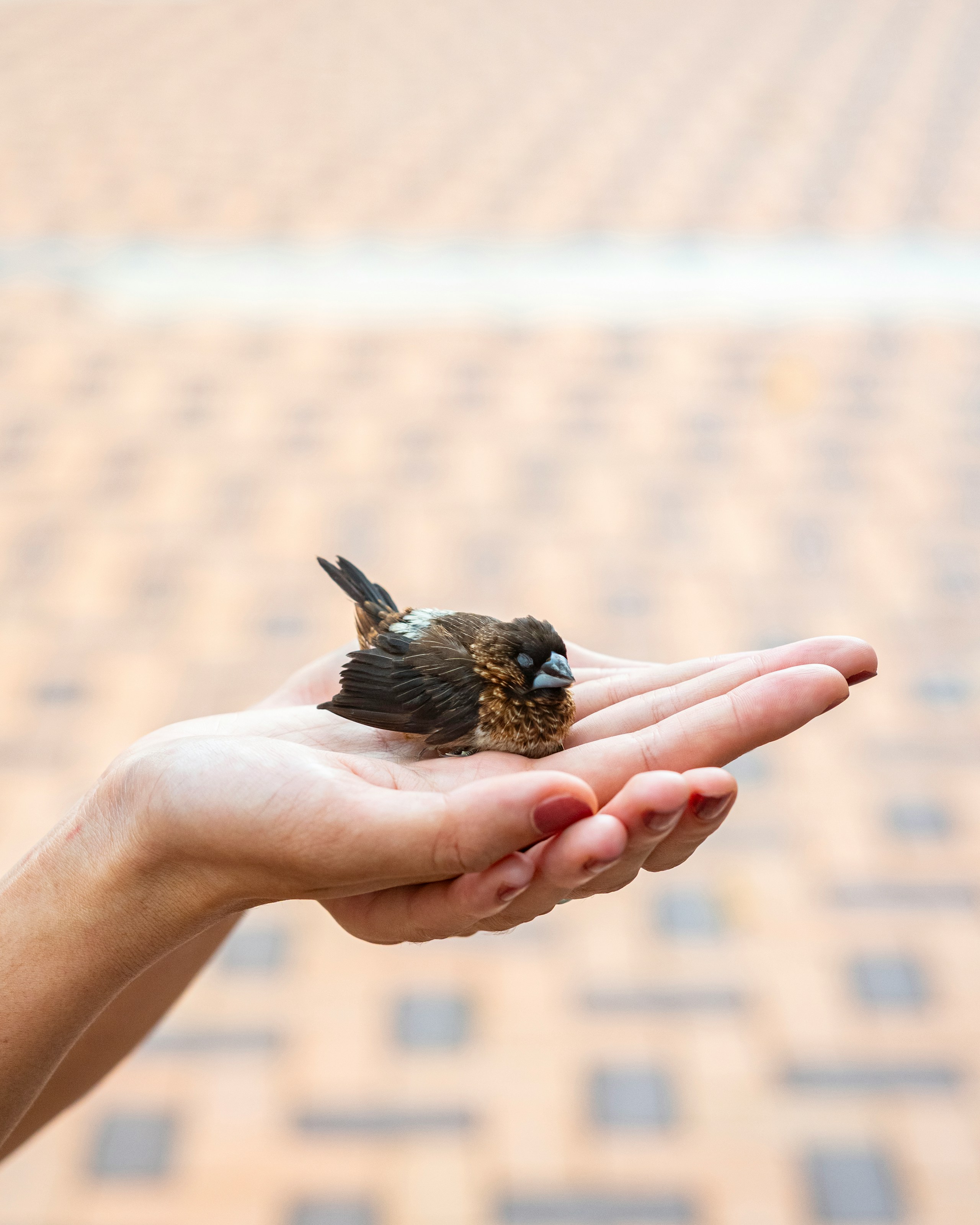
This image may not be my most technically flawless shot, but it is the one most deeply connected to my soul. It stands at the beginning of my project on bird-window collisions. My partner and I found this fragile bird on the street after it had struck a glass facade. It was severely injured and eventually drew its final breath in our hands.
©︎ Chan Long Hei
Holding that fading life became a turning point. I was struck by the absolute voicelessness of these small creatures navigating our urban landscapes. I chose this photograph because it captures the moment when personal grief transformed into artistic responsibility — giving visual weight to lives usually rendered invisible by society.
Coming from documentary photography and photojournalism, my practice is bound by strict ethical standards. In the creative realm, however, AI undoubtedly introduces fascinating complexities. The ambiguous grey area between reality and fiction opens up possibilities for re-presenting images and diversifying storytelling.
©︎ Chan Long Hei
As a tool, AI can be a welcome evolution. But for documentary photography, this era brings unprecedented challenges and makes our role more vital than ever. As artificial images proliferate, the friction between what is generated and what is witnessed becomes more intense. I hope this era encourages society to cherish the irreplaceable value of physical truth — the raw, unaltered “real” that documentary photography may uniquely preserve.
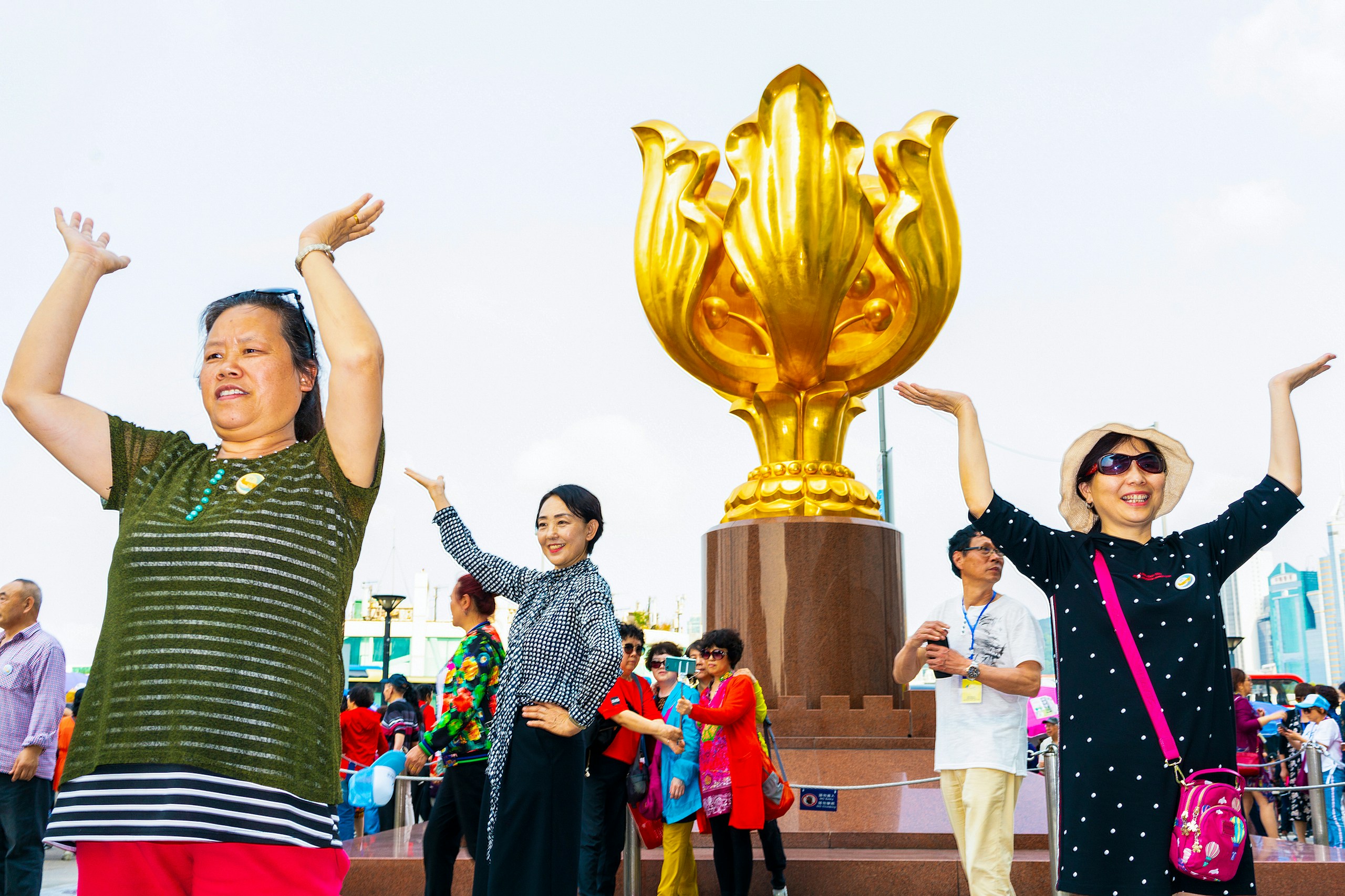
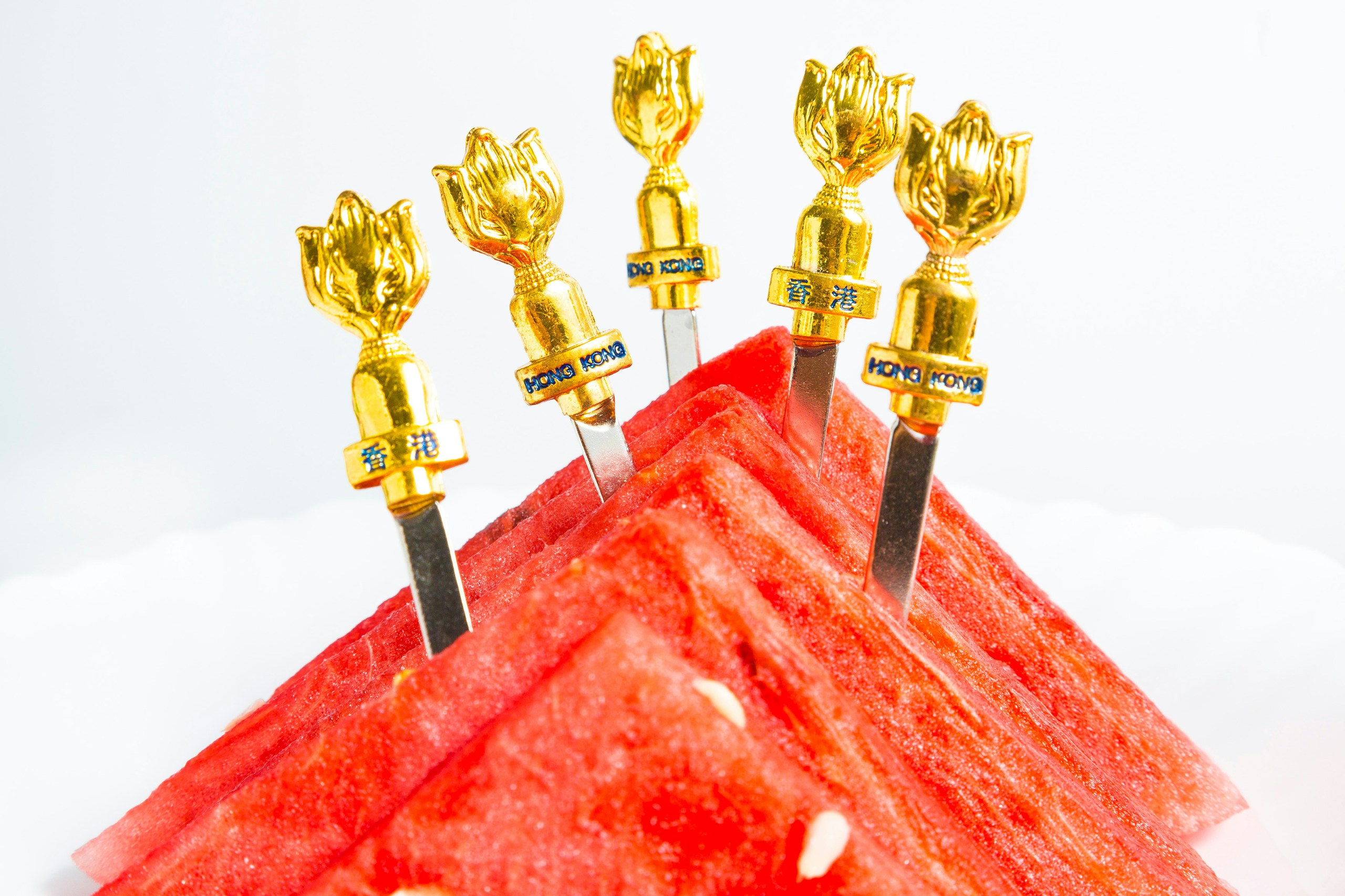
In Hong Kong, photography culture has not yet taken root widely. It is rather fragmented, and interest in photography remains limited. Public understanding is often shaped by the styles of a few well-known photographers. In recent years, local cultural activity has also declined, and many arts and photography organisations have closed.
©︎ Chan Long Hei
Yet within this contraction, a quiet resilience has emerged through independent individuals, artist-run spaces, and indie bookstores. Rather than unified movements, the community is now defined by decentralised persistence. Many creators continue to quietly but fiercely construct Hong Kong’s collective photographic identity, piecing together a mosaic of the city’s reality so that its diverse narratives are not flattened or forgotten.
Recently, while preparing for a project about birds, I came across Constant Bloom by American photographer Lucas Foglia. He documented the migration route of a butterfly species while simultaneously photographing the overlapping routes and individuals of refugees.
I was deeply fascinated by this storytelling approach. It holds a delicate care for tiny lives while also illustrating a profound commonality between human destiny and the natural world.
©︎ Chan Long Hei
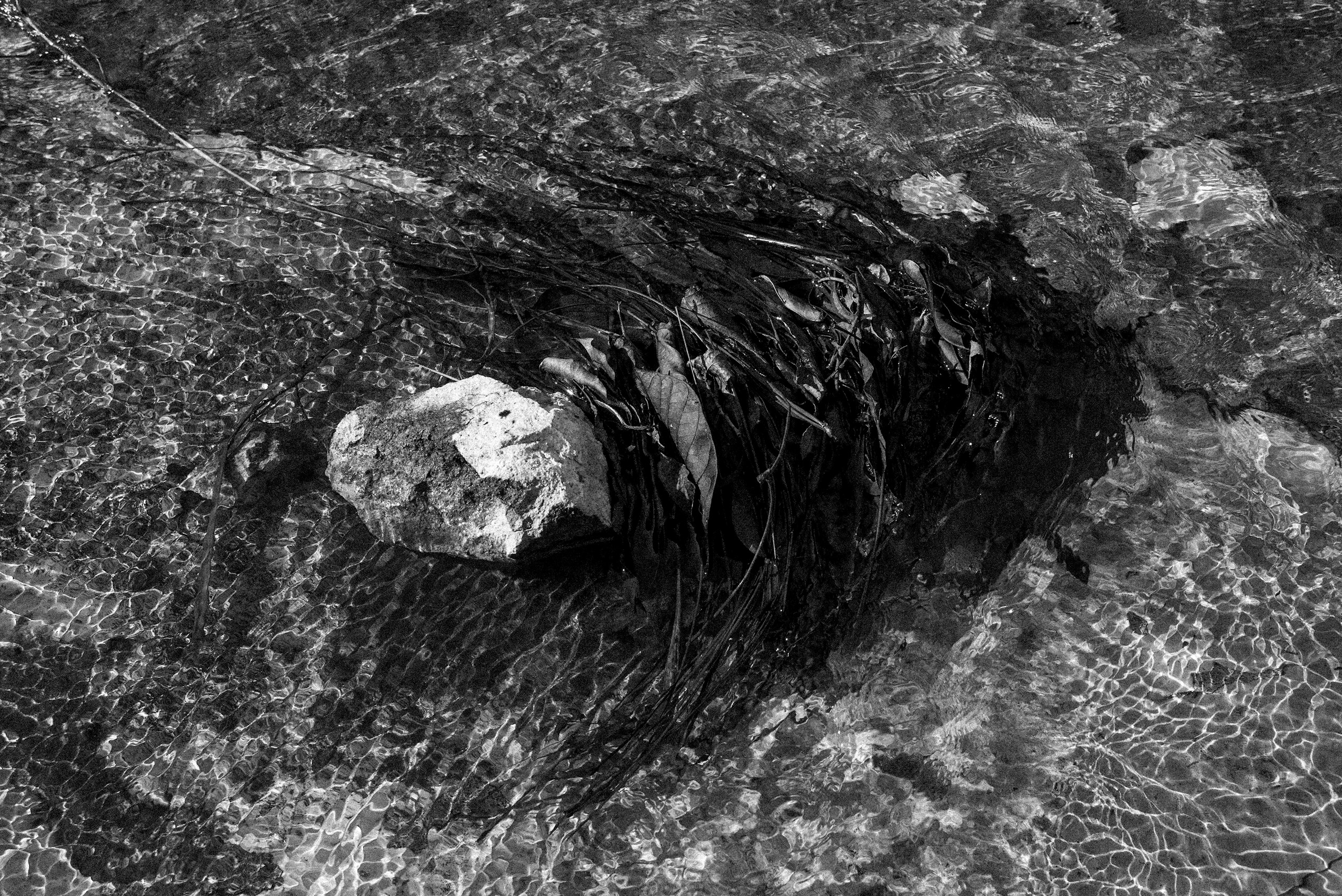
I am drawn to the small, often painful shifts within history. My lifelong pursuit is to faithfully document the place that raised me and preserve the realities of our society for future generations.
©︎ Chan Long Hei
For me, creation is a way of carrying history forward. Even as landscapes and memories change, I want my records to show that we were here, that we struggled, and that we cared.
Strive for sincerity. No technique or style can ever surpass sincerity. Only when you find joy within your creative process does the work become truly good, allowing people to see who you are within it.
42 Magazines
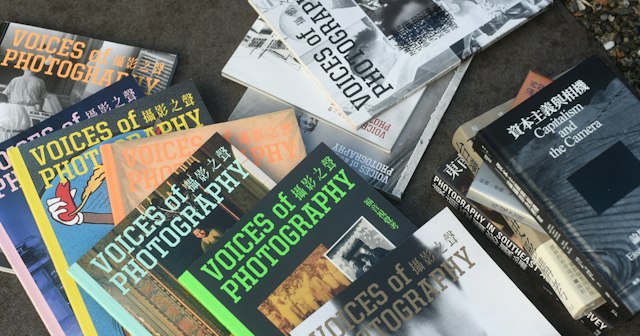
An interview series featuring photographers and photography media from around the world, each pursuing a distinctive approach to visual expression. Through ten questions, we explore how they discovered photography, the origins of their creative practice, and the ideas behind their work, bringing fresh perspectives and inspiration to creators everywhere.