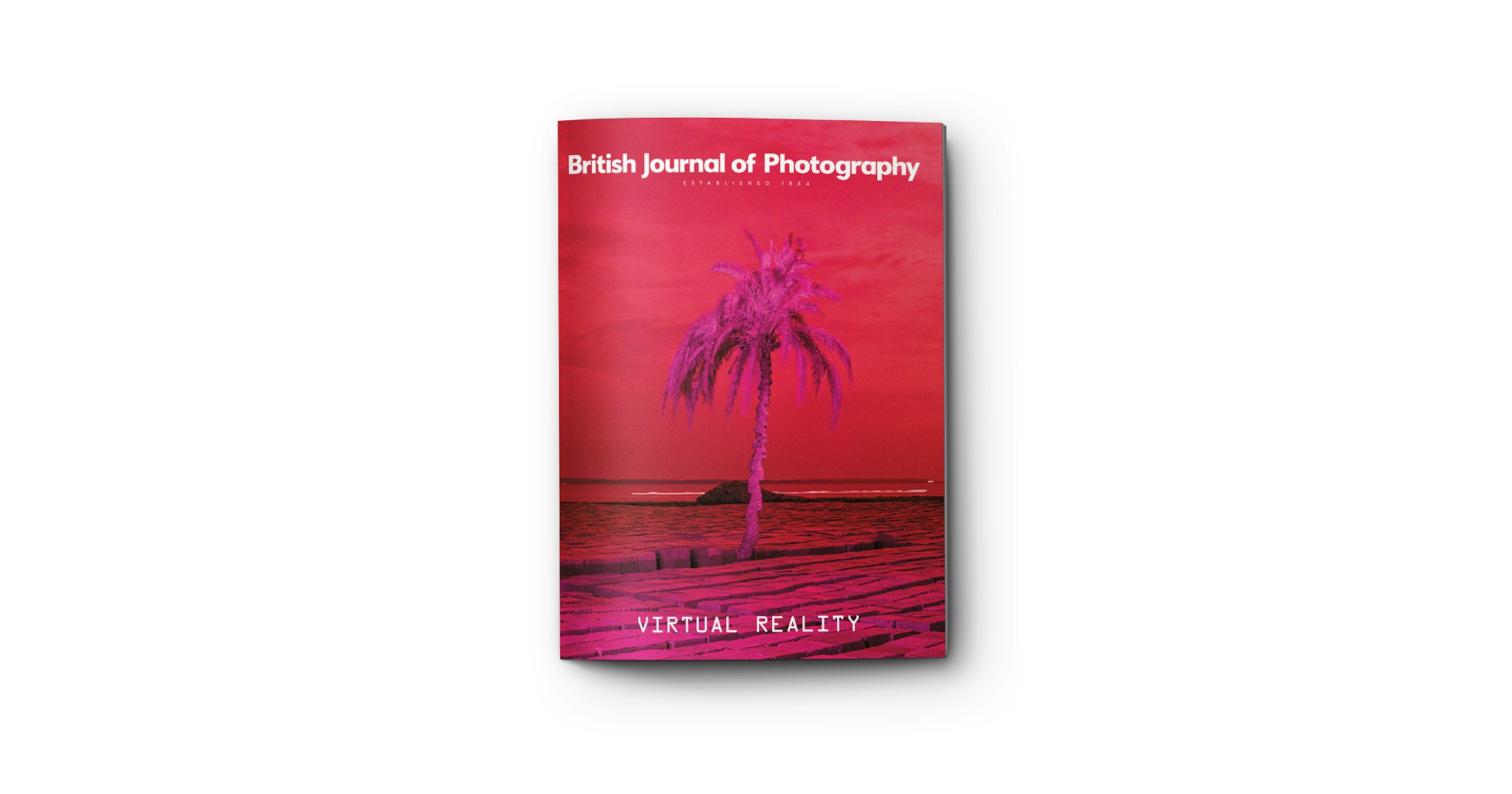
Through interviews with individuals and media outlets that pursue photographic expression from their own unique perspectives, this project seeks to delve into their creative origins, philosophies, and production processes, delivering new inspiration to photographers and photography media around the world.
The world’s longest-running photography magazine, British Journal of Photography, has a deep creative origin and a set of ideas and perspectives it has carefully upheld over time. Preserving these thoughts as an archive of words in the present era will, in turn, help support the future of photographic culture.
In this feature, we pose “10 questions” to Diane Smyth, editor at British Journal of Photography, in order to explore the processes behind how its expression takes shape.
@ British Journal of Photography
British Journal of Photography
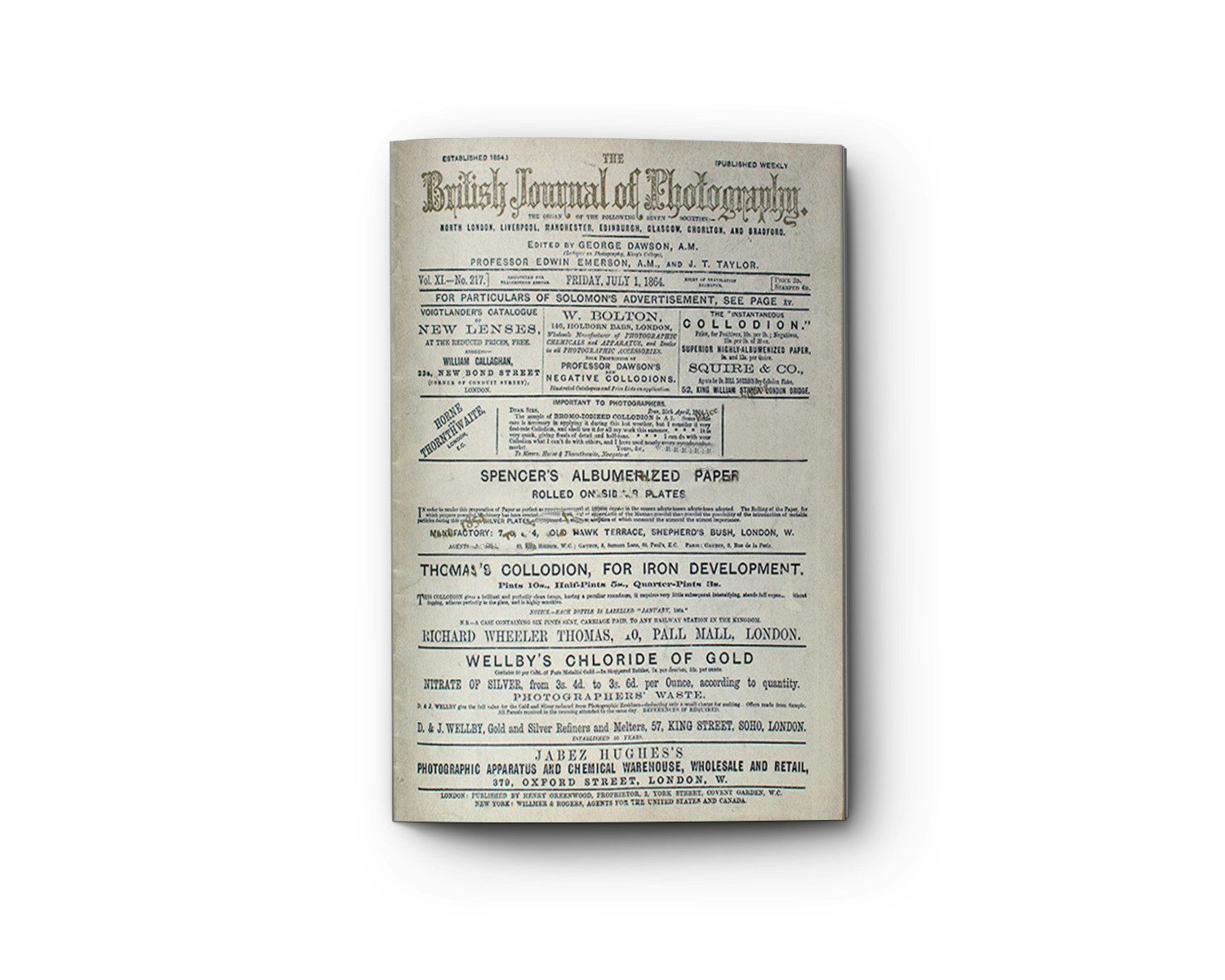
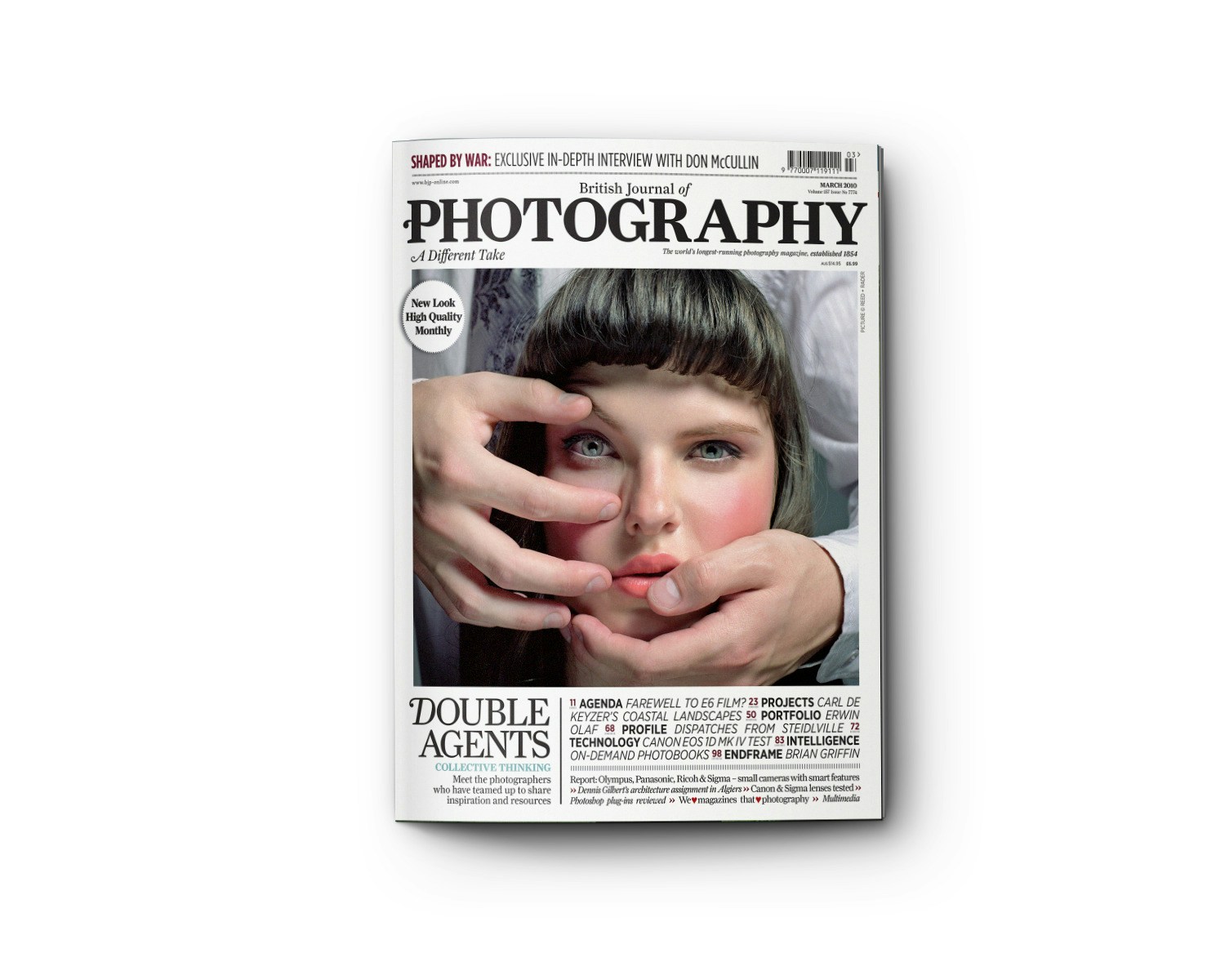
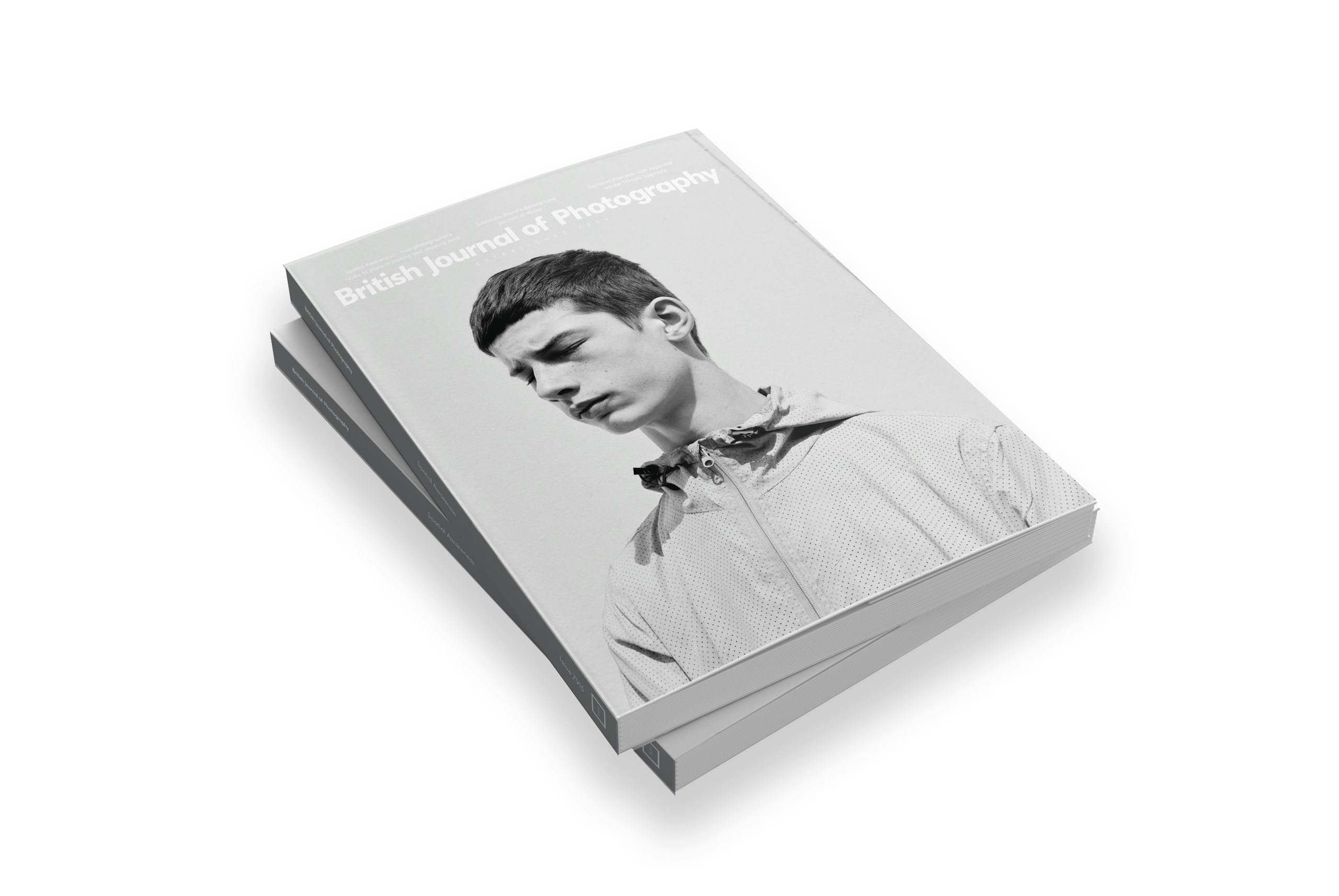
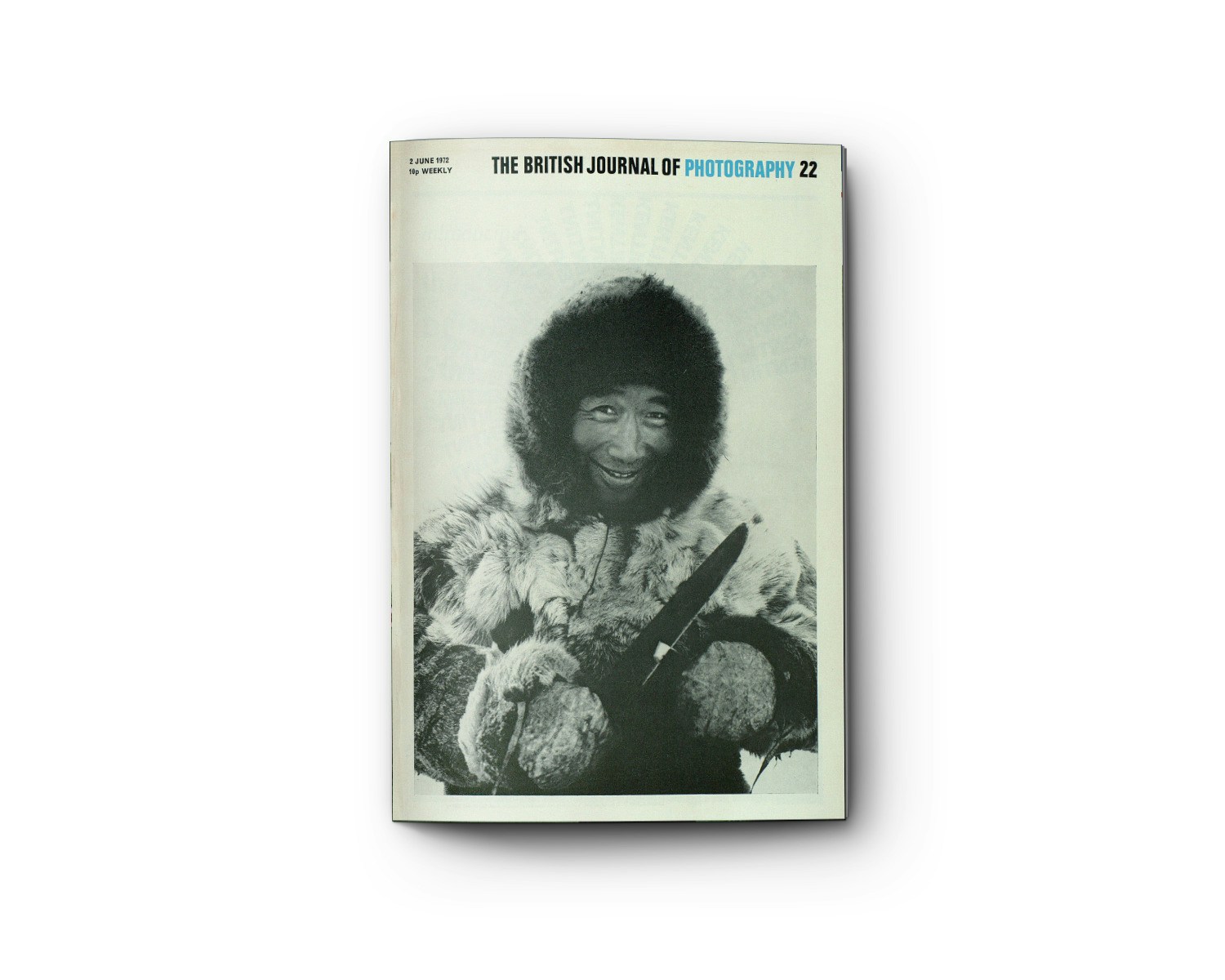
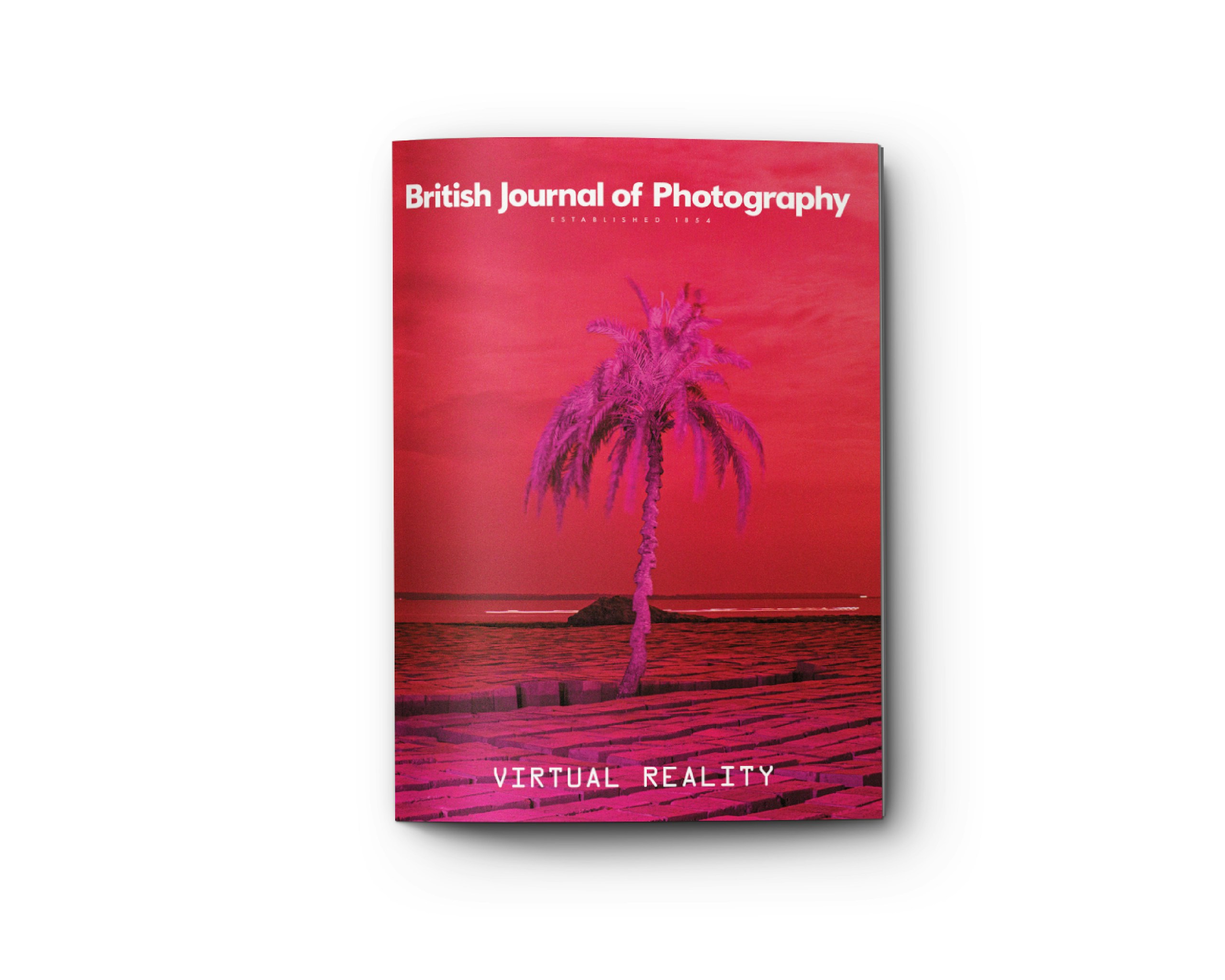
British Journal of Photography (BJP), founded in 1854, is the world’s longest-running photography magazine. Today, it publishes a print edition four times a year, alongside a digital presence through its website and social media platforms. While capturing the “now” of photographic expression, it also presents works and trends through a perspective that moves between past and present, fostering ongoing dialogue and critical discussion.
Instagram: @bjp1854
Q1. The British Journal of Photography was founded in 1854 and has remained a platform for photographic journalism and critical discourse for more than 170 years. What do you consider most important in sustaining and evolving a publication with such a long history?
It may sound contradictory, but the more I work on a magazine with such a long history, the more strongly I want to stay close to photography at the cutting edge.
When BJP was founded, photography itself was a new medium, and our readers were helping to develop an emerging technology—one that made a new way of seeing the world possible. I want to hold both of those strands at once: embracing the constantly evolving technologies of making and circulating images, while continuing to ask how they shape the way we relate to our environment and to each other.
@ British Journal of Photography
At the same time, I think carefully about how BJP should differ from parts of its past. In its early years, BJP was rooted in a community of wealthy white men at the centre of an Empire that had colonised much of the world.
I am the first mother to edit the magazine, the second woman to do so, and I was born in Northern Ireland. I want BJP to make room for narratives and perspectives beyond those in its older legacy.
Q2. BJP runs a range of awards and initiatives, including Portrait of Humanity, Portrait of Britain, Female in Focus, and OpenWalls. Through these programs, what kinds of changes or opportunities do you hope to create within the photography community?
First, I should make clear that these initiatives are all directed by my colleague Zoe Harrison, who does a wonderful job. And you’re right: these programmes are all designed with positive change in mind.
Female in Focus aims to create more opportunities for women and female-identifying artists, who are still underrepresented across many fields. OpenWalls gives an artist the opportunity to show their work in Arles during the photo festival.
@ British Journal of Photography
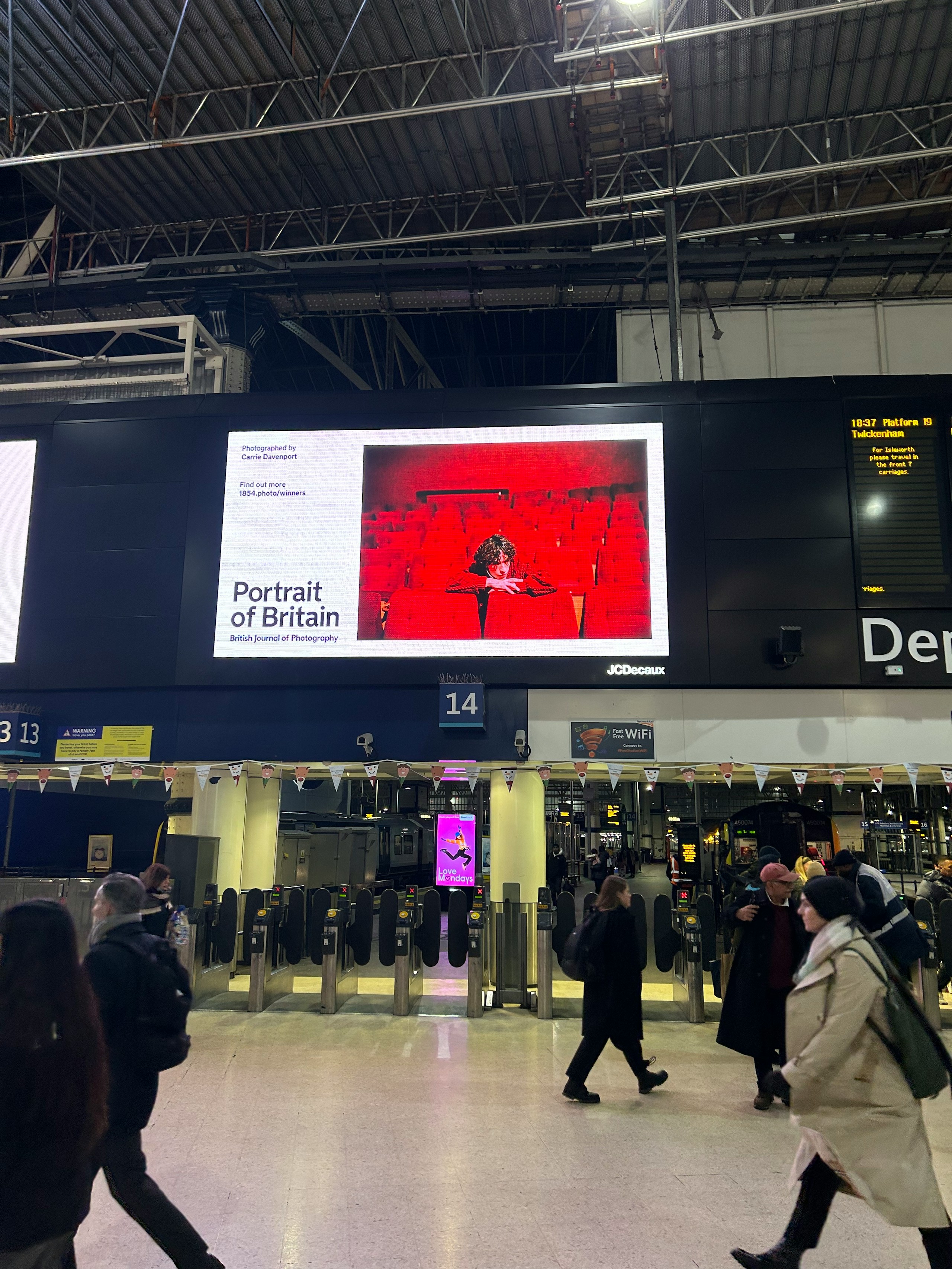
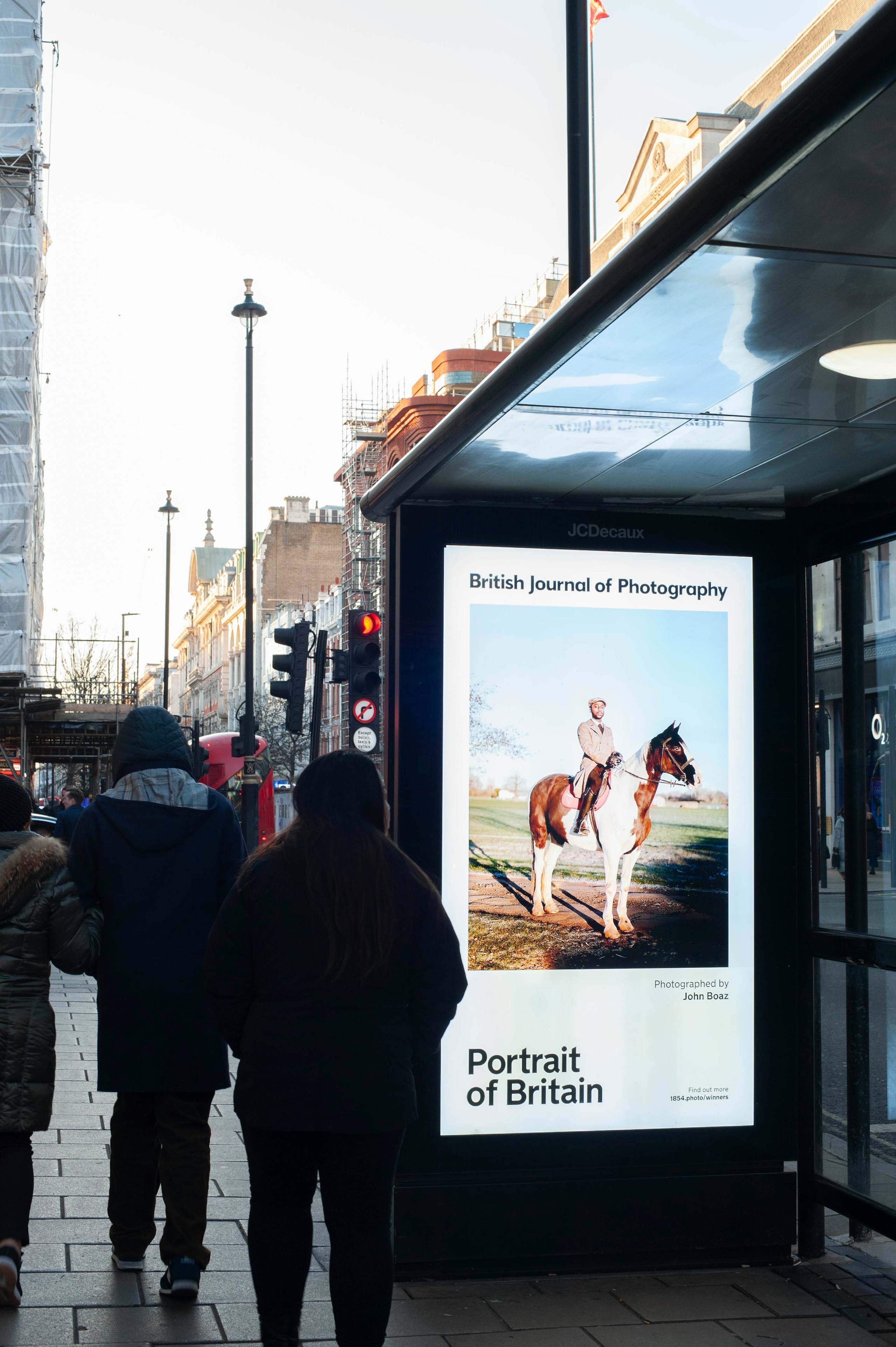
With Portrait of Britain, BJP takes over public billboards owned by JCDecaux and uses them to show submitted portraits of people photographed in the UK—portraits that consistently reflect the inspiring multicultural community we live in. At a time of rising political rhetoric, Portrait of Britain feels like a positive intervention.
Q3. Ones to Watch has become an important platform for introducing emerging photographers to an international audience. What principles guide the selection process?
The Ones to Watch artists are recommended by a global cohort of nominators, who generously give their time and contacts to highlight interesting image-makers. We then have to select just 15—which is difficult, but also a very fun task.
We do have some parameters, such as making sure we cover artists from all over the world, with a broad range of approaches. We also look at emerging artists, but that doesn’t necessarily mean they are young. In recent years, for example, we have included an artist from a Dalit community in India whose path was difficult and therefore took longer, and we have also included a mother from Bangladesh who could only start making work once her children became more independent.
Having said that, when I think about the most inspiring artists in recent years, I’ve been humbled by very young image-makers responding to conflict in their home countries, including Ukraine and Palestine.
Q4. BJP has actively collaborated with institutions and cultural organizations, including projects such as the Bodleian Library × BJP Commission. How do these partnerships expand the role that photography can play within society and culture?
Partnerships such as this allow us to bring some of the gravitas of institutions to photographers. With the Bodleian, for example, they also help ensure we can place images into archives, where they will be carefully preserved for the future.
With the British Council, we were able to organise a debate around identity at a time when national identities are being questioned as never before, exploring how photography has been used to police—but also expand—notions of identity.
We bring something to institutions, too: a direct link with practising artists, and with the energy and vision of the contemporary scene. Hopefully this benefits everyone, including the image-makers.
@ British Journal of Photography
Q5. Beyond publishing photography, BJP has long served as a space for criticism, journalism, interviews, and photobook reviews. How do you view the relationship between photography and language?
That’s a great question. We’re often concerned with highlighting the artist’s or curator’s intentions, though what a viewer takes from a work doesn’t always align with those intentions; we tend to avoid giving opinions, on the grounds that everyone who reads the magazine can form their own.
Photographs and text can do similar things, but they can also be very different, which is something I think about often.
@ British Journal of Photography
Hervé Guibert, the writer and photographer, has a great quote on this, which was highlighted in the MEP exhibition Love Songs in 2022: “In writing I have no brakes, no scruples, because it’s only me, practically, who is at stake, whereas in photography there are the bodies of others, relatives, friends, and I always have a little apprehension…”
Q6. As AI-generated imagery becomes increasingly widespread, what position does BJP take from the perspectives of photographic criticism and photojournalism? How is the magazine approaching this technological and cultural shift?
AI is a huge topic, and there are obviously negative repercussions for image-making in which an indexical link with the world is important—for example, documentary photography. There are also repercussions for artists in terms of protecting their copyright and incomes.
However, we have also featured some interesting AI projects—artists such as Bharat Sikka, who have trained AI on their own images and used it to probe the possibilities and ramifications of generated imagery. We have also run features interviewing experts in the field, to try to better understand how the technology actually works, and the ideologies embedded in it.
@ British Journal of Photography
On a personal level, it’s interesting to see a further move into an image-based view of the world, which thinkers such as Jean Baudrillard and Guy Debord argued was already put in place by photography.
Q7. BJP continues to maintain both its digital presence and its printed magazine. What significance and value do you believe printed photography publications still hold today?
Digital is fast and super-accessible, both geographically and in terms of finances, so we’re happy to be able to show work online. Print allows us to present the work in a more considered way, and it also has a much greater longevity.
This longevity is interesting—at a time when undersea cables are being cut, and when articles can be updated or removed, creating something concrete that persists in the world seems important. Our magazines are held by numerous archives and institutions; who knows how future researchers will use them, but it's good to know they will have the option to do so.
@ British Journal of Photography
Q8. Through close connections with festivals and institutions around the world—including Arles and KYOTOGRAPHIE—BJP has a unique perspective on the global photography landscape. How do you see the international photography scene evolving, and are there any regions, communities, or movements that you are particularly excited about?
Our connection with KYOTOGRAPHIE is new, and we are thrilled about it—particularly as our role has been to be involved with KG+ Select, an initiative for emerging image-makers in Japan and beyond.
For me, what’s most interesting in the international scene is the contribution of non-Western artists in rethinking what photography is and can be. If photography embodies a Western epistemology, then artists who come from other cultural and philosophical traditions may subvert and reuse the technology—despite the impact of Western globalisation and image-culture.
In fact, recently I've been wondering whether the Provoke photographers could be considered in those terms—a group questioning a way of seeing being imposed on Japan in both philosophical and quite literal terms.
Q9. As a publication with more than 170 years of archives, how does BJP connect its historical legacy with contemporary photographic practice? Are there any initiatives or approaches you use to create dialogue between the past and the present?
This is another good question, because to date we haven’t engaged very much with our archives, but this is something we have been thinking about—perhaps in some form of artistic commission.
@ British Journal of Photography
Sometimes we do engage with our older writing, and this is always interesting. When Sebastião Salgado died, for example, we were able to draw on past interviews with him to describe his work in his own words, but also to see that the contemporary criticisms of his approach were there from the start.
Q10. Finally, as the British Journal of Photography today, what message would you like to share with photographers and creators around the world?
Photography and lens-based media are the contemporary medium, as evidenced by international art festivals such as the Venice Biennale, as well as the image ecologies of journalism and social media.
I was also fascinated by the Gucci take-over of the many huge billboards around Times Square in its recent GucciCore 2027 fashion show.
@ British Journal of Photography
It’s critical that we engage with photographs to better understand how this still-mysterious medium shapes us and our view of the world. Visually literate individuals who understand how this technology works are vital.
As with many creative industries, photography can be a difficult field in which to work, but image-makers and artists can consider themselves absolutely key thinkers in our contemporary global society.