Through interviews with individuals who pursue photographic expression through unique perspectives, we explore the origins of their creative practice, their philosophies, and their artistic processes, delivering new inspiration to photographers and photo media around the world.
In this issue, we speak with Germany-based photographer Verdiana Albano. Her creative origins, the ideas and perspectives she holds dear, and the way she approaches image-making offer valuable insights for contemporary photographic culture. Preserving these thoughts and experiences as words and archives today may help support and enrich the future of photography.
Through these “10 Questions,” we take a closer look at the process behind how her work comes into being.
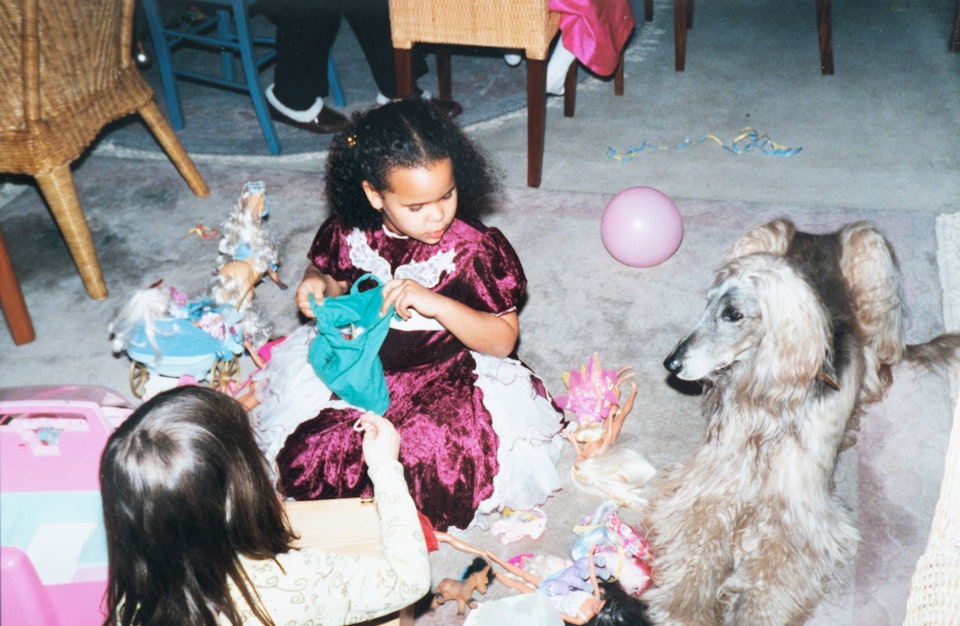
Verdiana Albano
Verdiana Albano (1993) is a Berlin- and Frankfurt-based visual artist and curator. Working across photography, archives, installation, and text, their research-driven practice examines documentation, memory, migration, identity, and collective histories. With a background in Fine Arts, Architecture, and Global Economics, they explore how intimate narratives intersect with broader social, political, and economic structures.
Instagram : @verdianaalbano
Q1. Tell us about the origins of your photography and your current activities.
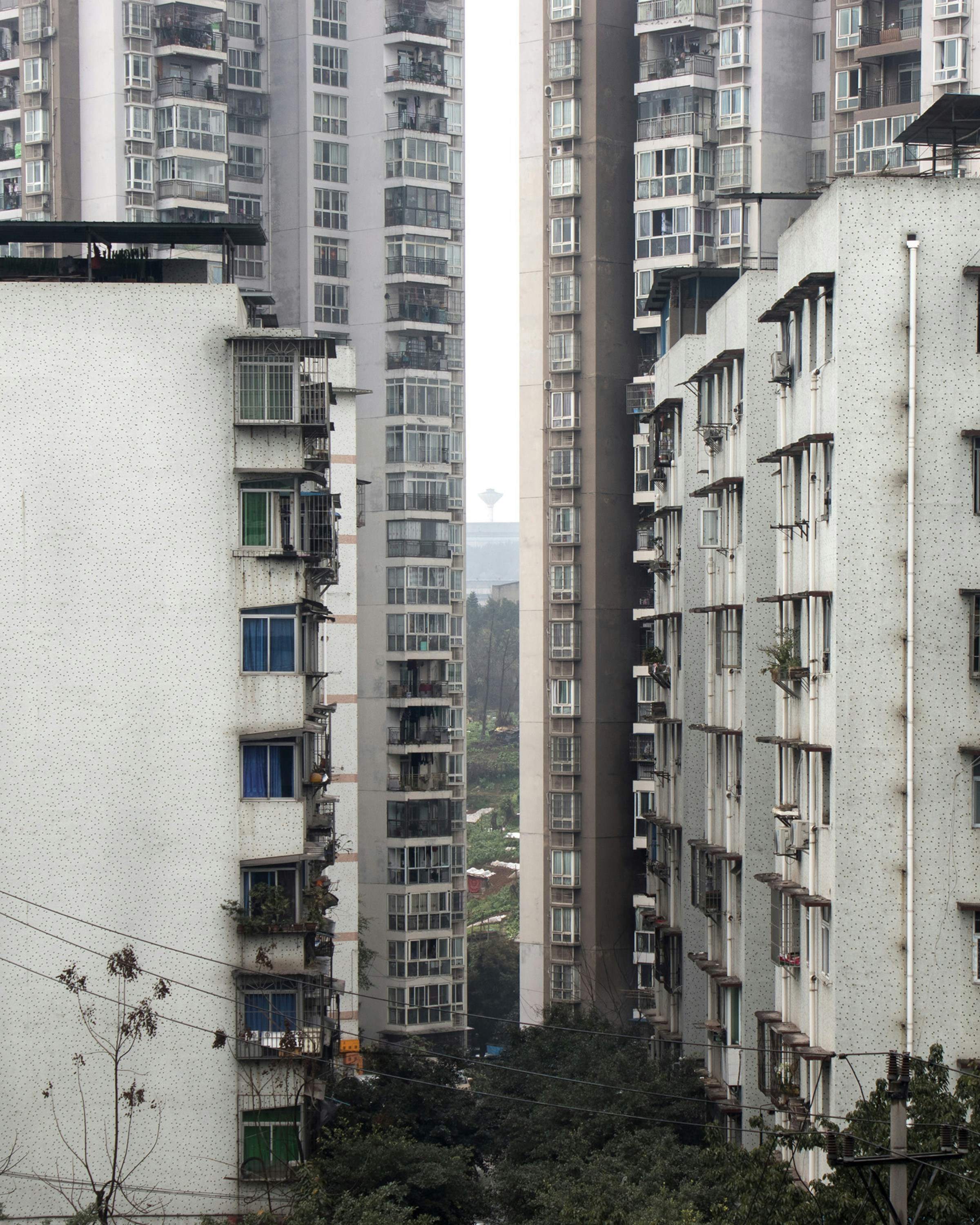
My journey into photography began through traveling. During my Fine Art studies, I was fortunate to receive several travel grants that helped me discover both the world and myself as a photographer.
Over time, I began to question the medium itself—along with its history—and I found myself drawn to themes of memory, identity, and belonging. Growing up between different cultural contexts made me aware of how personal histories are shaped by larger social, political, and economic structures.
Photography, and lens-based art more broadly, became a way to investigate these connections and to engage with stories that are often overlooked or fragmented.
©︎ Verdiana Albano
Today, my practice is research-driven and interdisciplinary, combining photography with archival materials, text, and collaborative processes. Across my work, personal experience, Fine Art training, and my background in architecture and global economics come together to address broader questions of migration, representation, and collective memory.
Q2. What are the most important elements or themes in your work?
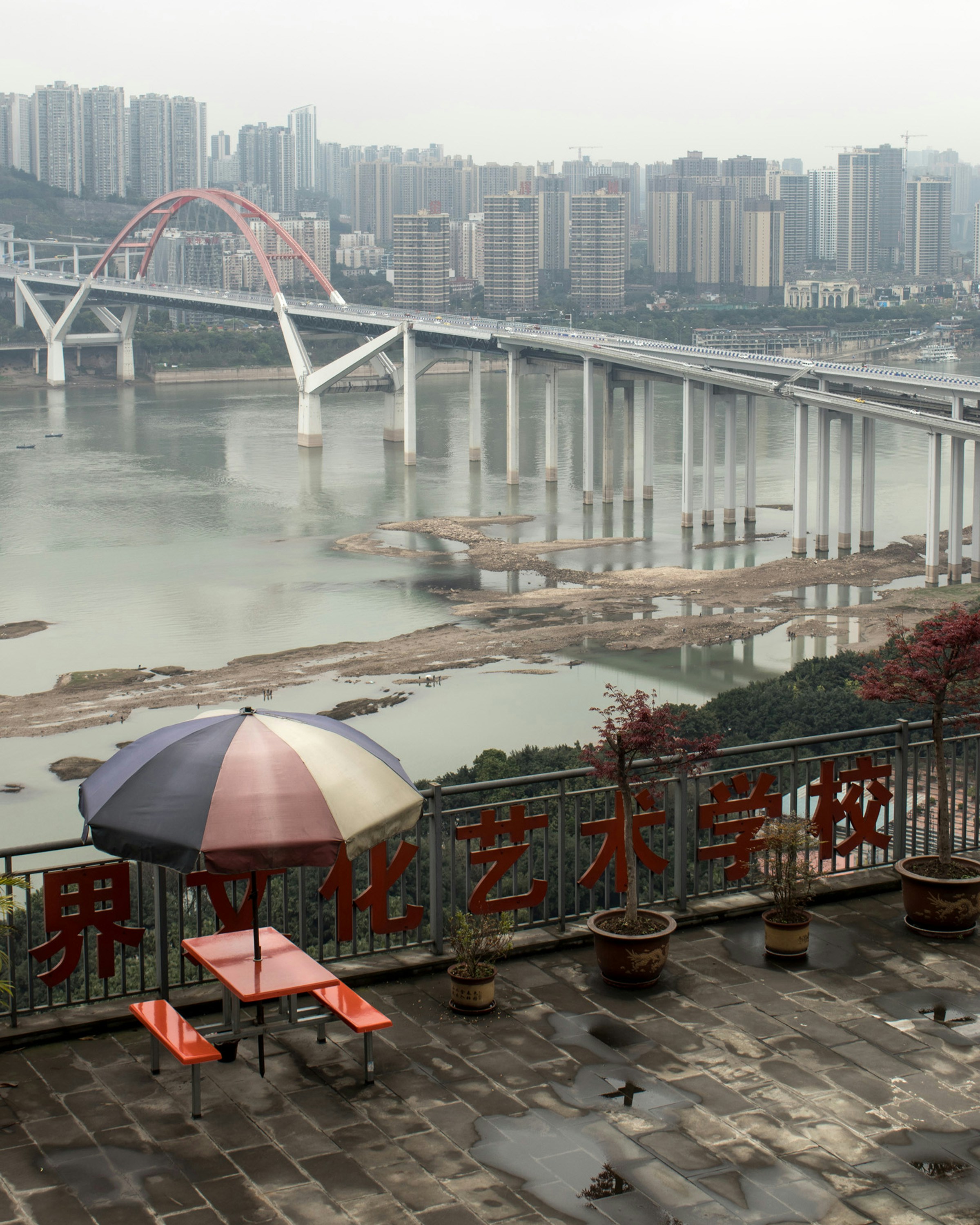
The central themes in my work are memory, belonging, migration, and the ways histories are constructed and transmitted. I’m particularly interested in the relationship between personal narratives and larger social, political, and economic structures.
Many of my projects begin with individual experiences, family histories, or specific places, but gradually expand into broader questions of representation, identity, and collective memory. Research plays a crucial role in my practice—I often work with archives, found materials, oral histories, and collaborative processes to investigate what is remembered, forgotten, or intentionally omitted.
©︎ Verdiana Albano
Rather than presenting fixed narratives, I aim to create space for reflection and multiple perspectives. Ultimately, my work explores how images shape our understanding of ourselves and others, and how photography can challenge dominant narratives while opening new possibilities for dialogue.
Q3. How do your works come to life? We’d love to know what goes on behind the creative process — intuition, chance encounters, on-the-spot decisions.
I believe that even the most unexpected moments can reveal something meaningful. That’s why I try to stay open to new thoughts, encounters, and perspectives.
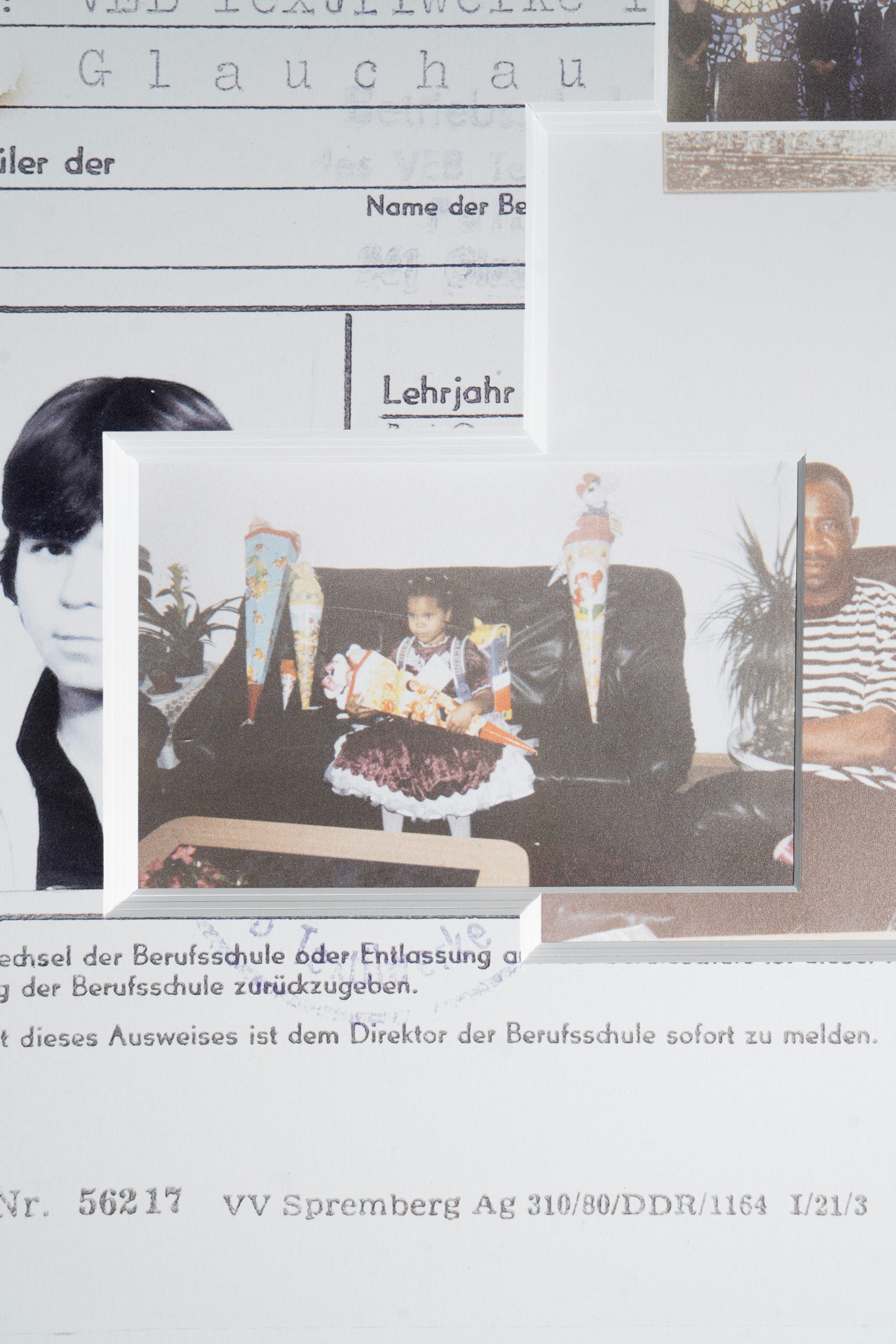
Most of my projects begin not with a specific image, but with an everyday observation or a small question. From there, I approach the subject through research, trying to understand it within a broader social, political, or global context.
Reading, conversations, archives, travel, and simply spending time in a place are all part of that process. I often follow small details or fragments of stories and let them slowly unfold into larger narratives.
©︎ Verdiana Albano
While research provides a framework, intuition is equally important. My work develops through an interplay of conceptual thinking, observation, and unexpected situations—allowing projects to evolve organically rather than according to a fixed plan.
Q4. What drives you to keep creating?
To be honest, I ask myself that question during and after almost every project. There’s always a moment of exhaustion—when I feel fed up with what I’ve been trying to say, when financial or technical production challenges get in the way, or when I find myself bored or frustrated with certain aspects of the art scene.
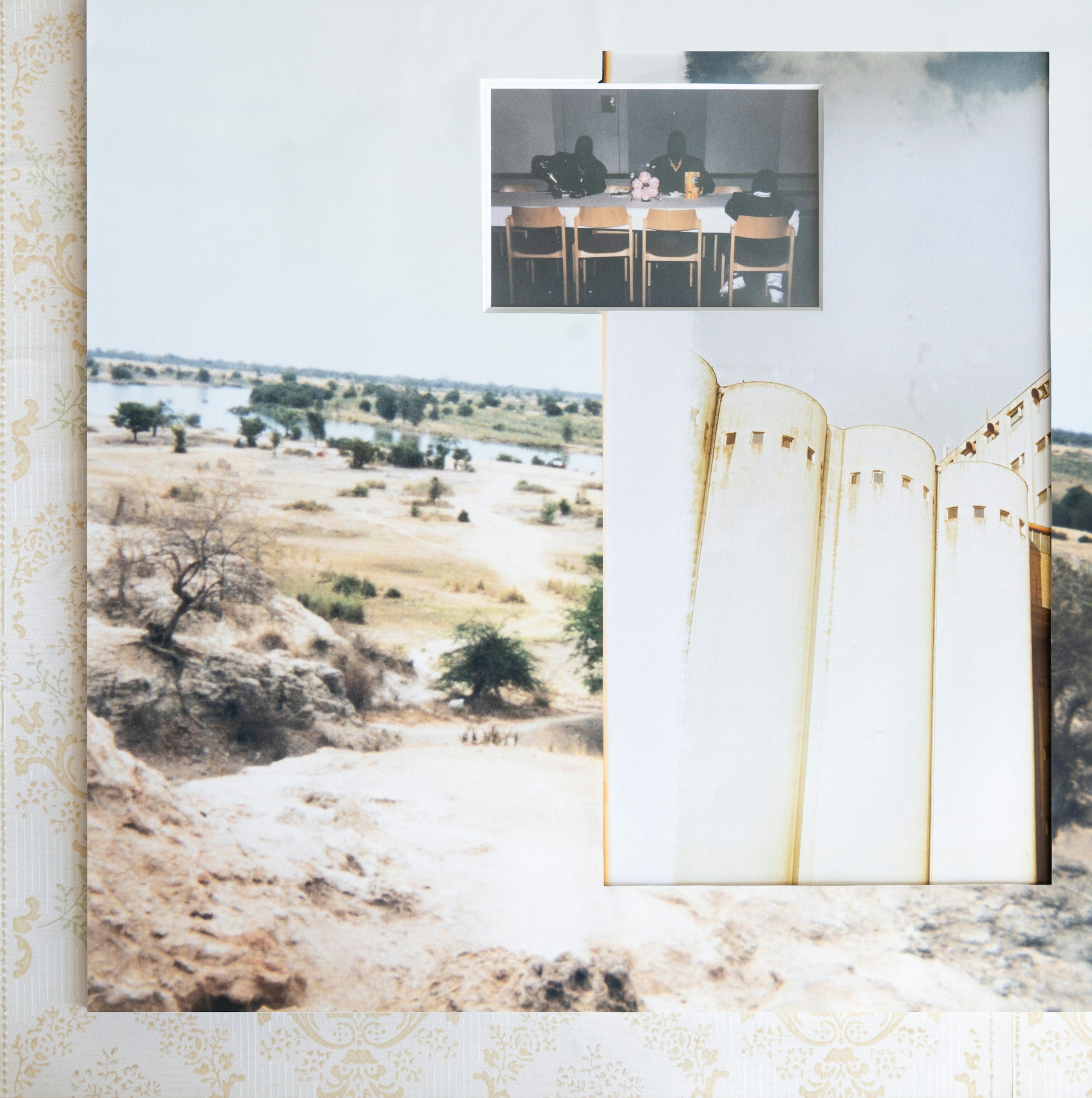
And yet, after a few days—or sometimes just a few hours—a new question, observation, or curiosity inevitably emerges. With it comes the urge to investigate, understand, and create. No matter how determined I am to switch off, something eventually catches my attention and pulls me back in.
Honestly, it’s both a blessing and a curse.
©︎ Verdiana Albano
But I’ve come to accept that creating is not simply something I do—it’s how I engage with the world.
Q5. Please share one of your favorite shots. We’d also love to hear the story behind it and why you chose it.
It is difficult for me to choose a favourite image, as my projects differ greatly both aesthetically and conceptually. Still, I’ve selected a photograph from my current series i ain't from no east coast.
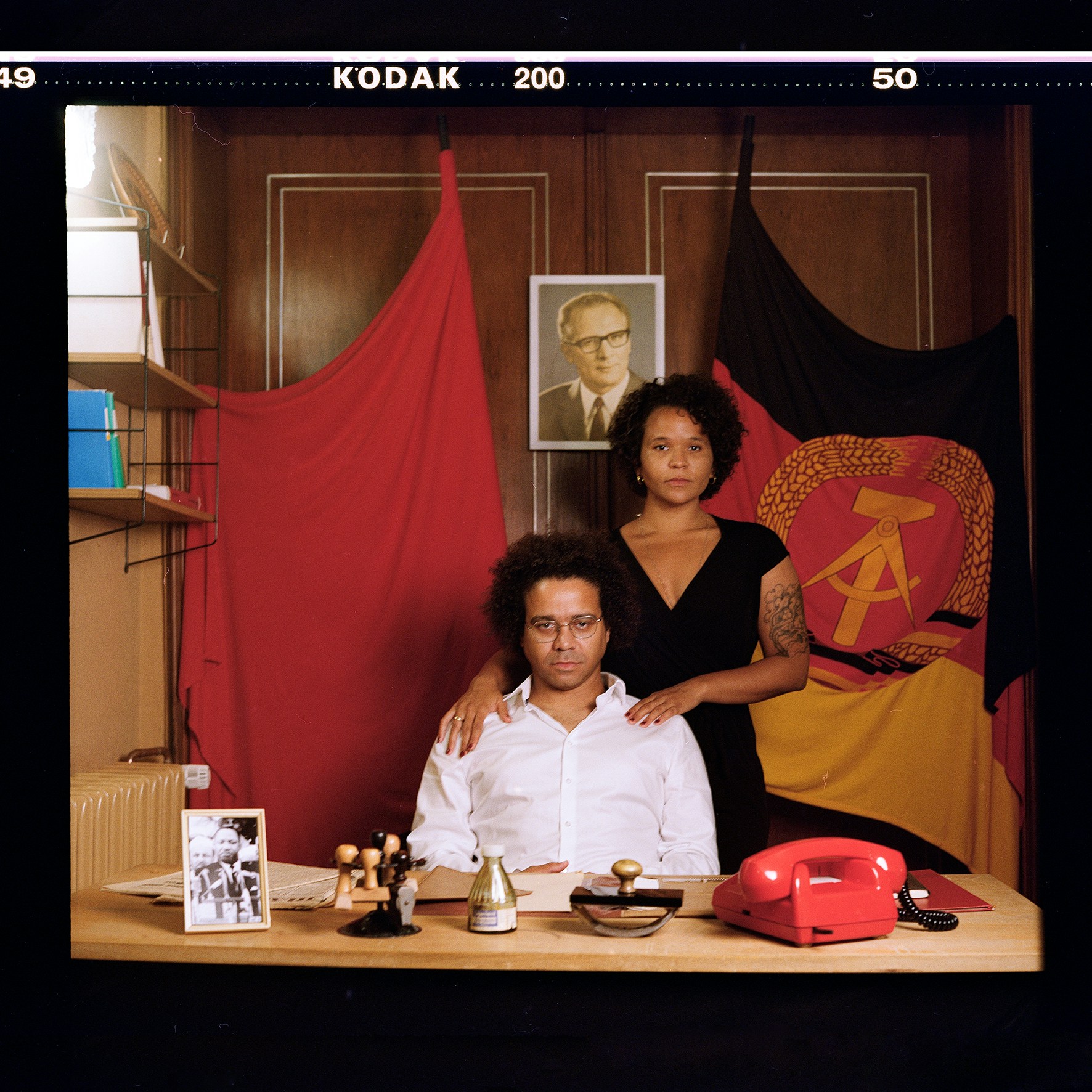
©︎ Verdiana Albano — Reference: Advanced Chemistry, Fremd im eigenen Land (1992) — Location: GDR Everyday Life Museum, Malchow (2024).
The image shows my brother and me inside a so-called GDR everyday life museum in Malchow. These often privately run museums emerged after the fall of the Berlin Wall, created by people from former East Germany who collected everyday objects and memories—driven by a sense of “Ostalgie” (East + nostalgia).
My brother was born in the GDR shortly before the fall of the Wall in 1989, while I was born in the same hospital shortly afterwards. Our parents met through socialist agreements between Angola and East Germany, which enabled my father to work there as a contract worker. By staging ourselves within these spaces, we question whose stories are remembered—and whose are left out.
As a small intervention, we replaced a portrait of Margot Honecker (the former GDR Minister of Education and wife of East German leader Erich Honecker) with one of Martin Luther King Jr., subtly reimagining the historical narrative.
While researching archives for this project, I often wondered what it must have felt like for families to wake up one day in a socialist system and, shortly after, find themselves navigating a capitalist one. The image reflects that curiosity—and our attempt to reclaim a place within a history that rarely includes us.
I used Kodak Gold film as a reference to one of the first colour films developed to better render darker skin tones. The photographs were taken with a Pentacon Six TL, an old medium-format camera produced in the GDR.
Q6. In the age of AI, what do you think photography means?
I don’t think we need to be afraid of technological change. What matters is learning how to engage with new tools critically and responsibly—and considering how they might be used to improve the world around us.
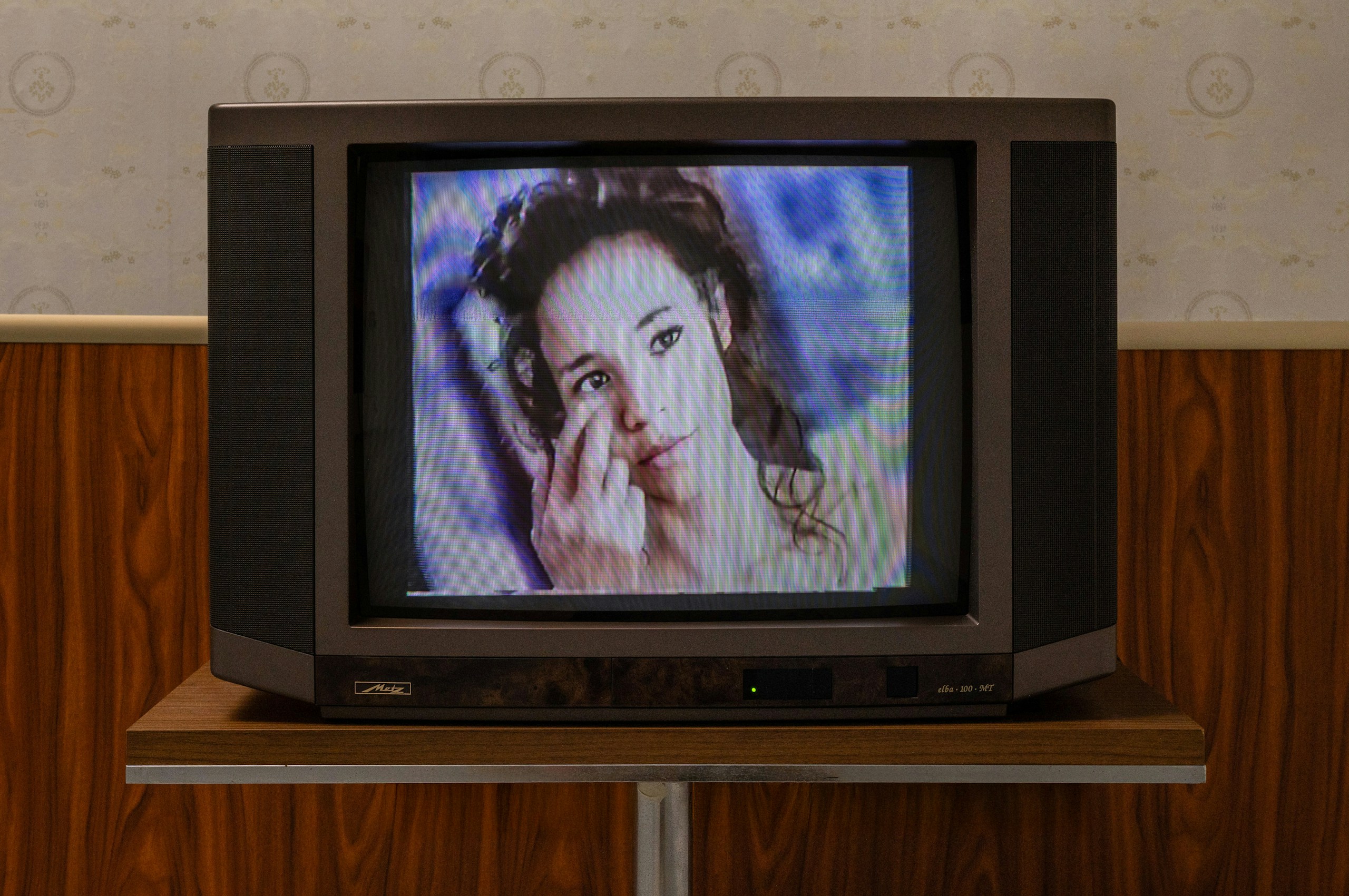
In a creative context, I currently see AI not as a replacement, but as another medium that can expand artistic possibilities. That said, the implications are different in fields such as commissioned photography, journalism, or documentary work, where questions of authorship, transparency, and trust are essential.
Because AI-generated images can be produced so easily, we need to be even more attentive to how images are made, circulated, and interpreted.
©︎ Verdiana Albano
I also use AI in some of my works, especially when I want to express ideas or speculate on scenarios that cannot be communicated through photography alone. For me, AI is a tool—not a substitute for critical thinking or artistic intent.
Q7. Within the German scene, what movements or communities do you feel are particularly significant?
What I find most significant in the German art and photography scene today is the growing number of self-organised initiatives and communities that are creating space for perspectives that have long been underrepresented. In recent years, artists, curators, and cultural workers have increasingly challenged established narratives and institutions, opening up important conversations around migration, postcolonial histories, identity, labour, and representation.
At the same time, I believe that art should more accurately reflect the realities of the societies we have already built. Germany, like much of Europe, is shaped by diverse cultural influences and transnational histories. The European Union was founded not only as an economic and political project but also as a cultural one. Yet today, I often observe a renewed tendency to think within national frameworks rather than broader, shared contexts.
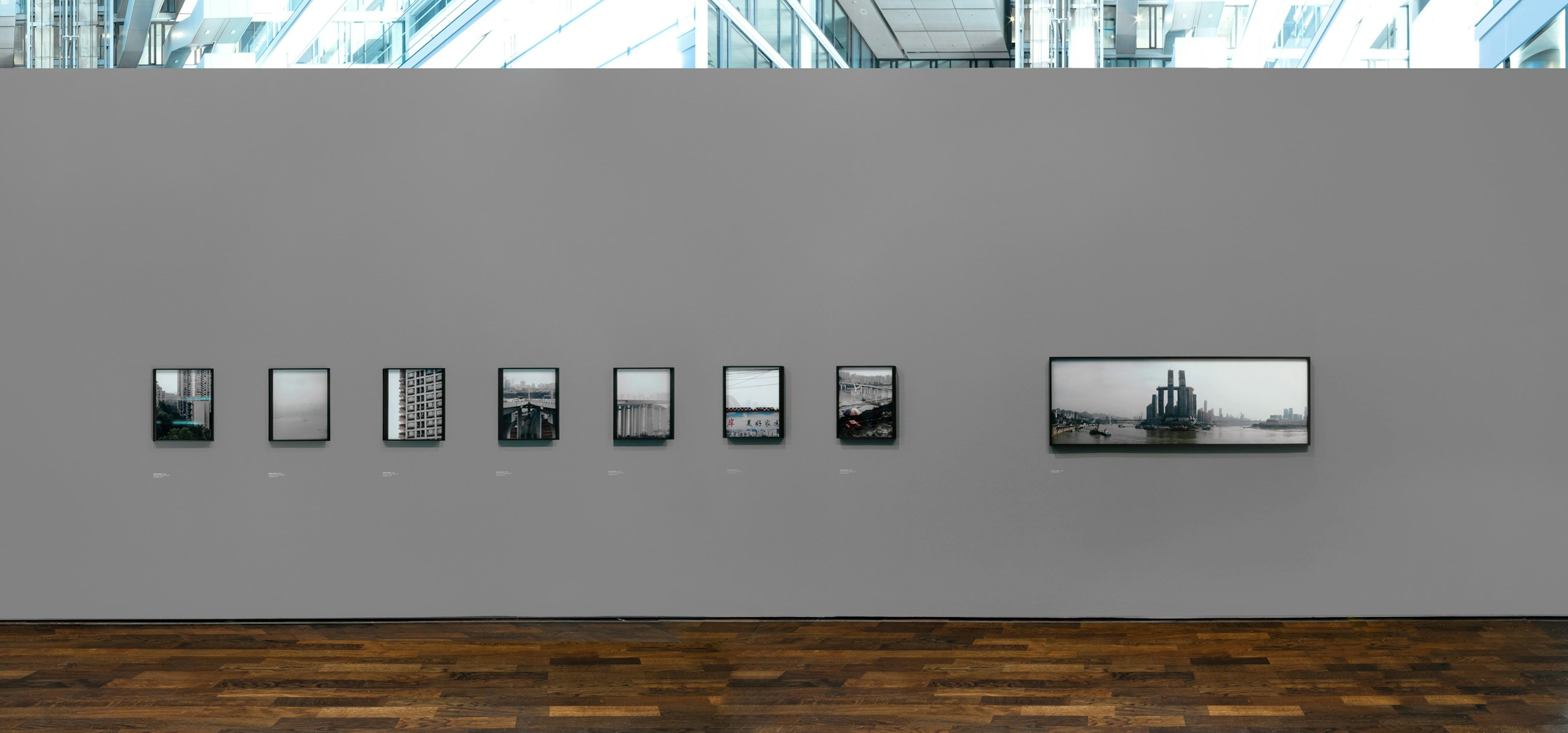
©︎ Robert Schittko, “New Works,” Deutsche Börse Photography Foundation, Frankfurt (2022).
I’m particularly interested in communities that operate through collaboration, knowledge-sharing, and mutual support rather than competition. While many exciting developments emerge from independent initiatives, I also see major institutions actively supporting grassroots ideas.
I experienced this firsthand through Institute Contemporary, a network I founded for emerging and early-career Afropean and diasporic artists, which has received support from several larger foundations and cultural organisations. For me, these collaborations are essential for building a more inclusive and interconnected cultural landscape.
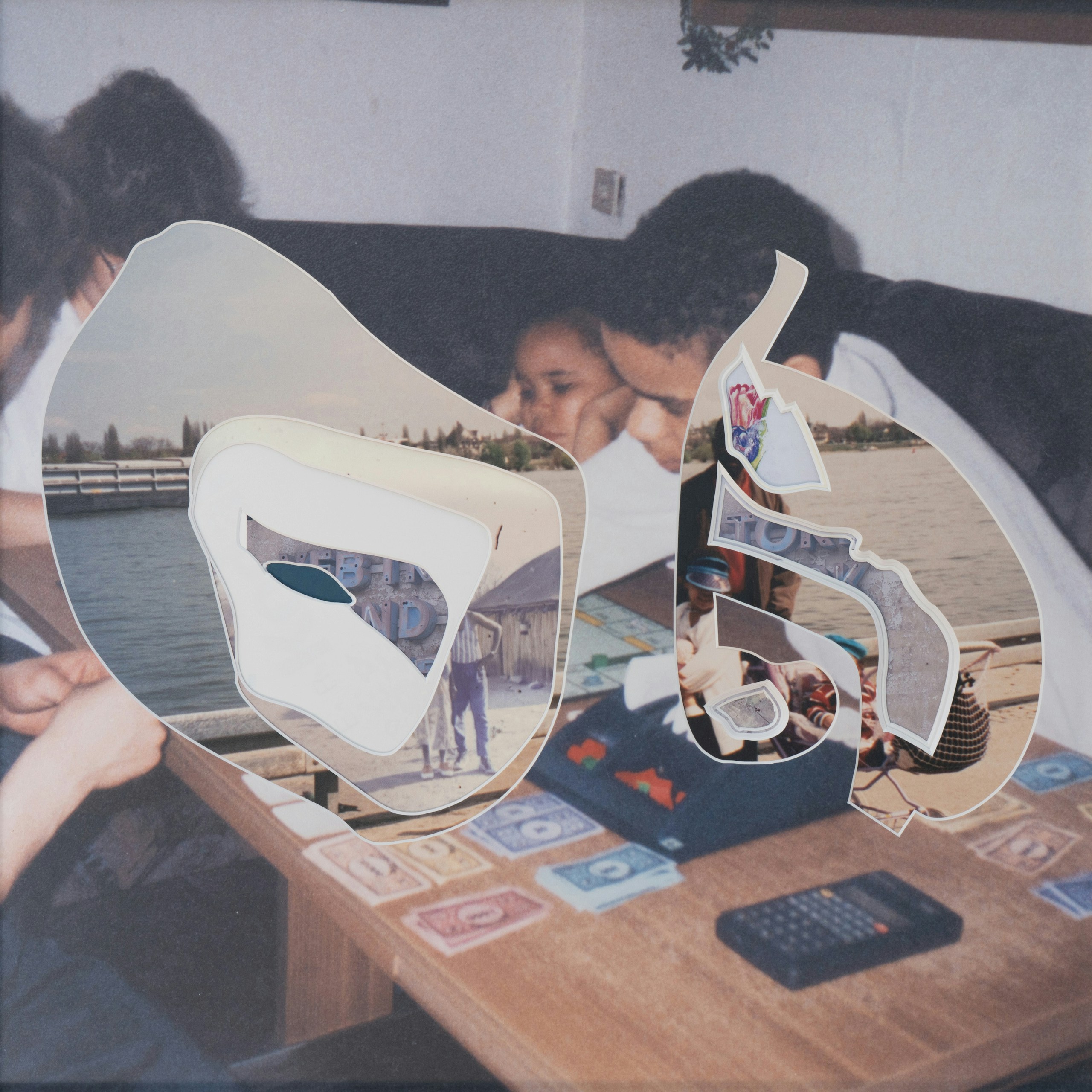
©︎ Verdiana Albano
Q8. Are there photographers or creative scenes from other countries that inspire or excite you?
Absolutely. Lately, I’ve been especially drawn to the work of lens-based artists from Ghana, Togo, South Africa, and Hong Kong. What interests me most is how differently artists respond to questions of memory, identity, urban transformation, and social change depending on local context—while still engaging with concerns that resonate globally.
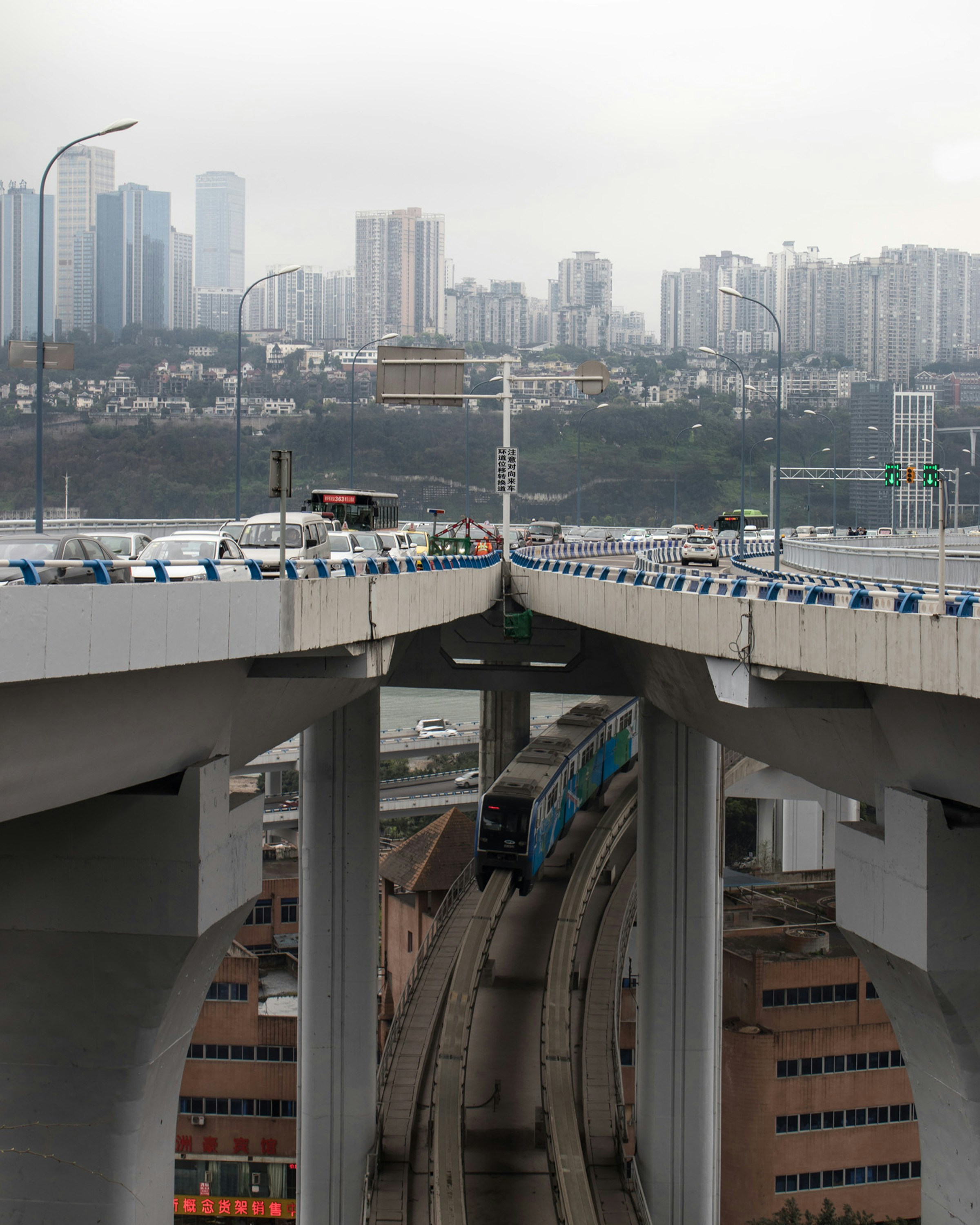
©︎ Verdiana Albano
That said, I don’t think inspiration is tied to geography alone. Compelling artistic positions can emerge anywhere, regardless of where an artist lives or works. In an increasingly interconnected world, ideas, influences, and conversations move across borders in fascinating ways.
Rather than looking to a specific national “scene,” I’m drawn to artists who challenge dominant narratives, experiment with new forms of storytelling, and offer unexpected perspectives on the world around them.
Q9. Tell us about something you would dedicate your life to pursuing.
Endless curiosity.
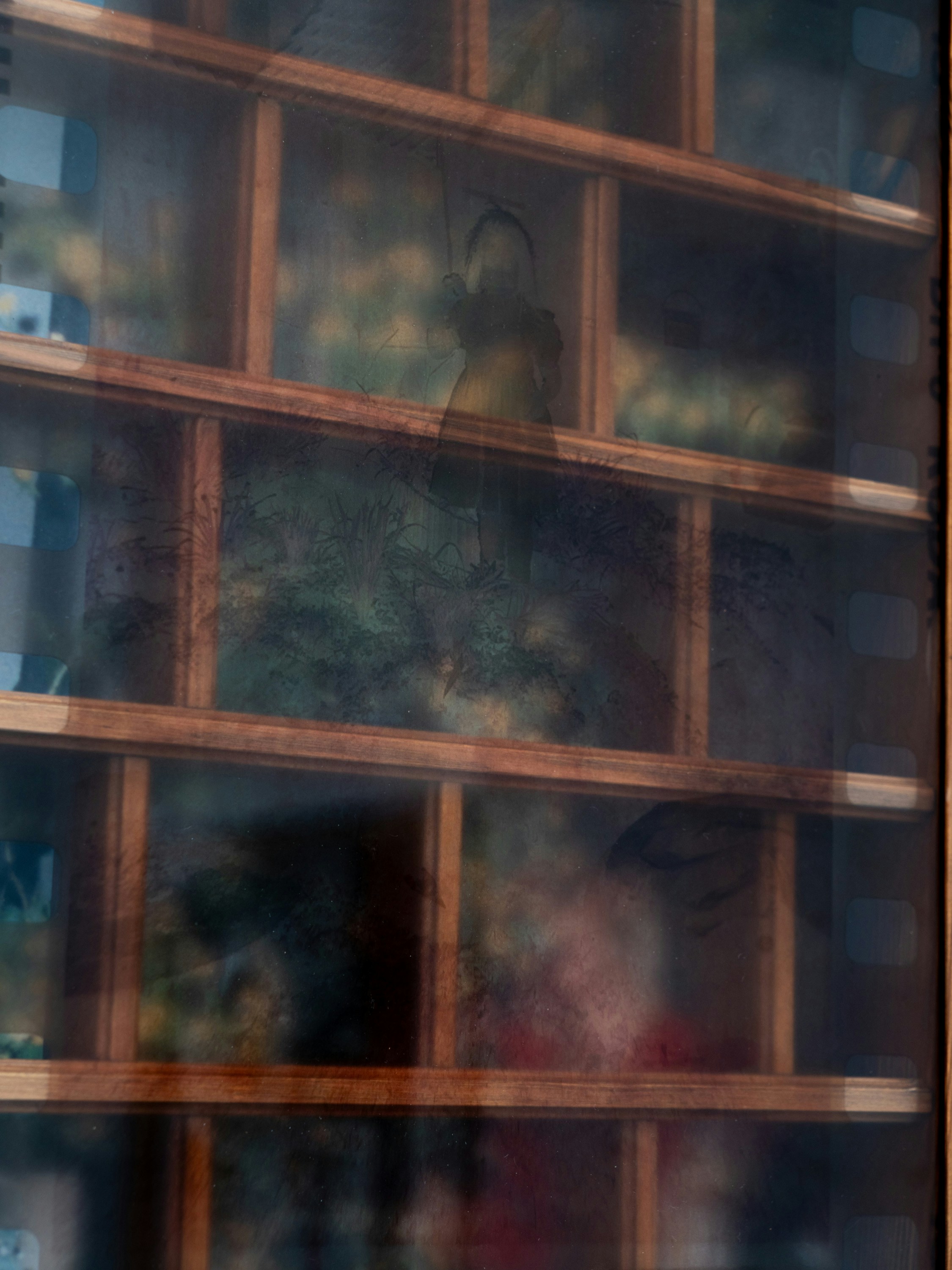
©︎ Verdiana Albano
Q10. What message would you like to share with creators around the world, from where you stand today?
Support one another. The creative world often celebrates individual success, but many opportunities are only possible through collaboration, exchange, and solidarity.
Building community can be just as important as building a career.
35 Magazines
10 Questions for Photographers
An interview series featuring photographers and photography media from around the world, each pursuing a distinctive approach to visual expression. Through ten questions, we explore how they discovered photography, the origins of their creative practice, and the ideas behind their work, bringing fresh perspectives and inspiration to creators everywhere.