MAGAZINE
MAGAZINE
MAGAZINE
MAGAZINE
By cizucu ·

Cover photo by れむ-remm-
Rather than declaring that “photographs have become something to read rather than to view,” it is more natural to recognize that today, the way a single image is received changes depending on the interplay between the visual and its context.
On contemporary social media, photographs pass by in an instant, while in exhibitions and portfolio presentations, their context is scrutinized. This is precisely why captions serve not as answers to the artwork, but as guiding lines that gently return the viewer’s gaze to the photograph itself.
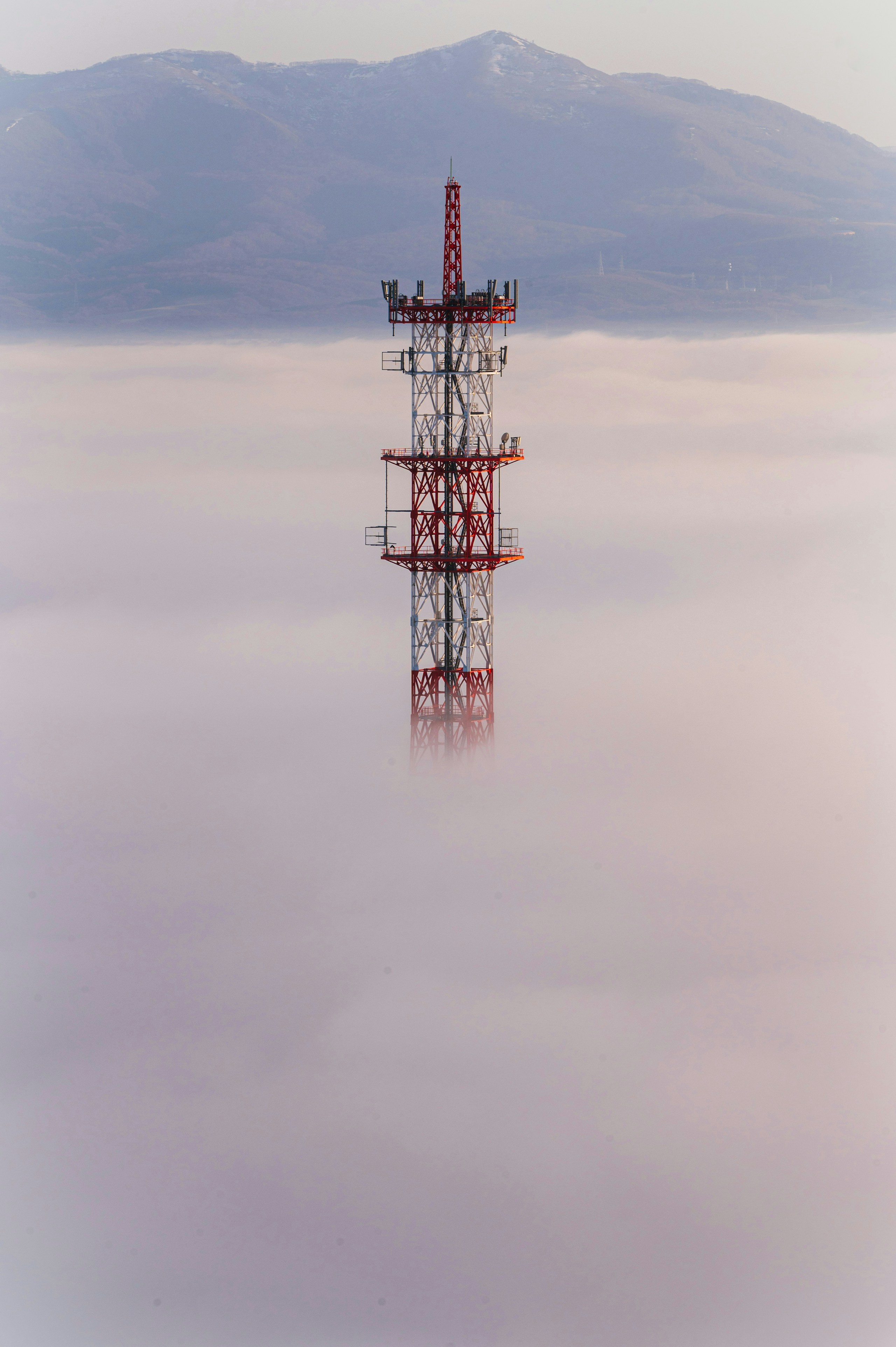
Photo by Mina Mizutani
Magazine headlines, exhibition labels, dates in family albums, and captions for photojournalism—photographs have never circulated in complete silence. What has changed is that, while context can be instantly overlooked on social media, it has also become a key factor in whether an image is saved or shared.
Wall texts in museums and galleries are designed to situate works within a broader context while leaving room for viewers to construct their own meanings. Captions for photographs serve a similar purpose: rather than imposing a single interpretation, they gently suggest, “Look here, and you may find something interesting.”
With smartphones and cameras, it is easier than ever to capture a well-composed image. What sets a work apart now is the artist’s time: why they stood in that place, why they chose that moment, and what they chose not to include in the frame.
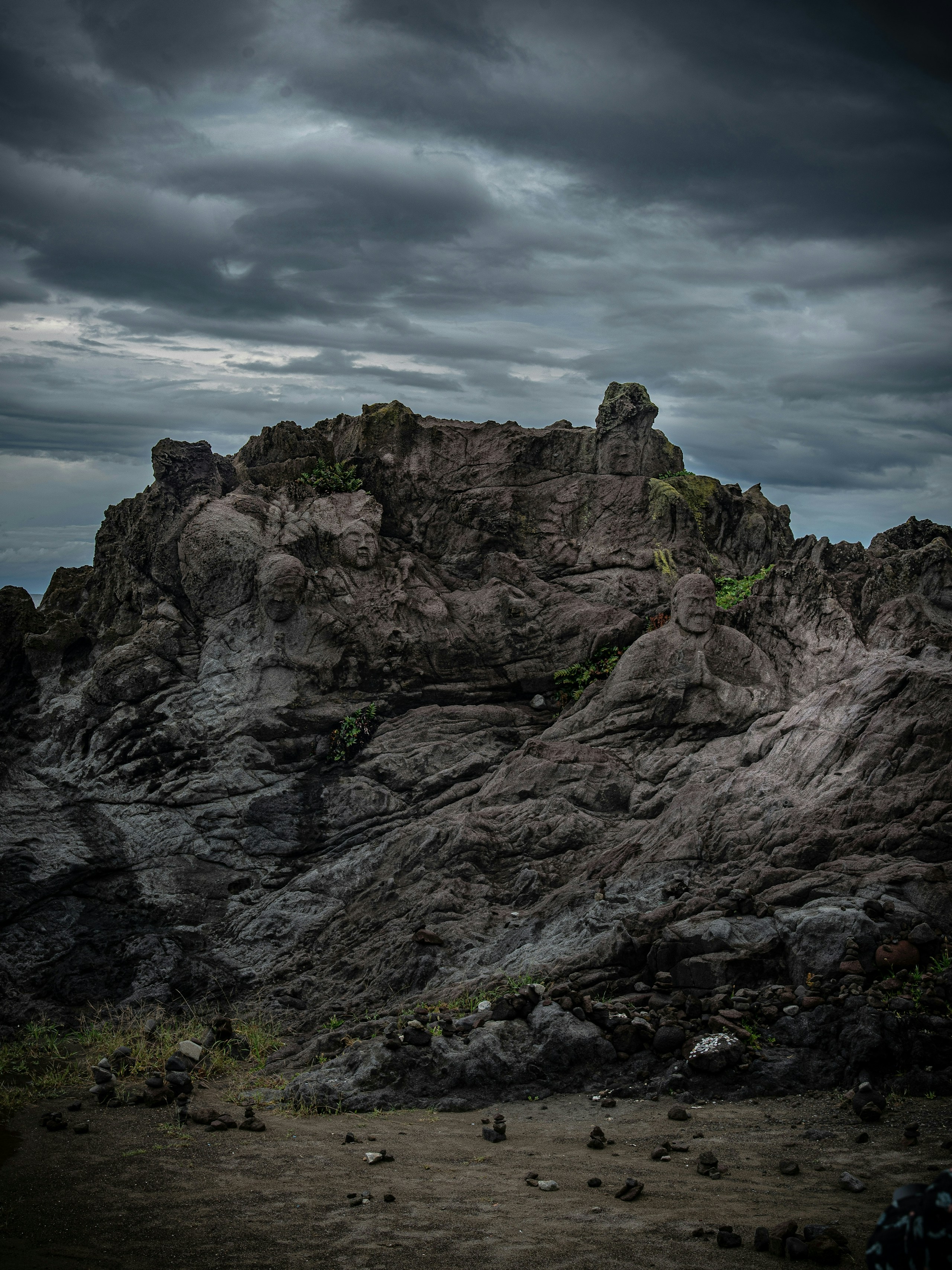
Photo by ishii
In other words, what is being seen is not just the subject, but how the artist frames the world. By briefly sharing why you waited for the light, a chance encounter, or the hesitation you felt at the moment of capture, your work shifts from simply “beautiful” to “memorable.”
There are several entry points a caption can offer. One is to gently convey the place, time, or quality of light. Another is to indicate where you hope the viewer’s attention will linger. The third is to leave traces of the atmosphere before and after the shoot, or the artist’s state of mind.
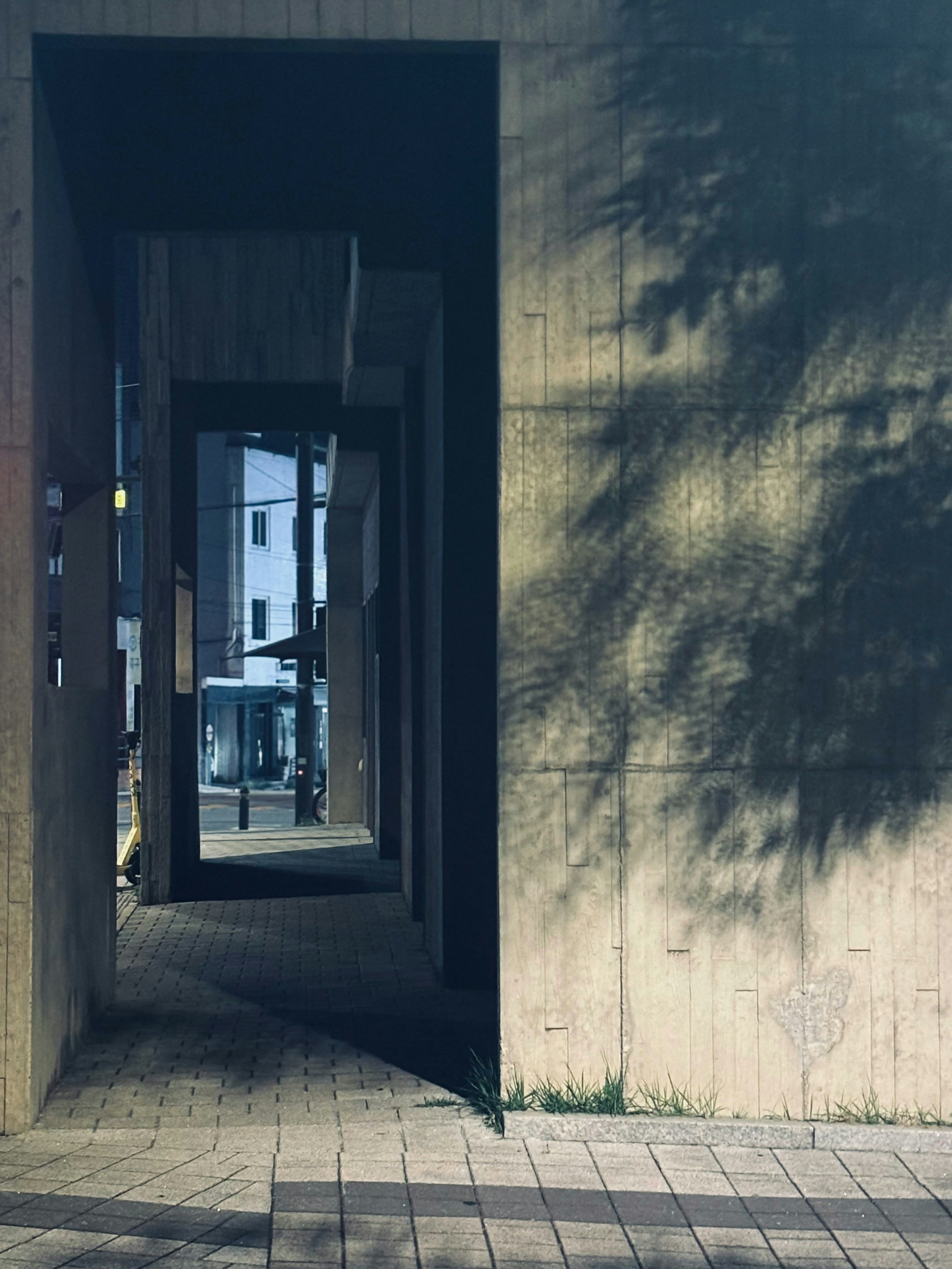
Photo by chonacom
Even with the same photograph, the impression changes depending on whether the caption reads “Behind the station after the rain,” “Chasing reflected light,” or “Glanced back on my way home.” A caption is not a mere explanation, but an editorial touch that conveys a hint of the photograph’s atmosphere.


