MAGAZINE
MAGAZINE
MAGAZINE
MAGAZINE
By cizucu ·
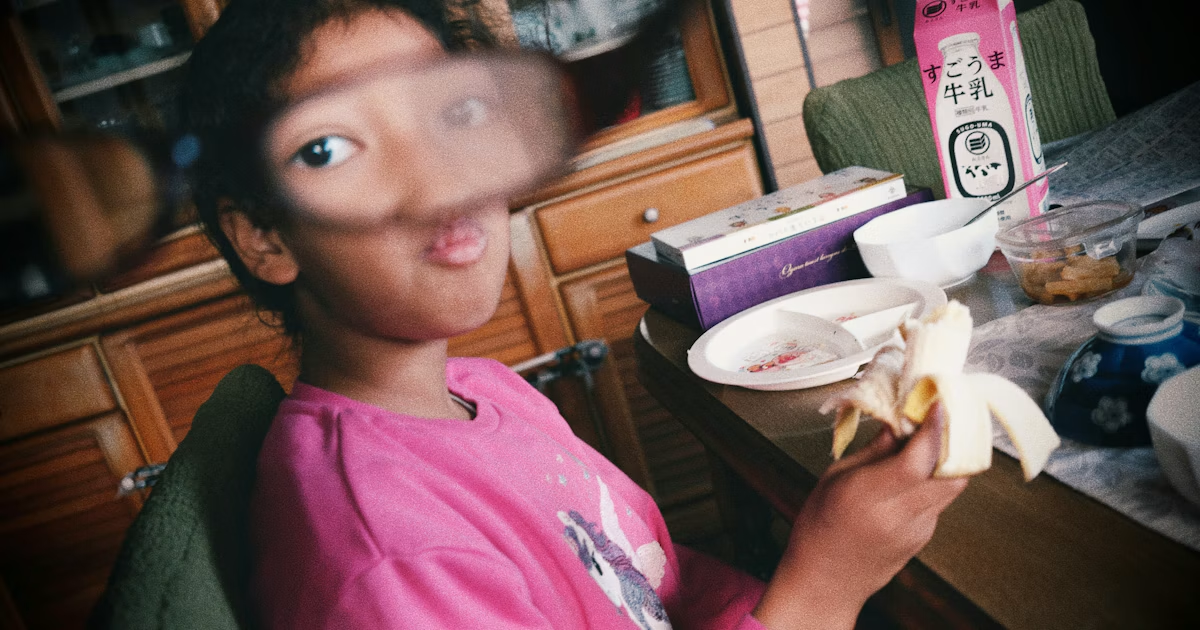
Cover photo by dede dos film
Why is it that, when looking at a photograph, we sometimes recall the sounds or even the scents of that moment? Encountering such an image, photography feels less like a 'record' and more like a small, lived experience.
Though a photograph is a still image, sometimes a short film begins to play in our minds. This mysterious sensation may be proof that photography offers us something beyond what is simply depicted.
This time, we gently explore why a single photograph can feel 'cinematic,' using the perspectives of 'PROVOKE' from the 1960s–70s and the aesthetics of are, bure, boke.
For a more layered understanding, we recommend reading our previous feature The World of Are, Bure, Boke. To further trace the background of bokeh, see The Story of Bokeh: Tracing the Aesthetics and Evolution of Blur in Photography and #bokeh | Capturing Distance and Atmosphere with Blur.
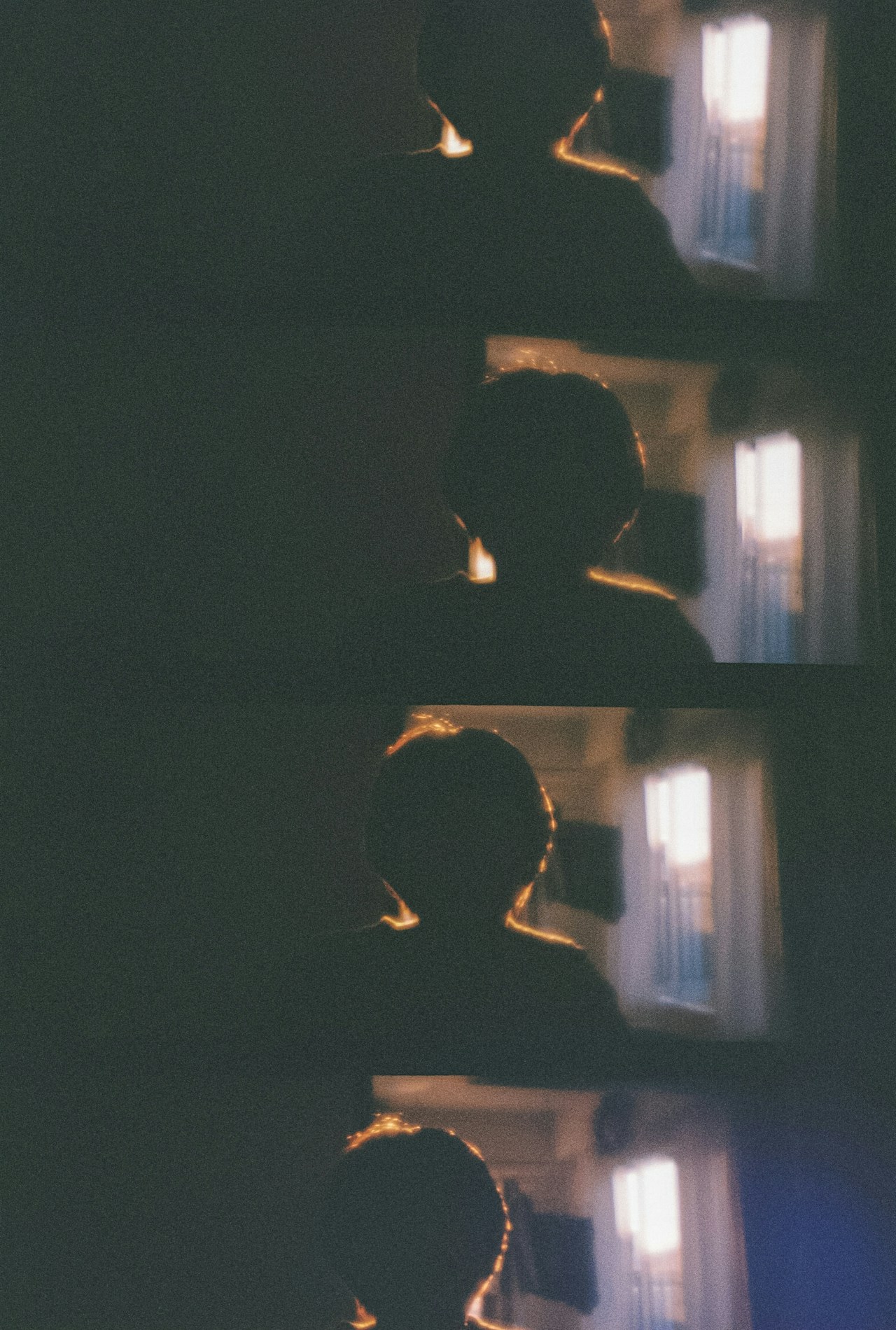
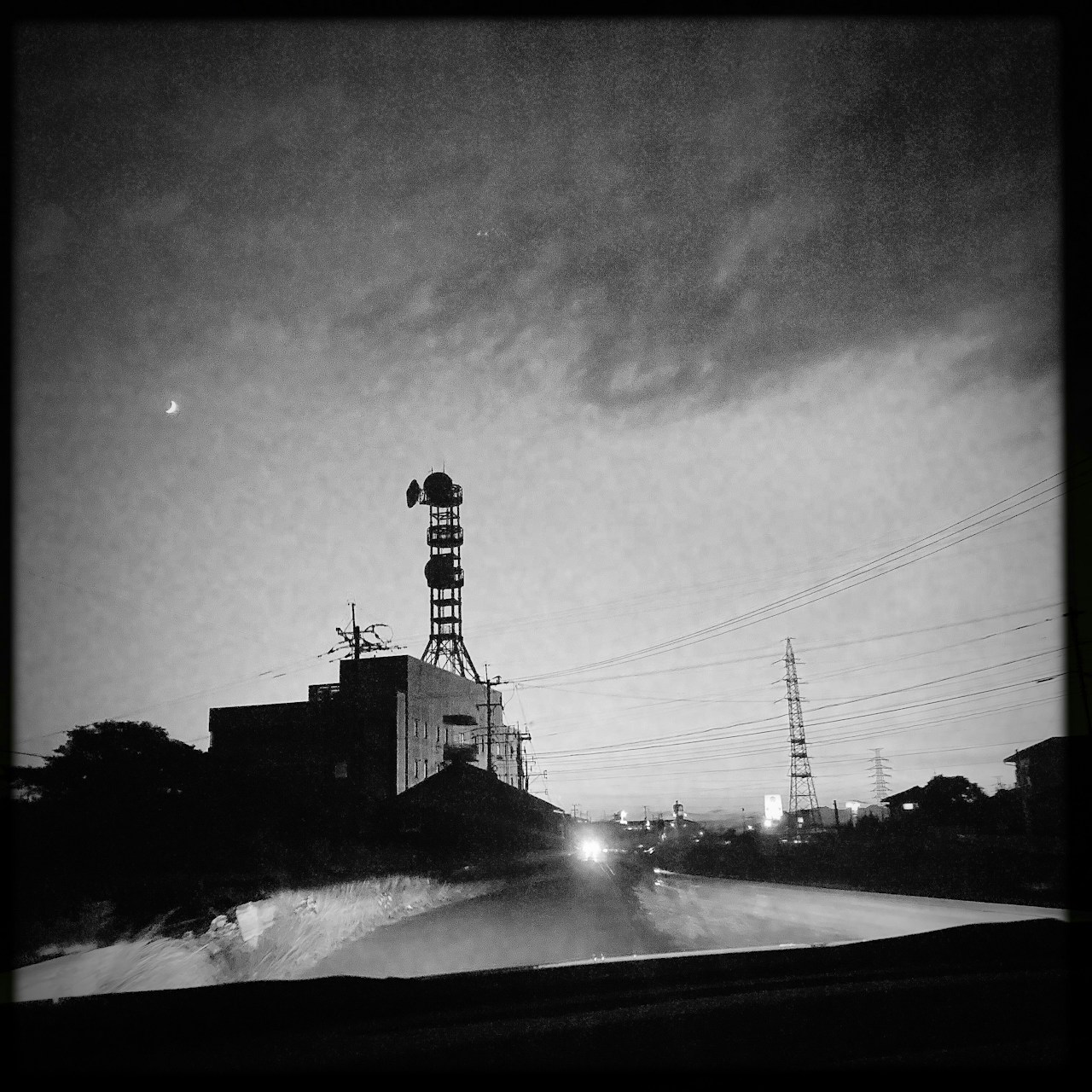
In the 1960s and 70s, Daido Moriyama, Takuma Nakahira, and others used the independent magazine 'PROVOKE' to challenge the prevailing notion of what constituted 'correct photography.' Rather than dismissing blur, bokeh, or coarse grain as 'mistakes,' they embraced these qualities as tactile means to engage with the rawness of reality.
Photo by ss_yy_uu
Does a photograph become more truthful the more it is refined?
Or is it in the unpolished aspects that the texture of an era truly remains?
The question posed by 'PROVOKE' remains as relevant as ever.
The reason is simple: today, we are surrounded by images that are more precise and pristine than ever before. Smartphone auto-correction, AI noise reduction, sharpening, HDR—anyone can now create images free of 'imperfection.'
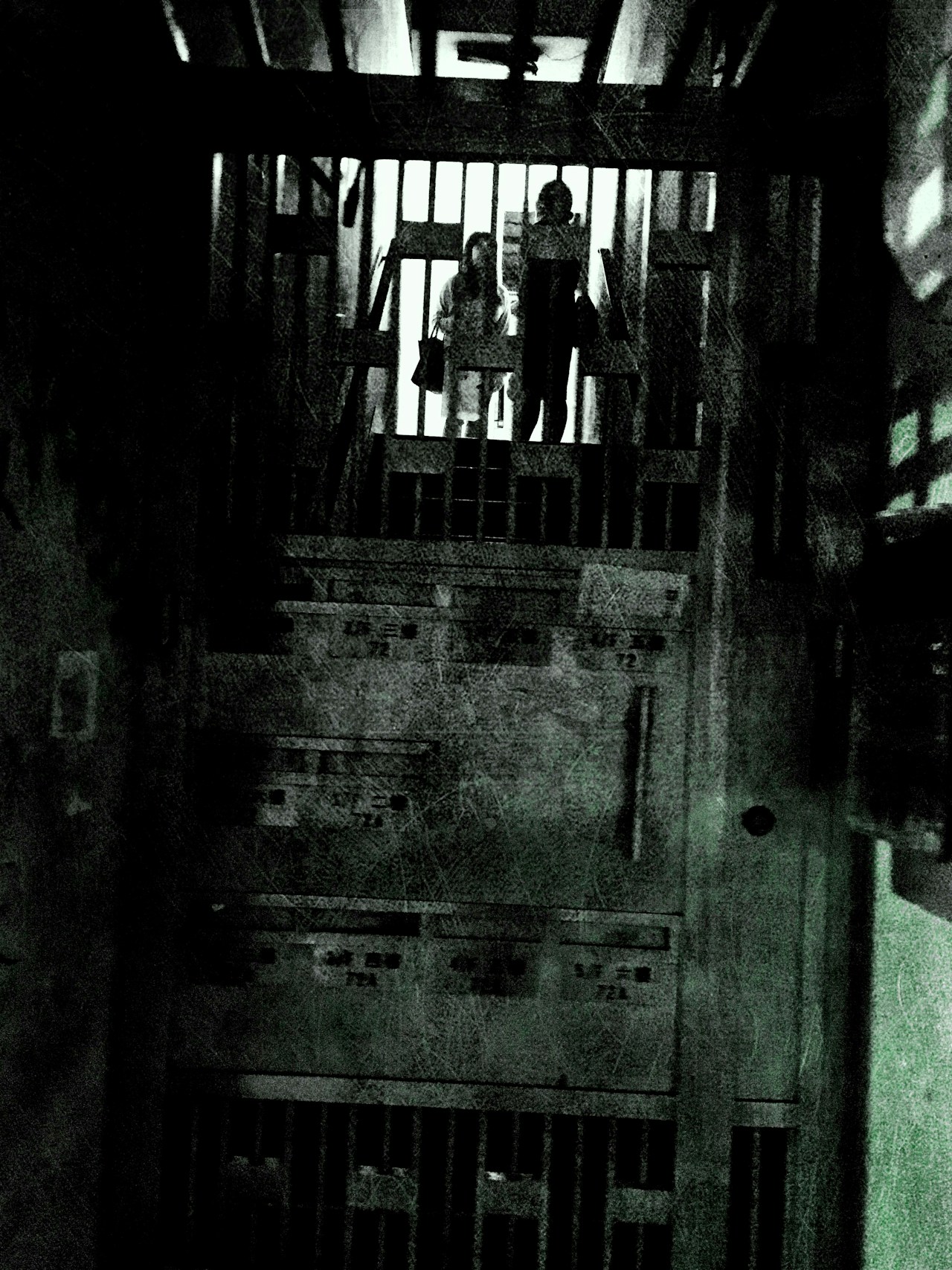
Here, 'are' refers to the roughness or graininess of the image. This includes high-ISO noise and coarse tonal gradations—the very texture of photographs that resist being fully polished.
Photo by Toishiya
Precisely because of this, the allure of photography can no longer be described solely by its flawlessness. A slight shake, a touch of ambiguity, a bit of roughness—within this noise, the photographer’s breath and the ambient temperature can emerge. Are, bure, boke are expressive strategies that help us reclaim the tactile quality of photography today.
Photographs that clearly explain a situation are very considerate. Yet, the images that linger in our minds often lack a complete 'answer.' 'What was this person looking at?' 'What happened next?' This sense of incompleteness gently stirs the viewer’s imagination, transforming the photograph into a narrative.
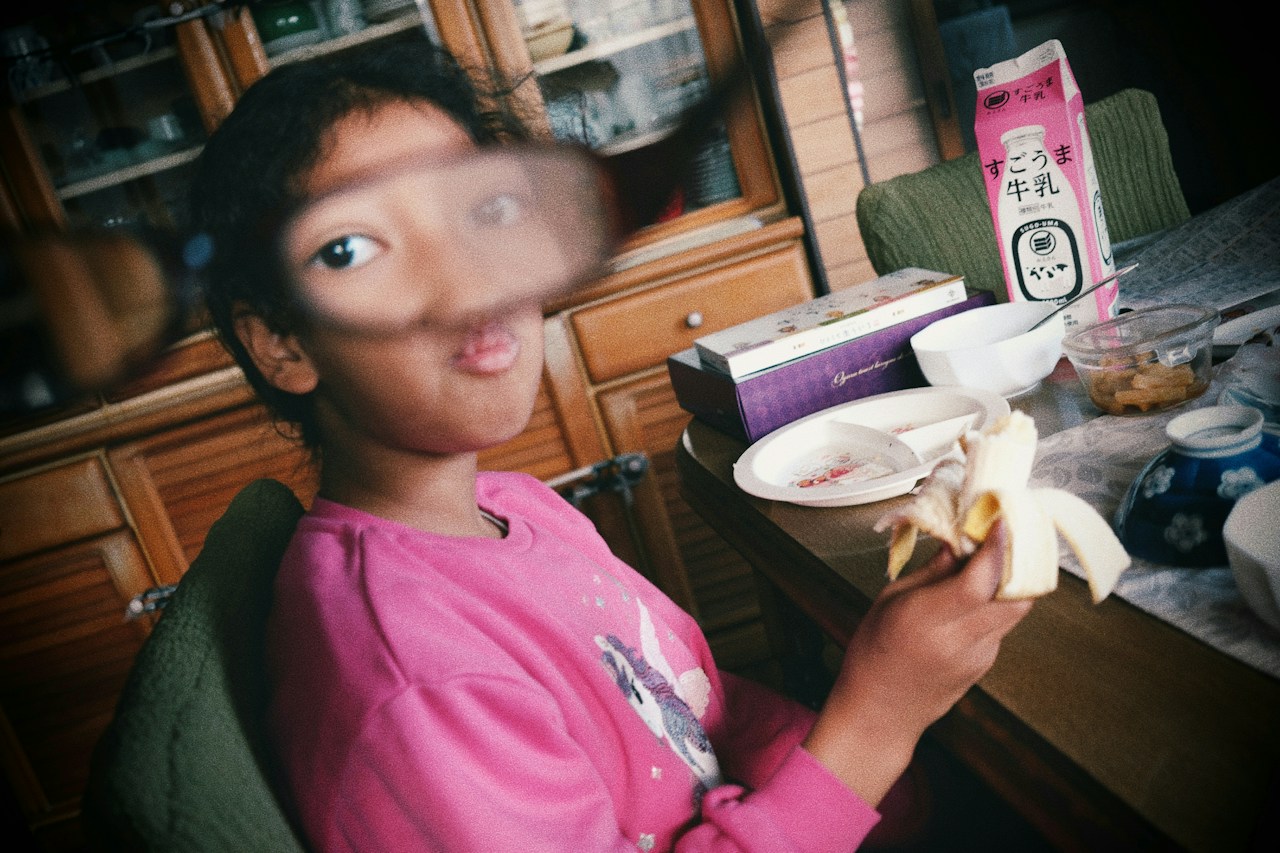
Photo by dede dos film
And when the narrative begins to unfold, we experience a photograph not as a 'still image,' but as an 'experience' that encompasses time before and after the moment. The film that plays in our minds may be possible because the photograph leaves us with a question.
Blur is like the tail of movement. Walking, turning, smiling—those moments just before and after are faintly preserved within the photograph.
Rather than eliminating blur, consider what kind of temporal texture you wish to retain. This approach can make your photography feel gentler and more dynamic.
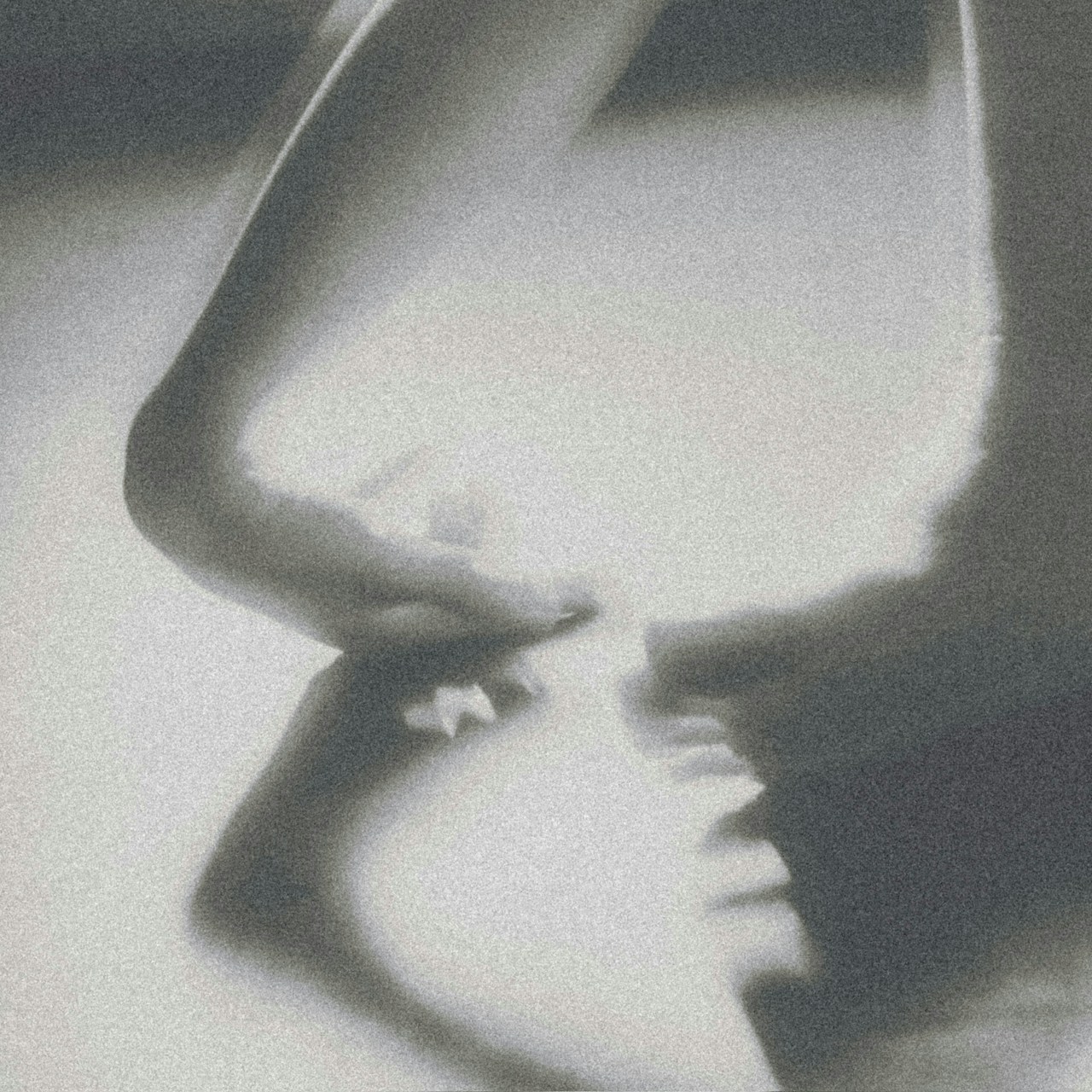
Photo by ymyume
As bokeh increases, so do the unseen areas of the image. We instinctively try to sense distance or temperature in those spaces.
By dissolving contours, photography can convey 'atmosphere' rather than 'explanation.' Perhaps this is why still images can feel as if they are flowing like moving pictures.
Photo by danceforallthepain
Photographs that evoke a cinematic flow are those that do not say everything. Not over-depicting, not over-refining—leaving a bit of space. Into that space, the viewer’s breath and memories enter, and the photograph is renewed again and again.
There are moments when 'imperfection' becomes an ally of expression. May your own images also be imbued with such openness.