MAGAZINE
MAGAZINE
MAGAZINE
MAGAZINE
By cizucu ·
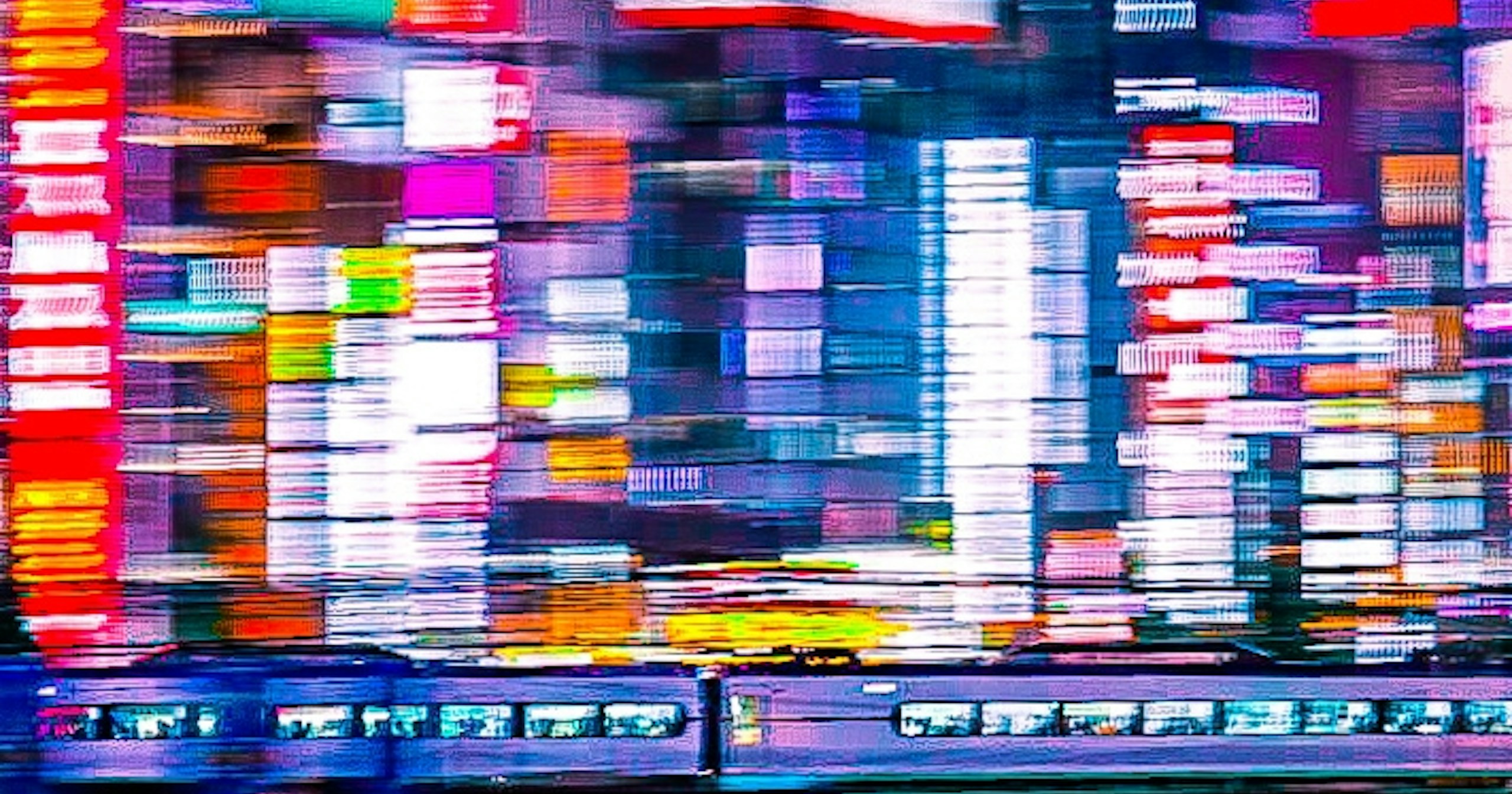
Cover photo by tee you
“Capture the city with a single source of light.”
On your way home, look not just for the light itself, but for the shapes that light creates.
Billboards, vending machines, traffic signals—select just one, then quietly construct your frame by tracing the contours, catching reflections on the pavement, and allowing the shadows to breathe. Since highlights tend to blow out easily, it’s safer to err on the side of underexposure.
For just ten minutes, try framing your familiar cityscape through the lens of light.
Start by seeking out light sources with color. Red or green traffic lights, the cool blue of a vending machine, or purple neon—color preserves a sense of atmosphere even against a dark background.
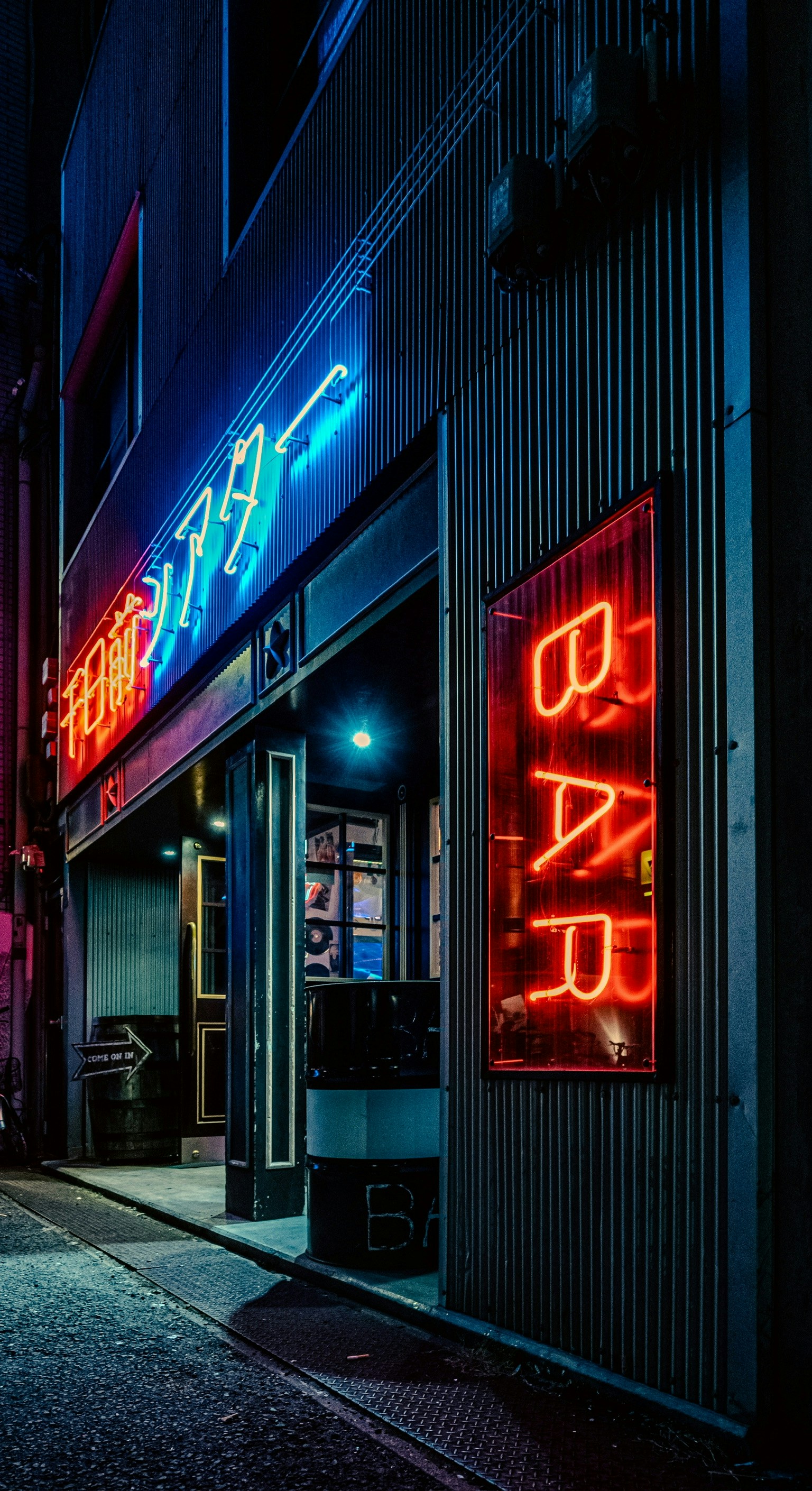
Photo by ksk_1990
The key is to position your subject at the edge of the light. Instead of the brightest center, place a person, bicycle, hand, or coat collar at the fading edge. This creates a rim light along the contours, while the face and body fall into shadow, enhancing the mood. On a smartphone, lower the exposure and lock it so highlights aren’t blown out. With a camera, use spot metering near the light source to protect the highlights.
At night, with less visual information, the structure of your composition becomes more pronounced. Use foreground elements like railings, door frames, glass, or shrubbery to create a “frame within a frame,” allowing the light to stand out.
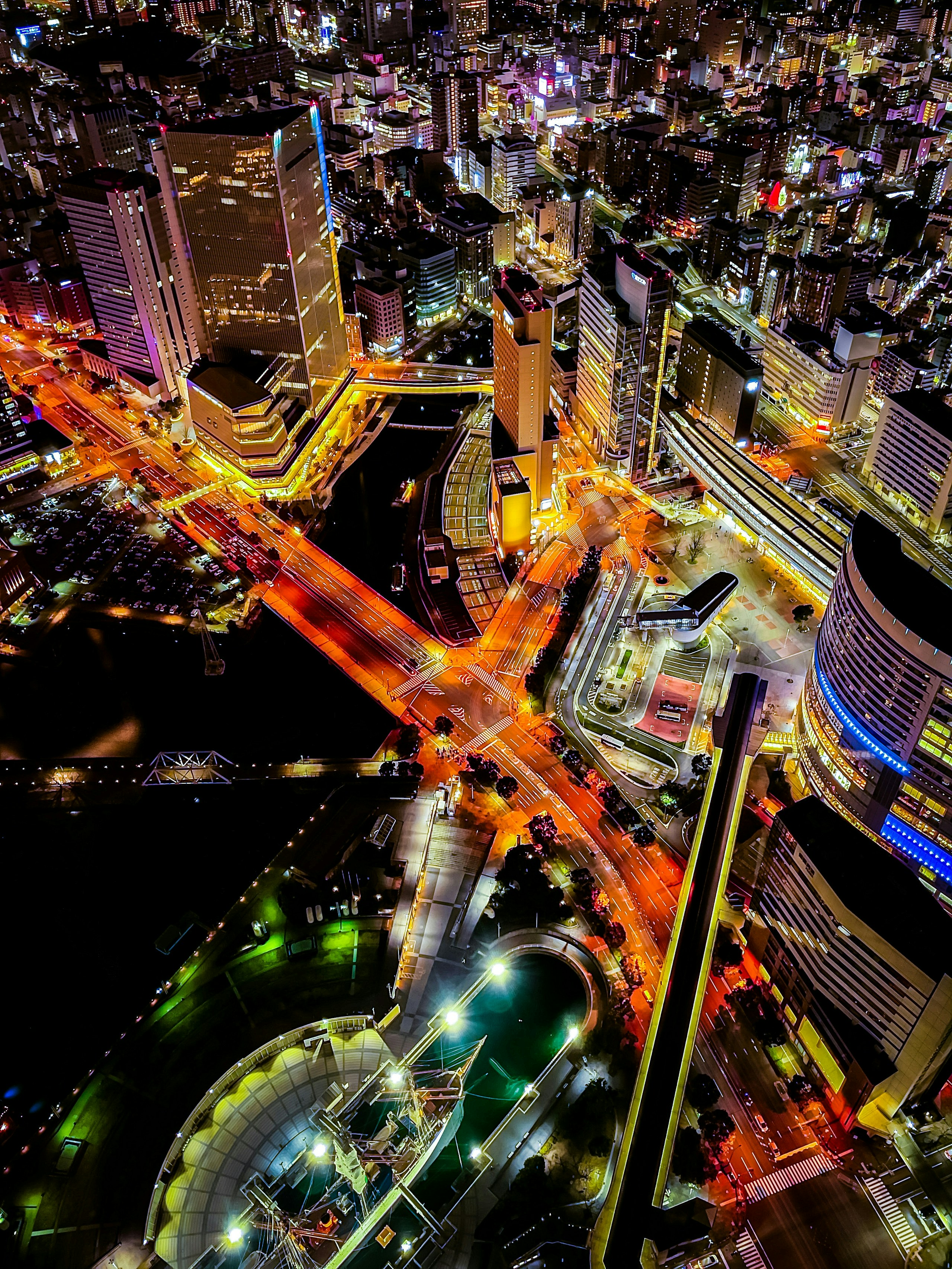
Photo by ⭐︎グッチー⭐︎
Additionally, use diagonal lines to guide the viewer’s eye. Place the light source in a corner, and let road markings, wall edges, or the direction of a walking figure run diagonally through the frame. Even a small light can take on the presence of a destination. On a smartphone, try shooting wide at 0.5x; with a camera, a 35mm lens is ideal for clean compositions.
Artificial light tends to blow out quickly. If letters or colors in the brightest area become a white mass, reduce your exposure by one stop. You can recover shadow detail in post, but lost highlights cannot be restored.
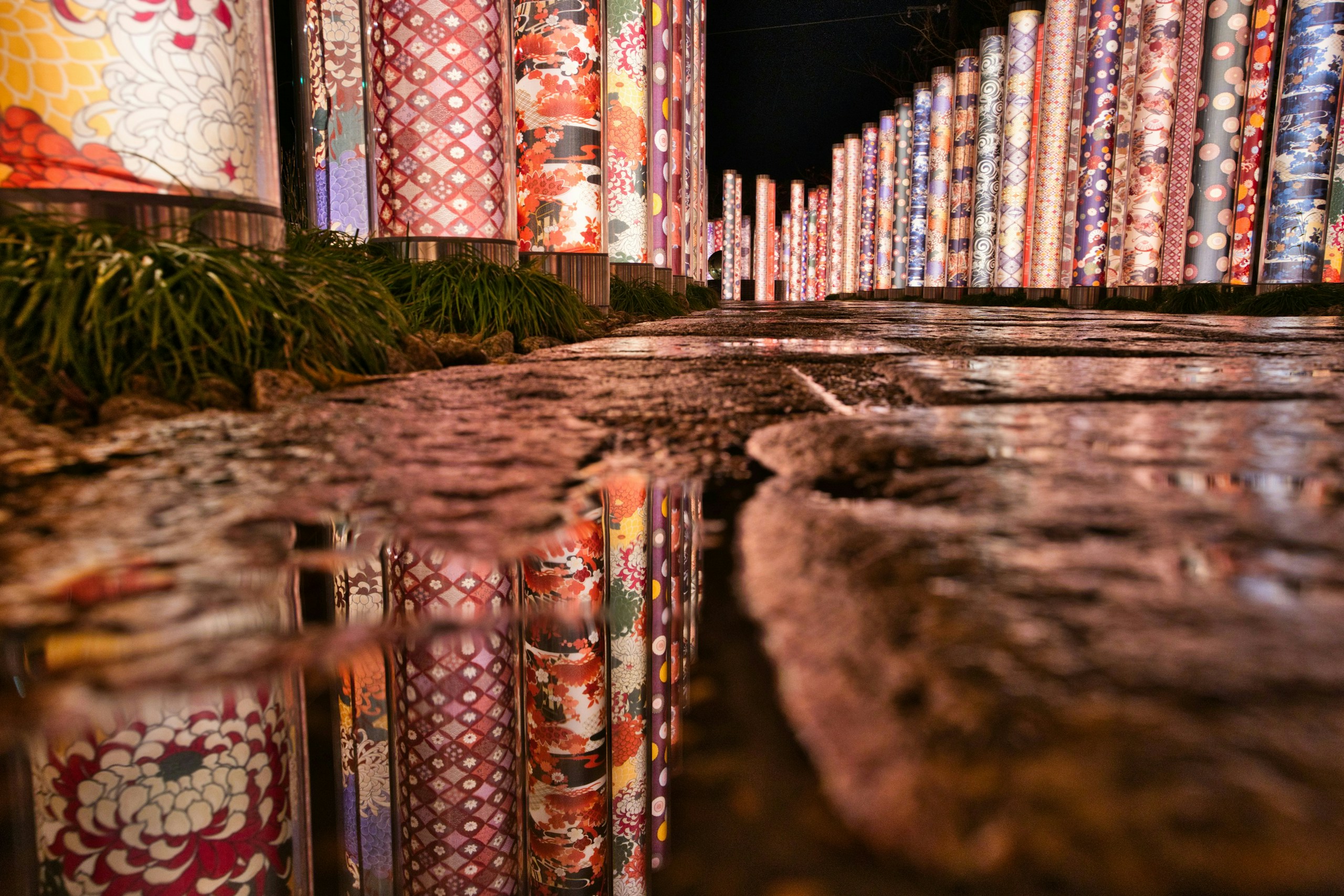
Photo by Yukihiro
For motion blur, start with a shutter speed of 1/125 sec. For stationary subjects, 1/125 sec is sufficient; for walking figures, aim for 1/250 sec. Compensate for any lack of light by increasing ISO. If you’re concerned about camera shake, steady yourself against a wall or pillar, take a deep breath, and shoot. Shooting in burst mode is also a practical solution for night photography.


