In 'Read Your Photography,' we focus on the narratives behind photographs—stories that cannot be encountered by simply looking. Alongside works gathered through the cizucu-hosted and social media, cizucu Magazine translates the backgrounds and unique moments behind each image into 12 languages and delivers them to a global audience.
While you may choose to keep these stories close to your heart, those feelings may quietly touch someone else and inspire new emotions.
This edition features the works of five artists from around the world.
Now, let us gently peer into these singular, irreplaceable stories.
oogle’s Story
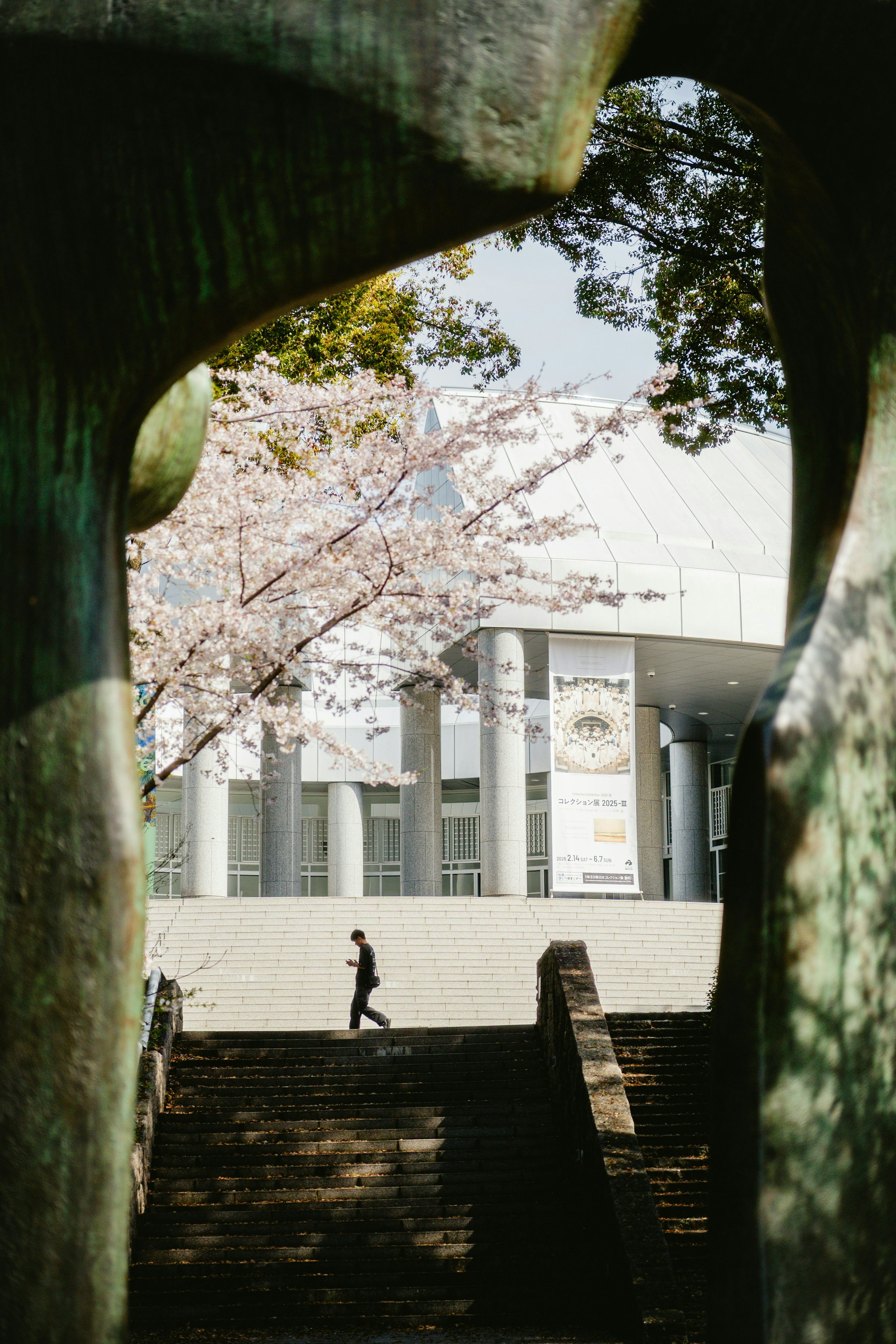
Photo by oogle
oogle
📚 01
In Danbara, Minami Ward, Hiroshima—the neighborhood where I was born and raised—Hijiyama traces the town’s contours. Danbara is also known as the area that was spared from the atomic bomb’s devastation due to the shadow cast by Hijiyama.
Atop Hijiyama sits the Hiroshima City Museum of Contemporary Art, whose roof, when viewed from above, opens in a C-shape. It is said that Henry Moore’s ‘Arch’ sculpture, situated there, faces toward the epicenter of the atomic blast.
In this photograph, I used the ‘Arch’ as a frame, composing the scene with cherry blossoms and the museum, and waited for the moment someone would pass through.
If gazing from the museum through the arch toward the epicenter is an act of wishing for peace, then this view from the opposite side seemed to embody the tranquility of everyday life as it is today.
cizucu Editorial Team
The gentle presence of cherry blossoms and the geometric forms of the museum’s architecture are quietly connected by the sculptural ‘Arch’ acting as a frame. The gaze is subtly guided, linking to the collective memory of the city. Rather than overtly expressing a wish for peace, the weight of history seeps through the calmness of daily life. This photograph stands out for the careful way it conveys the strength of photography.
P H Lee’s Story
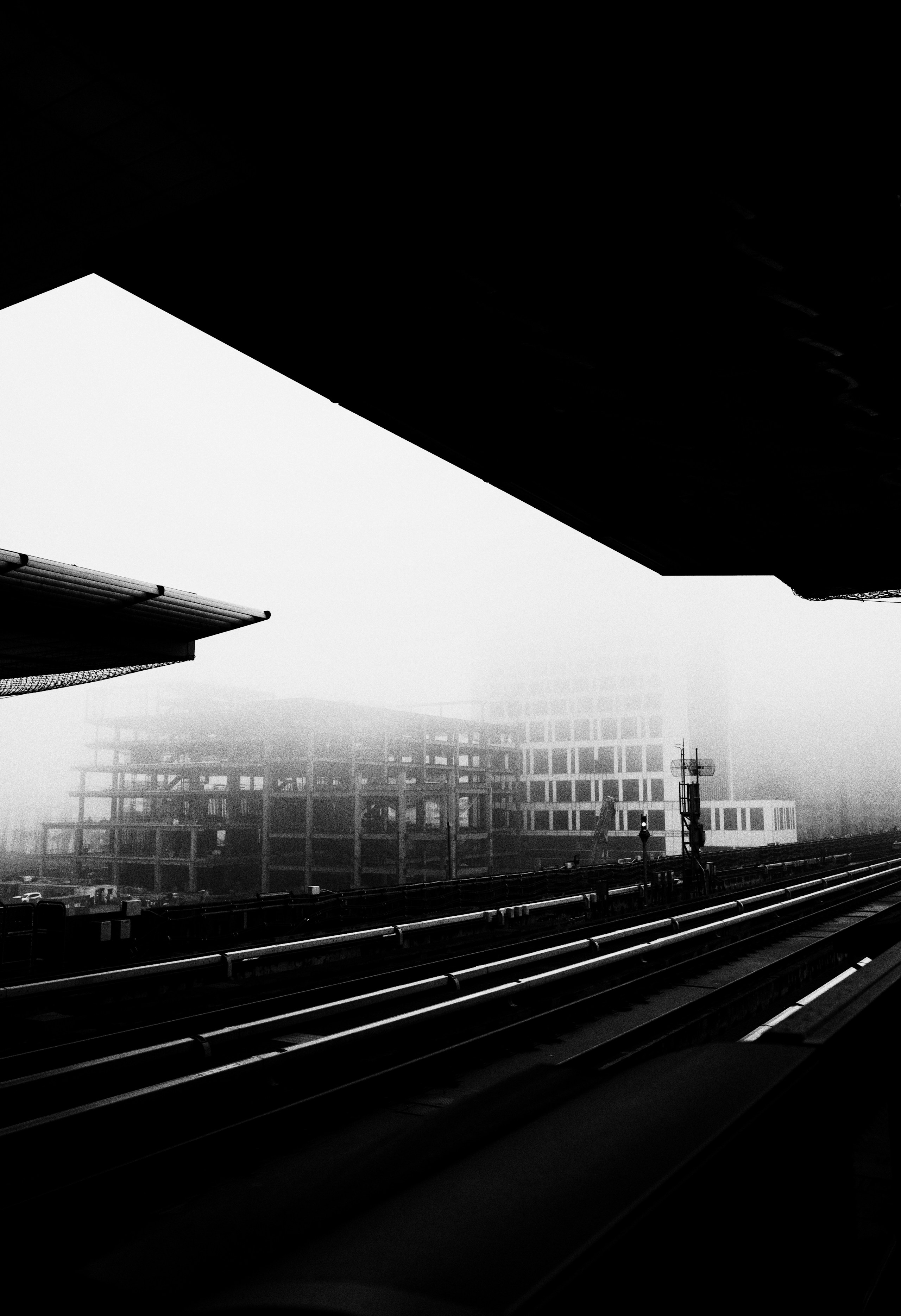
Photo by P H Lee
P H Lee
📷 RICOH GR IV
📚 02
I am a chronic migraine sufferer and have lived with this condition for 20 years.
Any number of factors—changes in temperature or humidity, stress, emotional instability, or even extreme hunger—can trigger a migraine, making it impossible to ignore.
On this day, I left Taipei early in the morning and headed to Linkou, on the edge of the basin, for work. In mid-March, Linkou is extremely humid, and soon the spring rain began to fall. As expected, my migraine struck again. I finished my workday with the pain still lingering and returned to the Linkou MRT station in the evening.
Standing on the platform, I was deeply moved by the overwhelming sight of dense fog. The mist was so thick it seemed to drain the world of color, and I couldn’t tell where the subway tracks led. The cluster of high-rise buildings under construction—symbols of redevelopment—should have represented the city’s future, but in the fog, they appeared instead as a desolate, almost apocalyptic landscape.
Perhaps that sense of desolation reflected the uncertainty and confusion within myself.
cizucu Editorial Team
The platform swallowed by dense fog evokes both the anticipation of what lies beyond and a subtle anxiety of reaching a dead end. The pain of migraines, the humidity, and the looming redevelopment all conjure a sense of finality. The external landscape mirrors the internal turmoil, resonating with the viewer’s own bodily sensations. The whiteness of the fog sharply outlines the contours of uncertainty.
MATTHEW H. STURGESS’s Story
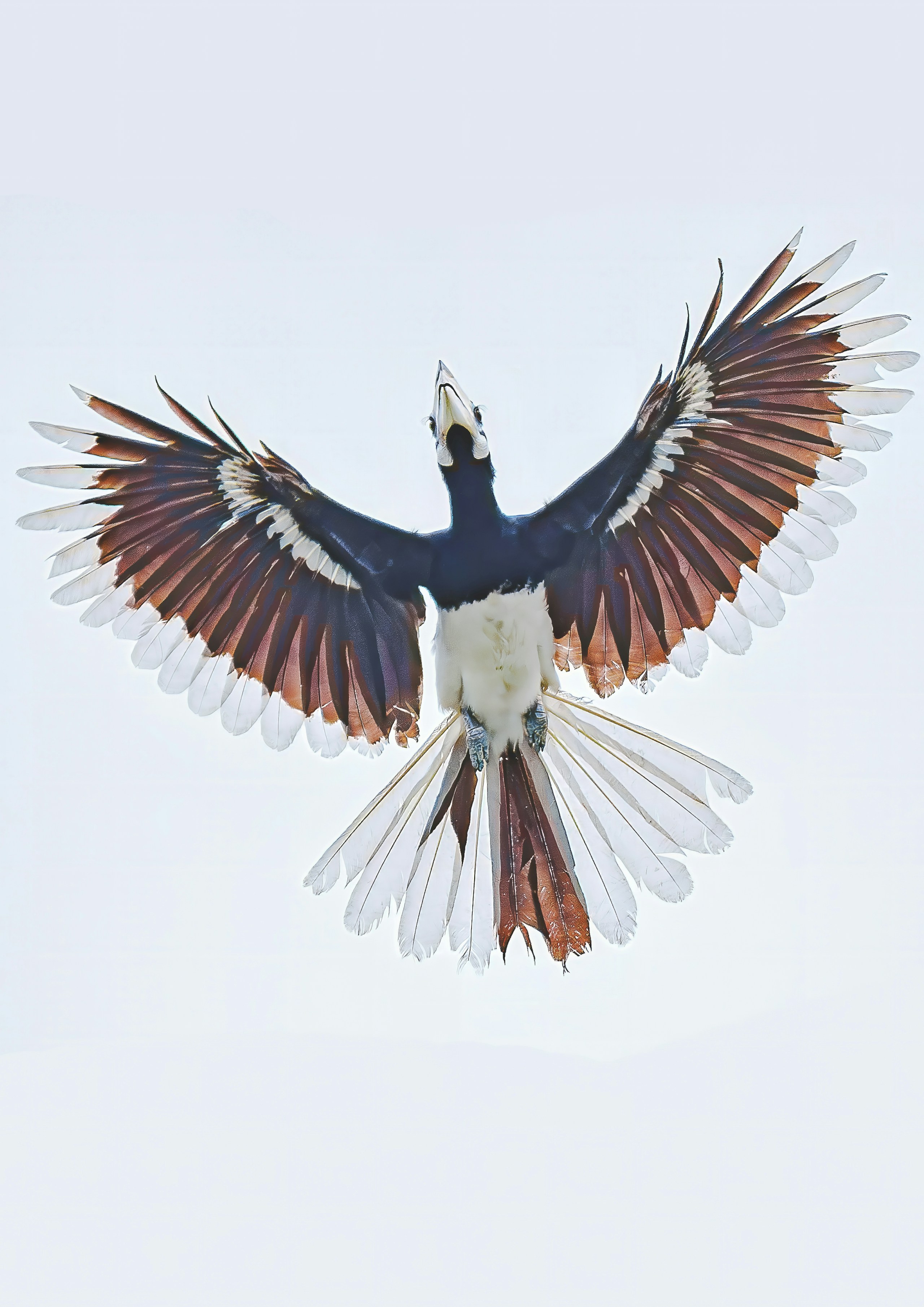
Photo by MATTHEW H. STURGESS
Photo by MATTHEW H. STURGESS
MATTHEW H. STURGESS
📚 03
One early morning in December 2025, while drinking coffee at home in Singapore, I heard a loud call from outside. Fortunately, I was planning to visit a nearby nature park that afternoon, so my camera was already prepared and ready to go.
I immediately recognized the call as that of a hornbill, grabbed my camera, and rushed out the door and onto the street. With one eye on the sky and the other on my camera, I barely had time to watch for oncoming traffic (luckily, there were no cars).
As I pointed my lens skyward, a beautiful hornbill appeared directly overhead. The bird was being chased by a group of crows—a ‘murder’—who seemed particularly agitated with their quarry.
Without hesitation, I adjusted my stance and fired off a burst of shots, capturing the fleeting confrontation. One of those frames became the ‘decisive moment.’
In the end, the hornbill escaped safely (though it lost a few tail feathers). What I learned from this experience is the importance of always having your camera gear ready and being prepared to act at a moment’s notice. Opportunities can arise when you least expect them.
cizucu Editorial Team
In the breathless chase, the fact that ‘preparation made the shot possible’ transforms chance into inevitability. In that instant of looking up at the sky, the clash with the crows, the dash into the street, and the rapid-fire shutter all coalesce into a ‘decisive moment.’ This story reminds us that opportunities are not to be waited for, but to be seized.
黃亭綸’s Story
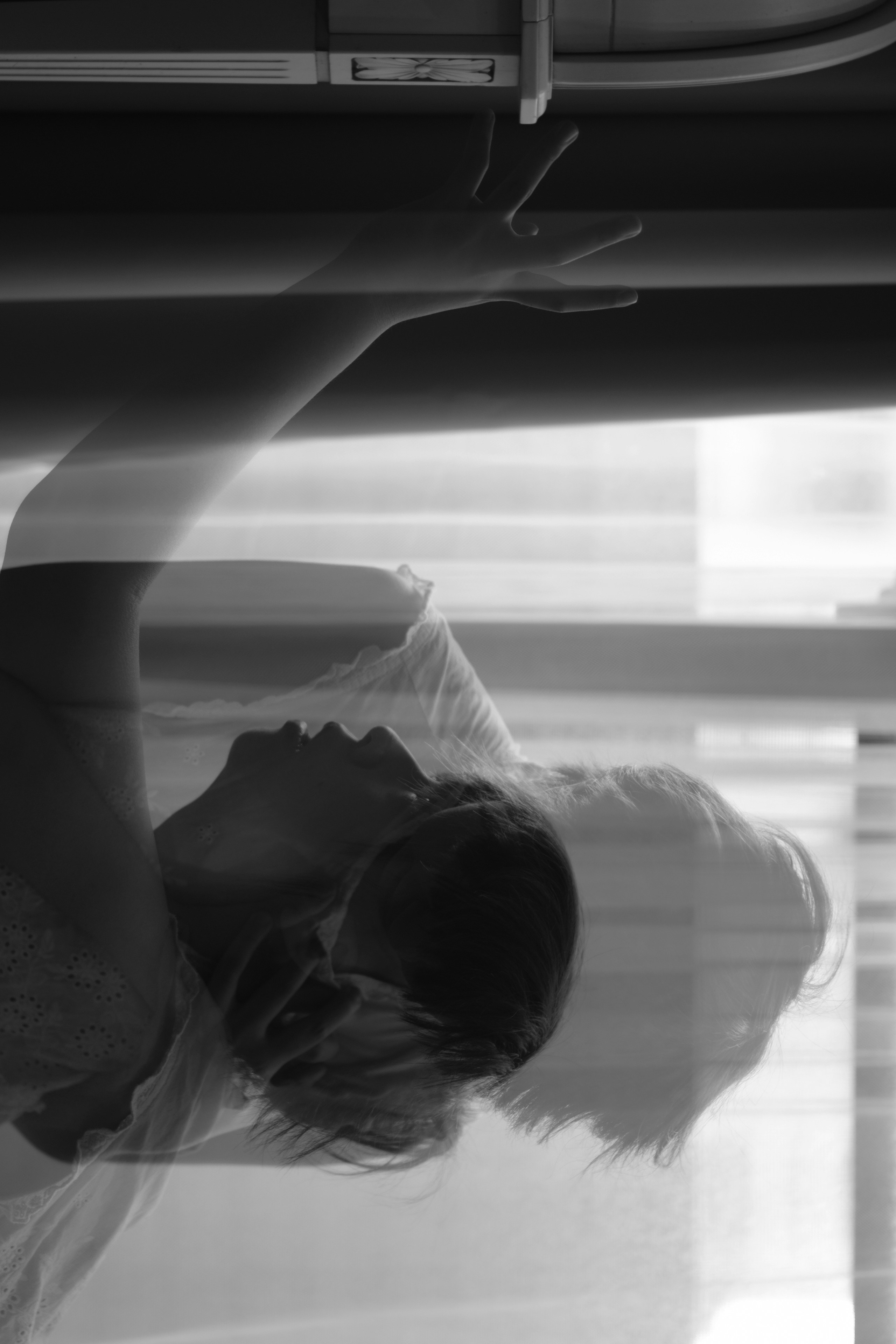
Photo by 黃亭綸
黃亭綸
📚 04
Images created through multiple exposures are not simply single photographs; they serve as vessels for receiving and analyzing the multilayered emotions that accompany my illness, depression.
Two distinct bodily movements—searching, collapsing, and gestures akin to prayer—reflect the realities of living with this condition. Here, the image is not merely a record, but a means of expressing the inner self, transforming moments that cannot be put into words into a single photograph that is both gentle and grounded in reality. Time is condensed within.
I believe that photography is not only about the time that flows between subject and photographer, but also acts as a bridge connecting people to themselves. I trust in the infinite possibilities of that connection.
cizucu Editorial Team
The ‘overlapping’ created by multiple exposures reveals layers of emotion in place of words that might describe one’s state of mind. Teetering, searching, and somewhere, praying—the afterimages of bodily movement capture the reality of time spent living with illness. The process of photography becoming a ‘bridge’ and reconnecting oneself to the world is conveyed with a quiet yet unmistakable strength in this work.
暴龍’s Story
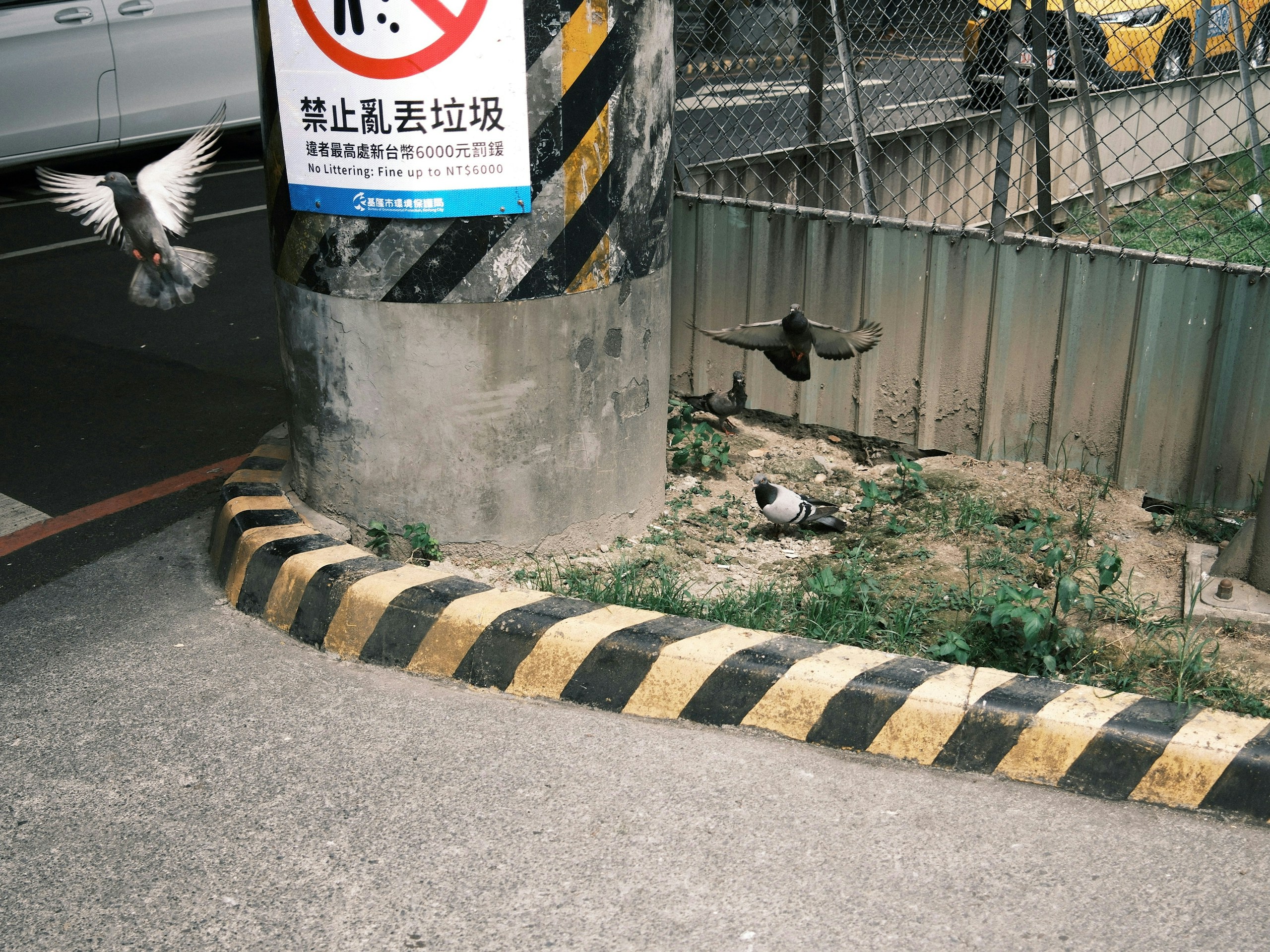
Photo by 暴龍
暴龍
📚 05
One scorching July, I was laid off from my job.
For the first time as an adult, I found myself with a blank stretch of time I could call ‘summer vacation.’
Before taking my next step, I decided to let myself wander for a while. I took my camera out of the dry cabinet for the first time in ages, tossed a few T-shirts into a bag, and boarded a train with no destination in mind.
The city was as busy as ever, with people hurrying through the morning streets.
Meanwhile, sitting in a diner at 10 a.m., I felt completely cut off from the world.
Cheese danbing and black tea—a modest breakfast. Inflation remains tough, but hunger won’t disappear unless I eat. I put on my headphones and played Lim Giong’s ‘Simple Person.’ I wished I could be simple, too.
But in reality, information flows in relentlessly.
News, society, social media—there’s no room to pause.
In such times, does a truly ‘simple person’ even exist?
The train kept heading north, and only the scenery changed—
city, river, factory, sea, countryside.
Only in the moment I pressed the shutter did I feel myself breathe again.
That heartbeat quietly told me:
I am still alive.
cizucu Editorial Team
A journey that begins with loss doesn’t offer dramatic salvation, but gradually restores one’s heartbeat through the shifting scenery, the time spent in a diner, and a fragment of music. The phrase ‘only in the moment I press the shutter do I breathe again’ lingers in the mind, especially in an age overwhelmed by information. This story gently reminds us how photography can become a device for reclaiming the sensation of being alive.
In Closing
How did these stories resonate with you?
We want to focus on the allure that cannot be fully conveyed through visuals alone. 'Read Your Photography' is a project designed to explore the thoughts and emotions behind photographs and to receive them as unique narratives.
What is captured is but a fleeting moment. Yet behind it flows time and unspoken feelings.
We invite you to savor these works as if reading a photograph, as if turning the pages of a book.
How to join
On cizucu’s , a spontaneous ‘photography theme’ is posted from time to time.
All you need to do is reply with ‘your photograph’ that fits the theme.
The only requirement is to follow cizucu’s social media 💙
From among the submissions we receive,
those selected will receive a message from the cizucu editorial team!
'Read Your Photography' also features works exhibited in the cizucu-hosted .
ppp may be happening in your country, too. Encounters connected simply by a shared love of photography are now spreading worldwide.