MAGAZINE
MAGAZINE
MAGAZINE
MAGAZINE
By cizucu ·
Cover photo by rin
When shooting photographs or video, you may encounter issues such as, "It looked natural to the eye, but the shot turned out blue," "Banding appears in indoor video," or "Panning causes strange flickering." Many of these discrepancies are not due to equipment differences, but rather stem from a lack of understanding of the properties of light sources and the mechanisms of cameras.
Especially in today's shooting environments, the widespread use of LED lighting has made color cast and banding common issues that can affect anyone.
If you want to stabilize the quality of your work, it is essential to improve not only your editing techniques but also the accuracy of your decisions and settings before shooting. In this feature, we will organize practical knowledge for controlling color and light in both photography and video.
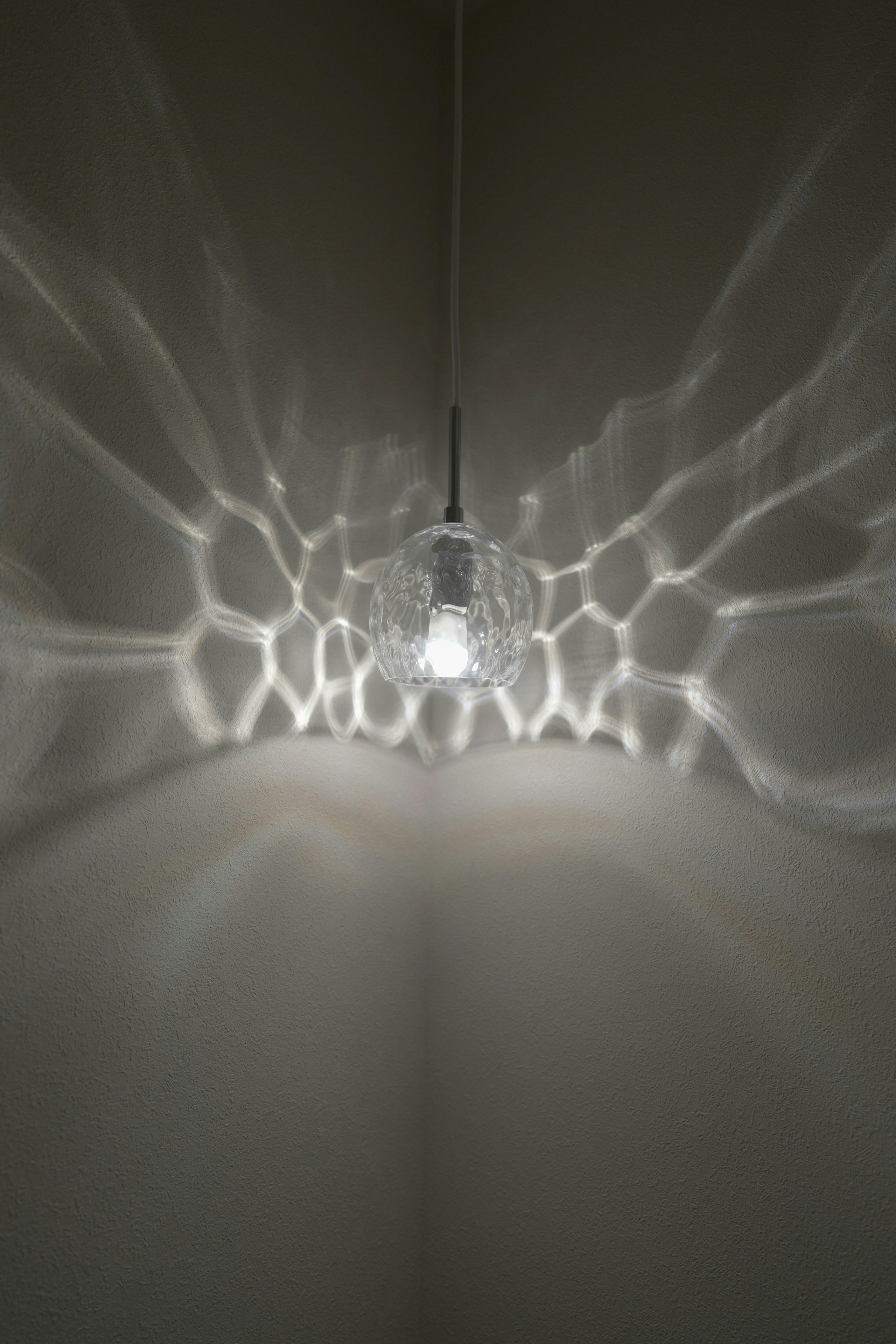
Photo by カルロン
Color cast occurs due to white balance discrepancies or mixed light sources. While the human eye naturally compensates for these differences, cameras record light as it is, making any unnaturalness more apparent in the final image.
To address this, it is fundamental not to rely solely on auto settings, but to use preset or custom white balance modes as appropriate. Furthermore, unifying your light sources as much as possible will greatly enhance color consistency.
Horizontal banding or flicker in video occurs when the flicker of LED lighting is out of sync with the camera's readout timing. As a rule of thumb, set your shutter speed to 1/50 for 24p, 1/60 for 30p, and 1/120 for 60p frame rates.
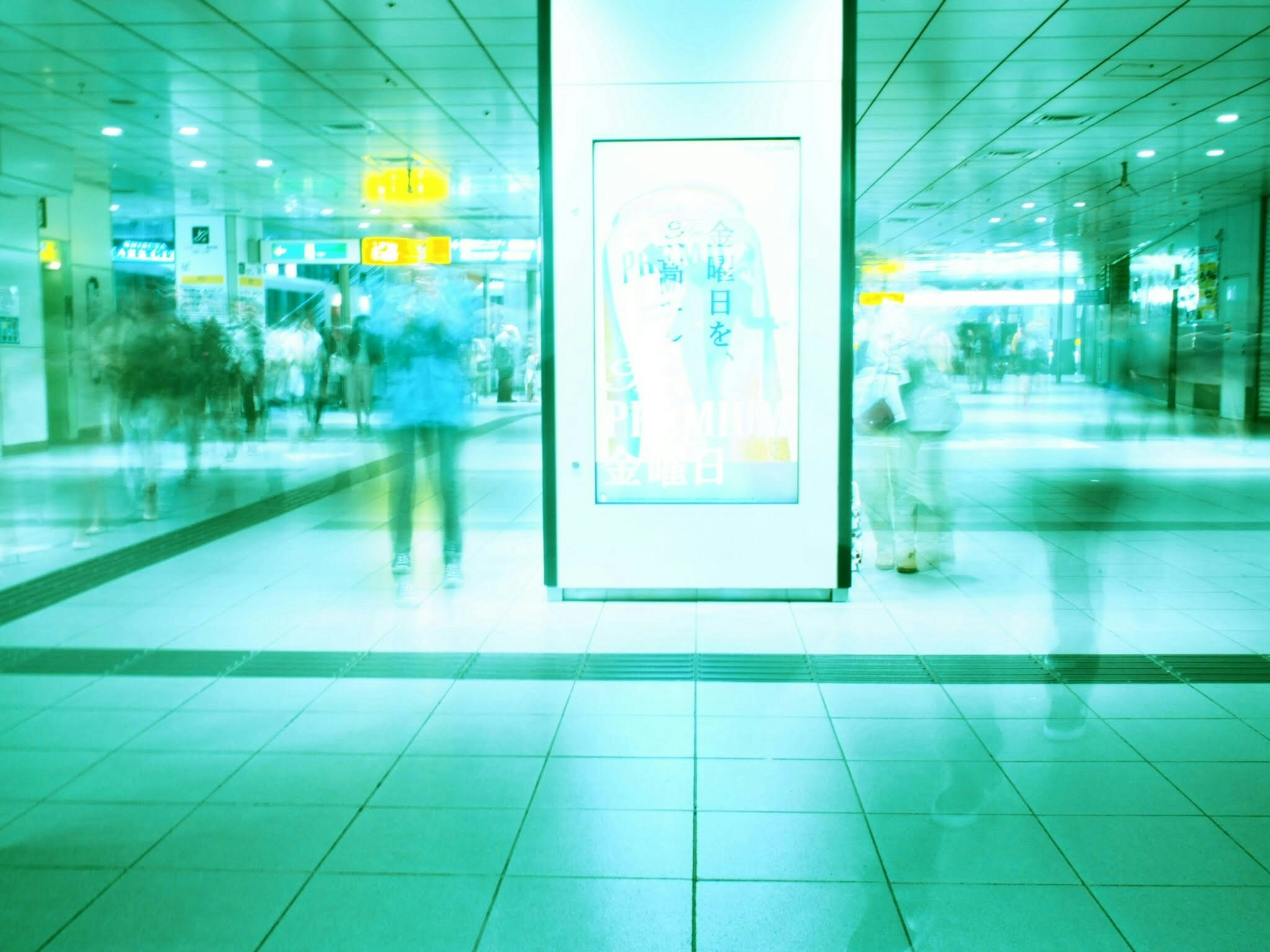
Photo by はくらく
However, with dimmed LEDs, banding may still occur even at these settings. In such cases, increasing the light output to maximum or slightly lowering the shutter speed can be effective. It's important to recognize that banding is not only a matter of camera settings but can also be caused by the lighting itself.
Even with careful setup during shooting, it is not always possible to completely prevent color cast or uneven color. This is where shooting in RAW becomes invaluable. With RAW files, you can flexibly adjust white balance, color temperature, HSL, and more in post-production.
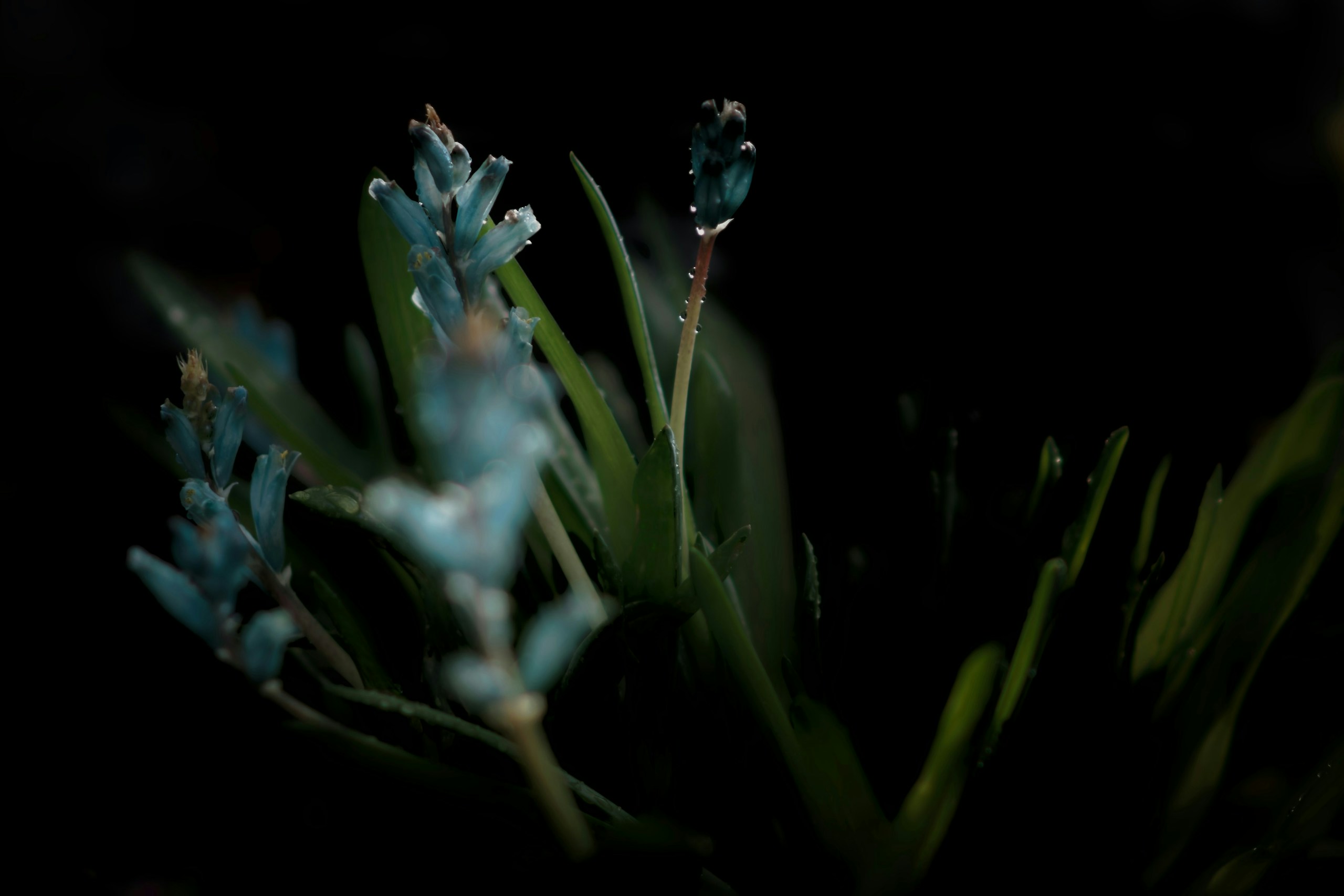
Photo by RYUURI
Especially in applications like and , you can target and correct specific color ranges, making it easier to achieve precise results. It is important to view shooting and post-production not as separate processes, but as a continuous act of expression.
For indoor shoots, check the types of light sources; for video, determine whether dimming is present; for portraits, prioritize accurate skin tones. Having such decision-making criteria helps you avoid confusion on set. Rather than chasing theoretical perfection, choosing the most stable settings for the situation will ultimately enhance the quality of your work.


