MAGAZINE
MAGAZINE
MAGAZINE
MAGAZINE
By cizucu ·
Cover photo by mat-photo-ko
When you capture a sunset or a fleeting moment in daily life, the technology in your hands was originally developed for space exploration. Today, approximately 7 billion CMOS active pixel sensors (APS) are produced annually as the core of smartphones and mirrorless cameras. This technology, often referred to as the "camera-on-a-chip," was born in the early 1990s at NASA's Jet Propulsion Laboratory (JPL).
In 1992, Dr. Eric Fossum was tasked by NASA with the mission to miniaturize cameras for interplanetary space travel. At the time, digital cameras primarily used CCD sensors, but CCDs consumed significant power and were bulky, posing major challenges in the resource-constrained environment of space.
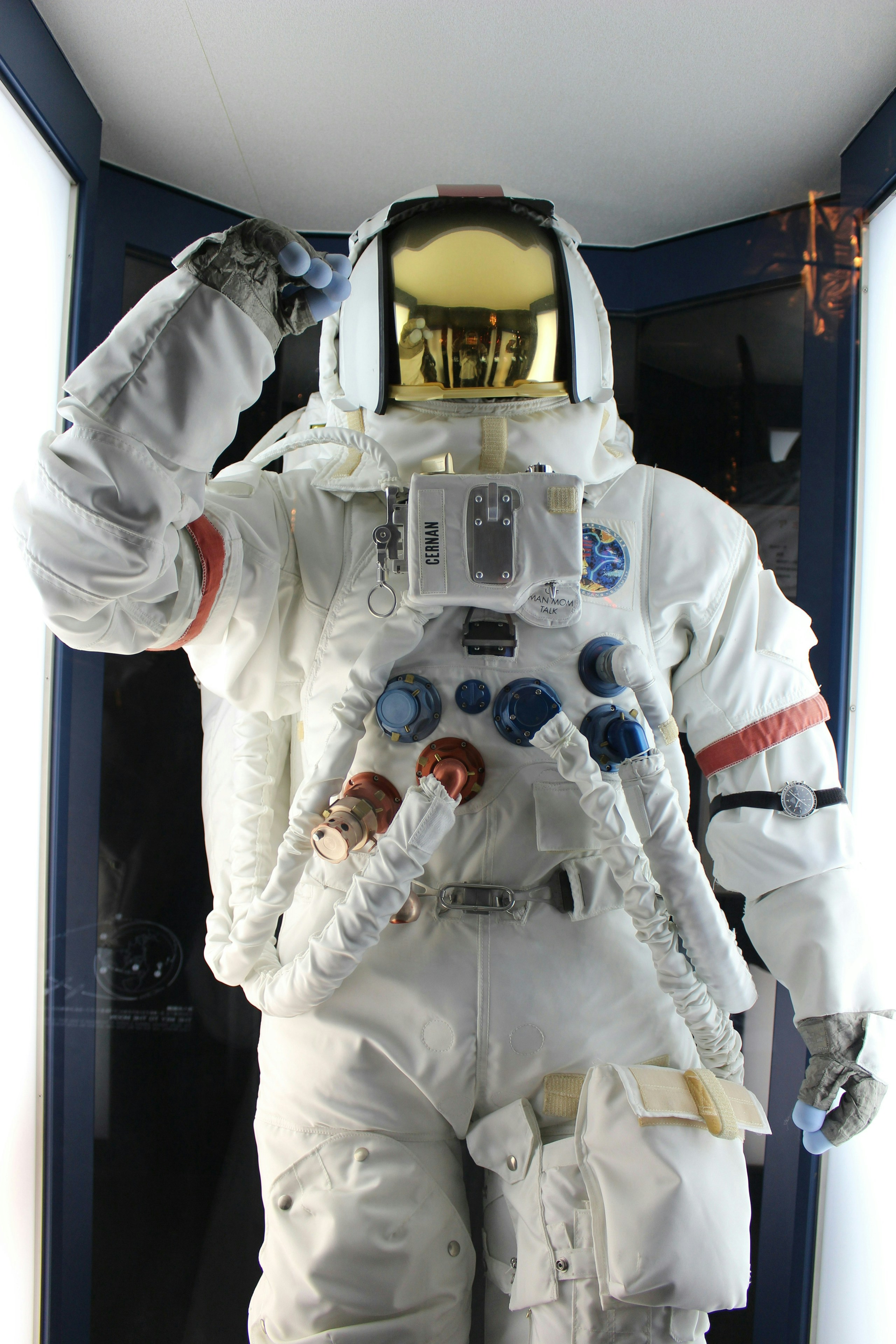
Photo by おいしいみそしる
Dr. Fossum's innovation lay in adapting the "correlated double sampling with in-pixel charge transfer" technology, previously used in CCDs, to CMOS technology. Early CMOS sensors were notorious for high noise, but by measuring light twice and subtracting the difference, this drawback was dramatically improved.
The resulting active pixel sensor brought NASA three decisive advantages:
Initially, NASA was cautious about adopting this technology, but Dr. Fossum was convinced: "This will be useful not only in space, but also here on Earth." After applications in medical capsule endoscopy and automotive sensors, the technology eventually found its killer app in mobile phones.
As of 2026, this technology born at NASA continues to evolve. A research team at the Rochester Institute of Technology (RIT) is developing the "Single-Photon Sensor CMOS (SPSCMOS)." This highly sensitive sensor can detect and resolve individual photons, and is considered essential for future missions such as the Habitable Worlds Observatory (HWO).
Photo by ユウ3850
By cooling the sensor down to 250K, "dark current" is suppressed to the extreme—down to a single electron over 30 minutes. With this level of precision, it becomes possible to detect biosignatures—such as oxygen and methane—in the atmospheres of distant exoplanets.
In recognition of the profound impact of this invention, Dr. Eric Fossum was awarded the 2026 Charles Stark Draper Prize. What began as a challenge to capture the farthest reaches of the universe has now become an indispensable tool in our daily lives, bringing us ever closer to answering humanity's shared question: "Are we alone in the universe?"


