MAGAZINE
MAGAZINE
MAGAZINE
MAGAZINE
By cizucu ·
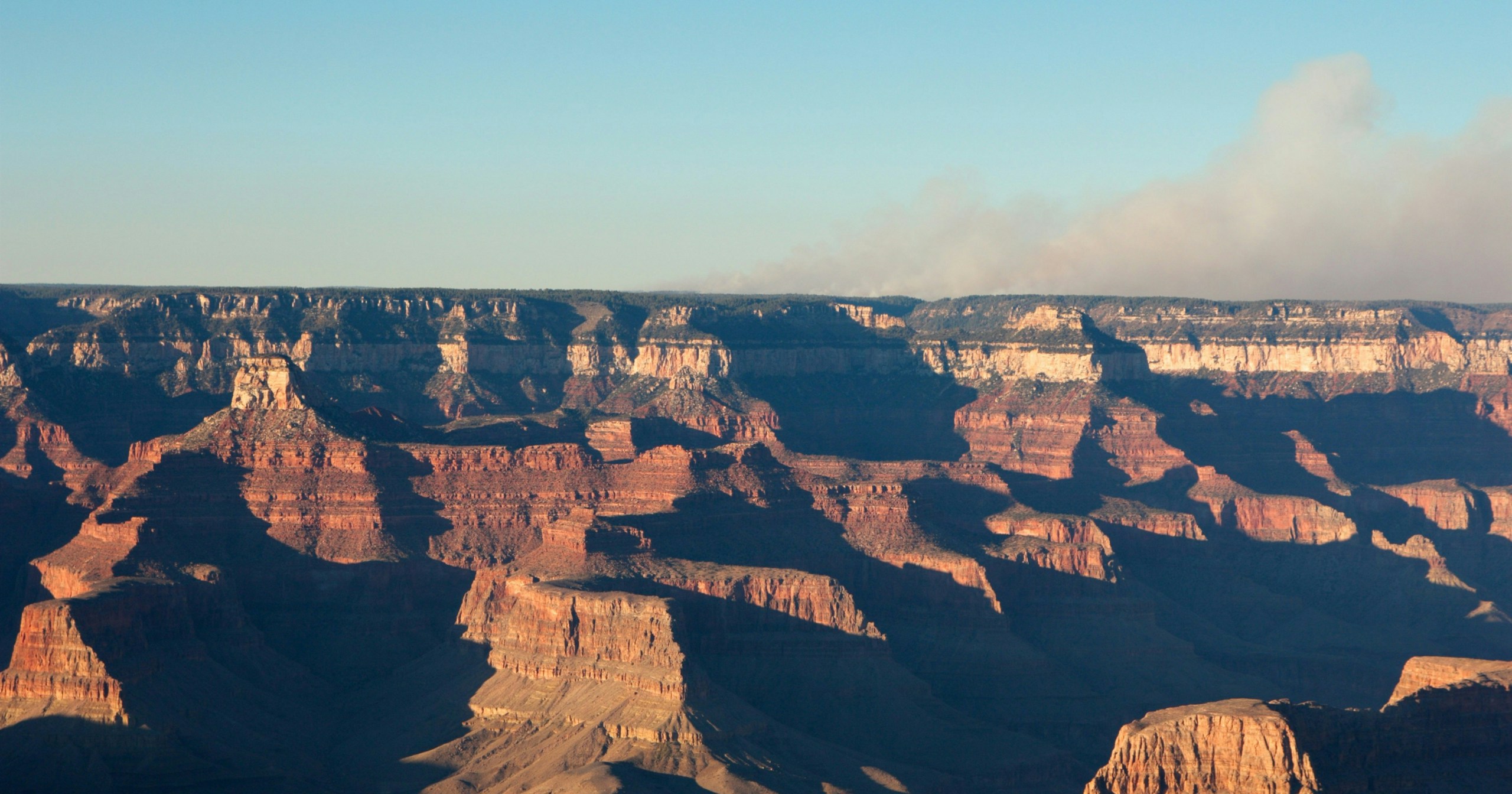
Cover photo by takacha
Have you ever stood before a breathtaking landscape and felt frustrated, wishing you could capture a wider view? Simply expanding the angle of view, however, often results in the main subject—such as mountains—appearing distant and small, with empty space dominating the frame.
The sense that "a wide-angle isn't enough" is often rooted not only in the physical limitations of your field of view, but also in the balance between the "impact" and "placement" of your subject. To encapsulate a vast scene as a complete visual narrative, a strategic approach that fully understands the characteristics of your lens is essential.
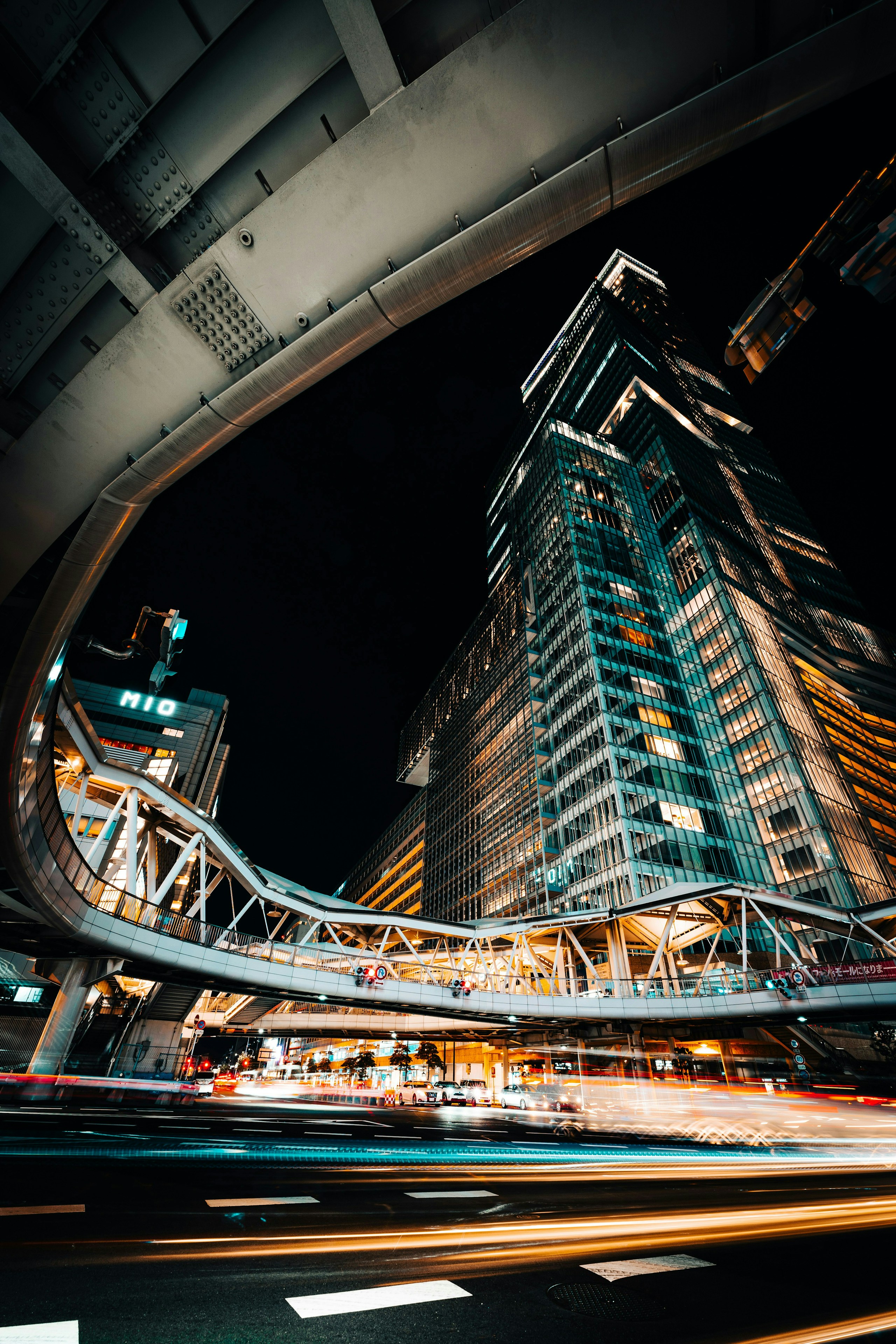
Photo by 3104_akita
Ultra wide-angle lenses are characterized by "distortion," which stretches objects at the edges of the frame. By leveraging this, for example, tilting the camera slightly downward to place distant mountains at the top of the frame will vertically stretch the mountains, creating an impact that rivals or even exceeds what you see with the naked eye.
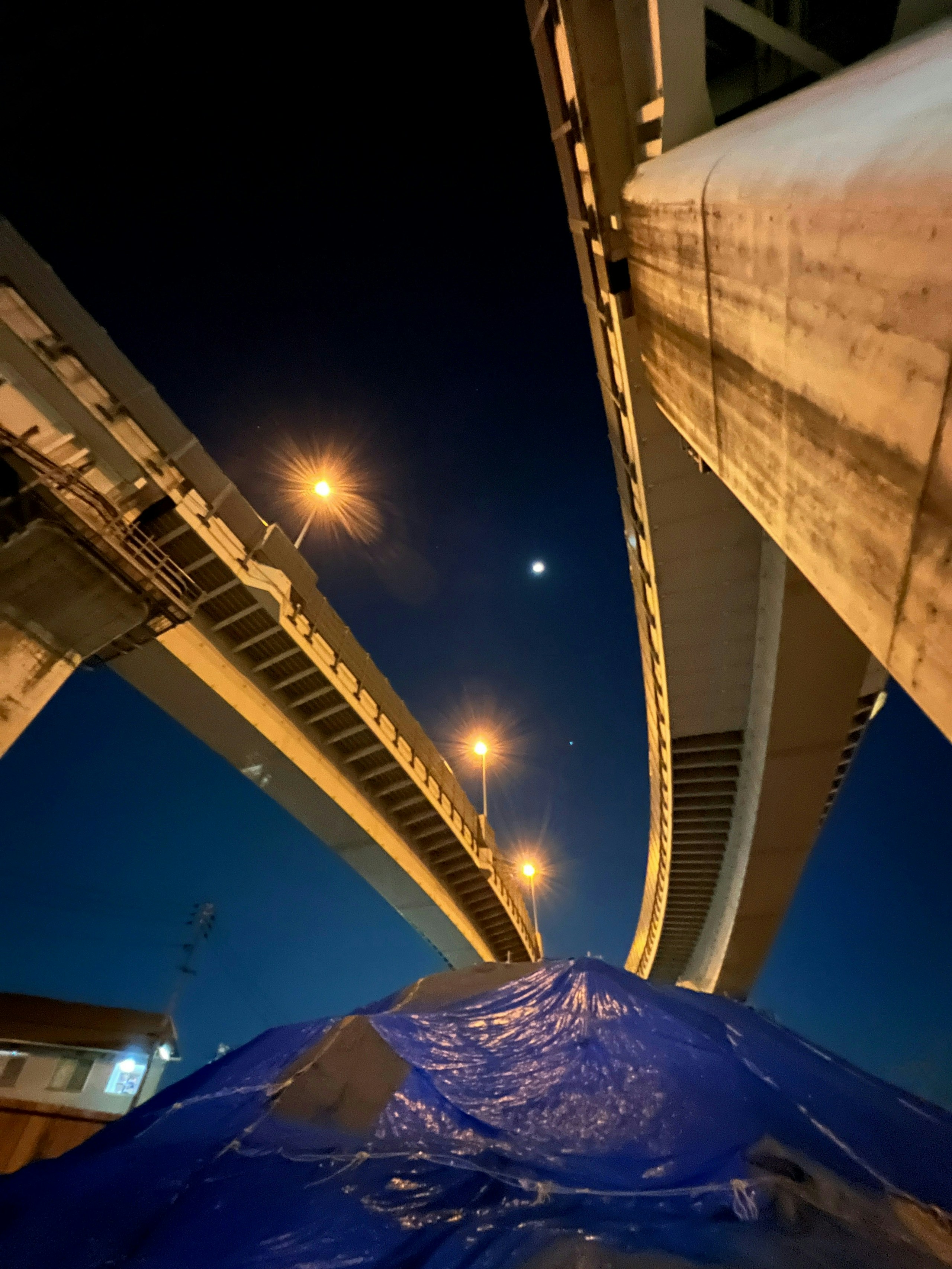
Photo by TATSU
If distant scenery appears too small, instead of widening the focal length, try zooming in to a moderate telephoto range—around 35mm to 70mm—and framing a portion of the landscape as you would a "portrait." This approach allows for a denser, more powerful composition.
One of the most effective techniques for maximizing a wide field of view is to lower your camera as close to the ground as possible and approach the foreground elements. By placing cracks in rocks, sand patterns, or grasses and flowers at your feet prominently in the lower half of the frame, you create "leading lines" that naturally guide the viewer's gaze deeper into the image.
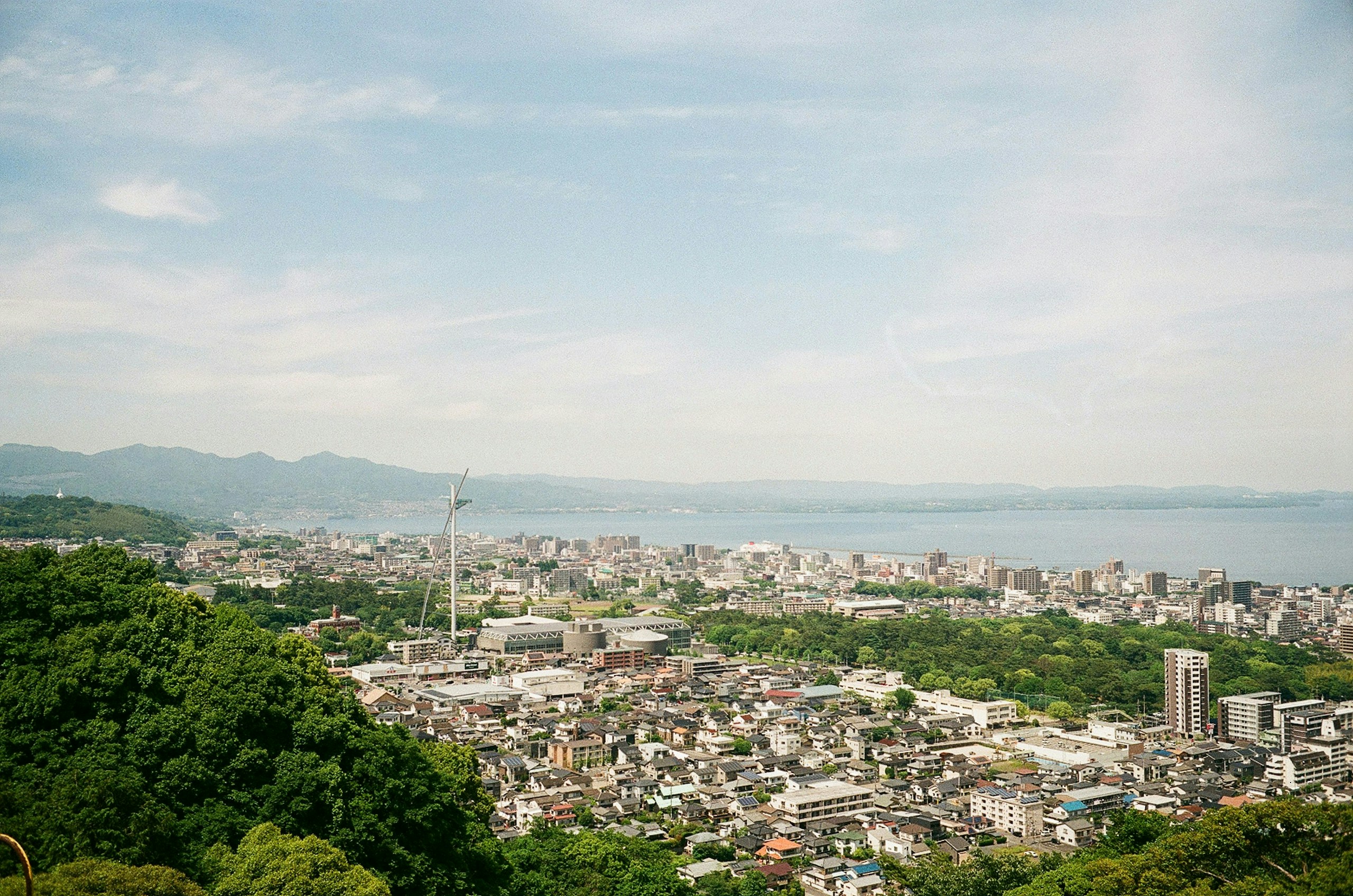
Photo by filmtaaabooo777
At this stage, it's crucial to adjust the height so that the three layers—foreground, midground, and background—overlap harmoniously. If the camera is too low, the midground disappears and depth is lost; if it's too high, the viewer's gaze becomes scattered. Patience is required to find the "optimal solution" for each location.
If you simply can't achieve a wide enough field of view, or if you want to capture a broad scene while minimizing distortion, panoramic stitching is an effective solution. By shooting multiple overlapping frames with the camera in a vertical orientation, you can achieve a natural rendering reminiscent of a prime lens, while capturing more information than even an ultra wide-angle lens.
The key is to never lose sight of "what you are photographing." Once you've identified your main subject—be it a mountain or a tree—even with just a single wide-angle lens, creative approaches such as aerial photography with a drone or vertical panoramas can open up limitless ways to express the vastness of the landscape.


