A Thought-Provoking Discussion: Rethinking the Essence of Photography
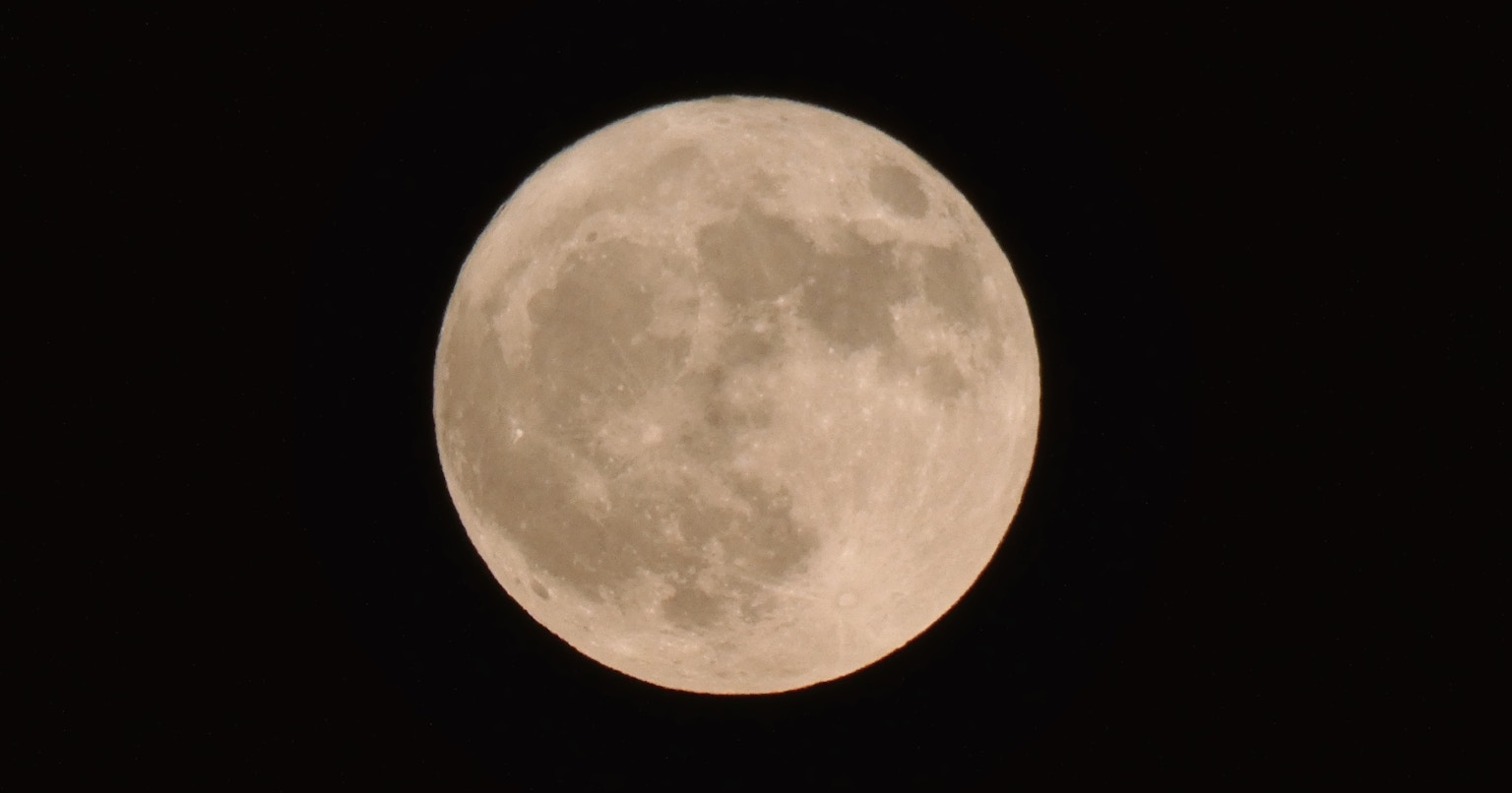
To what extent can a smartphone camera capture the fine details of the moon?
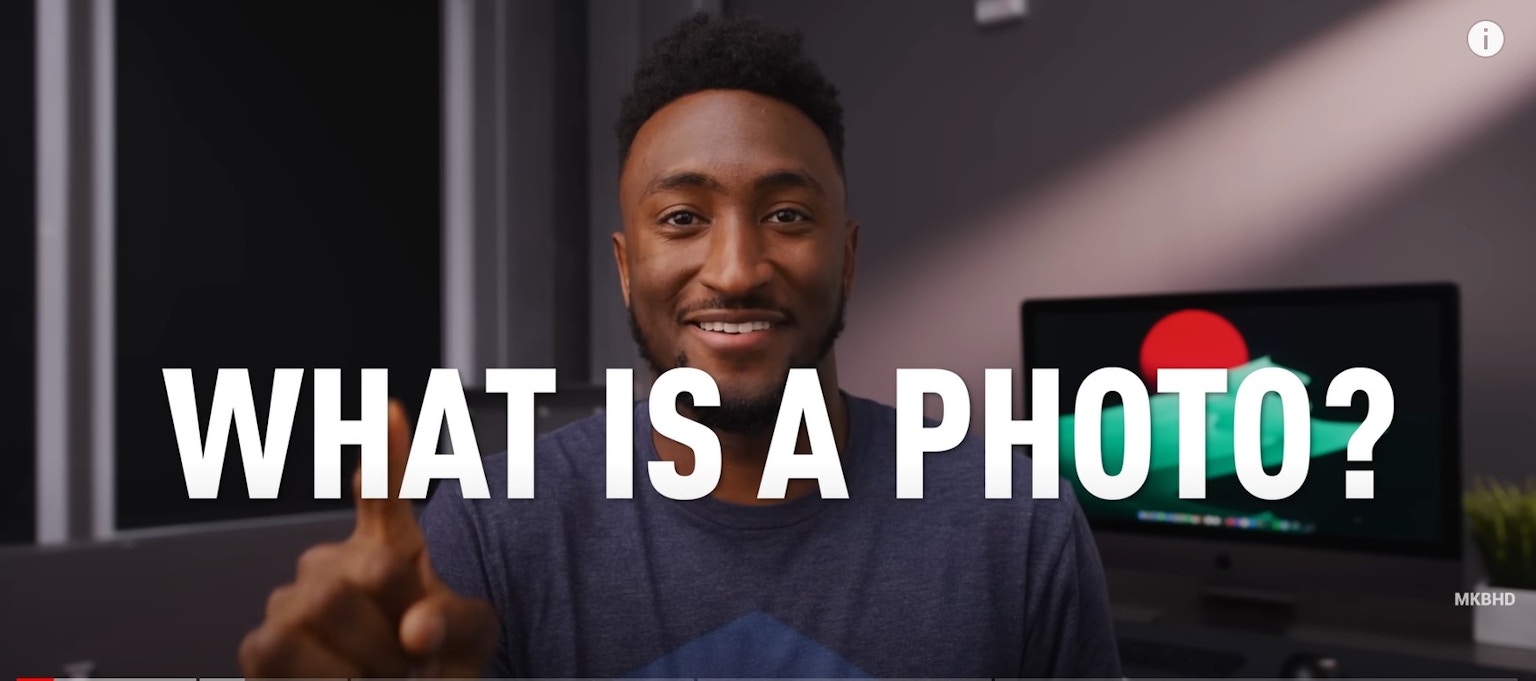
Starting from the profound question posed by YouTuber Marques Brownlee, also known as MKBHD—“What is a photograph?”—we find ourselves drawn into a fascinating discourse.
Artificial Interpretation Brought by AI Software
Let us first consider how early black-and-white film cameras functioned. Light passing through the subject was projected onto film, leaving a residual image—what we called a photograph. Fast-forwarding to the present, let’s look at the interview with a Samsung smartphone spokesperson featured by Marques Brownlee on YouTube.
Samsung Smartphone Spokesperson
When a user takes a photo of the moon, the AI-based scene optimization technology recognizes the moon as the main object and takes multiple shots for multi-frame composition, after which AI enhances the details of the image quality and colors.(Interviewed by WIRED) When a user photographs the moon, AI-based scene optimization technology recognizes the moon as the primary subject, captures multiple shots for multi-frame composition, and then AI enhances the details of image quality and color (Interview with WIRED).
By combining optical engineering and AI software, it is now possible to optimize lunar photography for greater clarity and detail, surpassing conventional optical boundaries.
However, strictly speaking, AI-driven image optimization is merely one form of photographic expression and does not fully reproduce the actual appearance of the moon. While the synergy of camera and AI may render the moon more beautiful and intricate, it remains an artificial interpretation, subject to individual perception.
In conclusion, relying solely on optics, capturing the moon requires sufficient brightness and proper exposure, but it remains uncertain whether smartphone sensors possess the technical capabilities to rival the latest dedicated cameras. As smartphone camera technology continues to evolve, the potential to capture optically authentic photographs may emerge.
As an aside, when gazing at a beautiful moonlit sky, it is common in Japan to remark, “The moon is beautiful,” and point a smartphone camera skyward. Reflecting deeply on the authenticity of the resulting photograph offers an opportunity to reconsider the ambiguous meaning of the word ‘photograph’ itself. Yet, on a personal note, perhaps what matters most is the very intention to capture the beauty of the moon.