MAGAZINE
MAGAZINE
MAGAZINE
MAGAZINE
By cizucu ·

Cover photo by PAPALIN
After the wind passes, you might notice the grass along the road leaning in the same direction or the shadow of a curtain shifting across a wall.
The wind itself may be invisible, but the changes it leaves behind let us imagine the path it took. A photo can capture the instant the wind moves something. Whether you freeze that movement or let it blur can change how we sense the strength of the wind and the atmosphere of the scene.
This time, we’re holding a hashtag challenge with #wind!
With #wind, we’re not looking for the wind itself, but for the things it moves and the fleeting moments it creates.
Hair and clothes caught in a breeze, flags, rustling leaves, or ripples spreading across the water—you can find signs of the wind all around you. Photos centered on people or landscapes are welcome, as are shots of curtains, wind chimes, and anything else set in motion by the wind.
Don’t just look for dramatic gusts. Pay attention to a faint tremble or the stillness left after something has passed. Photograph the wind around you and share it with #wind.
The clues to photographing the wind lie in small changes to your subject.
Watch the sweep of someone’s hair, the hem of their clothes, the tips of branches, or fabric beside a window. Notice which way these things are moving, and the wind gains a direction within the frame. You could also choose something like a wind chime, which suggests not only movement but sound.
Photo by TacQ
As you wait for your subject to move, look at how it works with the sky, a wall, or the surrounding light. Even when the wind itself is invisible, the changes it makes can convey how the air felt in that moment.
A fast shutter speed makes it easier to freeze swaying leaves or grass in a distinct shape. Slow it down a little, and the moving areas begin to blur, showing the path of the wind as it passes through.
The aim isn’t to blur the entire photo. Keep the camera steady and let only the moving parts flow. Or wait for a brief pause in the movement to preserve the outline of a seed head or wave. Changing your approach can bring out completely different moods in the same scene.
Photo by yuko.
At the coast, pay attention to how the wind changes the surface of the water. Capturing the subtle movement of the waves can create a photo that almost brings back the sound of the wind and the feeling of it against your skin.
Rather than crowding a windblown subject against the edge of the frame, leave some open space in the direction it’s moving. This leads the viewer’s eye forward and makes it easier to imagine the wind continuing through the scene.
Photo by Take_Kuroki
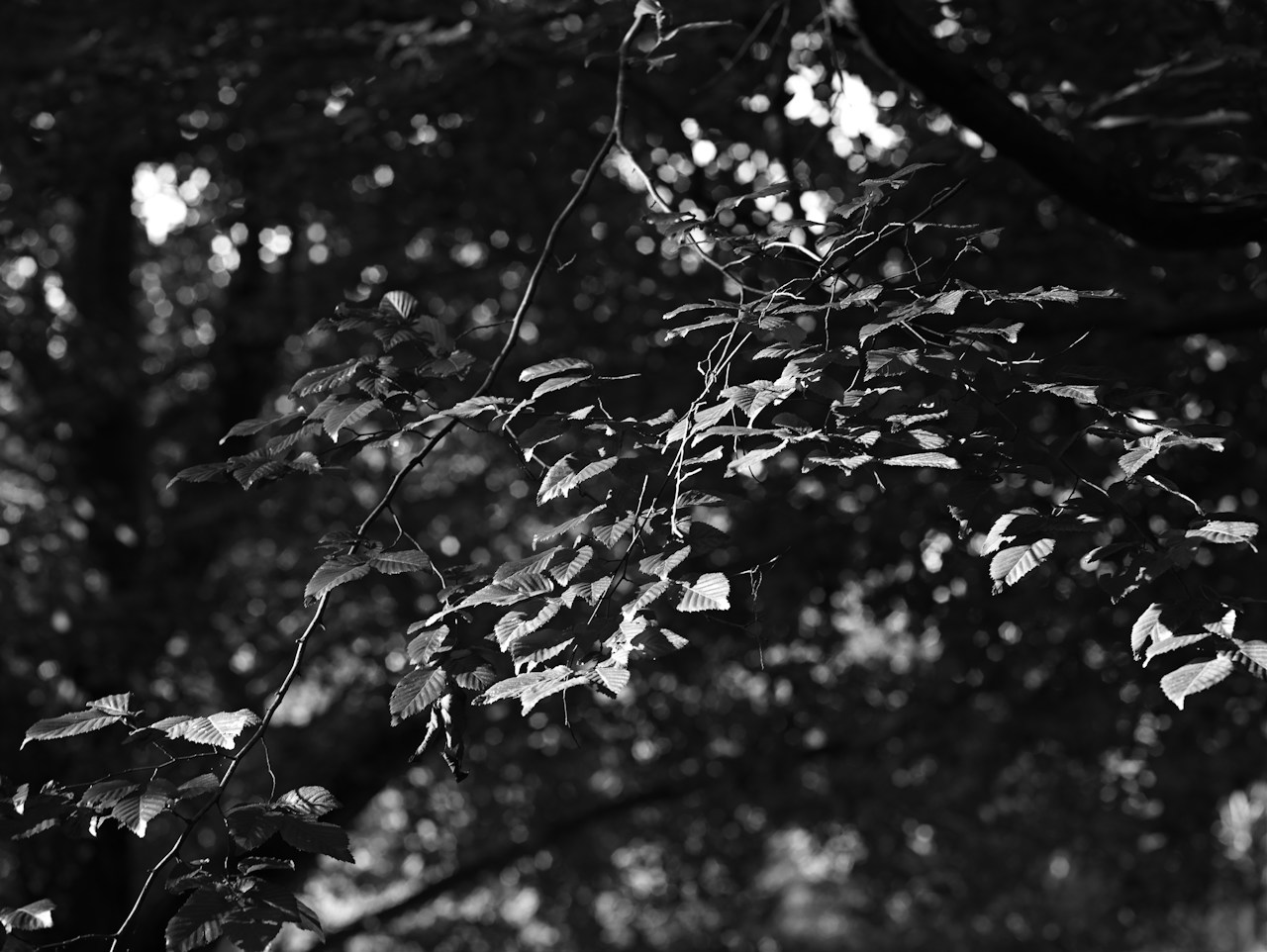
Placing branches and leaves on a diagonal, or layering foreground leaves against light in the distance, can add movement and depth to the frame. Backlighting can also bring out the edges and shadows of leaves, making a windblown moment stand out.
cizucu runs hashtag campaigns and photo contests to inspire your photography. Sign up for the app and check out the latest content.