MAGAZINE
MAGAZINE
MAGAZINE
MAGAZINE
By cizucu ·

Cover photo by daichichi
Have you ever tried to photograph the sky, only to find that it looks flatter than you expected? The real sky seemed so vast and the clouds so three-dimensional, yet in the photograph they become little more than featureless white masses. At moments like these, it may help to begin not with the sky itself, but by learning to read the shapes of the clouds.
Although clouds often serve as the backdrop to a landscape, they can also become the principal subject of a photograph. Wispy clouds drifting overhead, low expanses of gray, clouds illuminated by the evening light, or towering formations gathering before the rain—simply observing their shape, altitude, and relationship to the light can give you a new reason to photograph an everyday sky.

Photo by はくらく
A clear blue sky can feel exhilarating, but in a photograph it may appear monotonous. The simple presence of clouds introduces depth and movement. Soft cumulus clouds create a sense of lightness, slender cirrus clouds bring a quiet atmosphere, and thick layers of cloud lend the entire frame a subdued tonal quality.

Photo by ちっちの
Begin by observing where the clouds sit within the sky. Giving them ample space in the upper portion of the frame makes the sky the principal subject, while including just a sliver of the city or mountains below conveys their immense scale. Conversely, if you want the clouds to function as a backdrop, limiting the sky to roughly one-third of the frame makes it easier to balance it with your subject.
When photographing with a smartphone, try tapping the brightest area of the clouds and setting the exposure slightly darker. Preventing blown highlights helps preserve their contours and tonal gradations. Rather than rendering clouds as pure white, retaining a little shadow gives them a greater sense of volume.
Clouds come in many forms. Cirrus clouds drifting high overhead create a sense of negative space in the sky. Mid-level altocumulus clouds resemble small grains or rippling waves and can form striking patterns in the evening. Low, expansive stratus clouds envelop the entire sky in soft gray, transforming the light so that people and city streets appear to have been placed inside an enormous softbox.
Clouds tend to show more movement before and after rain or on windy days. Towering formations such as cumulonimbus clouds have a dramatic presence, but they may also bring lightning and powerful winds. Rather than approaching them, observe from a safe place. When the weather appears likely to deteriorate, securing a safe route home should take priority over photography.
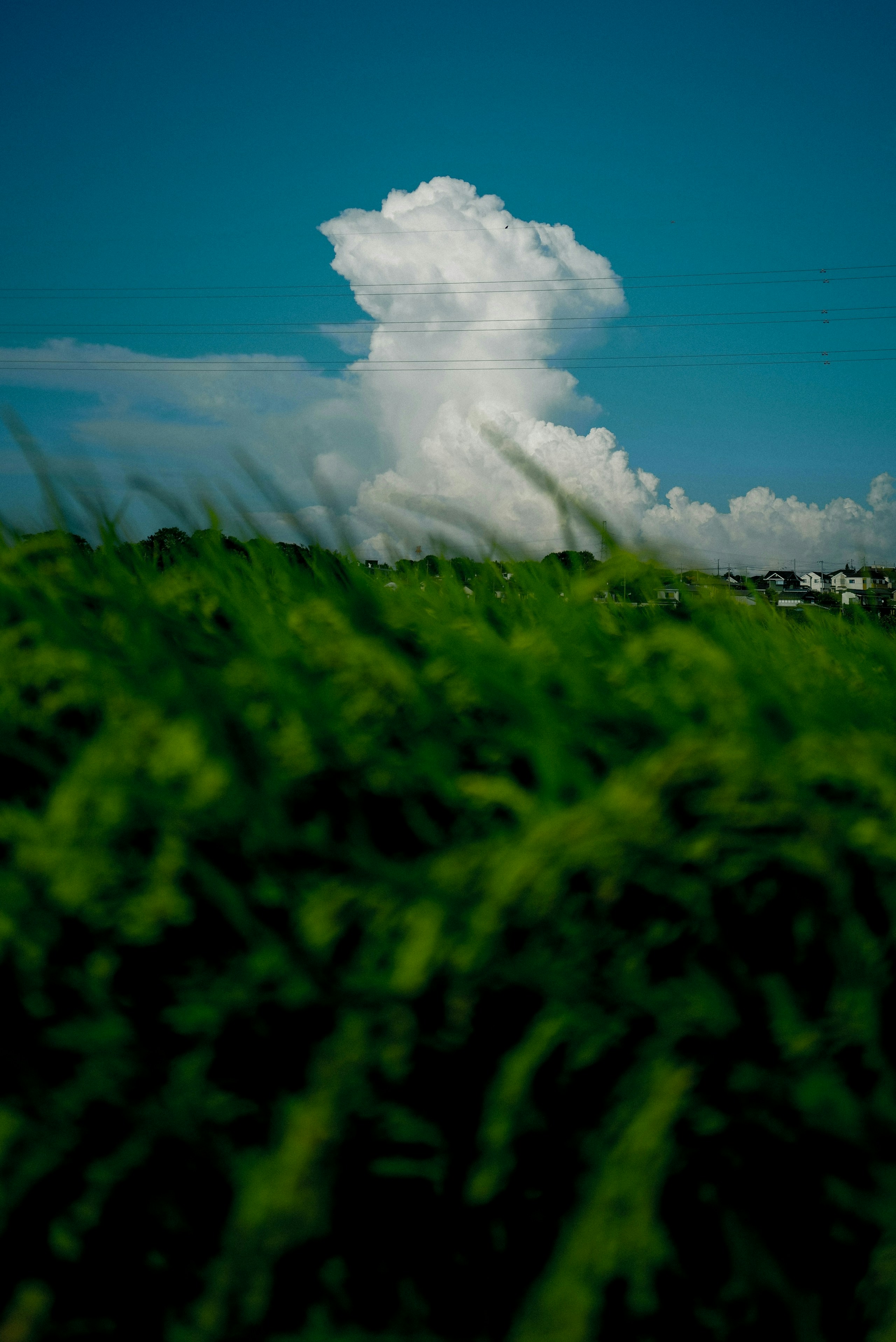
Photo by hhhiroooki
When photographing clouds, there is no need to memorize their precise names. It is enough to think of them as “wispy,” “heavy,” “drifting,” or “towering.” What matters is reading the mood they contribute to the photograph: lightness, foreboding, or stillness. That impression can become a valuable guide when determining your composition.
Clouds become most expressive in the low light of morning and evening. When the sun sits near the horizon, color enters the undersides of the clouds and their tonal contrasts become more pronounced. Around sunset in particular, the color of the sky can shift from one minute to the next. Rather than leaving as soon as you think you have the photograph, wait another ten minutes—you may see an unexpected hue emerge along the edges of the clouds.
Keep the exposure slightly restrained. If the photograph is too bright, the white areas of the clouds will become blown out and their forms will disappear. When making the sky your principal subject, adjust the exposure a little darker while watching the screen, and look for a setting that preserves the clouds’ streaks and shadows. If you are using a camera, shooting in RAW will make it easier to refine the sky’s tonal gradations in post-production.
Clouds change shape almost immediately. For that very reason, rather than waiting for the perfect frame, release the shutter once whenever a moment catches your attention. Reading the expressions of the sky may be more than a way to anticipate the weather—it may also be a simple observational practice that makes us a little more attuned to the world’s constant transformations.


