MAGAZINE
MAGAZINE
MAGAZINE
MAGAZINE
By HANA-STUDIO ·

Cover photo by HANA-STUDIO
“When taking photographs, be conscious of your subject.”
It is advice often heard in photography books and courses.
Of course, there is nothing inherently wrong with this approach. Yet for a long time, it never quite sat right with me.
When I was a student photographing the activities of a volunteer organization for its communications, this way of thinking proved extremely useful. Once I entered the workforce and began spending more time pursuing photography for pleasure, however, the same approach sometimes made the practice feel burdensome.
Looking back now, I think the difference lay in the purpose of the photographs. What I truly needed was not to be conscious of a subject, but to recognize what I had responded to when I pressed the shutter.
As a student, I documented activities for the communications team of a volunteer organization.
To convey the atmosphere of an event, I photographed the participants’ expressions.
To show the nature of the work, I photographed people’s hands and the tools they used.
Each photograph had a purpose—something it needed to communicate—so selecting a subject in accordance with that purpose felt entirely natural.
In documentary and communications photography of this kind, being conscious of the subject is important. To communicate information accurately to viewers, the clearer the photograph is about what it intends to show, the more effectively its message comes across.
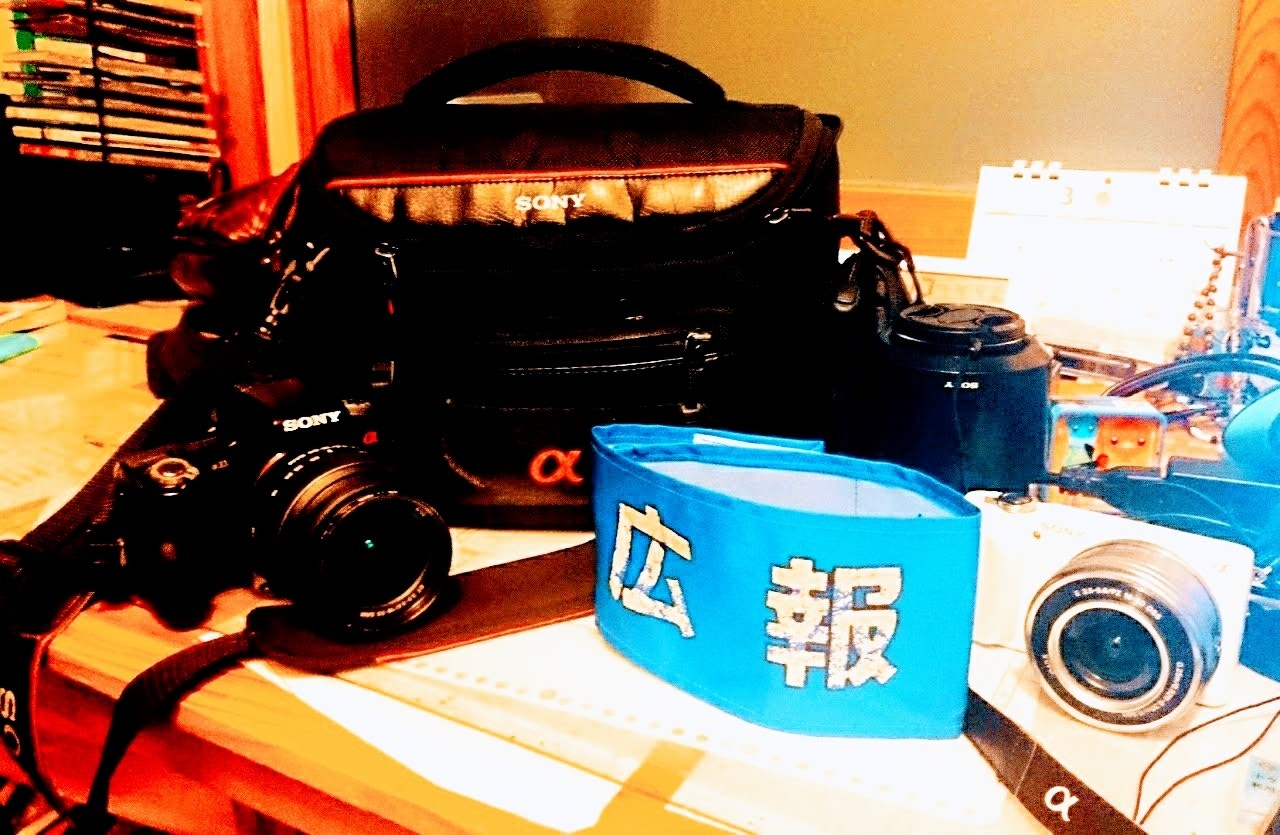
Photo by HANA-STUDIO
After entering the workforce, I began taking more photographs for pleasure.
I would walk around and release the shutter whenever something caught my eye. Although this became my primary way of working, I still believed that I had to remain conscious of the subject.
As a result, I began manufacturing answers after the fact, asking myself, “What should be the focal point?” or deciding, “I should compose the frame so that the subject is immediately apparent.”
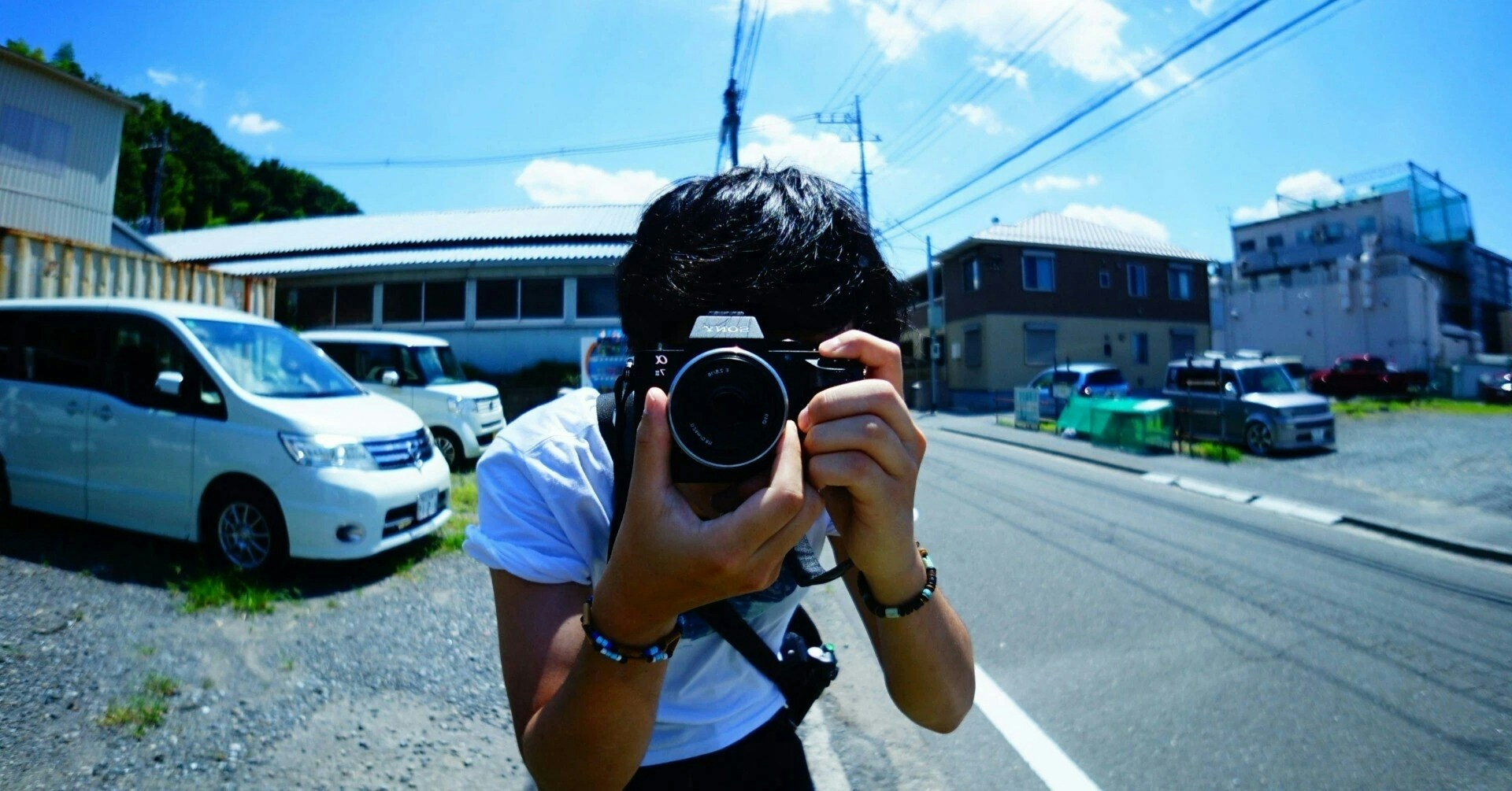
Photo by HANA-STUDIO
Before I knew it, my aim had become searching not for what genuinely captivated me, but for the kind of subject conventionally regarded as “good photography.”
From that point on, photography became less enjoyable than it had once been.
When I later revisited my favorite photographs, I noticed something they shared.
Although I thought I was photographing flowers, it was not the flowers themselves that truly drew me in. I was responding powerfully to light—the way it passed through petals, the contours revealed by backlighting, and sunlight filtering through leaves.

Photo by HANA-STUDIO
I had not been consciously thinking about any of this while photographing.
I had simply made the pictures because something felt compelling.
What I needed, then, was not to devise a subject before photographing, but to understand afterward what I had been responding to.
If you ever feel that you do not know what to photograph, there is no need to force yourself to invent a subject. Begin by revisiting the photographs you made because something about them felt compelling.
You may discover recurring elements to which you instinctively respond: light, color, human expressions, or a sense of stillness.
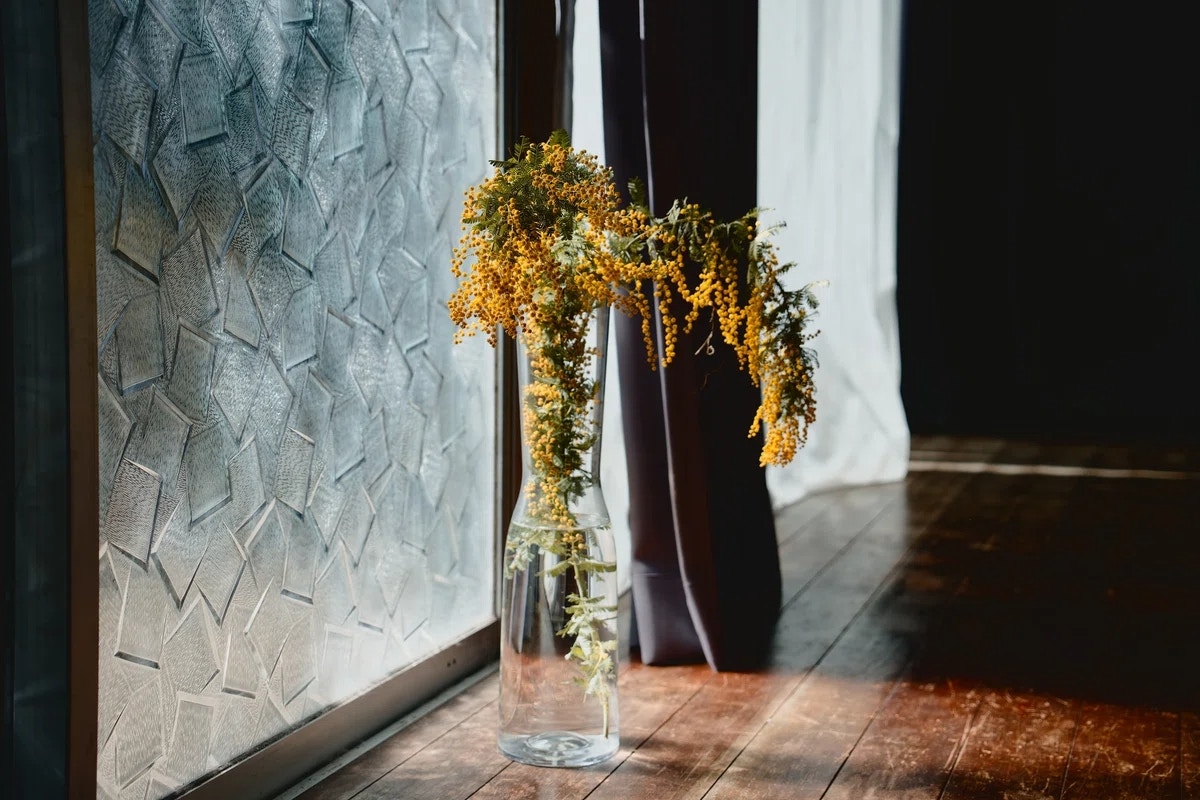
Photo by HANA-STUDIO
Those recurring qualities are the essence of your distinctive perspective. Developing technical proficiency matters, but understanding what moves you is equally important.
I believe a subject is not something we consciously manufacture; it is something our own photographs reveal to us.
55 Magazines
A special series featuring contributions from creators with diverse perspectives from around the world. In their own words, they share their thoughts on cameras and photography, along with the stories behind their creative journeys—offering viewpoints that the cizucu editorial team alone could not capture.