MAGAZINE
MAGAZINE
MAGAZINE
MAGAZINE
By cizucu ·
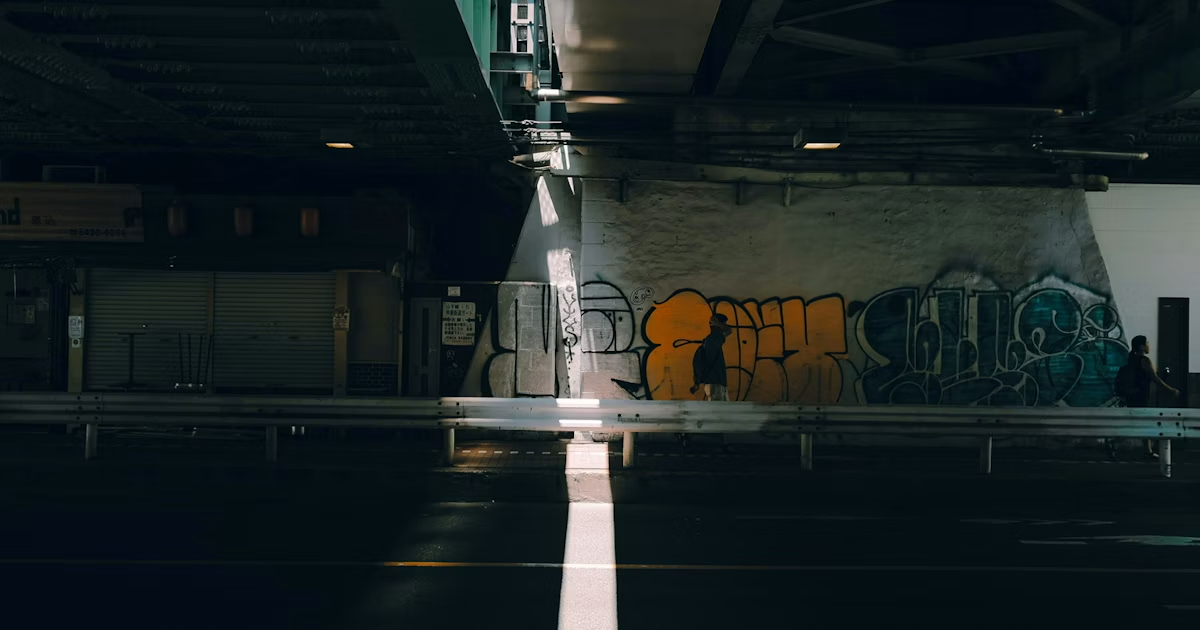
Cover photo by hhhiroooki
When we pick up a smartphone, we instinctively hold it vertically. Human figures, the depth of a street, buildings stretching skyward, light falling by the window—vertical composition is now the most familiar photographic format, yet it is far more than just a screen size.
If horizontal images reveal a “place,” vertical framing guides the “gaze.” From top to bottom, foreground to background, or from whitespace to subject, the vertical frame has the power to gently arrest the viewer’s eye.
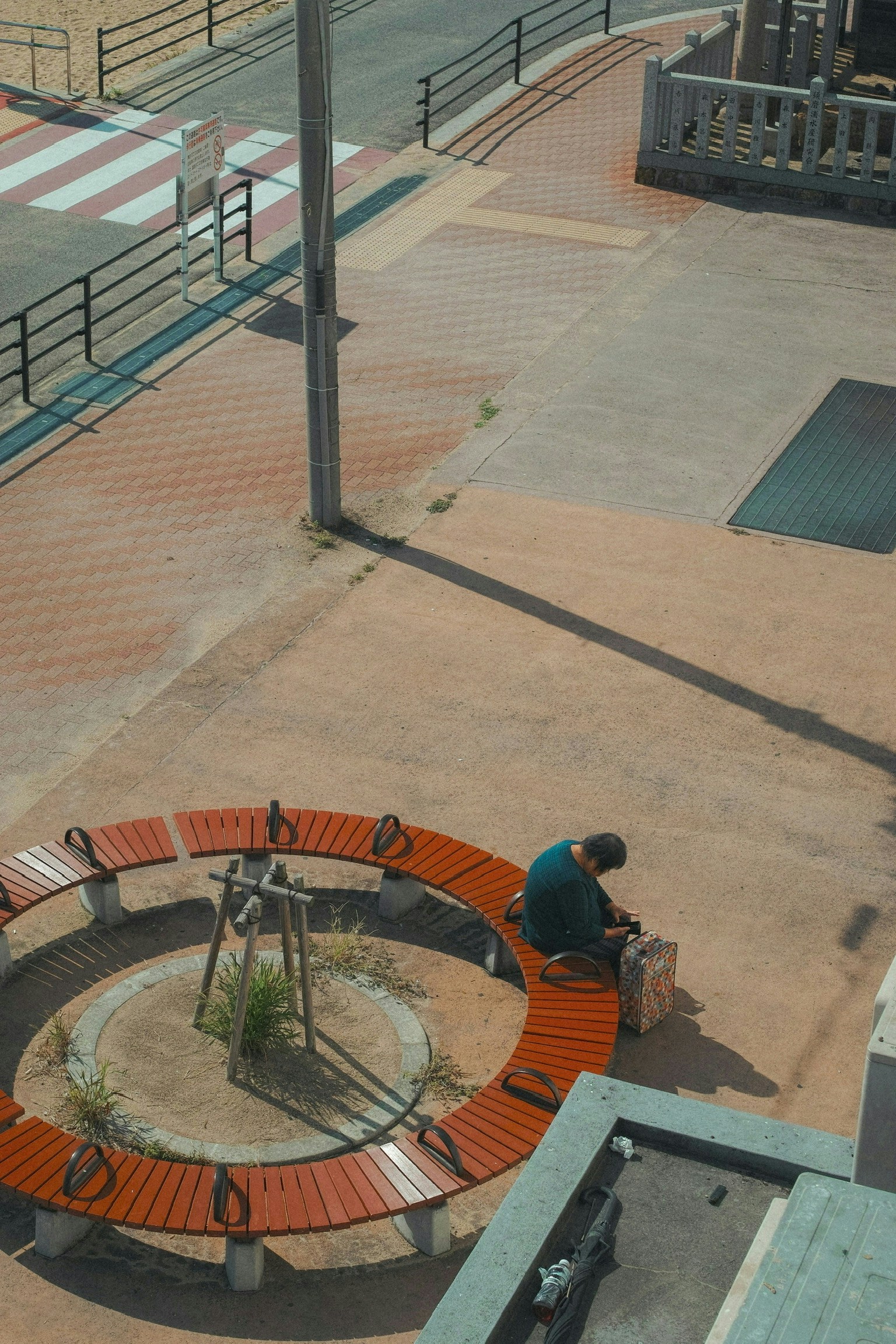
Photo by まおち
The appeal of vertical composition is not simply in magnifying the subject. Rather, it is when you leave whitespace above or below that the photograph begins to breathe. Sky, walls, floors, shadows—spaces that seem empty quietly support the presence of the subject. When photographing signs in front of a station or people on the street, try not to crowd the subject in the center; instead, leave some sky or building surface above. The gaze does not rush straight to the answer, but travels through the whitespace before arriving at the main subject. This moment of “seeing with a slight delay” creates a lingering resonance in the image.

Photo by 雪杜エリ|Eri Yukimori
Even in the selection of works for an exhibition, there are images that arrest the gaze for reasons we cannot fully articulate. It is not always the most dramatic subject, but the interplay of color, light, and whitespace that lingers in the mind. Vertical composition is a frame that easily gives form to that ineffable sense of “this just feels right.”
Vertical composition is also well-suited for creating a sense of depth. Roads, staircases, windows, trees, architectural columns—when you find lines stretching from the bottom to the top of the frame, a natural visual pathway emerges within the image. The viewer’s eye travels from foreground to background, and then upward through the frame.

Photo by tk
Motifs such as light through glass on a rainy day, rows of street trees, or the open atrium of a station pair beautifully with vertical composition. Placing a darker element in the foreground and a brighter one in the background creates layers even in a two-dimensional photograph. Depth is not only achieved through brightness, but also through the overlap of foreground, midground, and background.
If shooting with a smartphone, try crouching slightly and looking up from below. Familiar streets and buildings will appear a little longer, farther, and more three-dimensional. Vertical composition offers a subtle shift in perspective, allowing you to rediscover the height and distance of everyday life.
When photographing people vertically, it is not always about fitting the entire figure neatly into the frame. Face, back, hands, feet—and the atmosphere surrounding the person. Vertical composition reveals not only the person, but also their relationship to the space they inhabit.
In the fleeting moment when the crowd thins at a station during rush hour, or in scenes where only a fire hydrant, sign, or shaft of light remains, the temperature of the city is still present. Even if no one appears in the frame, as long as there is a trace of human presence, the photograph quietly begins to speak.
When including a person, try placing them small at the bottom of the frame, or leaving a large expanse of wall or sky as whitespace. By making the subject smaller, you reveal more about where they are and what moment they inhabit. Vertical composition is less about “explaining” the person, and more about capturing the lingering sense of their presence.
Vertical composition is the natural format of the smartphone era. Yet, precisely because it feels so natural, it is easy to overlook its expressive potential. What do you place at the top? What do you leave at the bottom? Where do you create whitespace, and where do you invite the gaze to pause? These accumulated decisions profoundly shape the impression of a photograph.
Next time you shoot, don’t just hold your camera vertically—be conscious of where the eye enters and where it comes to rest. From sky to subject, light to shadow, from a foreground line to a small object in the distance—within the vertical frame, there is a path that guides the viewer’s gaze.
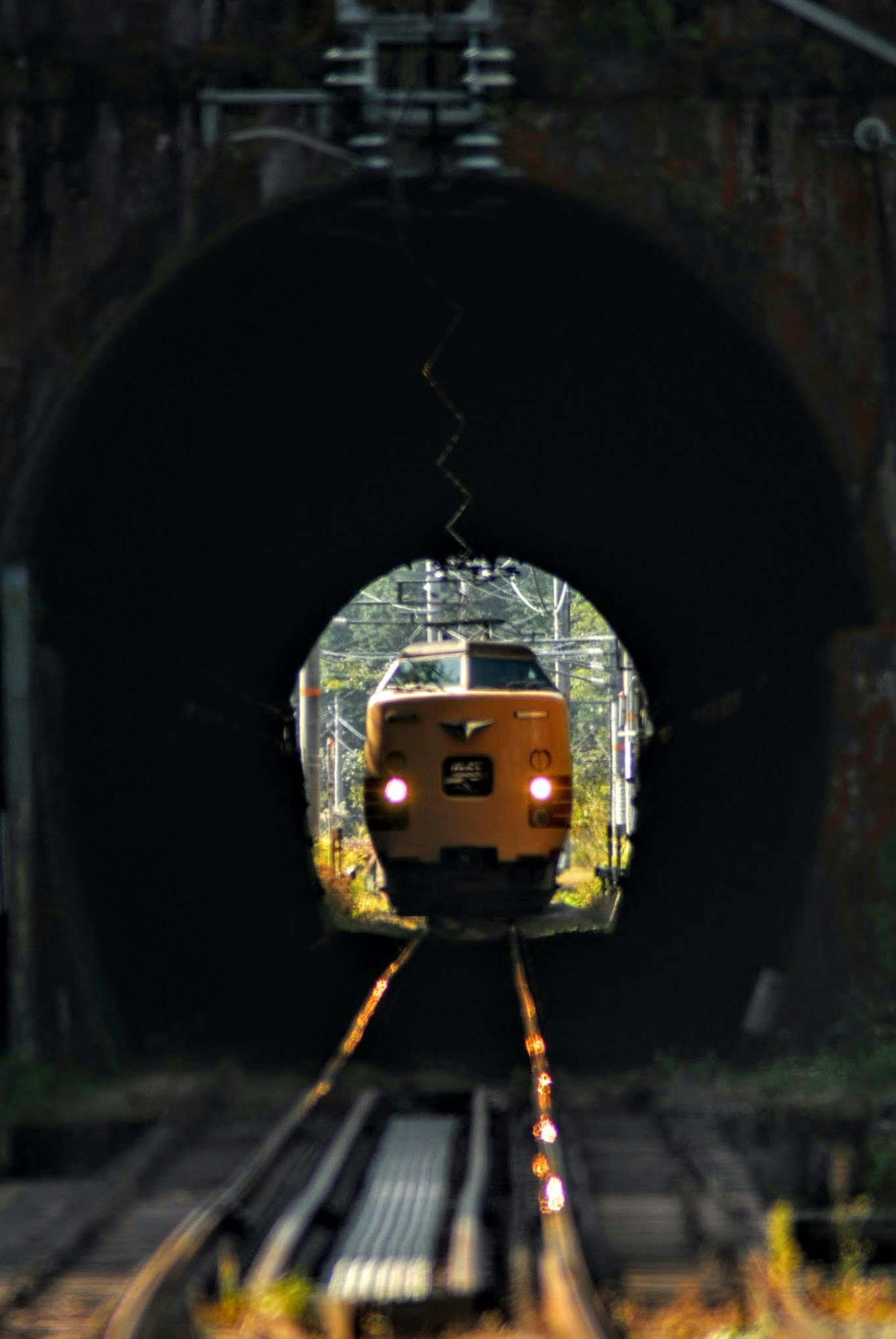
Photo by morissy
Reconsidering the casual vertical photograph as a form of expression can reveal new perspectives, even in everyday images captured on your smartphone. A photograph that holds the gaze does not begin in a special place, but with your own decision about what to preserve in the frame.


