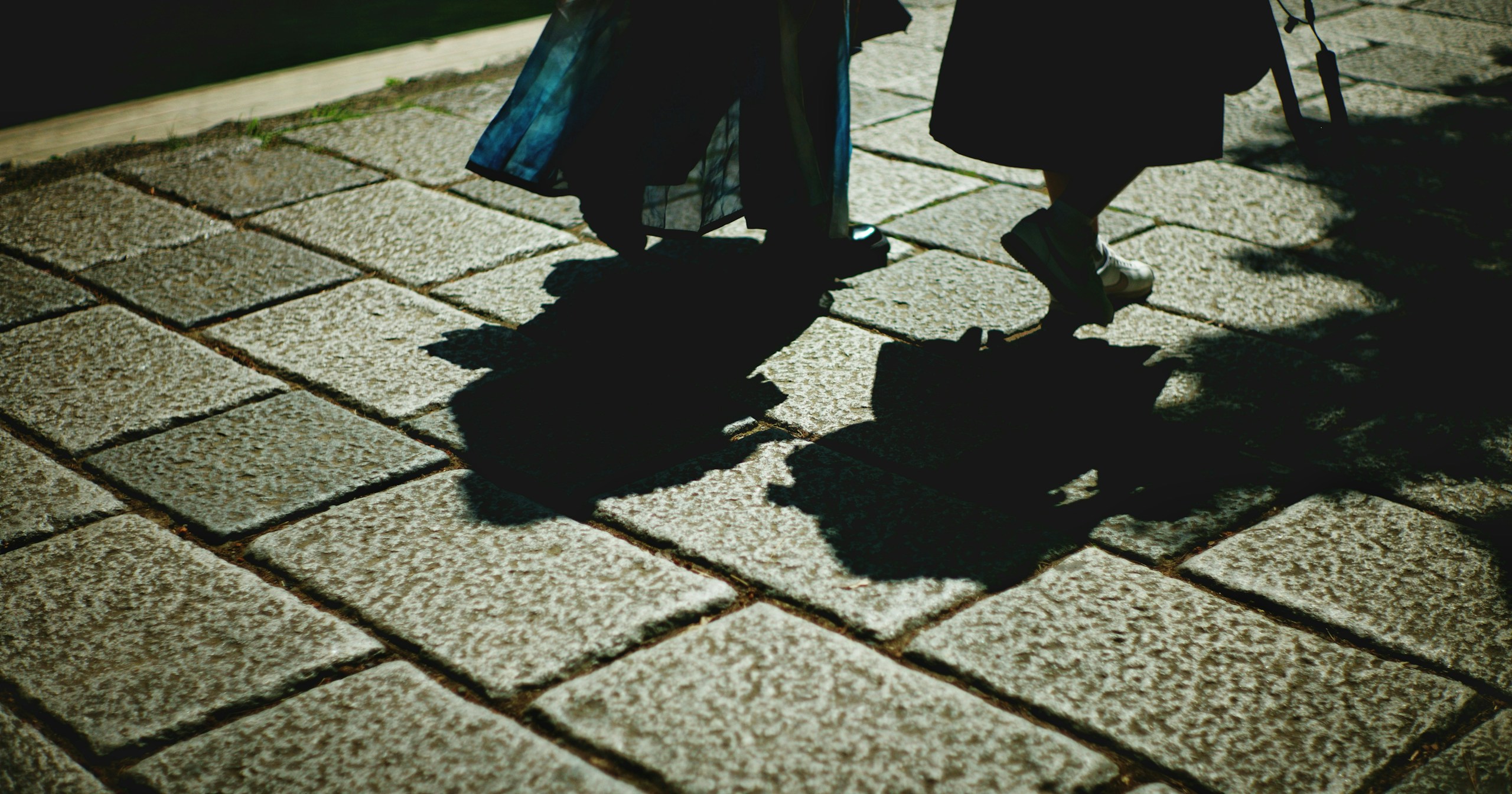
In fashion advertising, there has been a surge in cases where composite visuals based on a model’s likeness are created without their explicit consent, demanding new discernment from photographers.
This article delves into the reliability of portraiture in the era of AI-generated imagery, the importance of pre-shoot agreements, and how to refine one’s unique perspective.
Synthesized Bodies and the Erosion of Photographic Credibility
Product photos shot against a white background can now be seamlessly placed into scenes on a city street, in a bar, or at a market. With such production now possible, photography has evolved beyond being a mere record of a captured moment—it has become raw material whose meaning can be reinterpreted after the fact.
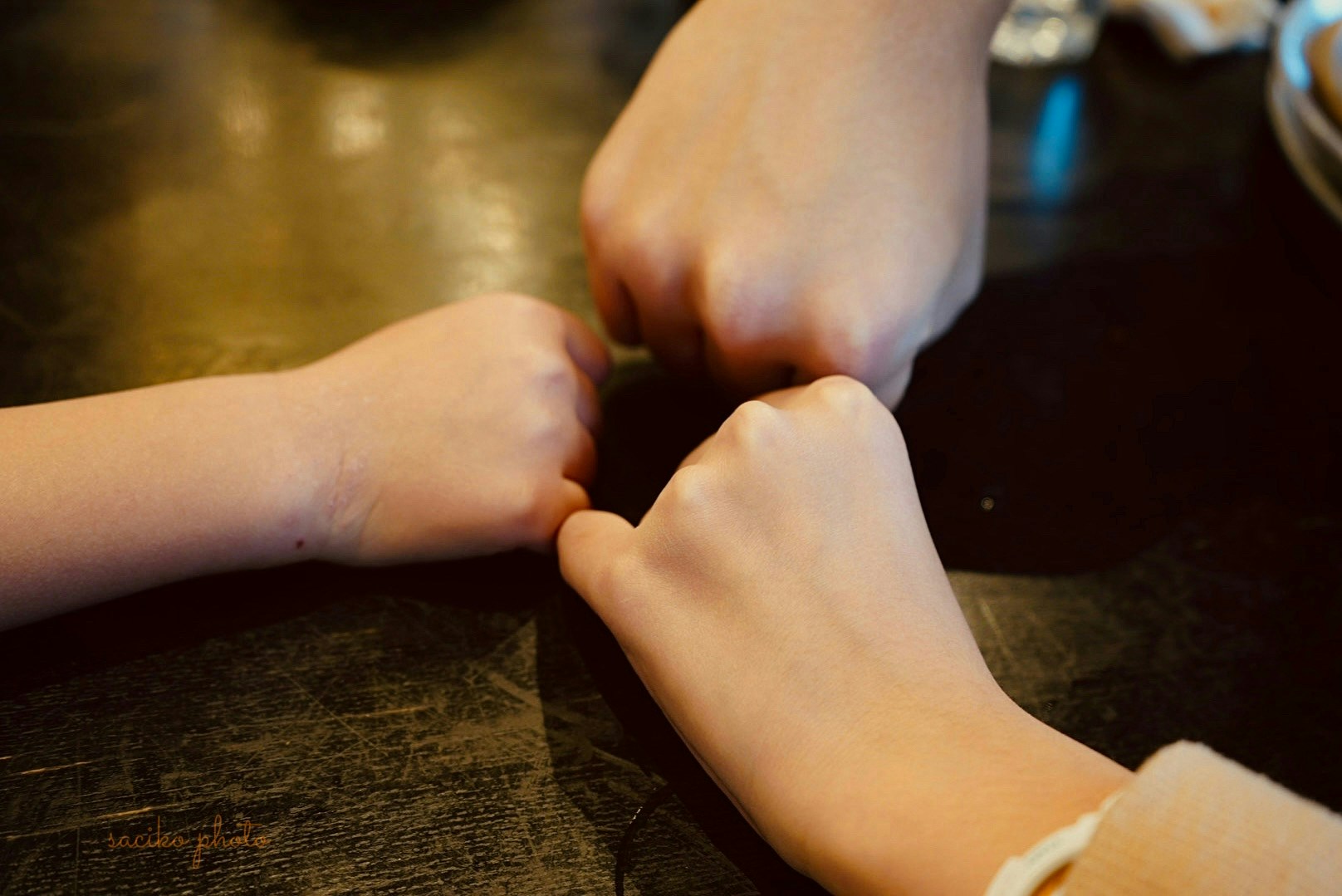
Photo by saciiiko
The issue does not lie in the act of editing itself.
The real concern arises when the subject’s likeness is used in ways they did not anticipate—through altered expressions, poses, or atmospheres—potentially undermining their personal brand or dignity.
For us as creators, there is also the risk that the rapport built on set, the reading of light, and the guidance of poses become less visible. This is why, moving forward, confirming the intended media, usage period, scope of modification, and whether generative technologies will be used before the shoot forms the foundation of responsible creative practice.
A ‘Lived Perspective’ That Rivals Generative AI
The more convenient technology becomes, the more value resides not in the speed of pressing the shutter, but in what you choose to see and preserve.
Try photographing the same outfit by a morning window, in an evening alley, or under fluorescent lights. Simply changing the background can dramatically alter the impression and narrative of the subject. On a smartphone, slightly lowering the exposure to retain shadows; with a DSLR, adjusting focal length to modulate the psychological distance to the subject—these choices matter.
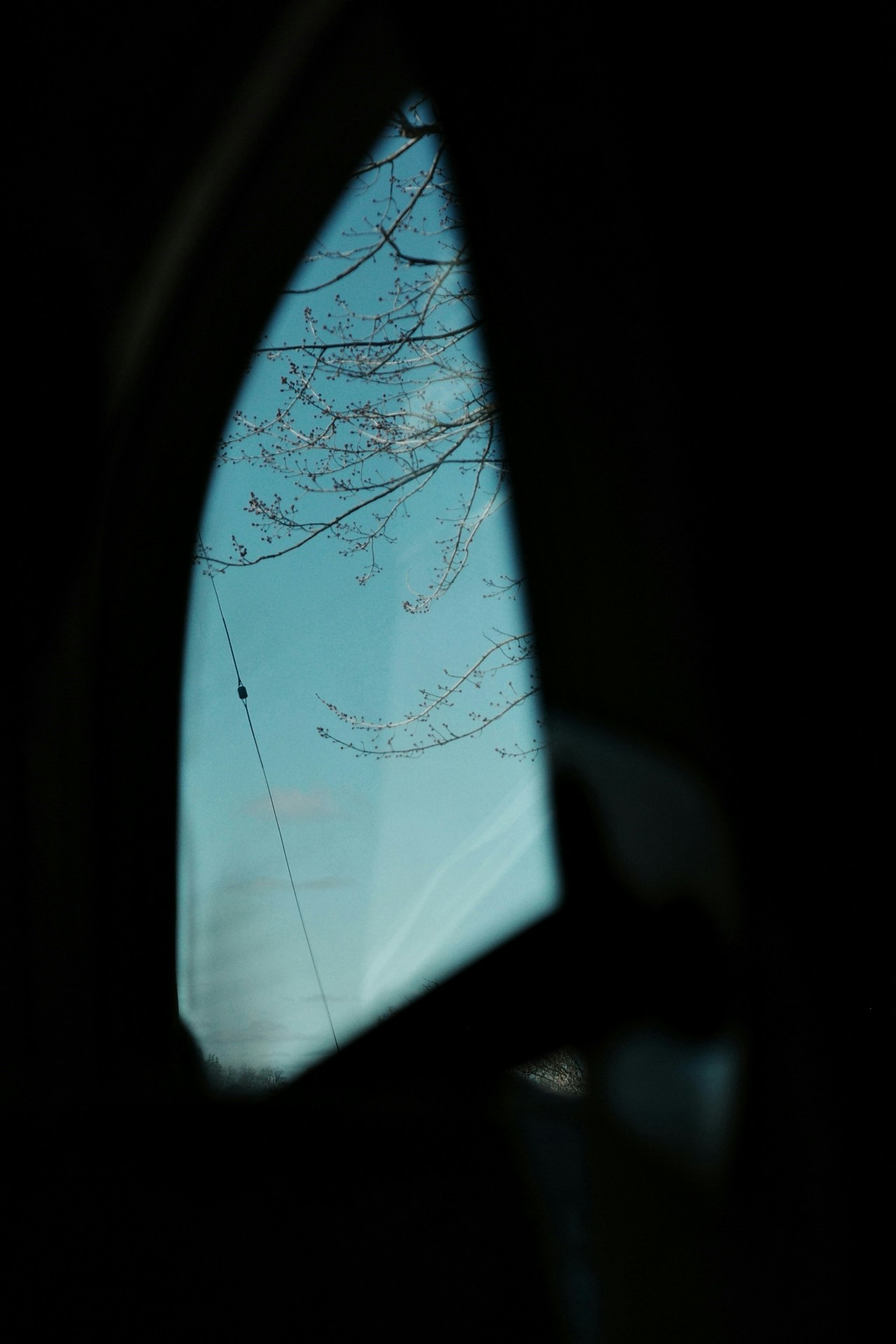
Photo by KUNGMAN
Precisely because we live in an era where AI can generate polished images, slight imperfections, hesitations, or averted gazes become sources of authentic allure. For editorial features, not only the final cut but also candid behind-the-scenes shots that capture the atmosphere of the shoot can be highly compelling.
How Presentation Shapes the Reception of Artwork
Jotting down brief notes on the shoot’s theme, equipment used, lighting conditions, and the terms of agreement with the subject can add depth to your artwork descriptions. A recommended exercise is to review a single portrait alongside your "intent for the shoot," "compositions you chose not to use," and "the sense of dissonance you intentionally left in editing."
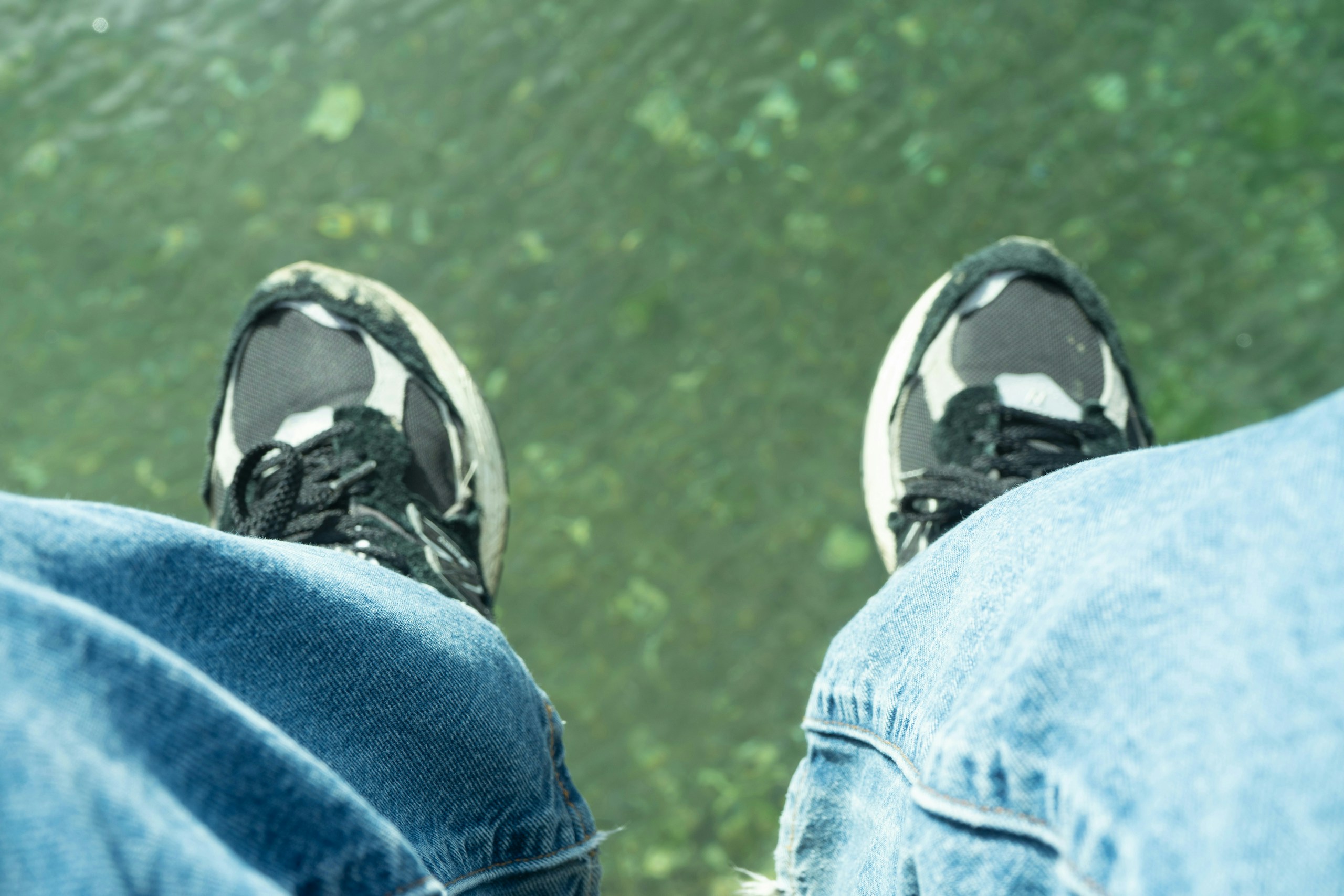
Photo by Ryoga
When submitting your work, combining clear portraits, silhouettes, and close-ups of hands or fabric textures creates a visual rhythm. To photograph is not to reduce someone to raw material, but perhaps to share new ways of seeing the world while respecting the presence of the other.