MAGAZINE
MAGAZINE
MAGAZINE
MAGAZINE
By cizucu ·
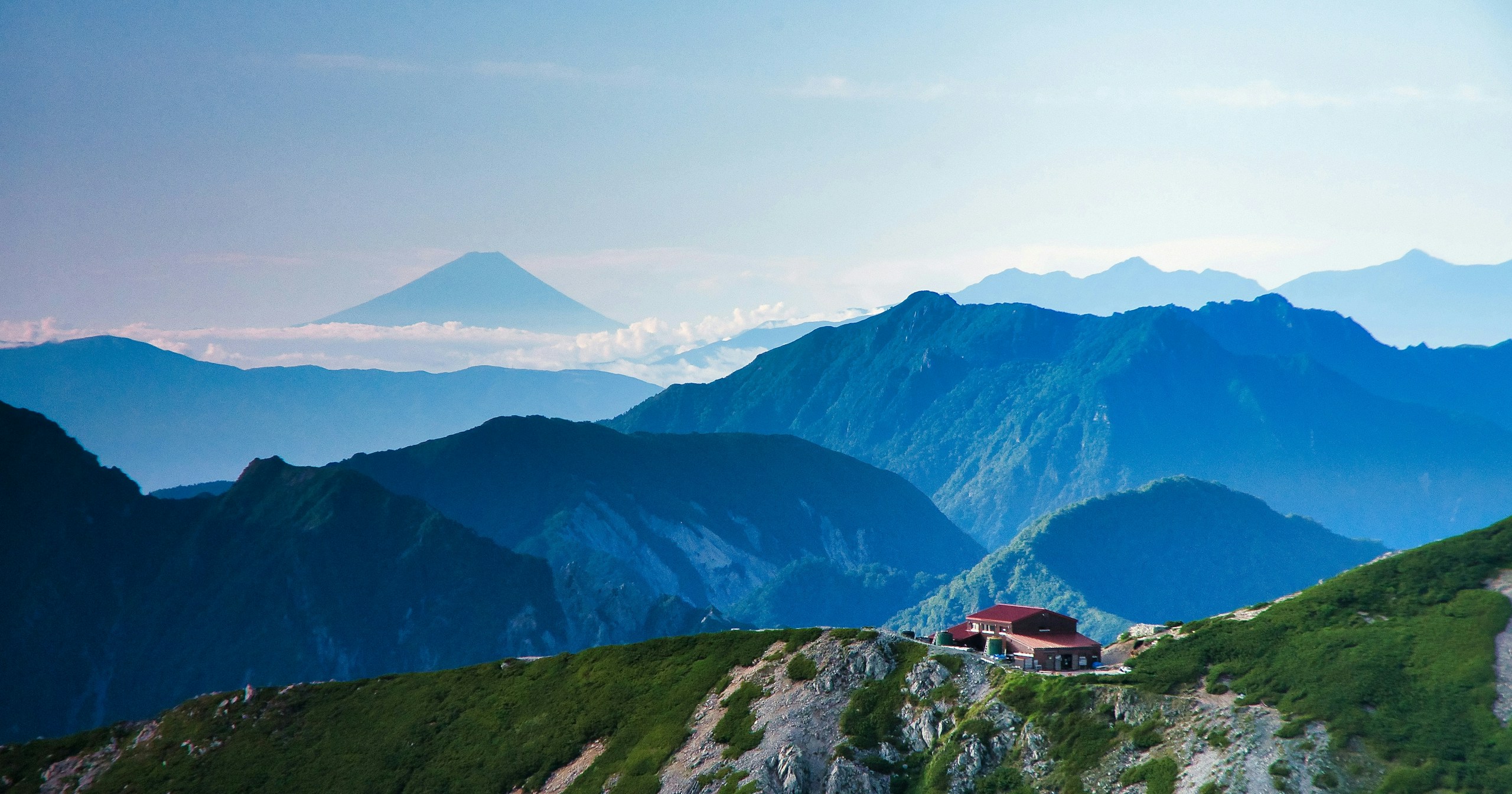
Cover photo by ICHIHO
Landscape photography is not simply completed by standing before a breathtaking view. By choosing the right time of day for light, reading the movement of mist, clouds, and water, and considering how to position the subject and negative space within the frame, even familiar places can be rendered as striking images.
This feature introduces ideas for seeing and capturing landscapes that are accessible for everyone—from those who enjoy shooting casually with a smartphone to creators seeking to refine their expression with a camera.
The first element to consider in landscape photography is the color and direction of light. The golden hour, just after sunrise or in the evening, imparts a warm, dimensional quality to mountainsides and foliage. The blue hour after sunset transforms seascapes and cityscapes into tranquil, dreamlike scenes.

Photo by yNAK
On foggy days, cameras may tend to underexpose, so slightly increasing the exposure can help convey the atmosphere. Before shooting, imagine not only the weather but also the direction of the light—this is the first step to elevating the quality of your work.
The rule of thirds and leading lines are useful, but relying solely on them can make your images predictable. Seek out elements that guide the viewer’s gaze—a solitary tree, the flow of a river, the shape of rocks, or flowers in the foreground. Getting close to nearby subjects creates depth and adds your unique perspective to the landscape.
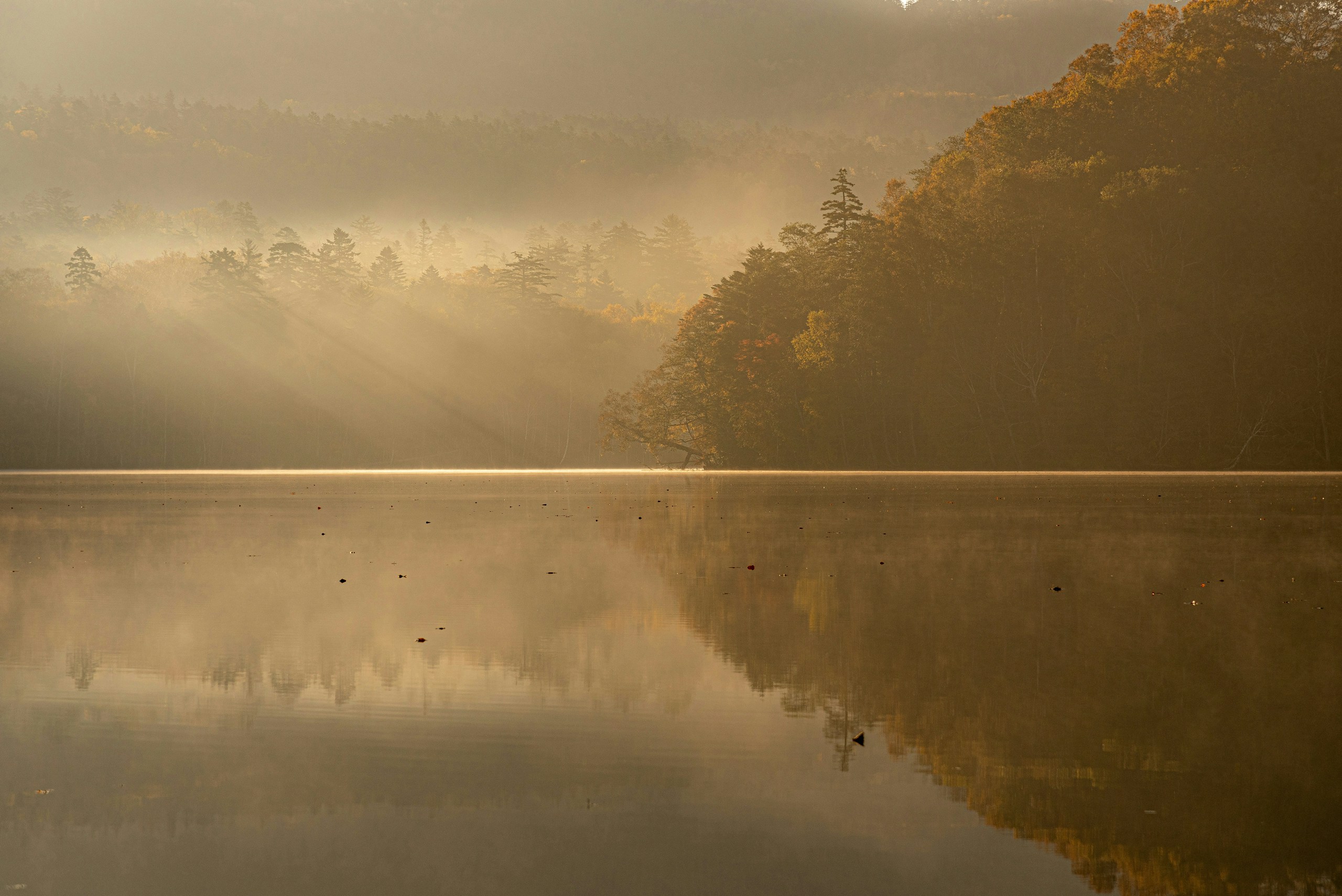
Photo by ishii
On days when the sky is particularly striking, try dedicating two-thirds of the frame to the sky. When reflections on water are beautiful, a symmetrical composition can be effective. Visually, comparing the same location in landscape, portrait, and square formats can offer fresh perspectives.
Waterfalls, waves, and drifting clouds can dramatically change in appearance simply by adjusting shutter speed. Around one second preserves the energy of moving water, while exposures of five seconds or longer render clouds and water surfaces silky smooth. While a tripod or ND filter expands your creative possibilities, starting with your smartphone’s long exposure mode or your camera’s shutter priority setting is more than sufficient.
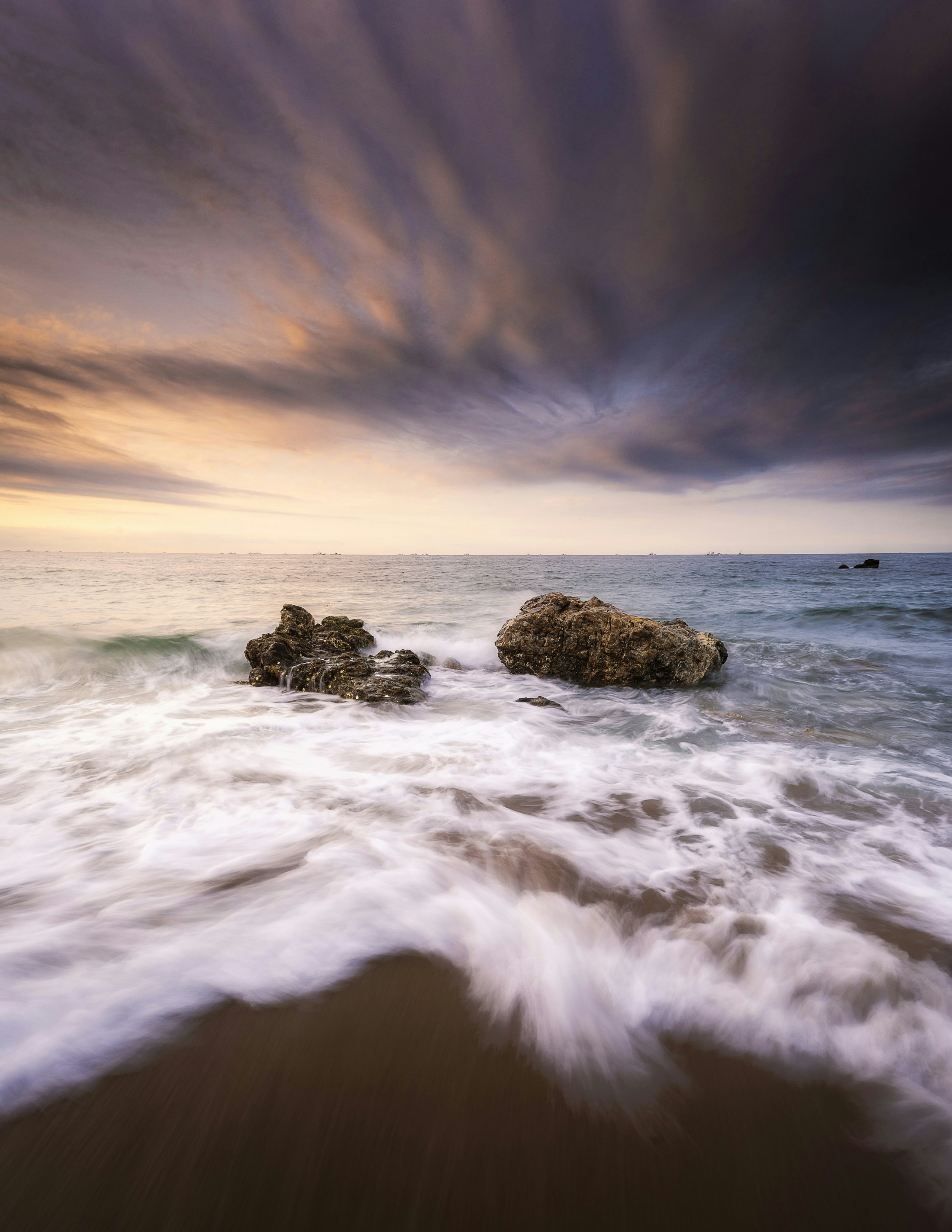
Photo by らむか
The key is not just to create beautiful images, but to decide what emotion you wish to convey—whether it’s tranquility, dynamism, or lingering resonance—and shoot with that intention.
You can begin landscape photography today, even without expensive equipment. Record changes in light with your smartphone, and revisit favorite locations at different times or on different days—this will steadily develop your observational skills. After shooting, review your images: Is the color too strong? Does the subject stand out? Is the negative space effective?
If you have a camera capable of shooting in RAW, you can carefully adjust brightness and color in post-production. If you aim to showcase your work, presenting a series that includes not only a single spectacular view but also scenes from morning, noon, evening, and even inclement weather will better communicate your unique perspective as an artist.


