MAGAZINE
MAGAZINE
MAGAZINE
MAGAZINE
By cizucu ·
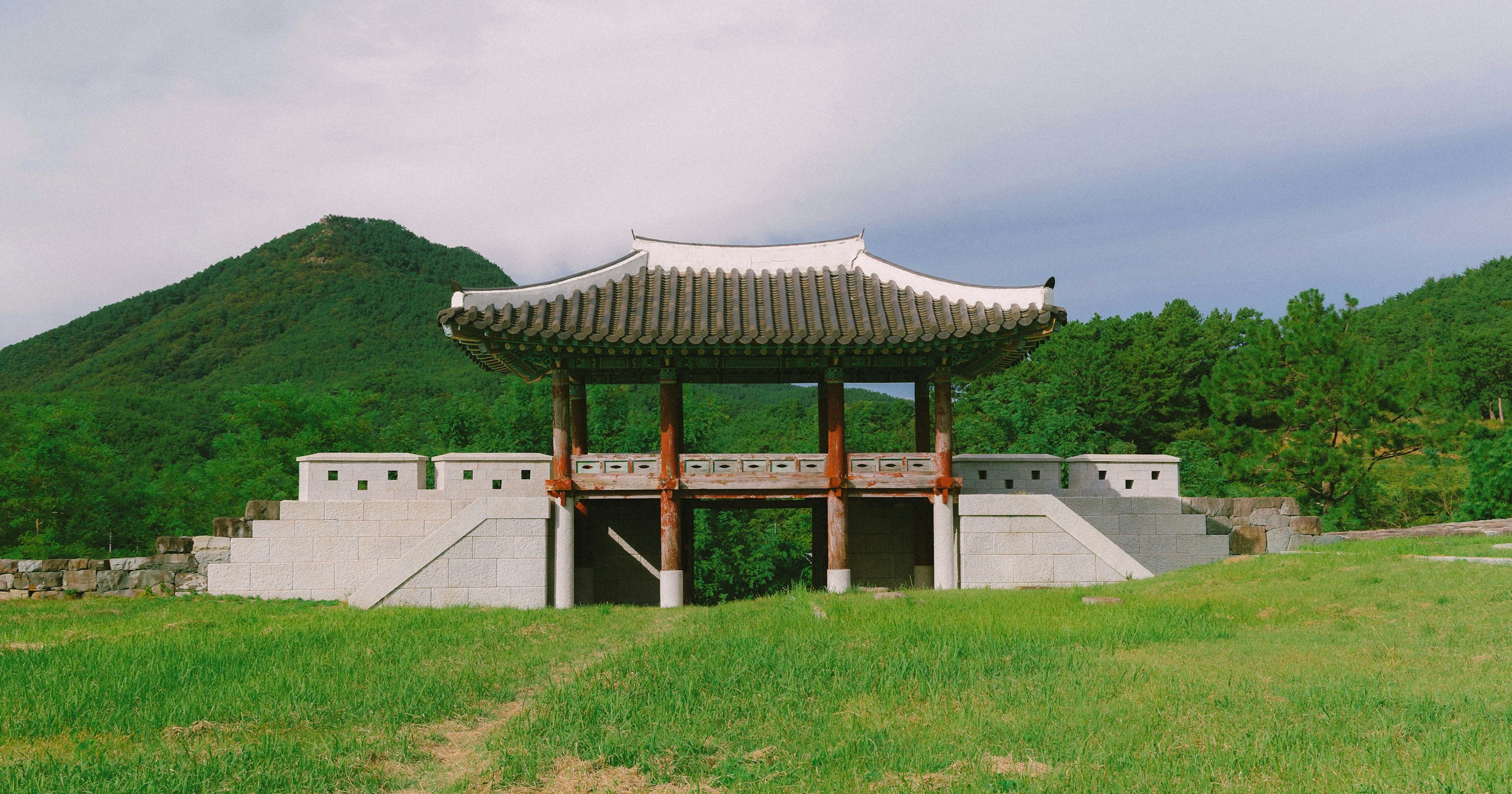
Cover photo by Park Seongjjn
When taking photographs, many people unconsciously ask themselves, “Is this right?” However, unlike mathematics, photography does not have a single correct answer. What truly matters is the personal sense of “what feels right to me.”
This time, we take a step back from that mindset and seek hints for transforming uncertainty itself into creative energy.
The assumption that “a good photograph equals a correct photograph” can unknowingly narrow your expressive range. For example, if following the rule of thirds or the golden ratio becomes the goal, your perspective may become uniform and you risk missing out on the serendipity of chance.
The key here is cultivating the ability to notice “discrepancies.” Making the edge of the frame—not the center—the protagonist, intentionally leaving the focus soft to capture atmosphere, or treating backlighting and blown highlights not as “mistakes” but as intentional choices. These decisions, which stray slightly from the so-called correct answer, can open up new ways of seeing.

Photo by Wen
What matters more than technical skill is the attitude of “testing” rather than “correcting” the sense of discomfort that arises within you. That discomfort can become the gateway to your next form of expression.
You don’t need a special camera—your smartphone is more than enough to broaden your means of expression. A recommended exercise is to limit yourself to “just 10 shots in the same place,” each from a different perspective. Try shooting from a low angle, a high angle, moving closer, stepping back, or incorporating reflections—the more you change the conditions, the more you discover.
Next, try intentionally adjusting the brightness to extremes. Make it dark to leave only outlines, or brighten it to strip away information. You’ll begin to sense the shift from photography as “documentation” to “interpretation.”
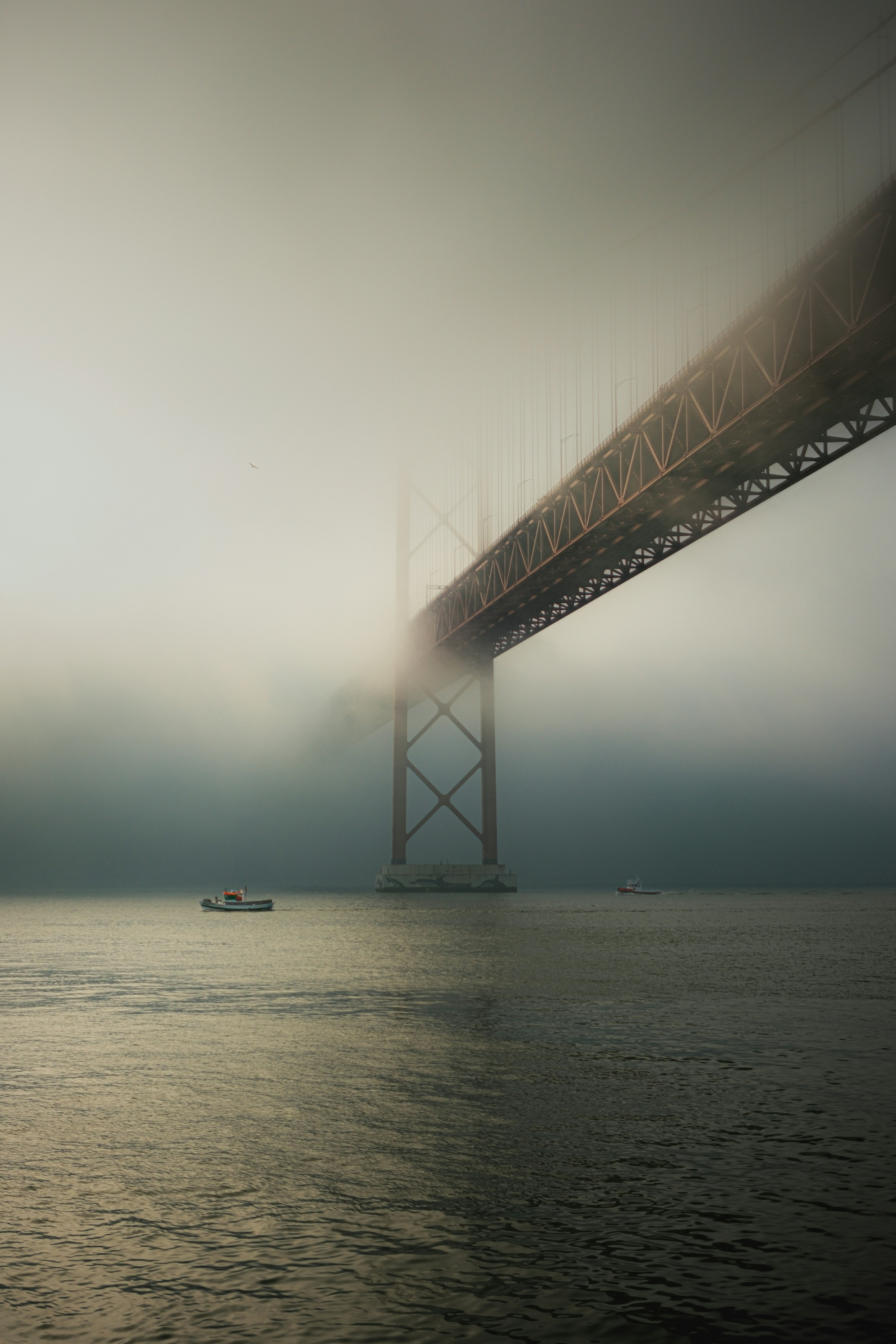
Photo by Sebastián Muñoz
What’s important is not choosing “which is the right shot” after you’ve taken them, but rather having a hypothesis while shooting—“How will it look if I do this?” The act of continual experimentation itself becomes your creative process, rather than searching for the right answer.
When you shoot alone, your perspective and criteria for judgment tend to become fixed. That’s why it’s important to share your work with others. What you gain from social media or creative communities is not the number of likes, but rather “ways of seeing different from your own.”
Other people’s feedback is not a correct answer, but a source of insight. When someone puts into words the meaning of a composition you weren’t consciously aware of, or the appeal that arose by chance, your work becomes not a “finished product” but “material for what comes next.”
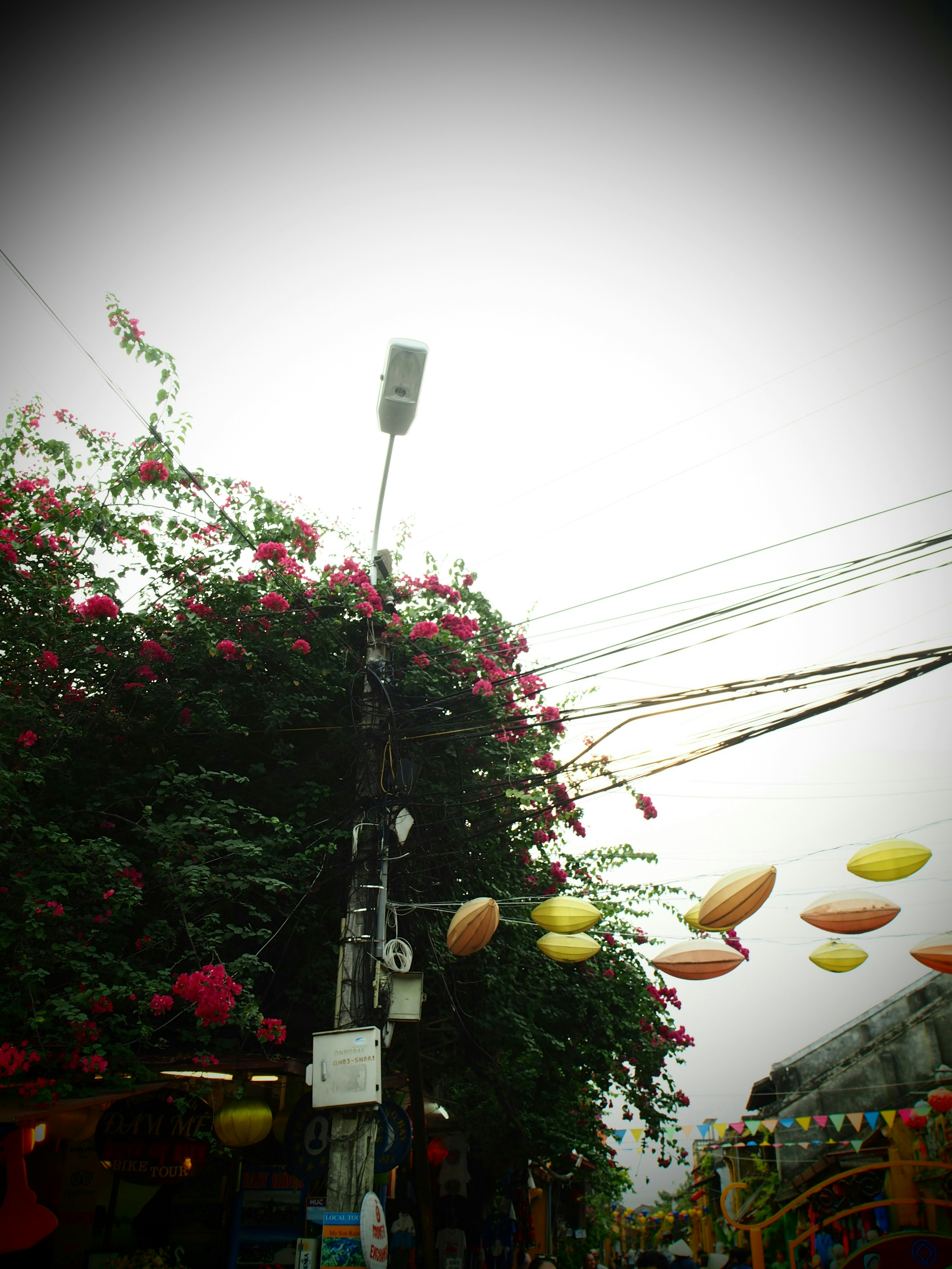
Photo by kimis.photo
Photography is not something that ends with the individual; it is an expressive practice that evolves through interaction with others.


