

Photography is, by nature, a quiet medium. Yet there are images in which sound seems to arise: the flow of water, trees swaying in the wind, the murmur of people, the distant presence of a passing train.
Even if sound itself cannot be captured, the moment just before it emerges or the traces left after it fades can be preserved in a single frame.
This feature delves into the theme of 'photographs that capture sound,' exploring how to evoke auditory imagination within still images through movement, negative space, light, and composition.

Photo by me..
Sound Lingers in the Midst of Movement
Photographs that evoke sound often contain a 'memory of movement.' The instant a wave crashes, just after a bird takes flight, or the split second a raindrop bounces off the ground. Rather than freezing the scene completely, leaving a slight blur introduces a sense of time flowing within the frame.

Photo by kawase45
A fast shutter speed can express the sharpness of a sound, while a slower shutter speed conveys its continuity. The sound of water may appear as a smooth line, while the bustle of a city emerges as silhouettes or trails of light. To photograph sound is to translate the rhythm heard by the ear into a visual rhythm.
Even Stillness Has the Contour of Sound
Photographs that capture sound are not limited to lively scenes. The tense air of a winter morning, an empty train platform, or the depths of a forest where the wind has stilled—all contain the sound of silence.
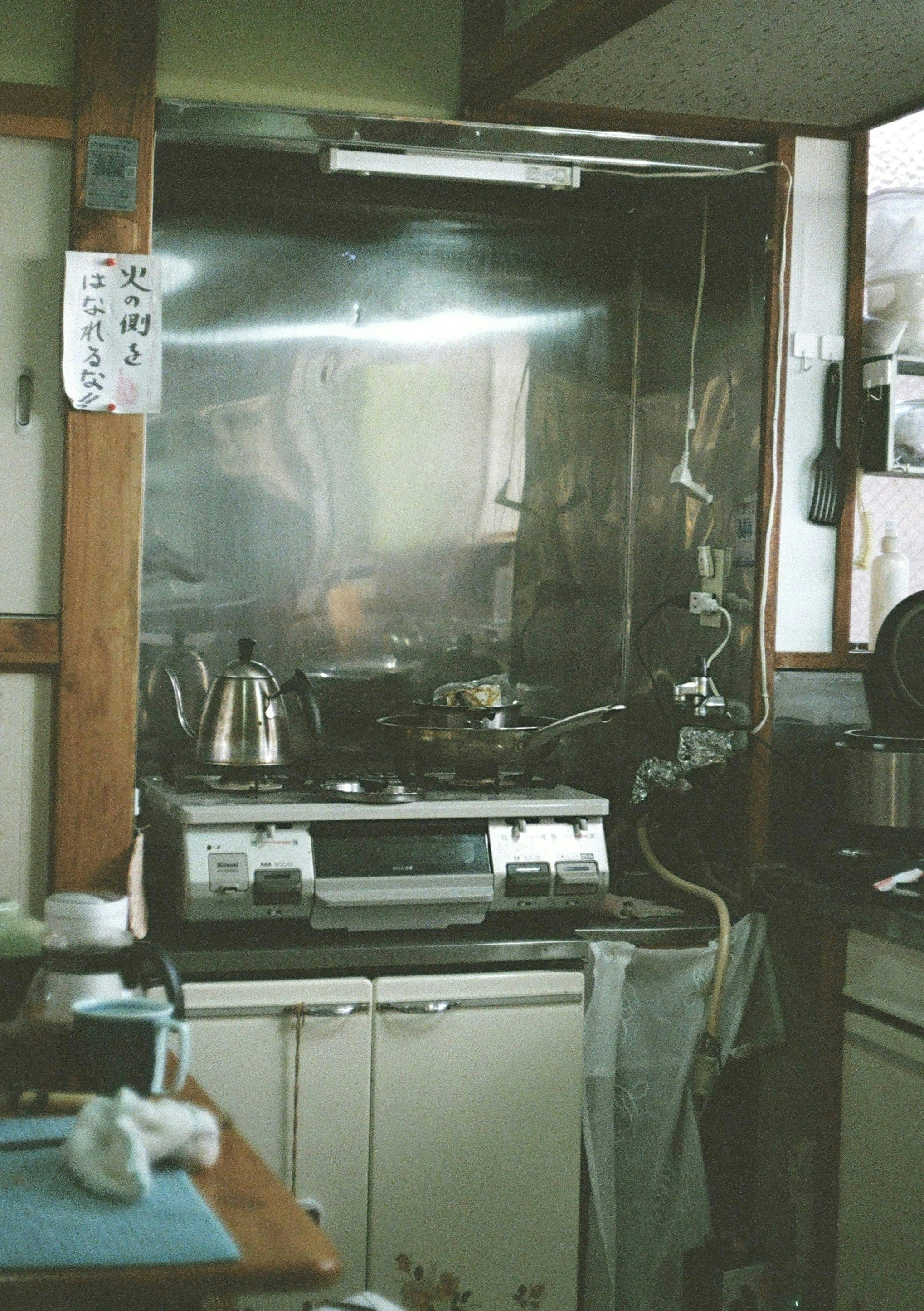
Photo by yNAK
The key is to leave 'room to listen' within the frame.
By allowing for generous negative space and placing the subject small within the composition, viewers begin to imagine the atmosphere present. In scenes where light diffuses softly, sound seems to recede into the distance. Conversely, strong light or hard shadows evoke the sharpness or dryness of sound.
Let What You Hear Guide Your Composition
When shooting, try first putting into words what you hear in the location. Once you identify the impression of the sound—whether it’s a gentle rustle, a bustling murmur, a steady tapping, or profound silence—it will influence your approach to composition.
For example, with the babble of a stream, compose so the viewer’s gaze follows the flow; for urban noise, capture the overlapping of people and vehicles.

Photo by 犬養常時
With a smartphone, use burst mode to capture the peak of movement; with a camera, experiment with different shutter speeds to compare the qualities of sound you can convey. The first step to infusing sound into a photograph is to listen carefully before pressing the shutter.
