MAGAZINE
MAGAZINE
MAGAZINE
MAGAZINE
By cizucu ·
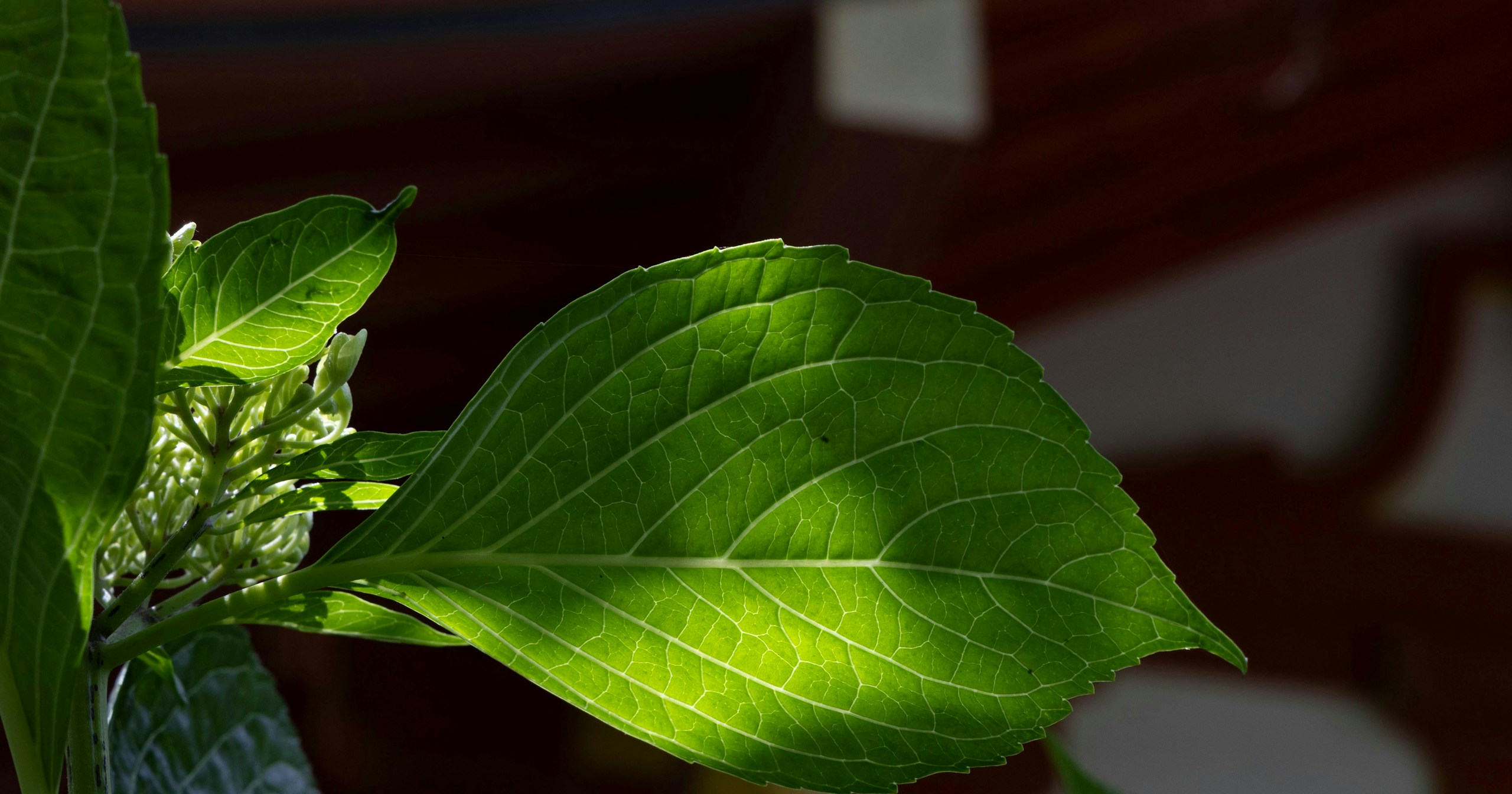
Cover photo by だいひょう
The forests and parks from spring to early summer cannot be fully described by simply saying "the green is beautiful." Newly sprouted leaves are soft and translucent, while those that have grown a bit embrace shadow, revealing entirely different hues even within the same tree depending on location.
Photographing during this season is not just about documenting the landscape, but also about testing how finely your eyes can discern subtle differences in color. Green is not a single color. That very discovery is the gateway to advancing your photographic practice to the next creative stage.
The allure of fresh greenery lies in the gradation from yellow-green to deep green. On clear days, light wraps around the underside of leaves, revealing the veins and subtle differences in thickness, bringing forth vibrant hues. Conversely, on overcast days or in the shade, green takes on a calm depth, appearing as layered, subdued tones.
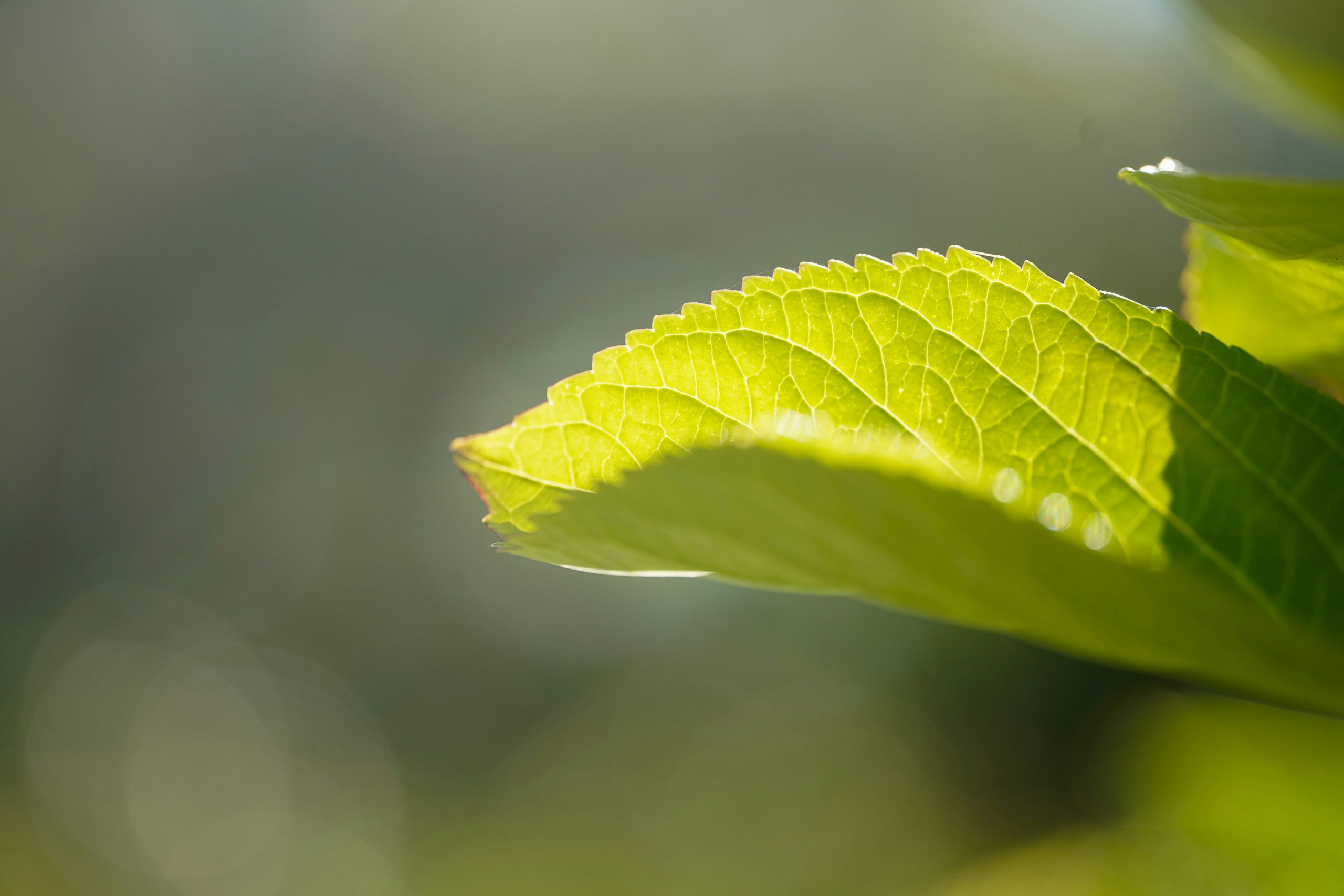
Photo by kaito
Before you start shooting, try comparing the same branch under direct light, backlight, and side light. Whether using a smartphone or a camera, shifting your position by even half a step can dramatically change the impression of color. Begin by searching for "which light makes these leaves appear most beautiful."
When you look up at leaves from underneath, only the parts touched by light become brightly translucent, while the shadowed areas deepen. Within a single leaf, the softness and vitality of young foliage coexist.

Photo by yslab
Especially from spring to early summer, the color that emerges when light passes through leaves varies depending on the tree species and leaf thickness, making the act of observation itself a rich learning experience. You can easily try this with low branches in a park, young trees along a path, or even plants on your balcony.
Find an angle that places the sun behind the leaf, and focus on the boundary between light and shadow. There, you will surely discover the unique character of green that you may have previously overlooked.
Rather than making the leaf itself the sole subject, incorporating dappled sunlight and the surrounding environment brings a sense of air and movement to your photographs. Wide-angle compositions that fill the frame with branches and foliage are effective in conveying the density and immersive quality of green.
Furthermore, choosing backgrounds such as watersides, streams, wet stones, or white walls can make the green appear even richer through contrast. Set your white balance to auto or daylight, and aim for a natural finish without oversaturating the colors. Approach a single tree not just as a "subject," but as a "textbook of color." This perspective deepens your creative practice in a way unique to this season.
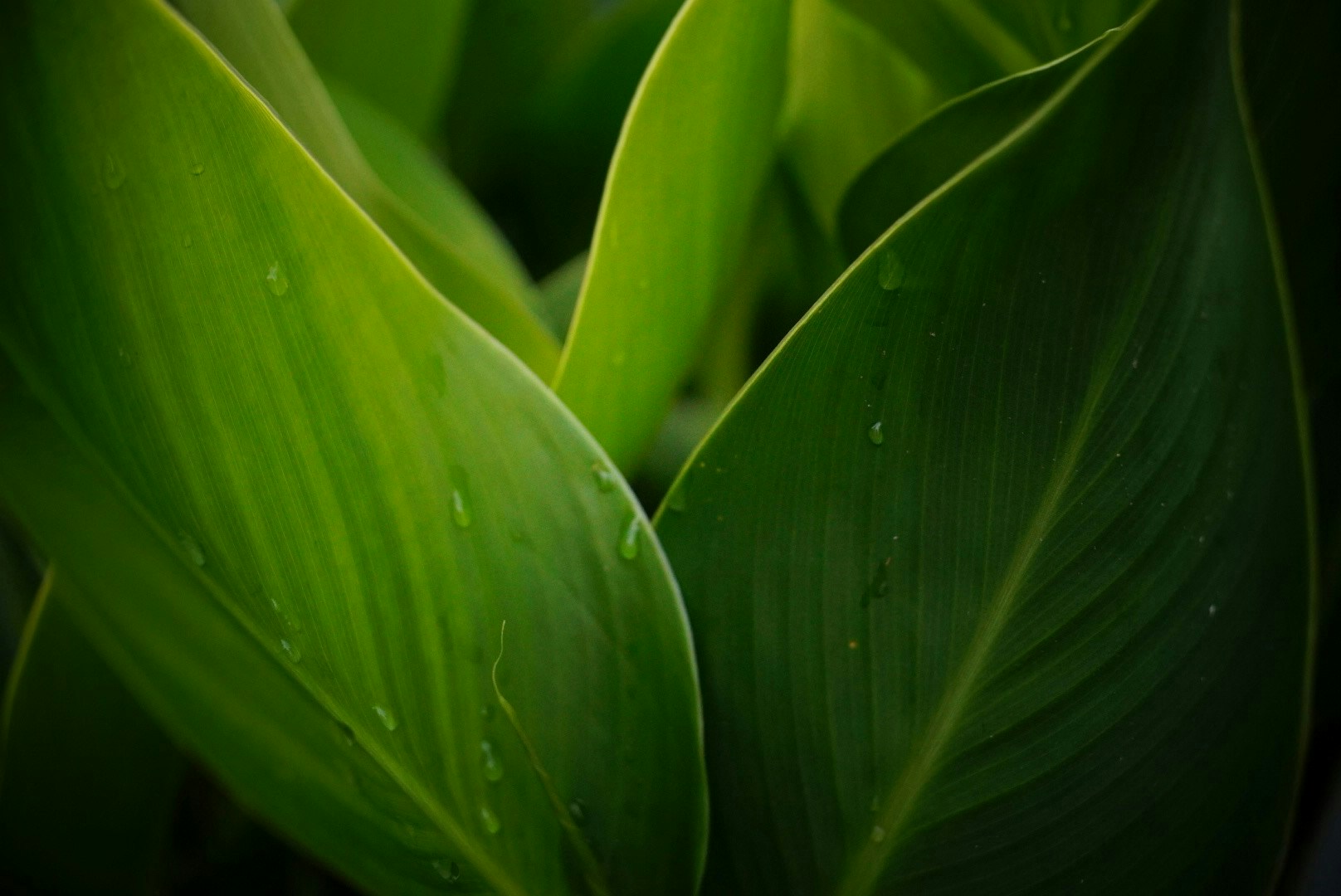
Photo by fuji
You don't need to travel to famous scenic spots to start photographing fresh greenery. The street trees on your commute, a nearby park, or rain-washed shrubbery all offer abundant color variations. Morning light is crisp, evening light is gentle, and even the same leaves can look dramatically different depending on the time of day.
By setting a theme for each walk—such as focusing only on transmitted light today, or seeking out the shapes of dappled sunlight next time—you sharpen your perspective. Layering your own discoveries of color within everyday scenery will surely breathe new life into your work.


