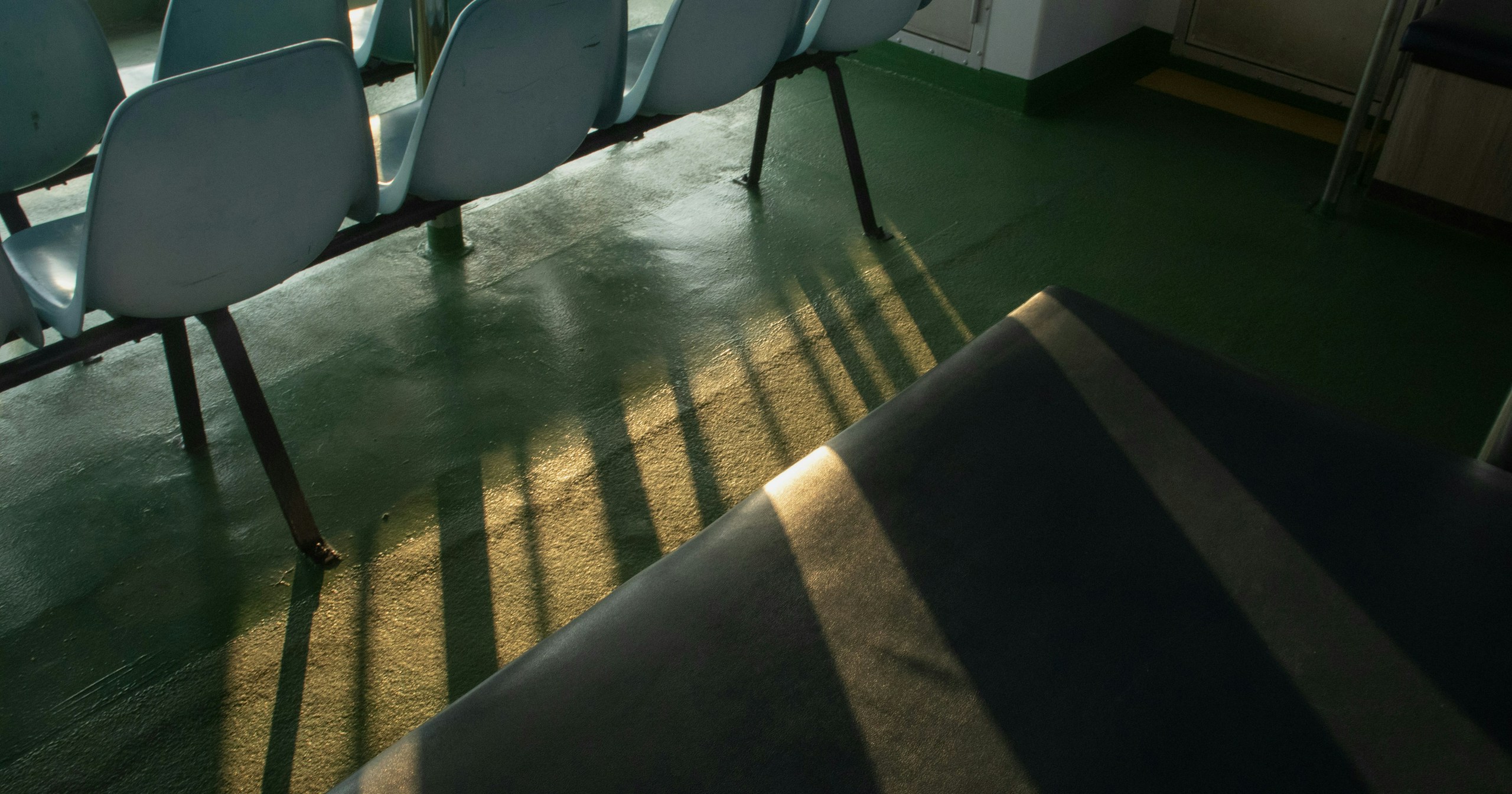
Photography is often described as a medium that records what is in front of the lens. Yet, the images that linger in our memories are sometimes those supported by what is absent rather than what is present.
An empty chair, used tableware, discarded clothing, a slightly rumpled bed—
Though no one is pictured, there is undeniably a sense that "someone" is there.
This feature is not about techniques for staging absence, but about a philosophy of perceiving it. Rather than simply removing people from the frame, it is about perceiving the lingering presence through traces and voids. With this perspective, the ordinary moments of daily life are transformed into scenes worth capturing.
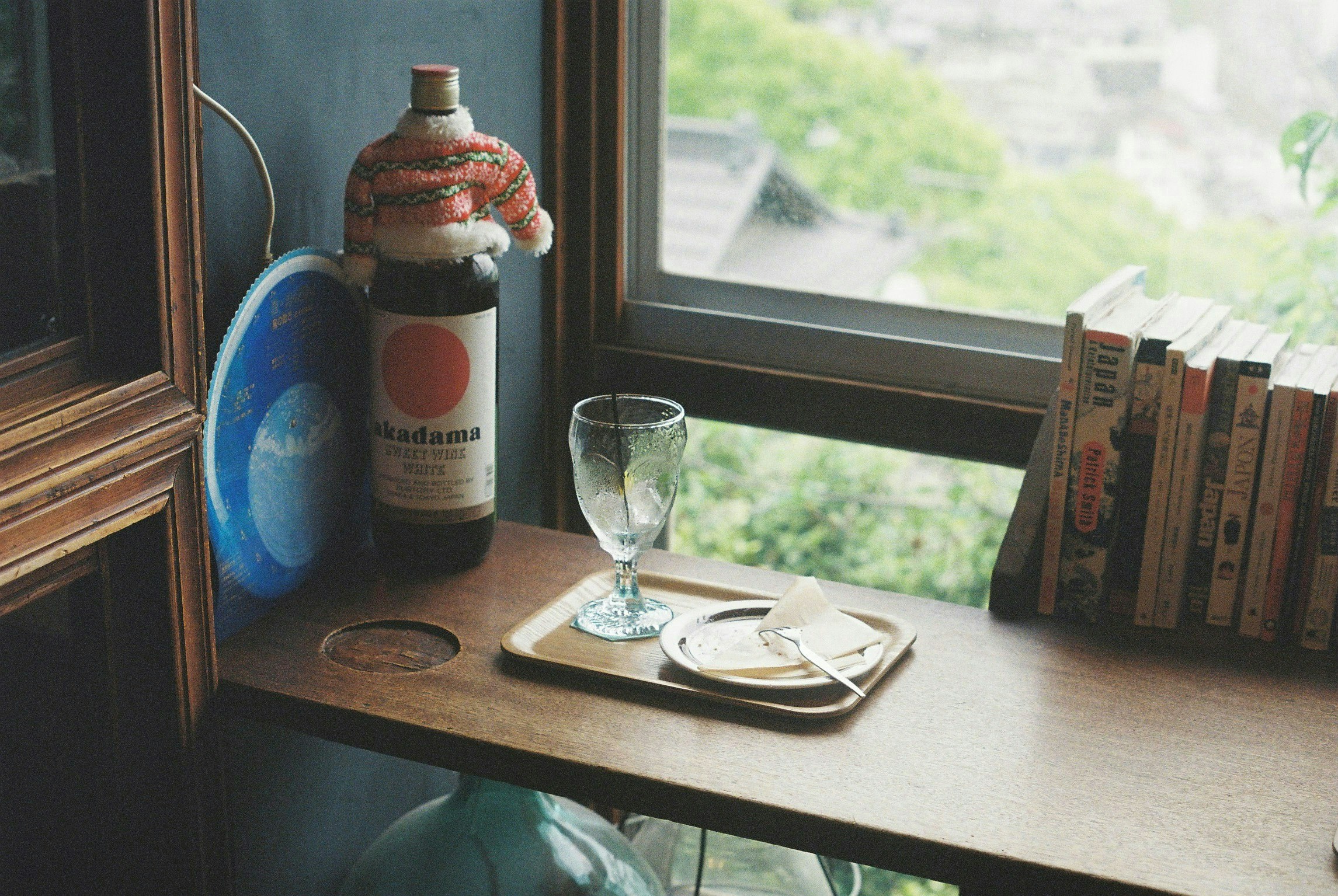
Photo by 柚羽
Traces Become Portraits, Not Mere Substitutes for People
Photographs of absence are not simply images missing their main subject. Rather, they attempt to evoke the contours of those who have departed through the objects and spaces left behind. An empty chair is not just furniture; it becomes a vessel that once held the shape of a body. A finished mug, a coat draped over a chair, a half-open closet—all serve the same purpose.
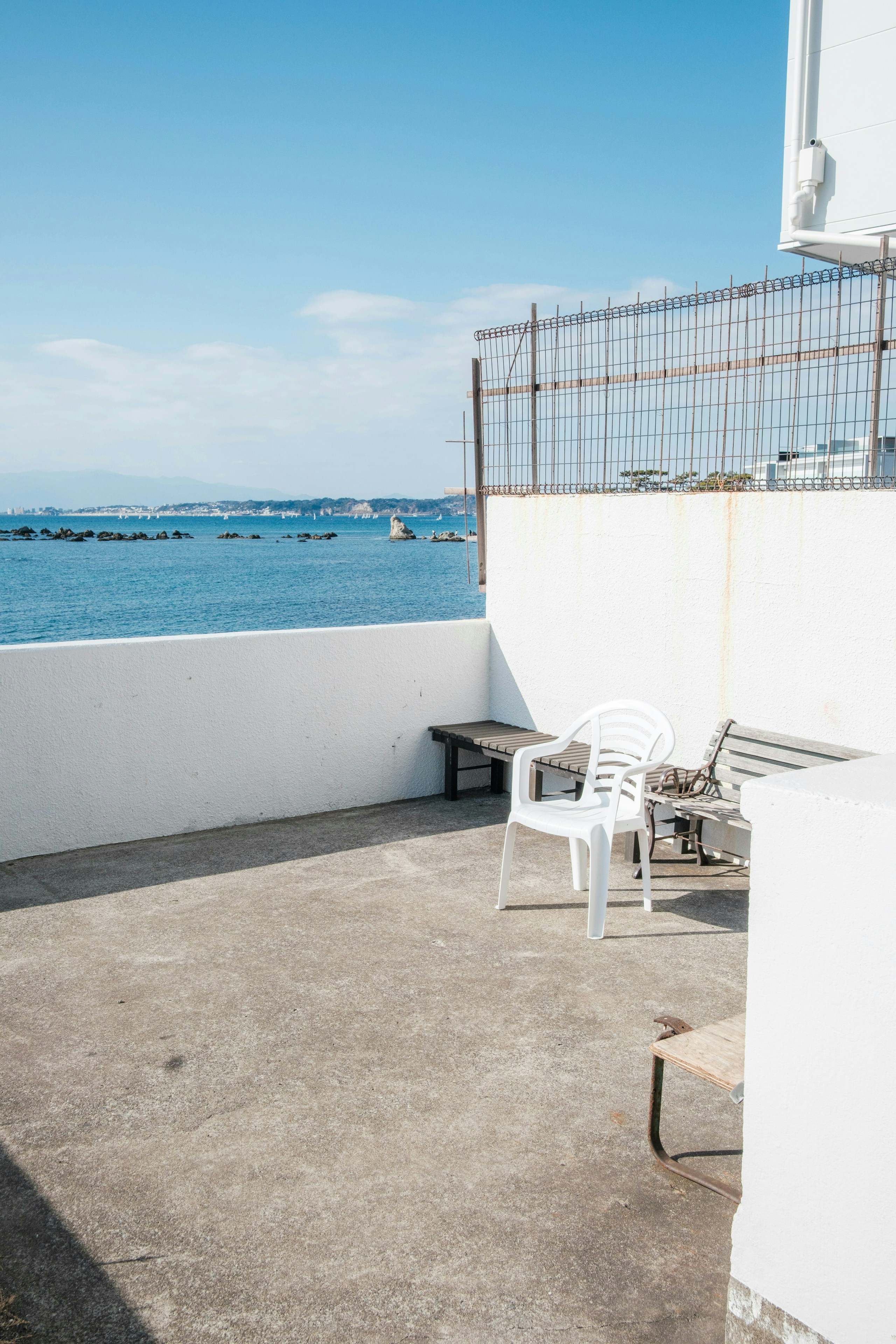
Photo by Yuya
The key is not to describe the objects themselves, but to read the "shape of absence" they indicate. The worn grain of wood, a dent, the direction something was left, the way light pools—these details can speak of a person even more than a portrait. Absence is not a lack, but an invitation to imagination.
Absence Is Not "Nonexistence," but the Density of the Void
From a theoretical perspective, the intrigue of photographs of absence lies in their paradox. Even though the subject is missing, there is a clear focal point at the heart of the image. An empty chair stands out not because it is a mere void, but because it is a place where "someone should have been."
What is depicted is not the object itself, but the presence of absence—the form of the void.
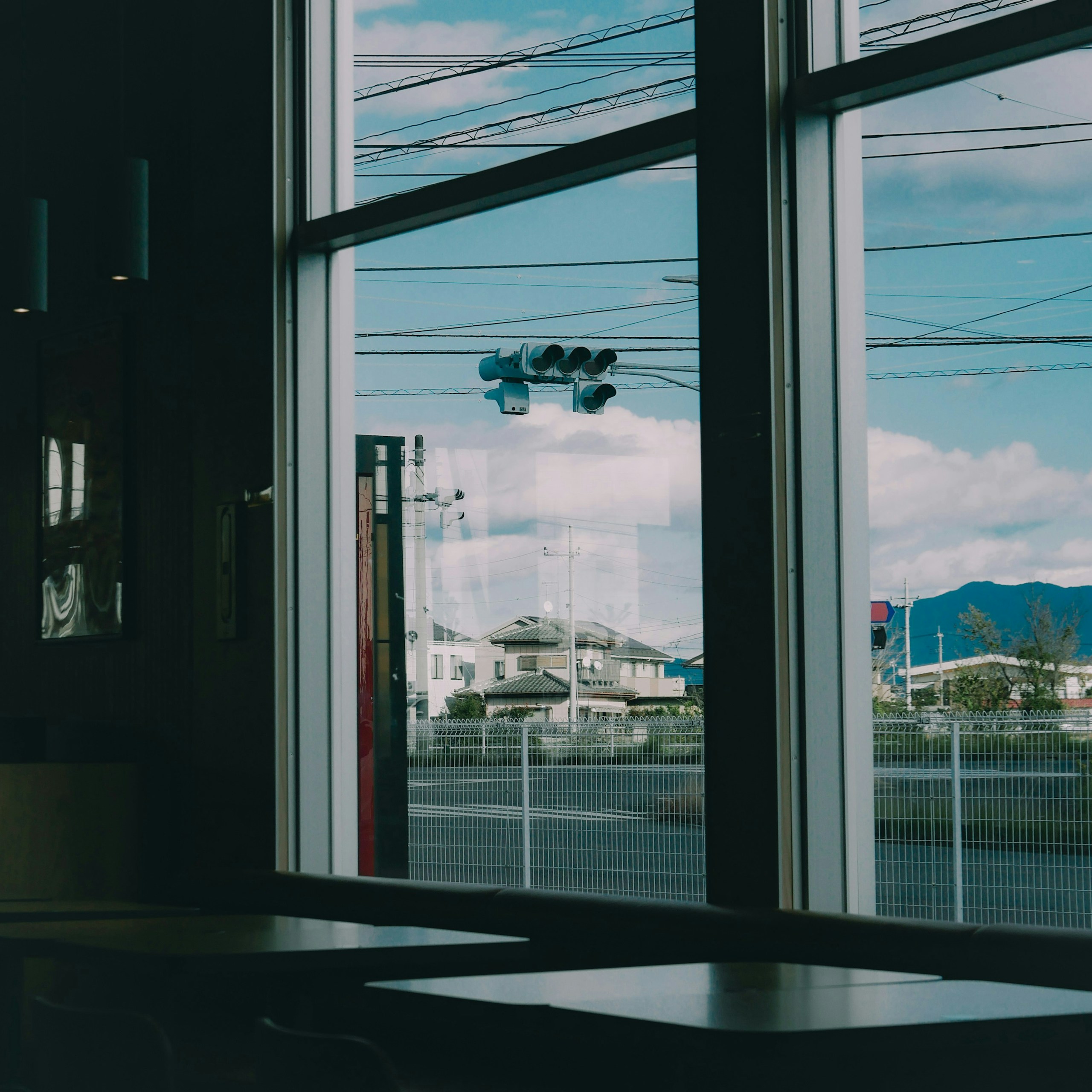
Photo by nico
If you begin to explain loneliness or loss, the photograph suddenly becomes closed off. Instead, it is better to leave the meaning suspended. When there is enough space for viewers to pour in their own memories, absence emerges not as a fact, but as a resonance. In that moment, photography shifts from documentation to contemplation.
Toward the "Place Where Someone Should Be"
Though this theme may seem challenging, you can start exploring it today. Rather than simply looking for "places without people," seek out spaces where the absence of people feels slightly unnatural.
A meeting room empty after lunch, dishes left unwashed after a meal, a single chair left on the balcony, shoes taken off at the entrance, a wet glass by the sink.
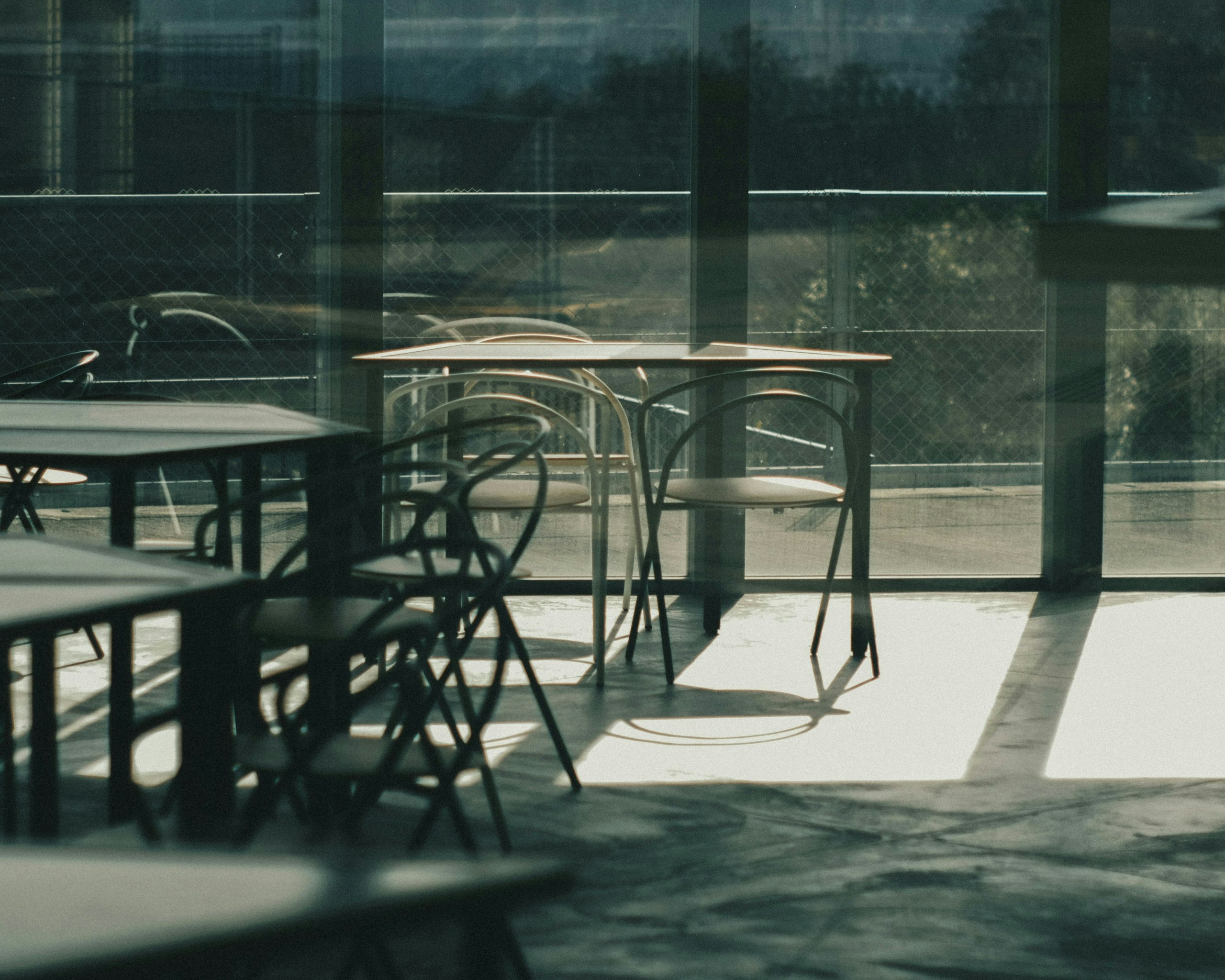
Photo by calm…
When photographing, rather than documenting objects head-on like evidence, try framing to include the surrounding silence. Light streaming in at an angle, the lingering sense of daily life in the background, the impact of an empty space—all of these matter.
The act of photographing does not end with the shutter; it begins anew when you revisit the image. A photograph of absence is completed in this second gaze.