MAGAZINE
MAGAZINE
MAGAZINE

Cover photo by masa
"Image quality" is a term that continually prompts reflection among photography enthusiasts. While it is clear that image quality serves as an indicator of a photograph's clarity, there is no universal scale to quantify it.
Resolution measured by MTF, pixel count, color depth, and other complex data are often used to assess image quality. But ultimately, what does it take to create a photograph with "good image quality"?
In an era where image quality alone does not determine the value of a photograph, let's take a direct and thoughtful look at what "image quality" truly means.
Generally, the higher the pixel count, the clearer and more detailed the resulting photograph. Using a larger sensor with a higher pixel count is one way to achieve high image quality.
However, when comparing cameras with the same sensor size, increasing the pixel count reduces the amount of light each pixel receives, which can ultimately lead to decreased noise resistance.

Photo by Yatto
Another common characteristic of high-resolution cameras is their increased susceptibility to camera shake. Rather than simply opting for the highest pixel count, selecting a camera that matches your intended use and skill level will ultimately lead to better image quality.
No matter how high the pixel count or how optimal the camera settings, if the light entering the camera is not sharp, the result will fall short. The resolving power of the lens, which governs how light is captured, is a major factor influencing image quality.
The resolving power of a lens can be quantified to some extent. By photographing a test chart—a black and white pattern—and visualizing the resolution from the center to the corners of the image sensor, one can assess the lens's performance.
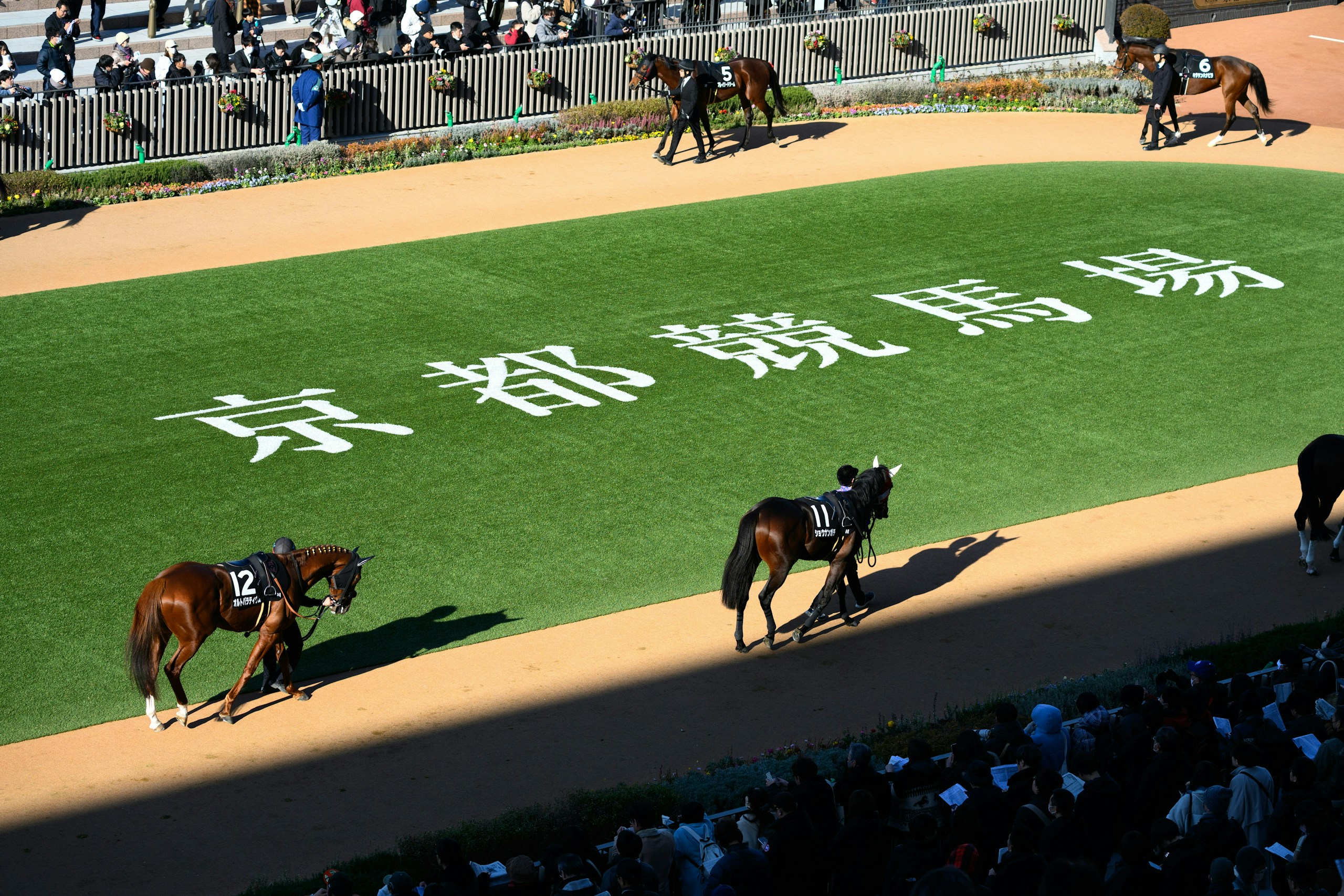
Photo by masa
Since resolving power varies with aperture value, knowing the optimal settings to maximize your lens's performance is key to capturing high-quality images.
It is a fundamental principle that increasing ISO sensitivity introduces noise and degrades image quality. However, there are situations where lowering the shutter speed is not an option, and higher ISO becomes necessary.
How you handle unavoidable noise is also a crucial factor in determining image quality. In recent years, AI-powered noise reduction software has made it possible to achieve high-performance noise reduction with a single click.

Photo by masa
Rather than simply deciding that increasing ISO is unacceptable, it is important to understand the ISO range your equipment can handle and how much post-processing is needed to achieve satisfactory image quality. Each photographer should determine their own optimal settings.

55 Magazines
A special series featuring contributions from creators with diverse perspectives from around the world. In their own words, they share their thoughts on cameras and photography, along with the stories behind their creative journeys—offering viewpoints that the cizucu editorial team alone could not capture.