

Choosing the right lens is both the allure and the dilemma of interchangeable lens cameras. When you first start out, you’ll likely use a standard lens covering a focal length of around 35–50mm (full-frame equivalent). Some may also use a kit lens that covers the telephoto range around 100mm.
As you gain more experience, you may find yourself wanting to photograph subjects that are difficult to capture with the naked eye. If that’s the case, it’s time to consider a super-telephoto lens of 300mm or longer.
Super-telephoto lenses can be challenging to select, so let’s explore the key considerations together.
The Essentials of Super-Telephoto Lenses
While there is no strict definition, the term “super-telephoto lens” generally refers to lenses with a focal length of 300mm or more. These lenses are typically used for photographing subjects that are difficult to approach, such as wildlife, aircraft, or sports.
The primary advantage is the ability to capture distant subjects at large scale. However, longer focal lengths are more susceptible to camera shake, and such lenses often have a higher minimum aperture (smaller maximum aperture), which can be a drawback.
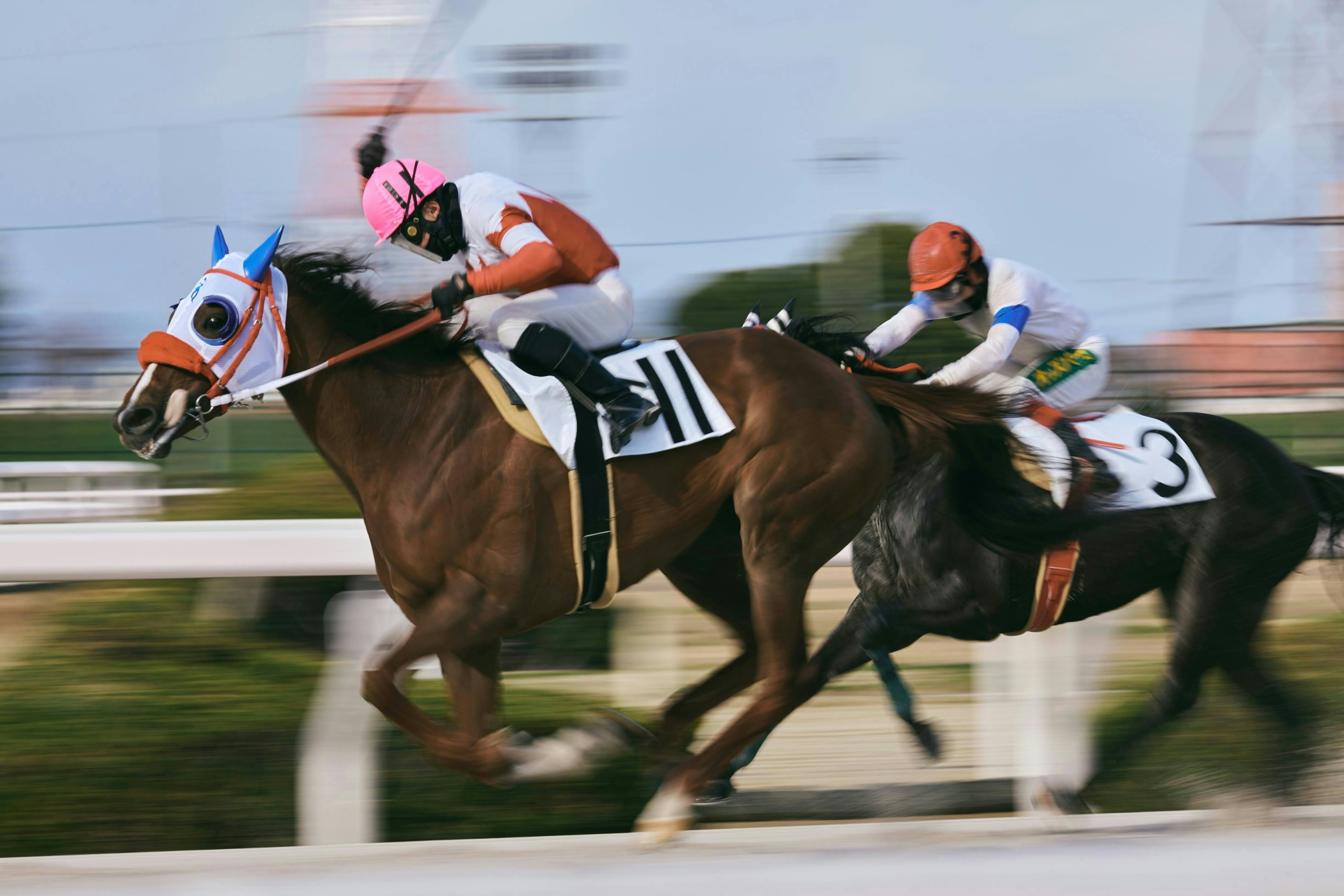
Photo by MiuRa
Of course, the narrower angle of view means these are not all-purpose lenses.
Be sure to select a lens that matches your intended use.
Selecting the Right Focal Length for Your Subject
Rather than trying to cover every possible focal length, it’s best to choose a super-telephoto lens that suits your specific photographic goals.
For example, a focal length around 300mm is ideal for photographing large subjects such as trains or airplanes. By leveraging the compression effect, you can capture the full scale of these subjects for dynamic, impactful images.

Photo by Swiftrs
If you’re interested in bird photography, consider a lens with a longer focal length—around 500–600mm. Even small subjects like kingfishers can be rendered in crisp detail, down to the texture of their feathers.
Making Use of Third-Party Lenses
Super-telephoto lenses are often expensive, and purchasing a manufacturer’s original lens can be a significant investment. In such cases, third-party lenses are a practical alternative.
For instance, lenses like the TAMRON 50-400mm F/4.5-6.3 Di III VC VXD or the SIGMA 150–600mm F5–6.3 DG DN OS are not only more affordable than original manufacturer lenses, but also offer higher zoom ratios than typical super-telephoto zooms, making them especially appealing.

Photo by masa
A higher zoom ratio allows you to adapt to a wider range of subjects.
While super-telephoto lenses are by no means casual tools, they can dramatically change your relationship with your subject and the distance between you. Scenes and moments that were once out of reach may now appear before you as new forms of expression.