MAGAZINE
MAGAZINE
MAGAZINE
MAGAZINE
By cizucu ·
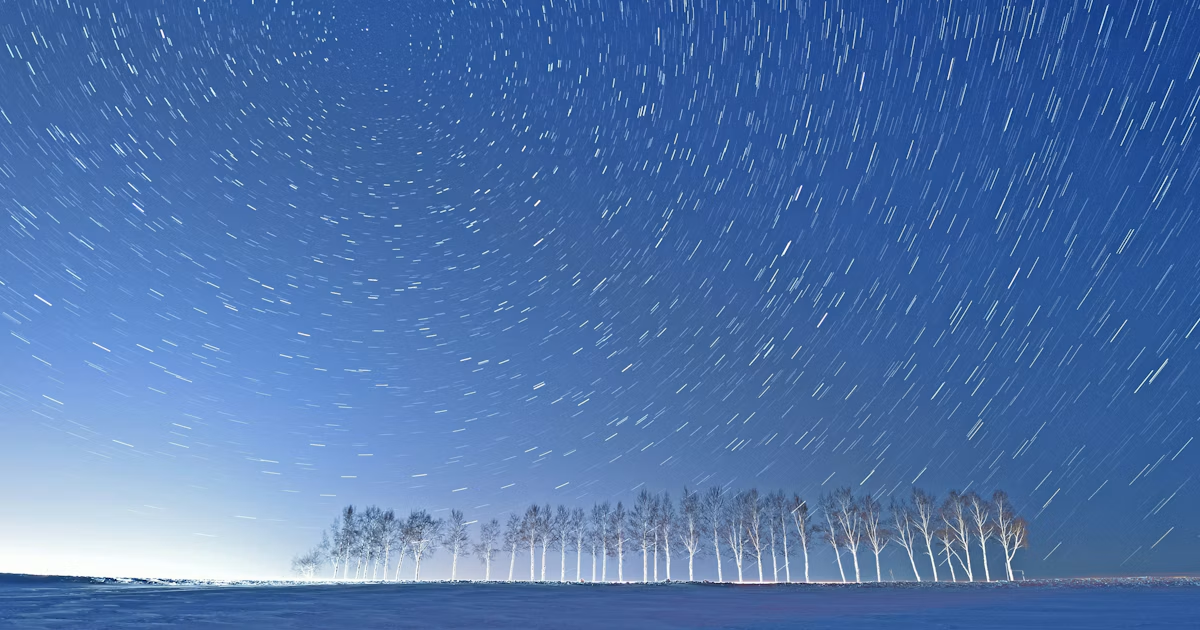
Cover photo by gs_pilot
Long exposure is not a magic formula where simply extending the shutter speed guarantees a beautiful result. The moment you encounter wind, rain, or harsh light, your image can easily fall apart. That’s why the focus now should not be on 'shooting longer,' but on 'making choices that suit the conditions.'
This feature organizes the common reasons for failure and introduces both conceptual and practical strategies for achieving expressive long exposures, regardless of the weather.
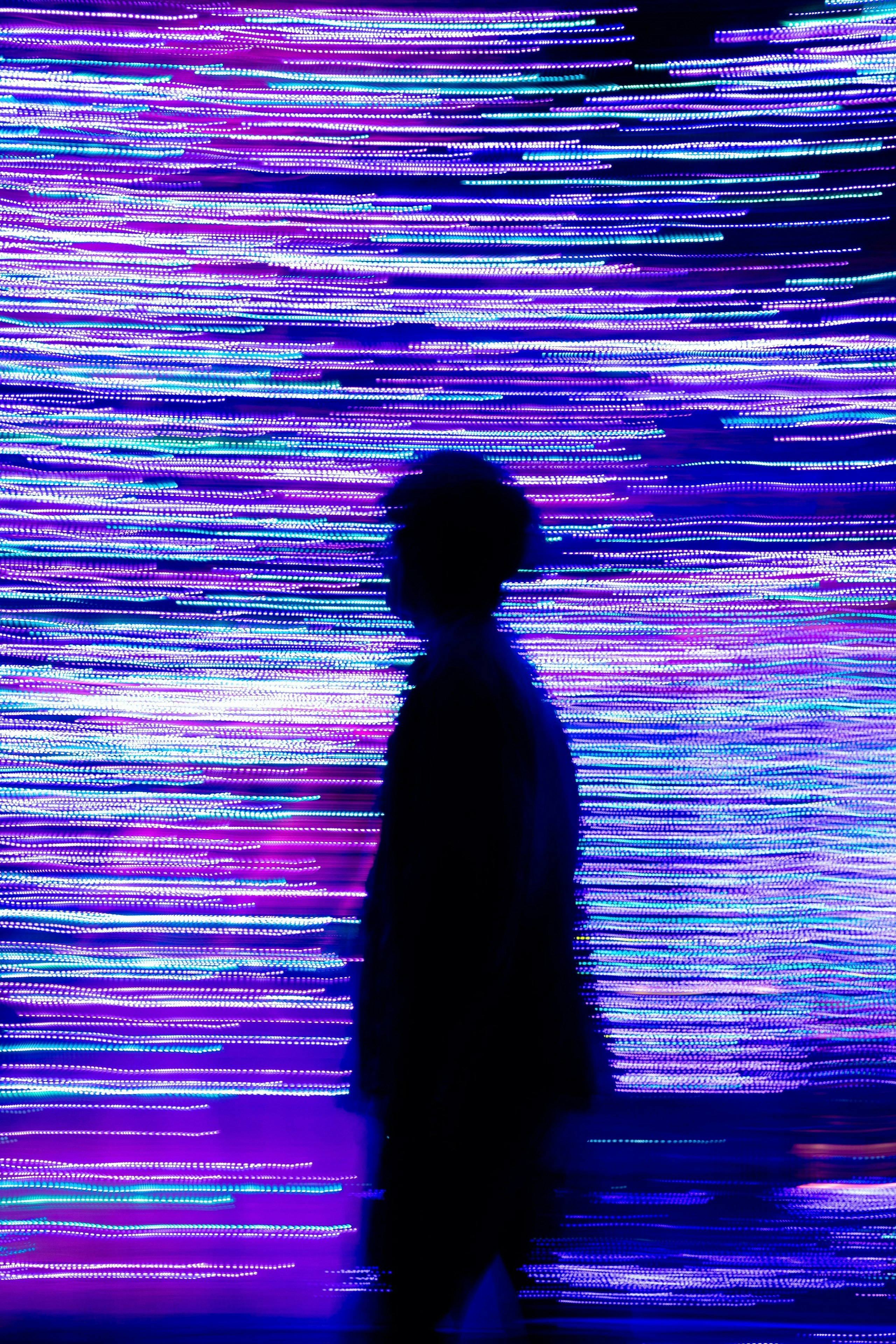
Photo by Enzo
The main reason long exposures can fail is that, as time increases, so do the chances of capturing 'problems.' The longer the exposure, the hotter the sensor gets, resulting in increased noise and hot pixels. Streetlights, moonlight, and car headlights accumulate, often diminishing contrast.
Stopping down too far causes diffraction, softening the entire image, and even with a tripod, wind can introduce subtle blur. Recognizing the 'threshold beyond which the image will not improve' is crucial for mastering long exposure techniques.
In wind, rain, or harsh light, it’s effective to shift your subject from 'motion' to 'form.' In urban settings, try frame-in-frame compositions or linear architecture; for seascapes and nature, aim for exposures of around 0.5 to 4 seconds, where the shapes of waves or clouds remain discernible. Rather than dissolving everything, leaving traces of movement adds a sense of tension to the photograph.
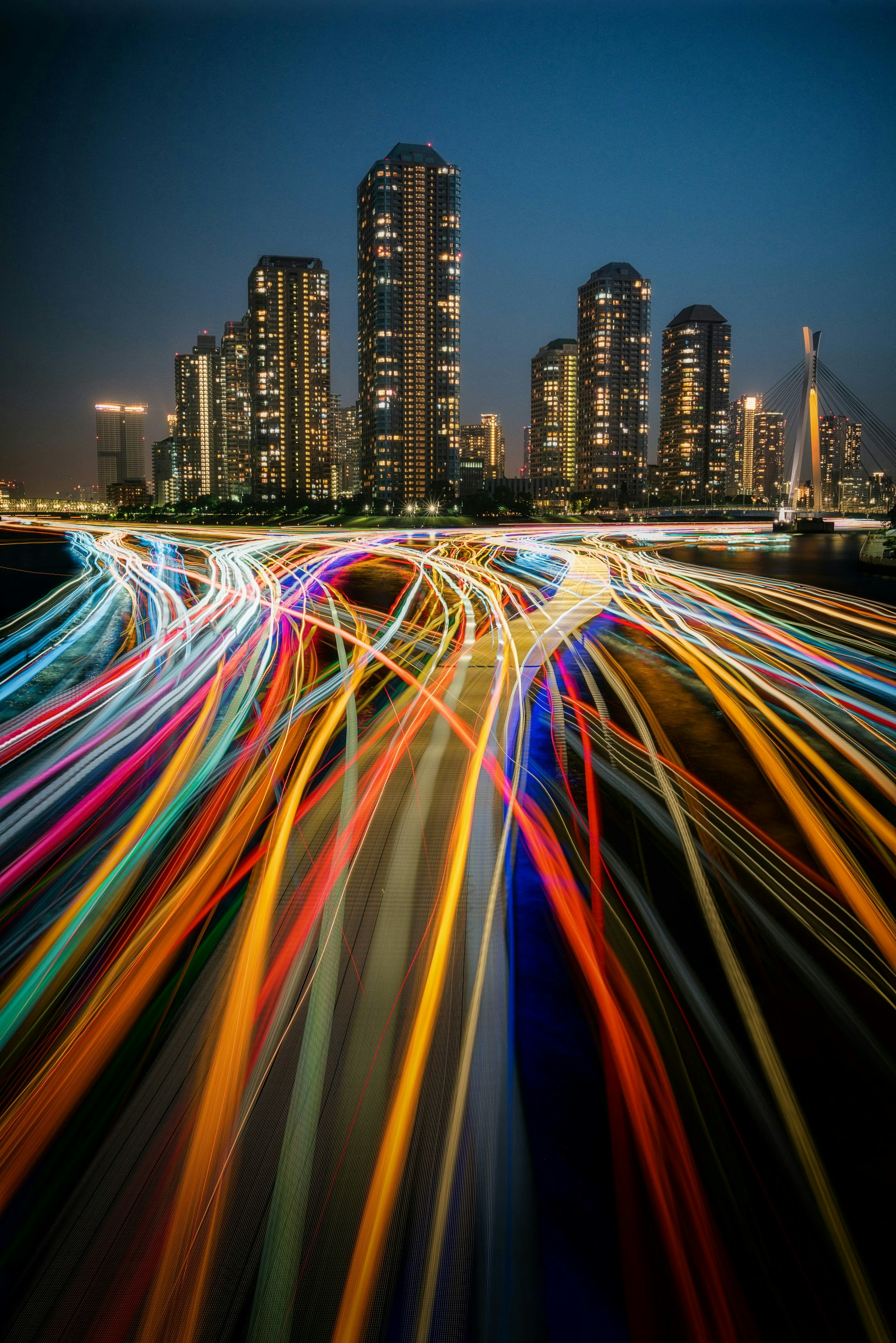
Photo by azphotography
Set your exposure based on the shadows, and to capture the fleeting peak of blue hour, consider alternating between handheld and tripod setups for maximum flexibility.
To increase your success rate, thorough checks before and after shooting are essential. Avoid stacking too many ND filters, and when using them, meticulously check for light leaks. When shooting with a tripod, turn off image stabilization, and on windy days, stabilize your setup with weights or by removing the camera strap.
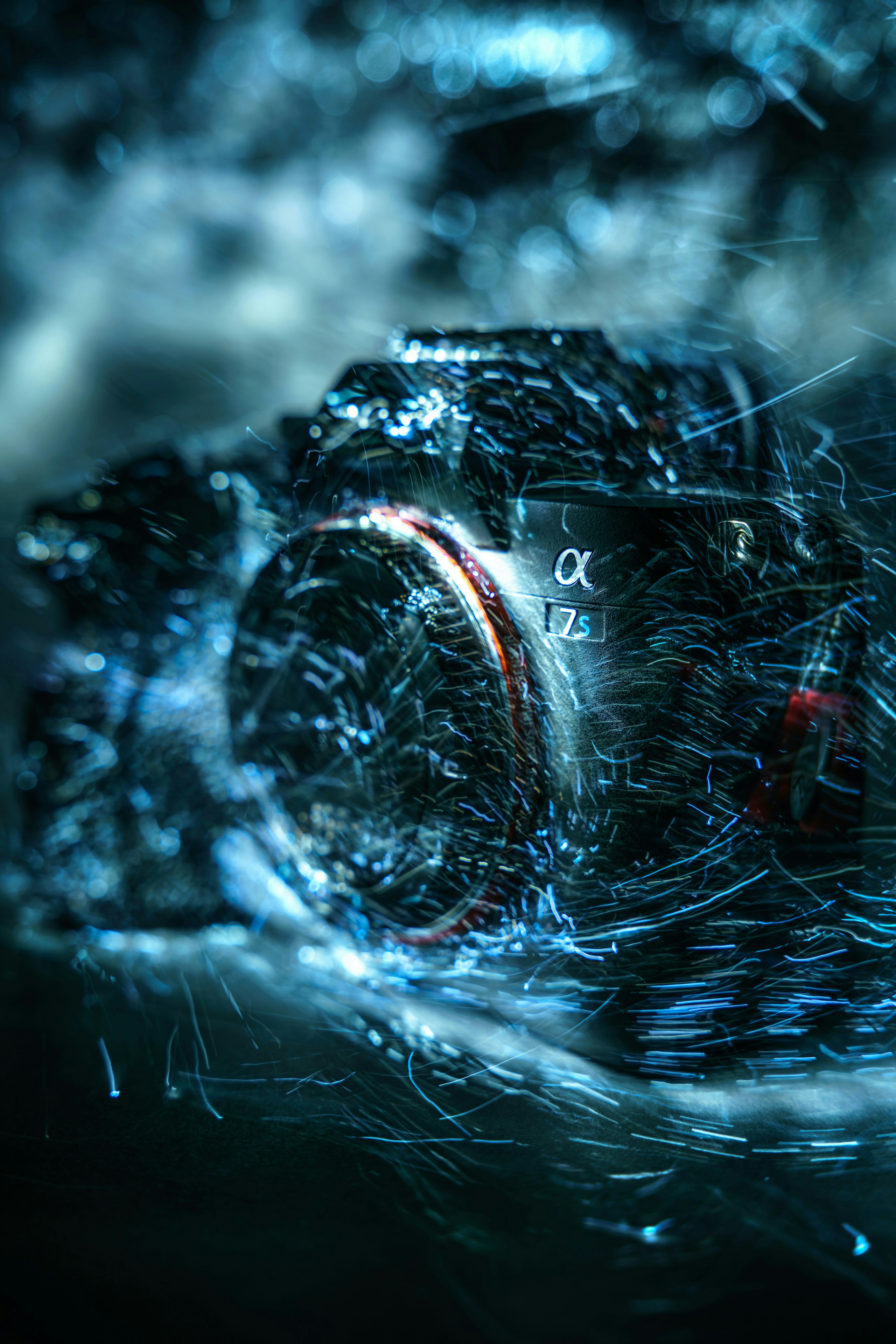
Photo by hamayan
For nightscapes, temporarily blocking the lens with a black card can help manage car headlights. After shooting, always check sharpness at 100% magnification and make it a habit to 'correct on the spot and reshoot' as needed.


