MAGAZINE
MAGAZINE
MAGAZINE
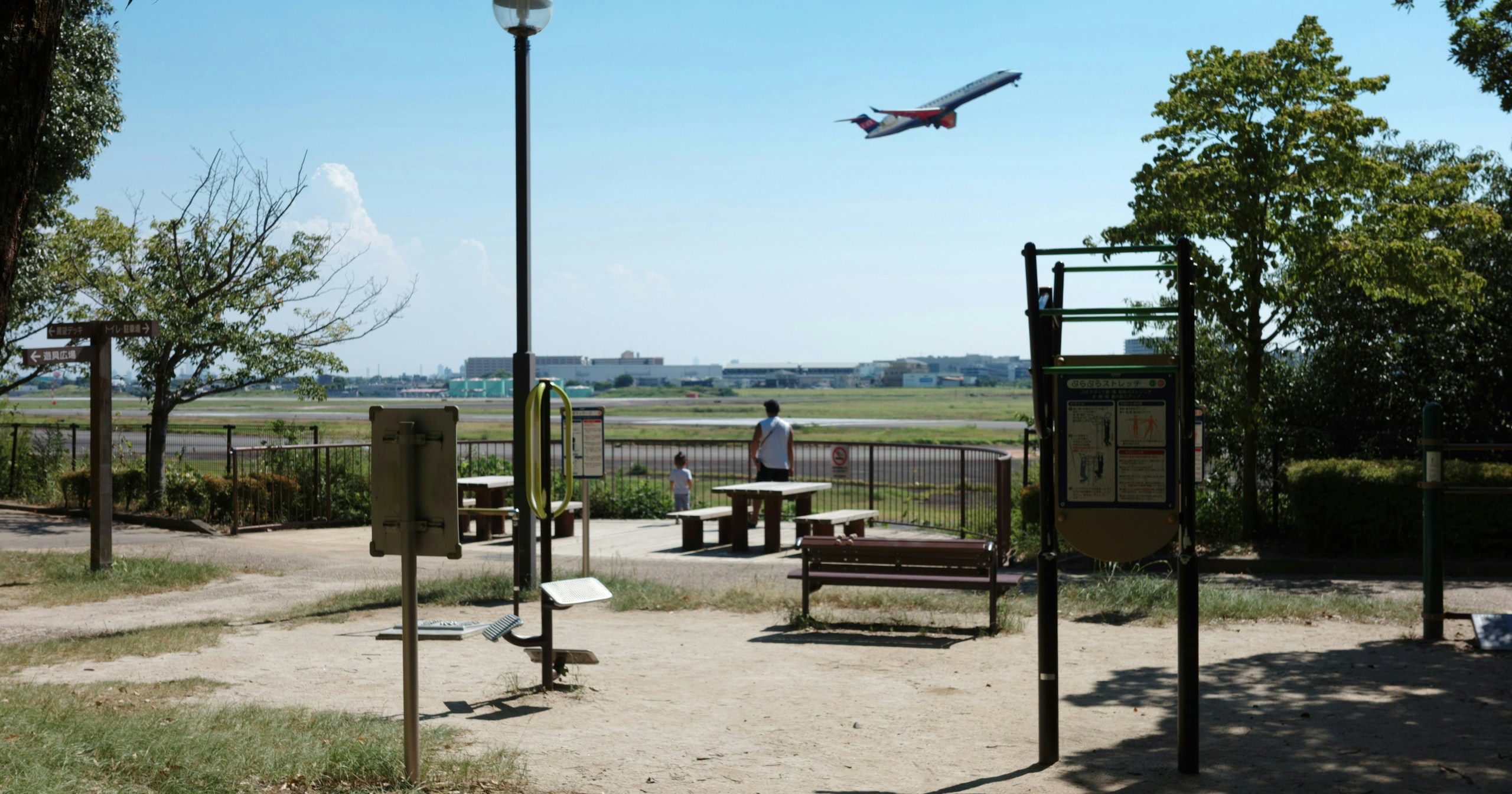
Photo by masa
※ cizucu認定ライター masa による寄稿マガジンです。
Even when using the same camera to photograph the same subject, the resulting photos can vary greatly depending on the photographer. While the act of 'taking a photo' may seem as simple as pointing the camera at a subject and pressing the shutter, the photographer's 'viewpoint,' 'vision,' and 'standpoint' can lead to a wide variety of works.
By considering 'viewpoint'—what you focus on, 'vision'—how much you observe, and 'standpoint'—where you observe from, you may discover new ways to improve your photography skills.
Your viewpoint should always be fresh, sharp, and original. If it becomes outdated, dull, or overly generic, it will be challenging to elevate your work to a higher level.
Your viewpoint is tested from the moment you discover a subject. What part of what you see catches your attention, and what do you choose to capture? If you have a clear viewpoint along with your camera, selecting a subject shouldn't be too difficult.
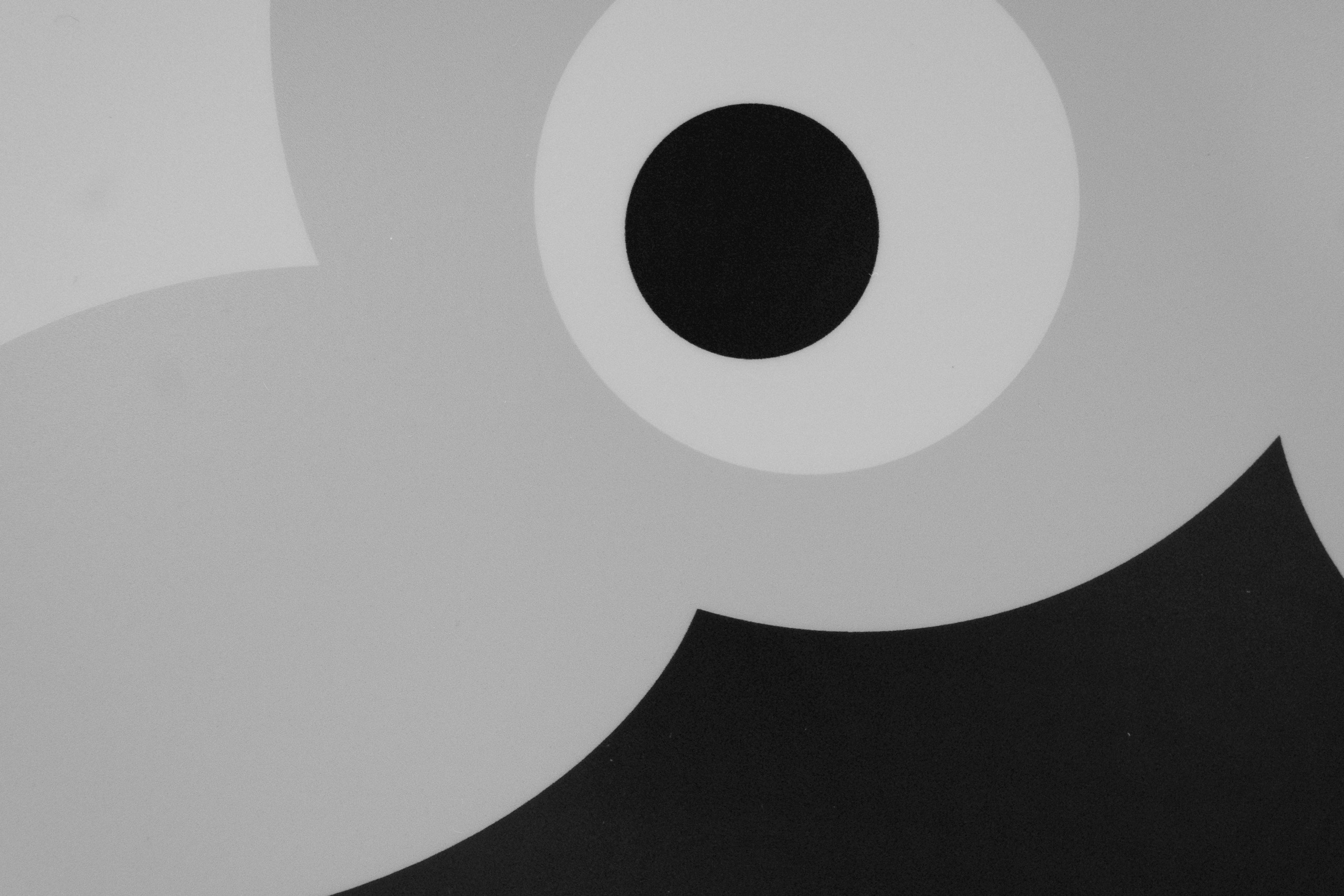
Photo by masa
Once you've chosen your subject, deciding where to focus within it becomes another critical decision. Even with the same subject, the impression of the photo can change significantly depending on the focus point. Guiding the viewer's perspective through your photo is another aspect of the photographer's sense of viewpoint.
Vision can be judged on a scale of broad to narrow. Naturally, having a broader vision is advantageous, but in this context, 'vision' should be distinguished from 'field of view.'
The field of view refers to the range of light a lens can capture. A shorter focal length allows the lens to capture a wider range, while a longer focal length narrows the range, serving as a metric for determining the area the camera can frame.
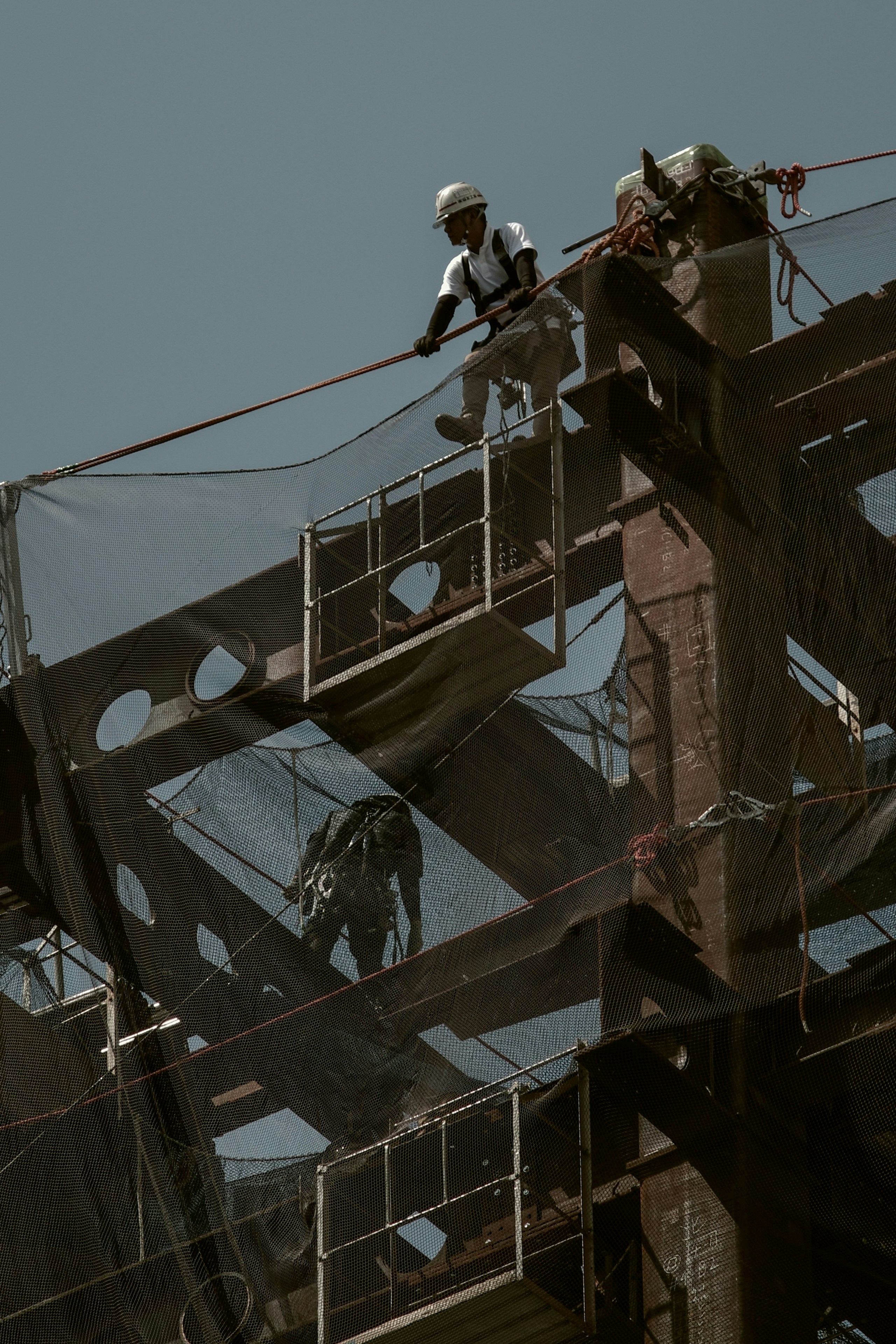
Photo by Tsubasa Workshop
On the other hand, vision refers to the photographer's ability. It can be described as the number of places where a viewpoint can be placed. By maintaining a broad vision, like a rangefinder, you can expand your options for what to include in your work.
Standpoint can be judged on a scale of high to low. In photography, each level of standpoint offers its own advantages.
Having a high standpoint allows you to observe the subject from a bird's-eye view. This naturally broadens your vision, and seeing things from a higher perspective than usual can offer unique views, making it easier to find distinctive angles.
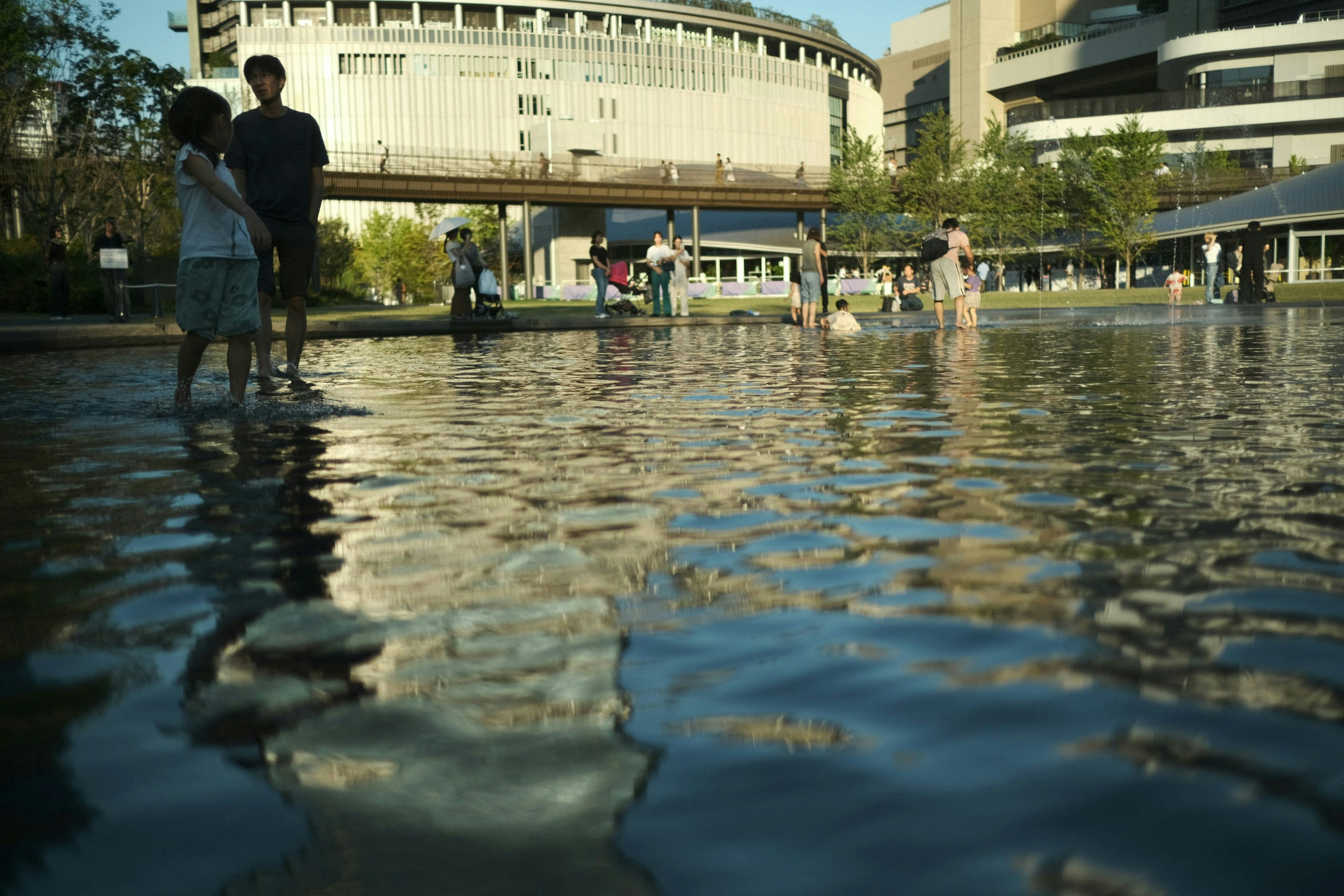
Photo by masa
Conversely, having a low standpoint means being closer to the subject. Both physically and psychologically, being closer can increase resolution, potentially helping you discover more refined viewpoints.
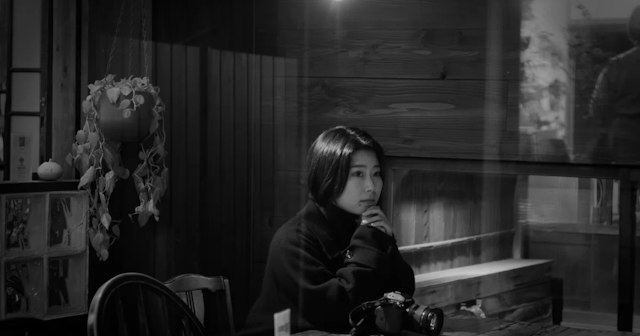
55 Magazines
A special series featuring contributions from creators with diverse perspectives from around the world. In their own words, they share their thoughts on cameras and photography, along with the stories behind their creative journeys—offering viewpoints that the cizucu editorial team alone could not capture.