MAGAZINE
MAGAZINE
MAGAZINE
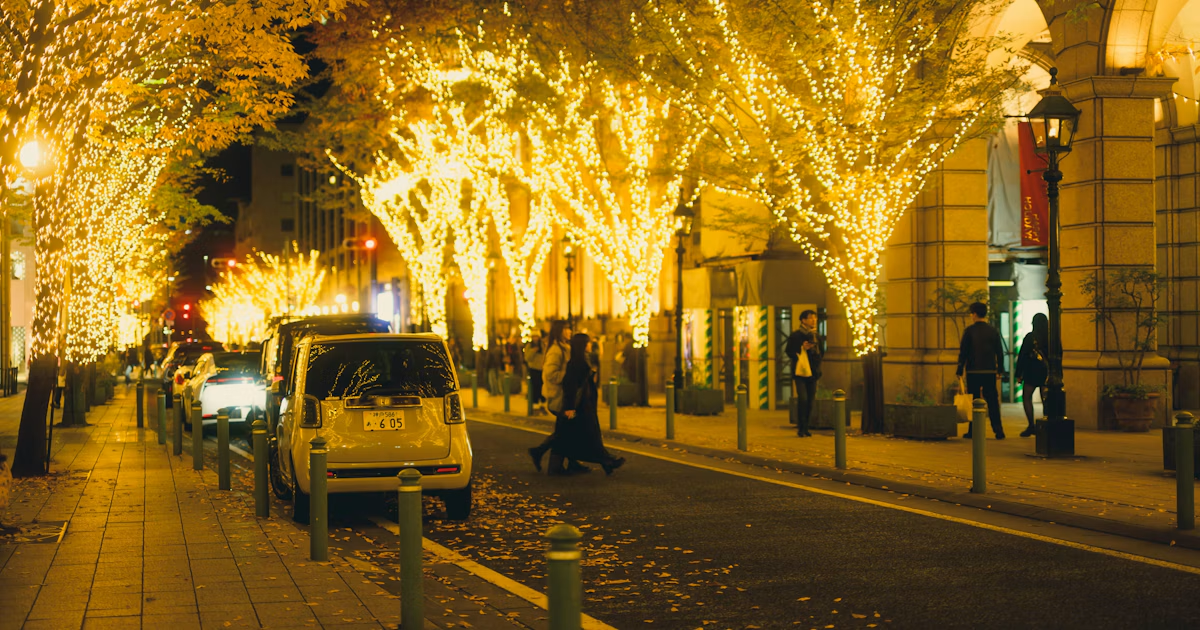
Cover photo by masa
※ cizucu認定ライター masa による寄稿マガジンです。
As the cold deepens, the city transitions into a holiday mood. When you take your camera out on a winter night, illuminations are undoubtedly the subject you’ll want to capture.
While night photography might seem challenging for beginners, shooting illuminations in the city is relatively easy to enjoy. Once you set the key settings, it can even be a great introduction to manual photography.
From creating dreamy bokeh effects unique to DSLR cameras to capturing romantic lights, let’s prepare for your dream illumination photography session.
The first thing to pay attention to in illumination photography is shutter speed. To prevent flicker (a phenomenon where LED lights appear uneven due to their blinking), set your shutter speed to 1/50 or 1/100 seconds in eastern Japan, and 1/60 or 1/120 seconds in western Japan.
These shutter speeds also minimize the risk of camera shake, allowing for smooth and enjoyable shooting.
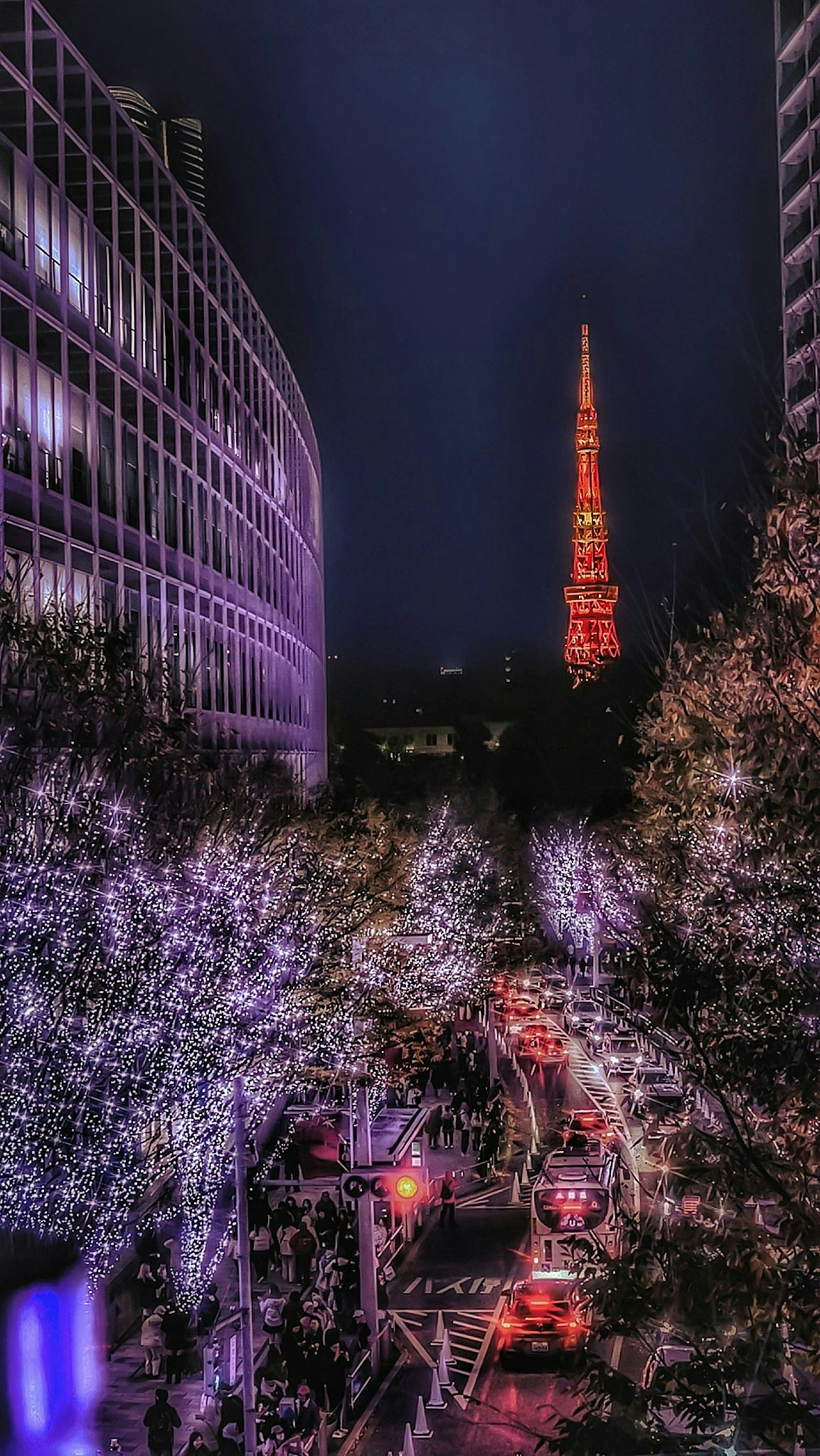
Photo by mayu2024
For lenses, bright prime lenses are ideal. To make the most of the point light sources as bokeh, shoot with the aperture wide open.
Once you adjust the EV value using ISO sensitivity, you’re ready to go. Since the light sources you want to capture are bright, it’s recommended to start shooting with the lowest ISO setting.
The greatest charm of illumination photography is undoubtedly the bokeh. Countless point light sources are perfect for creating bokeh, so try to compose your shots with bokeh in mind.
While using illuminations as background bokeh is common, if the lights are close, you can also use them as foreground bokeh for a unique effect. This works particularly well with subjects like portraits or glossy cars, allowing for striking and memorable photos.
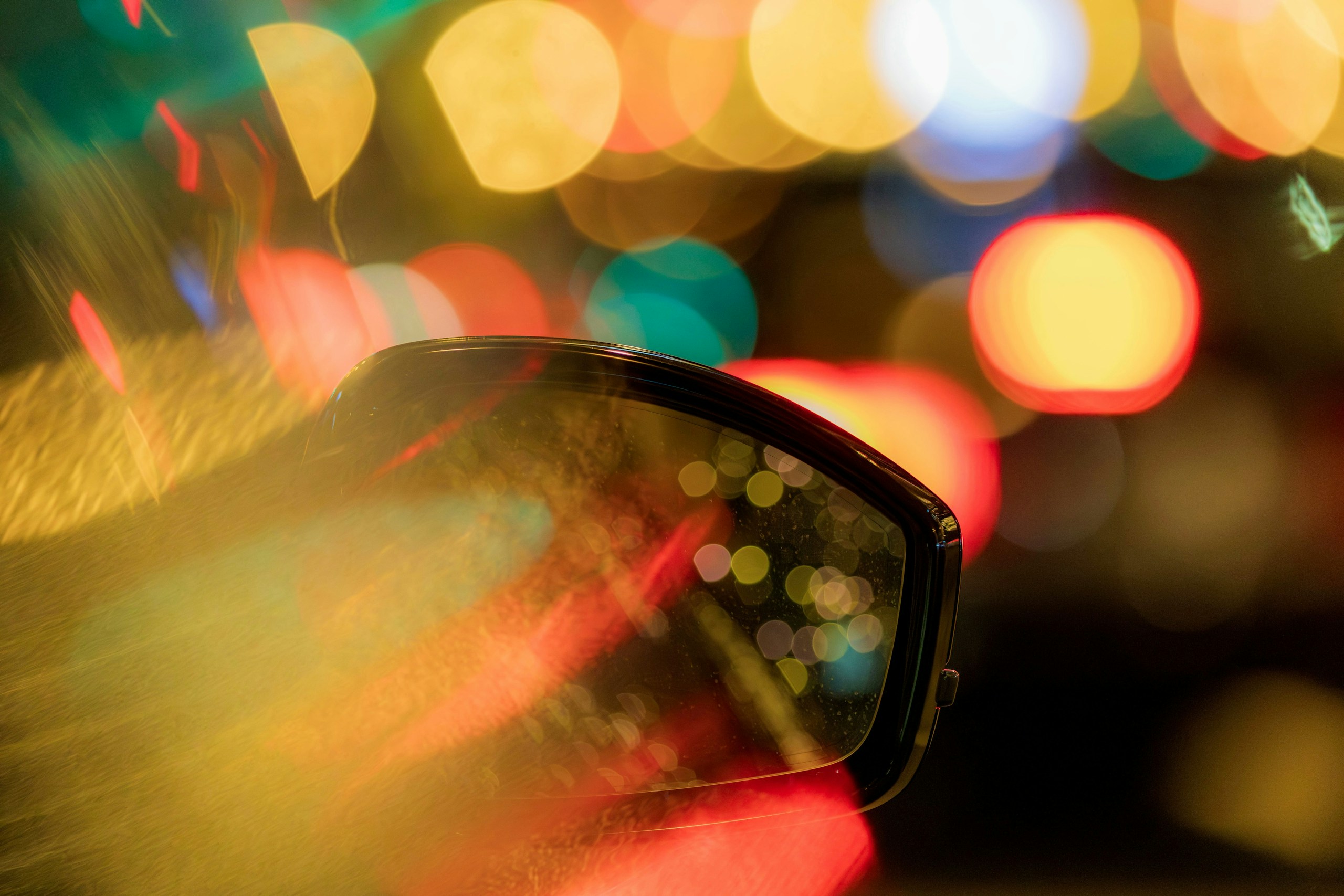
Photo by mar00ram
Additionally, by using manual focus to deliberately blur the focus, you can create abstract works featuring only bokeh.
Since illuminations are a rare photography opportunity, why not make full use of various accessories? Using a cross filter can make the point light sources of illuminations shine in a cross pattern, resulting in sparkling and glamorous photos.
On the other hand, a soft filter can diffuse the light, creating a softer and more romantic atmosphere.
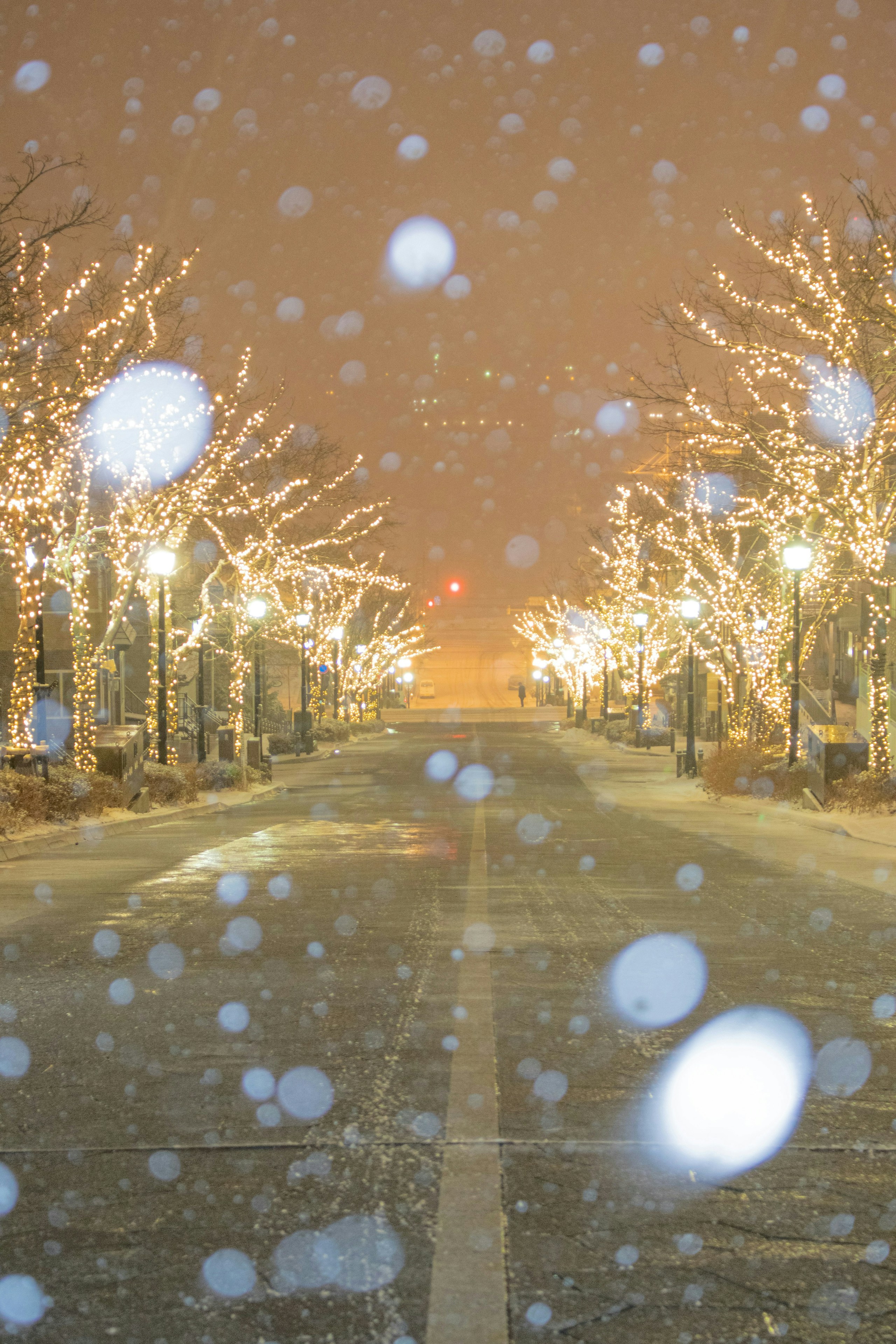
Photo by Hiroe Kato
For a more technical approach, using a flash in snowy scenes can be effective. The combination of illumination lights and the reflection of snow can create a fantastical image.
55 Magazines
A special series featuring contributions from creators with diverse perspectives from around the world. In their own words, they share their thoughts on cameras and photography, along with the stories behind their creative journeys—offering viewpoints that the cizucu editorial team alone could not capture.