MAGAZINE
MAGAZINE
MAGAZINE
MAGAZINE
By cizucu ·
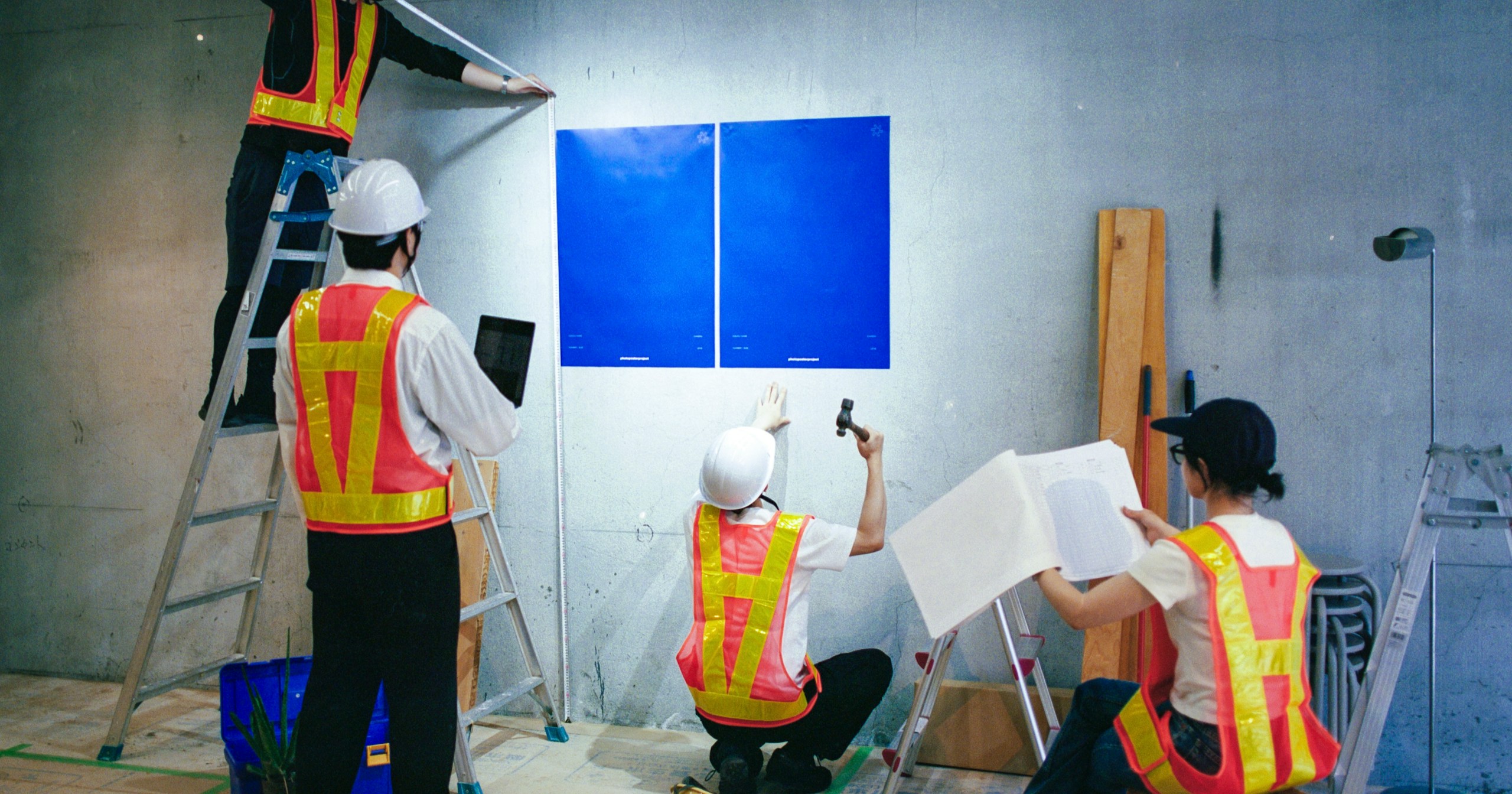
The is a global exhibition series organized by cizucu. By simply submitting your photos to cizucu, you can participate in the exhibition and connect with fellow photographers you’ve never met before.
Launched in late December 2024, ppp grew into a project that expanded beyond Japan to overseas within just one year. At its inception was the belief in an unseen future and the vision of the project founder who painted that picture.
In this issue, we reflect on the journey of ppp from its launch to the present, as told by its founder, Rin. They share their candid thoughts on the past year and their outlook for the next.
Hello everyone, I’m Rin from cizucu! Today, as we celebrate the first anniversary of the photo poster project (ppp), I’d like to share my thoughts on why I started this project, how the past year has been, and what I envision for the future. I’ll write openly and honestly, with a few detours along the way, to leave behind an anchor I can return to even as time passes. This will likely be a lengthy and passionate read, so please take your time and read it when you’re in the right frame of mind.
As of now, one year since its launch, ppp has been introduced in 16 cities across Japan, Korea, and Taiwan, with over 2,000 creators participating. More than 10,000 “messages of love” have been exchanged among creators at the venues. Next year, the community will expand to even more countries and cities. In a world increasingly dominated by digital and AI, we’ve spent the past year committed to real, in-person interactions, looking each other in the eye and saying, “That’s wonderful.”
The first ppp was held on December 28, 2024, in Osaka. The idea for ppp began forming around October of the same year. Reflecting on that time, it was when ChatGPT had just started generating images, significantly impacting the stock photo industry, which was cizucu’s main business. During this period, I and Ota (the CEO) were deeply contemplating the future direction of cizucu.
The rise of AI tools made us seriously consider our path forward. In a world where almost anything can be generated by AI, what roles remain for humans? Among the things AI cannot create, what is most important to humanity? And in a future coexisting with AI, what role will creators play? These questions helped shape the foundational concepts of ppp.
In response to these questions, we identified three key concepts: “Story,” “Love,” and “Magic.” While these might sound abstract, they were the result of serious contemplation. Let’s delve into each concept.
First and foremost, throughout human history, it has always been stories, not outputs, that have moved people and created movements. Even if I shouted “I have a dream” at the top of my lungs, I wouldn’t have sparked the civil rights movement like Martin Luther King Jr. did. Similarly, simply spray-painting on a wall wouldn’t elevate graffiti like Basquiat did. No matter how precisely AI replicates your photo, it cannot evoke the same empathy. That’s because the energy that moves and resonates with people lies in the “story” behind your journey to capture that one photo—something AI cannot replicate. As AI makes outputs more accessible, the “stories” of our lives gain even greater value.
We often share these life stories with close family and friends. In fact, it’s through sharing stories that we form close bonds. However, sharing personal stories openly on social media, filled with strangers, can feel daunting. This hesitation stems from the fear of indifference or hurtful comments. As a result, loneliness—a serious social issue in developed countries—continues to rise. This indicates a lack of close relationships and safe environments to share life stories. But we refuse to accept such a lonely society. Even in an AI-driven future, humans will always need environments where they can feel “love” and intimacy.
However, in our overly convenient world, we’ve become accustomed to giving up easily if something isn’t readily available. Uber Eats is often cited as a symbol of loneliness, and I can relate. I, too, am a victim of efficiency. When creating new services or experiences in the future, ease of access is now a prerequisite. Therefore, we concluded that in an AI-driven world, what humans need is the ability to easily access opportunities to share their life “stories” in environments filled with “love,” as if by “magic.”
(In fact, services like “Timeleft” and “Realroots,” which facilitate real connections and communication, began gaining traction globally around 2024, coinciding with the rise of AI services.)
While discussing complex ideas, we realized that creating a safe, real space for creators to connect might be cizucu’s next challenge. Among the many ideas we brainstormed, one stood out: a photo poster exhibition.
For many creators, hosting a photo exhibition is a significant milestone. It’s a goal they aspire to but often see as distant. This is understandable, as organizing an exhibition requires considerable time, money, and effort, with no guarantee of an audience. However, those who have hosted exhibitions unanimously describe it as a “once-in-a-lifetime experience.”
We imagined transforming the experience of participating in a photo exhibition into something as simple as “magic.” Affordable and requiring no preparation—just choose a location and date, submit your photo, and see it displayed prominently at the venue. Upon arrival, you’re warmly welcomed by staff and introduced to a community of fellow photography enthusiasts. The same experience is available overseas, allowing you to participate as if traveling. This intuitive appeal led us to pursue this idea.
By late November, we began drafting a proposal. To focus on delivering essential value and simplify the experience, we designed a unique system distinct from traditional photo exhibitions. Participation required physical attendance, with large A2-sized prints that couldn’t be produced on home printers. All photos were displayed in portrait orientation, with one photo per participant and no explanatory panels. Instead, each photo was redesigned as a poster, incorporating details like equipment used and the story behind the image.
We announced the first event just two weeks before its scheduled date. Despite the tight timeline and the year-end date of December 28, we were fortunate to secure a venue thanks to the generosity of STARTUP CAFE OSAKA.
The name “photo poster project” was finalized shortly before the event. By calling it a “project,” we aimed to convey a sense of collaboration with creators rather than simply providing a service. Plus, we liked the sound of “ppp.”
A week before the inaugural ppp, I caught the flu and was bedridden through Christmas. After recovering, I scrambled to prepare the day before the event. We decided to handle printing ourselves instead of outsourcing, which proved challenging for amateurs like us. Thankfully, photographer Takano Piero came to our rescue around 4 a.m.—a gesture for which we remain deeply grateful.
By 7:30 a.m., printing was complete, and we headed to the venue. However, due to insufficient pricing considerations, we were already facing a significant financial loss upon arrival. Despite exhaustion and financial strain, seeing the large posters displayed reaffirmed our belief in the project’s potential.
The first ppp attracted 22 creators, even during the busy year-end season. Many participants were meeting for the first time, yet their shared passion for photography fostered meaningful connections. The experience clarified our path forward as we ended the year on a hopeful note.
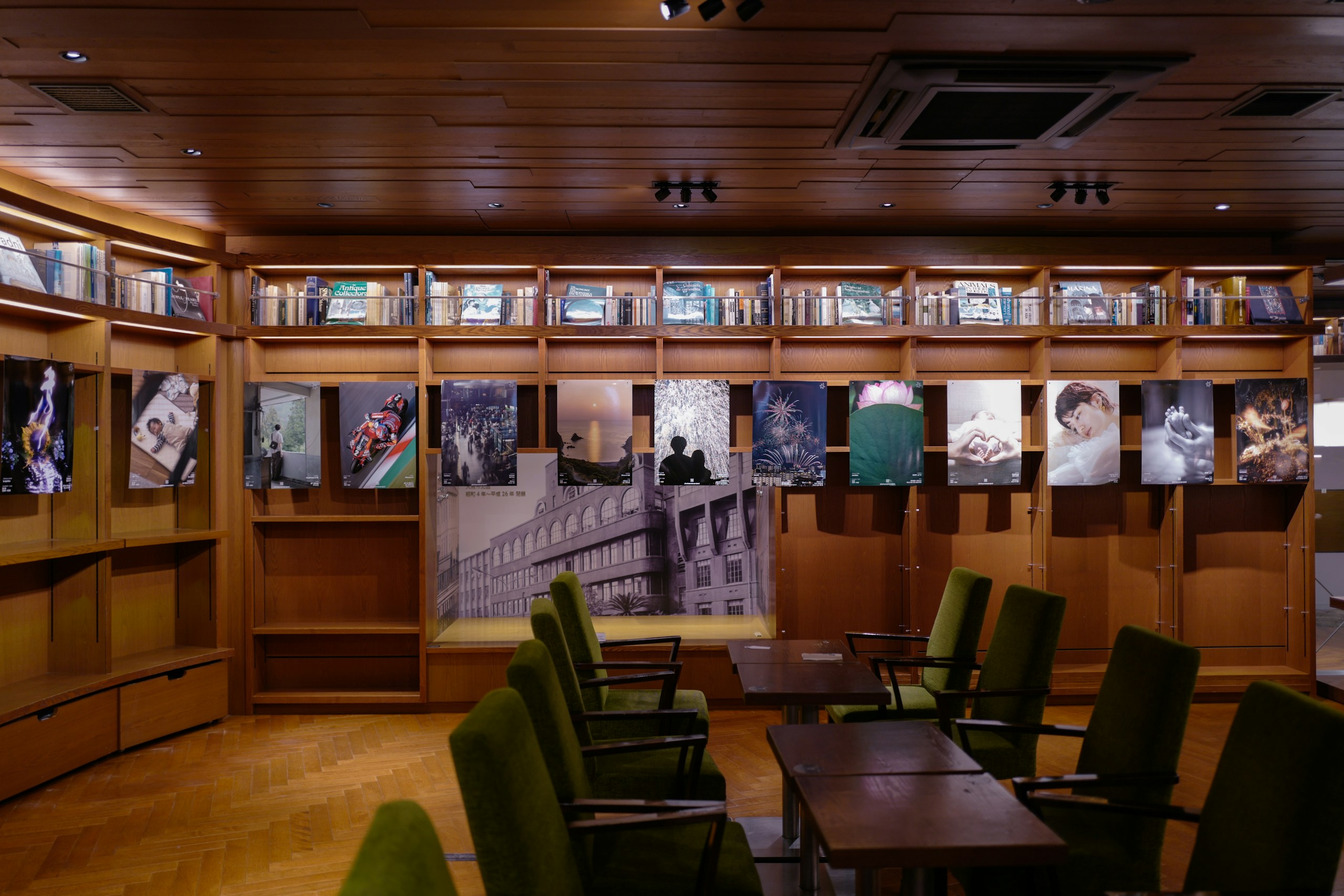
The first ppp
One major takeaway from the first event was that many people wanted to connect but found it challenging to initiate conversations. To address this, we introduced two new features: “Gallery Talks” and “Creator Cards.”
“Gallery Talks” are sessions where artists or curators discuss and explore the stories behind their works. During a visit to the Museum of Contemporary Art Chicago (MCA) in 2018, I attended a Kenneth Josephson exhibition where a curator’s engaging explanations made the experience unforgettable. Inspired by this, we incorporated similar storytelling opportunities into ppp.
“Creator Cards” function as business cards, providing an easy way to start conversations. Participants receive cards featuring their submitted photos, creating a tangible and personal connection.
Additionally, we introduced “Messages of Love,” allowing attendees to leave heartfelt notes for creators. Unlike social media comments, these messages carry a unique weight, as they can only be sent by those who’ve seen the photos in person. The messages are delivered 10 days later, evoking the joy of receiving developed film.
With these enhancements, we held the second ppp in Kyoto on January 25, 2025, followed by the first Tokyo event on February 8. Both were memorable successes, with many attendees enjoying the experience.
In March, we showcased ppp at “CP+,” one of the world’s largest camera events. The sight of 40 A2 posters displayed together was breathtaking, and the event significantly boosted ppp’s visibility.
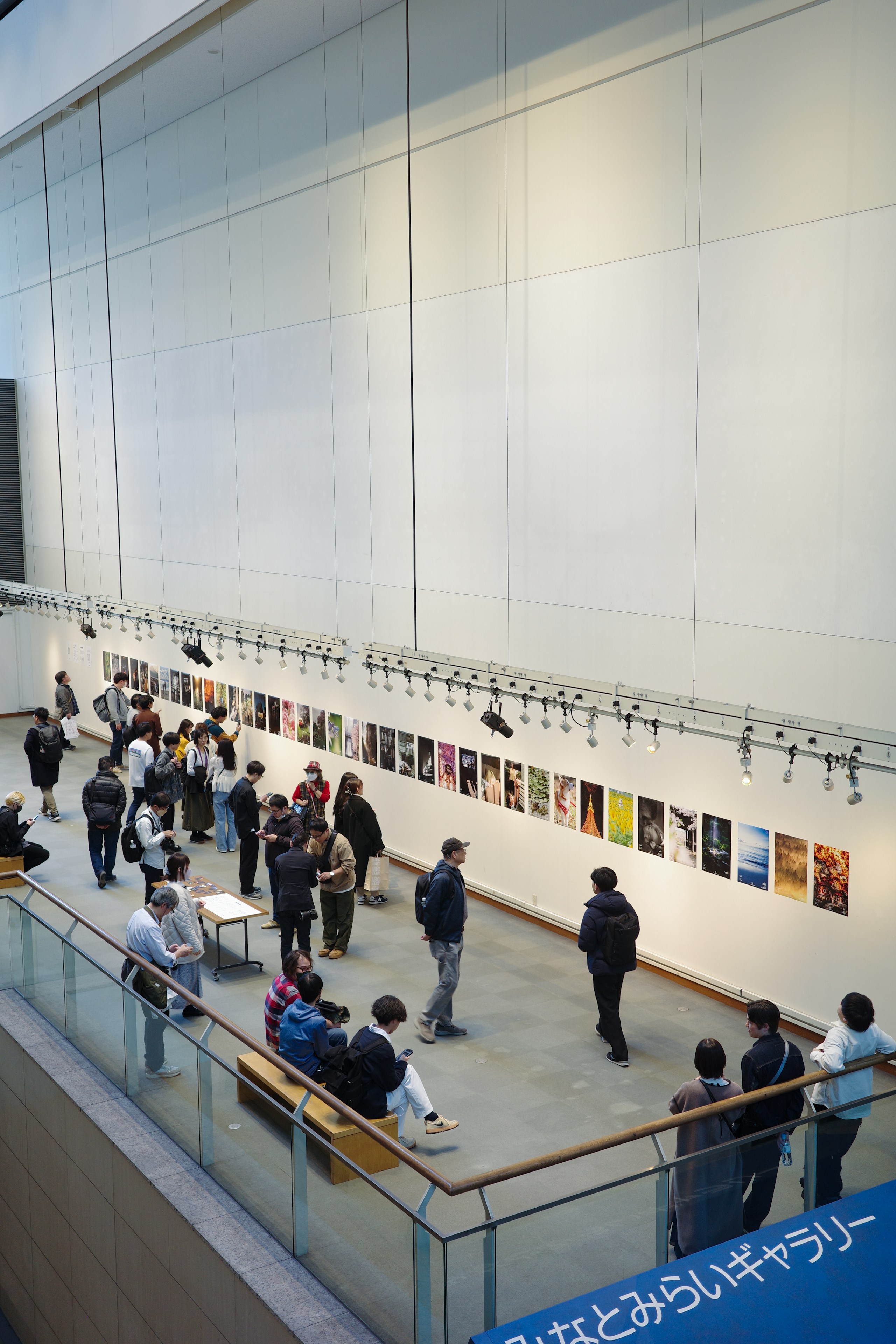
Yokohama
During this exhibition, Ota and I stayed at a hotel to manage the booth and ppp operations while implementing a web-based participation system. Until then, applications were handled via Google Forms, with manual email communications and cash payments at the venue. Transitioning to a streamlined web system marked a significant milestone.
By August, ppp had launched in eight cities across Japan, steadily building a strong community despite challenges. Local creators volunteered as community staff, taking the lead in organizing events. Their dedication and the increasing quality of experiences gave us confidence.
Originally planned for 2026, we decided to accelerate ppp’s international expansion. We believed our project offered more than just a photo exhibition—it provided warm, face-to-face communication that resonated with young people worldwide. This unique value motivated us to move forward.
In September, we launched in Korea, followed by Taiwan in October. Both events received enthusiastic participation and attendance. We met incredible local creators and assembled inspiring teams in each region.
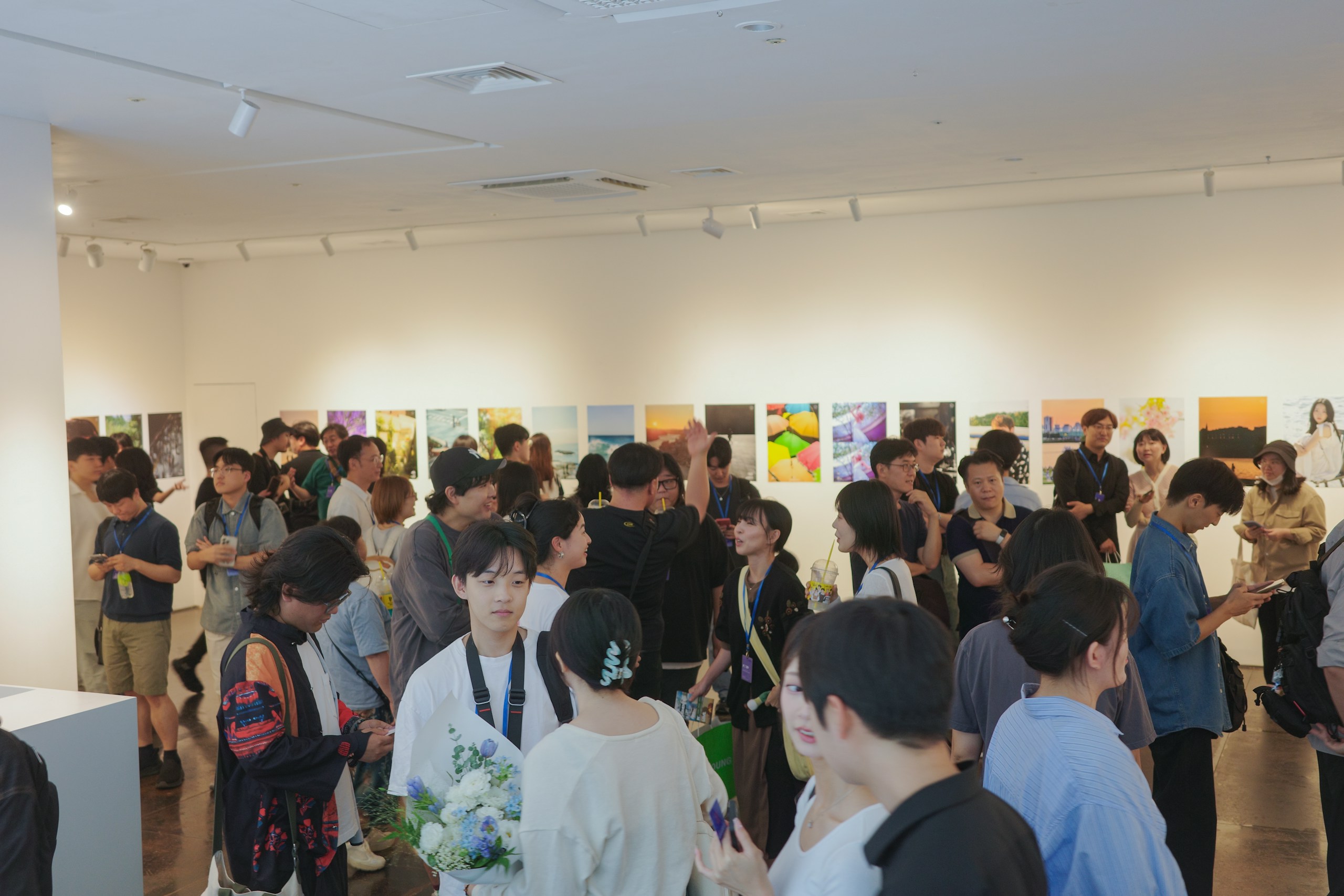
Launch in Seoul
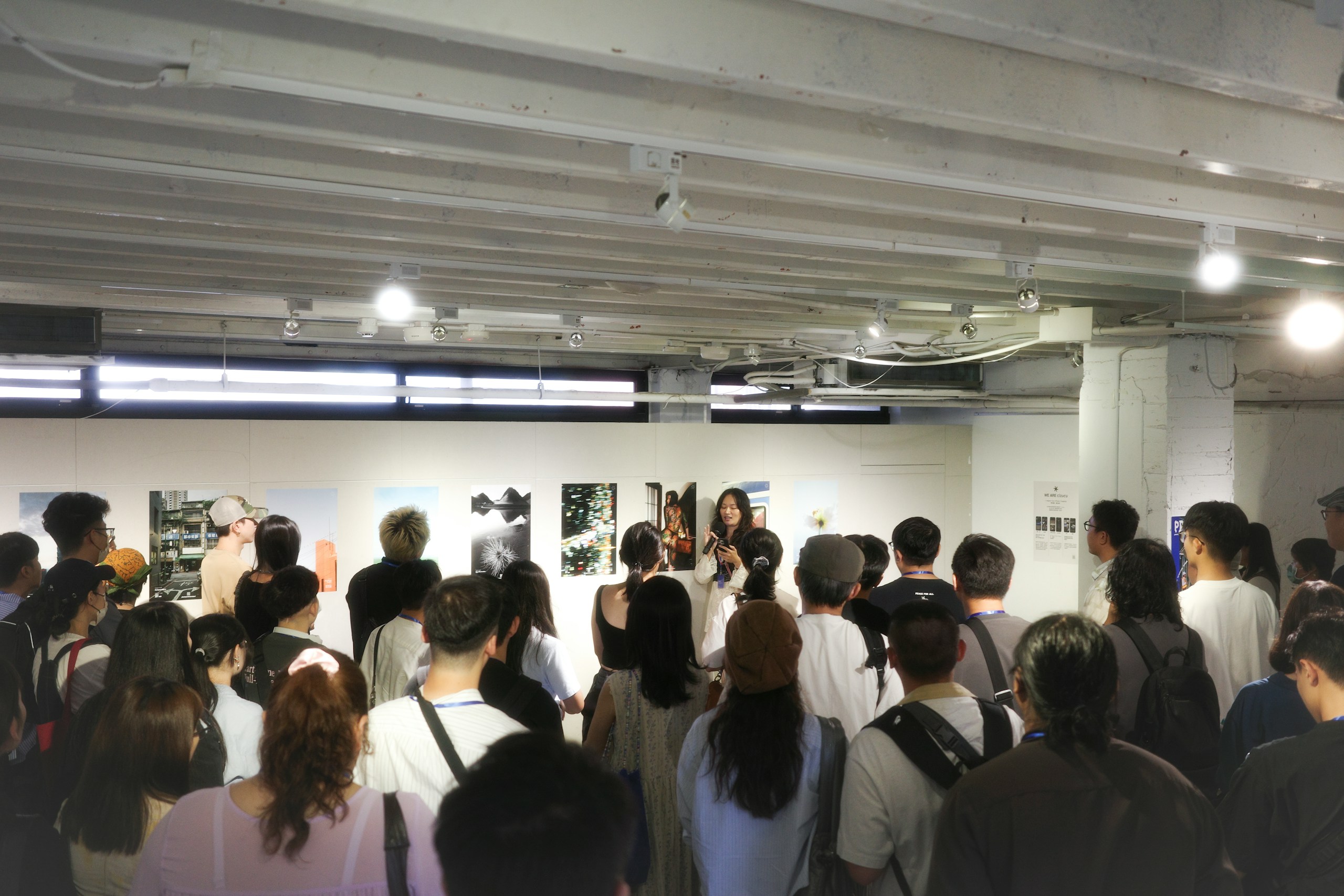
Launch in Taipei
Looking back to December 28, 2024, we couldn’t have imagined reaching this point. Yet, it feels as though we’ve been guided by a sense of purpose. Seeing our small team’s project grow into something cherished across borders fills us with pride. Despite the challenges, we believe this project and its community can positively impact lives worldwide. This belief stems from our unwavering commitment to creators and their stories.
What comes to mind when you think of the “creators” we refer to in this magazine?
You might imagine individuals with sharp sensibilities and exceptional skills. However, our biggest realization this year is that creators are, above all, human beings who share the same joys and sorrows as us. Many ppp participants have full-time jobs unrelated to photography. Each photo displayed at ppp carries the story of its creator’s life. Unraveling these stories with a diverse group of peers is what makes this activity so fascinating.
In 2026, we plan to launch ppp in even more countries and cities. Regardless of how much the project expands, our mission remains the same: to approach each creator’s story with love and care. We eagerly look forward to meeting more amazing creators next year.
As we celebrate our first anniversary, I’d like to express my gratitude to everyone involved with cizucu. To the creators worldwide who use cizucu, the community staff supporting ppp, the galleries and hotels providing venues, our corporate partners and investors, our families and friends, and the passionate cizucu team members—thank you for everything.


