MAGAZINE
MAGAZINE
MAGAZINE

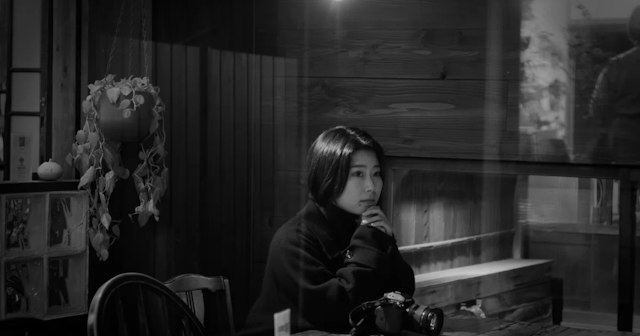
Cover photo by masa
※ cizucu認定ライター masa による寄稿マガジンです。
Recently, SONY announced the , the rightful successor to the α7 series, which is positioned as the standard model in the company's full-frame lineup.
Although it is labeled as a standard model, its specifications far exceed the traditional image of 'standard,' making it a symbol of the next generation.
Not only the , but also the and showcase remarkable advancements in full-frame standard cameras.
Stacked CMOS sensors are highly effective in improving readout speed and reducing rolling shutter distortion. These high-performance sensors are also compact and have excellent low-noise characteristics, but their high manufacturing costs have limited their use to high-end models.
Last year, however, a 'partially stacked CMOS sensor' was introduced, which incorporates some advantages of stacked sensors while keeping costs down.
Starting with the , these sensors have begun to be adopted in standard full-frame models, including the .

Photo by うらもん
In addition to partially stacked CMOS sensors, advancements in image processing engines have also contributed to making the shooting experience of standard models comparable to high-end cameras from a few years ago.
The offers continuous shooting at up to 30 frames per second and includes a pre-capture feature. While it still falls short of the 120 frames per second offered by the high-end , its burst shooting capabilities are more than sufficient for most motion photography.

Photo by masa
Additionally, improved readout speeds have enabled EVF blackout-free shooting. This feature, previously unavailable in standard models, makes it easier to track subjects during continuous shooting, enhancing the overall shooting experience.
One of the trends in modern mirrorless cameras is their focus on video capabilities.
The can shoot 4K120P video, albeit with some pixel binning limitations. It also supports high-resolution 4K video oversampled from 7K, making it a capable video camera.
Meanwhile, the , Canon's full-frame standard model, supports open-gate recording. This method uses the entire image sensor for video recording, allowing for cropping later and making it ideal for vertical video production.

Photo by りょう
Features that were once exclusive to dedicated video cameras are now being incorporated into standard models.
We’ve looked at the full-frame standard models from the big three camera manufacturers. All of these models are highly advanced, offering shooting performance comparable to high-end cameras from the past. This trend is partly driven by the shrinking camera market, which has led to higher price points.
It is unlikely that new models will be introduced at lower price points, and the high-specification and rising costs of standard models are expected to continue. For some users, this could mean that entry-level cameras become over-specified and unnecessarily complex.

Photo by masa
Users should carefully consider the subjects they want to shoot, evaluate the necessary specifications for their needs, and consider purchasing older models as an alternative.
55 Magazines
A special series featuring contributions from creators with diverse perspectives from around the world. In their own words, they share their thoughts on cameras and photography, along with the stories behind their creative journeys—offering viewpoints that the cizucu editorial team alone could not capture.