MAGAZINE
MAGAZINE
MAGAZINE
MAGAZINE
By cizucu ·

‘ISSUE’ is a series that delves into the sensibilities and thought processes of creators from around the world, serving as a catalyst for new inspiration.
In ‘ISSUE #3’, we present 10 questions to Itsuki Mori of Kyoto University of the Arts, exploring his photographic expression, sources of ideas, and creative obsessions.
My name is Itsuki Mori. I was born in 2001, so I am 22 years old this year. I’m originally from Shizuoka Prefecture and am currently a student at Kyoto University of the Arts. Technically, I should be in my fourth year, but I decided to take a leave of absence because I wanted to start my own business. So, I’m currently on a break from my studies.
Since I’m part of the so-called “COVID generation,” there was no entrance ceremony and all classes were held online. Being at an art university, there were many things I couldn’t do without access to the facilities, so honestly, I’m glad that taking a leave of absence has allowed me to extend my time as a student. It feels a bit like bonus time. That said, compared to other schools, the cost of taking a leave was quite high, which was a bit of a blow.
Recently, I’ve started shooting with drones. However, regulations in Kyoto Prefecture are strict, so I mainly shoot when I go to the countryside or return to my hometown (laughs).
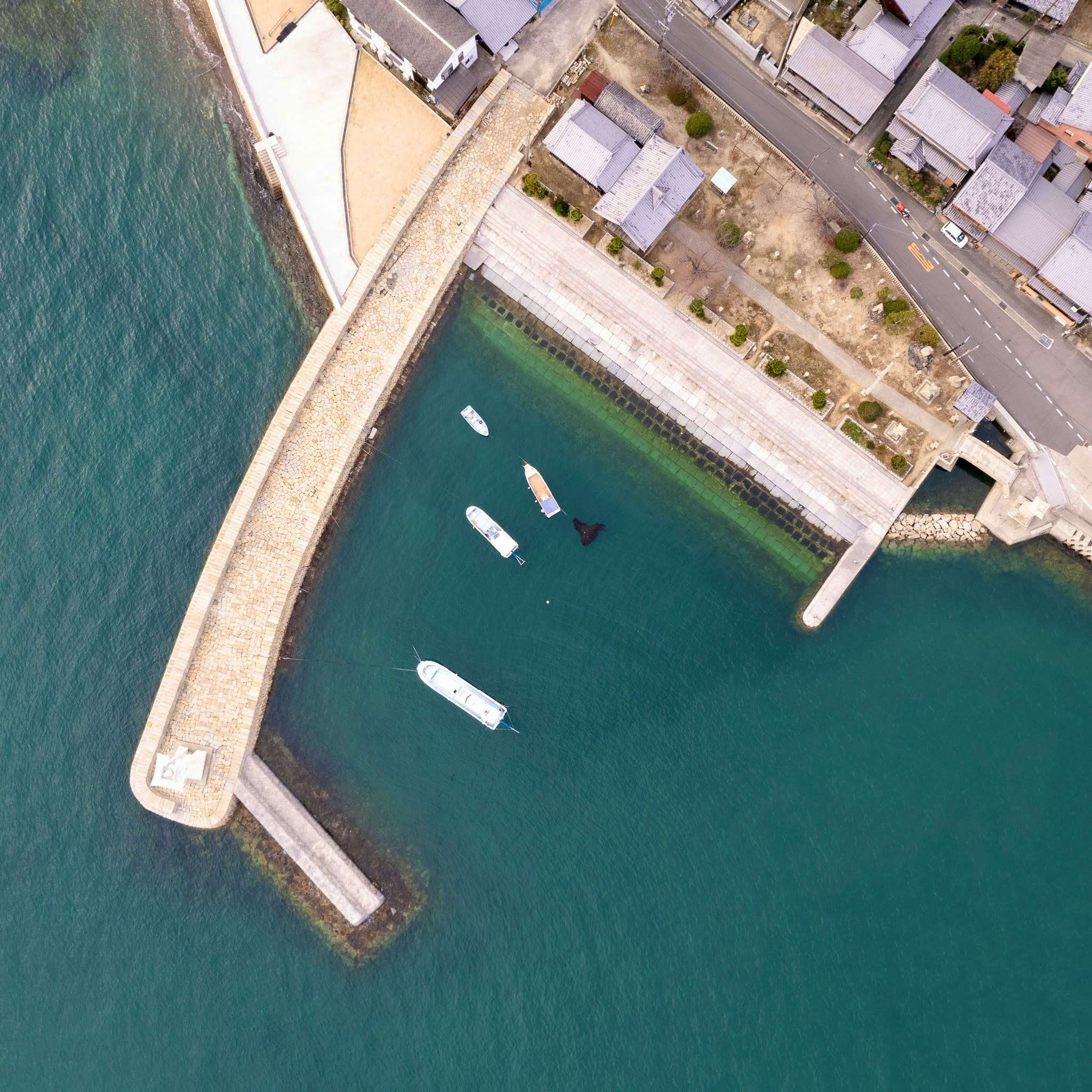
Image by Itsuki Mori
I’ve always loved drawing and have been sketching since I was a child. My parents would occasionally bring home stacks of copy paper, and after finishing my homework, I would just draw endlessly on them.
I also loved art and craft classes in elementary school, and I was in the art club in junior high. Looking back, I might be the type who gets completely absorbed in what I love.
As for cameras, I’m not sure when it started.
I think my first memory is handling a film camera that came as a supplement with the ‘Challenge 1st Grader’ magazine when I was in lower elementary school. It was something like a disposable camera. Honestly, I couldn’t take any good photos, but I still remember how it felt in my hands.
My first real camera was a Panasonic LUMIX compact digital camera, which I received as a birthday present in fourth grade.
I think I’ve become less particular about equipment over time. In my first year of university, I bought a SONY α7 III on installment for about 200,000 yen. I’m attached to this camera and don’t plan to change the body for a while.
However, when it comes to lenses, I want to try as many different ones as I can afford. I truly believe that lenses can completely change a photograph.
Personally, I’m really into vintage lenses right now. Of the ones I own, my favorite is the CONTAX Carl Zeiss Planar T* 50mm. Since it’s manual only, it’s a bit less convenient (laughs). At first, I used a mount adapter to shoot with autofocus, but gradually got used to manual operation.
Of course, modern Sony lenses have better performance and no chromatic aberration, so the image quality is superior. In contrast, vintage lenses feel like they’re from an era when wide-angle technology was still developing. Still, I find the way the images bloom and the unexpected light leaks fascinating—qualities you don’t get with modern lenses. Also, to be honest, the price is another reason (laughs). So I often look for them on Mercari.
For filters, I use the Kenko BLACK MIST. It’s the one often used in overseas films and dramas. It increases the highlights, giving that so-called “emotional” look. Unless I’m shooting product photography, I basically always have it on when shooting outdoors. Sometimes it causes overexposure, but at night it really helps create great work.
I definitely avoid using it with vintage lenses, since those already have a lot of character on their own (laughs).

Shot with a vintage lens
Image by Itsuki Mori
I often listen to Sakanaction. My favorite songs are probably ‘Music’ and ‘Slow Motion.’ The music video for ‘Slow Motion’ was directed by Yoshiyuki Okuyama, whom I deeply respect. When I later found out about this connection between someone I admire and a song I love, it was a real revelation.
I also like King Gnu, especially the works of their leader, Daiki Tsuneta. I often listen to tracks by millennium parade, which he produces.
In terms of inspiration, I’m most influenced by Yoshiyuki Okuyama, whom I mentioned earlier.
As for works, I admire Daido Moriyama, a master who has also won the Hasselblad International Award in Photography. He changed the prevailing notion in the photography world that perfection without blur or distortion was the highest standard. His thinking is truly influential. Of course, the quality of his work is remarkable, but what’s even more impressive is the sheer volume of photographs he took, which led to the creation of his signature style of deep blacks.
Another is Yoichi Ochiai. Not just in photography, but in art production in general, I find his approach inspiring. I originally attended a technical high school in information systems and have always loved science fiction and new technologies. When I learned about his concept of “Digital Nature,” I started to believe that worlds like AR and MR might really become reality in the future. Even in my favorite manga, ‘Dennou Coil,’ the world of AR is depicted. I truly hope it becomes real (laughs).
Perhaps my current interest in drone photography also stems from this background.
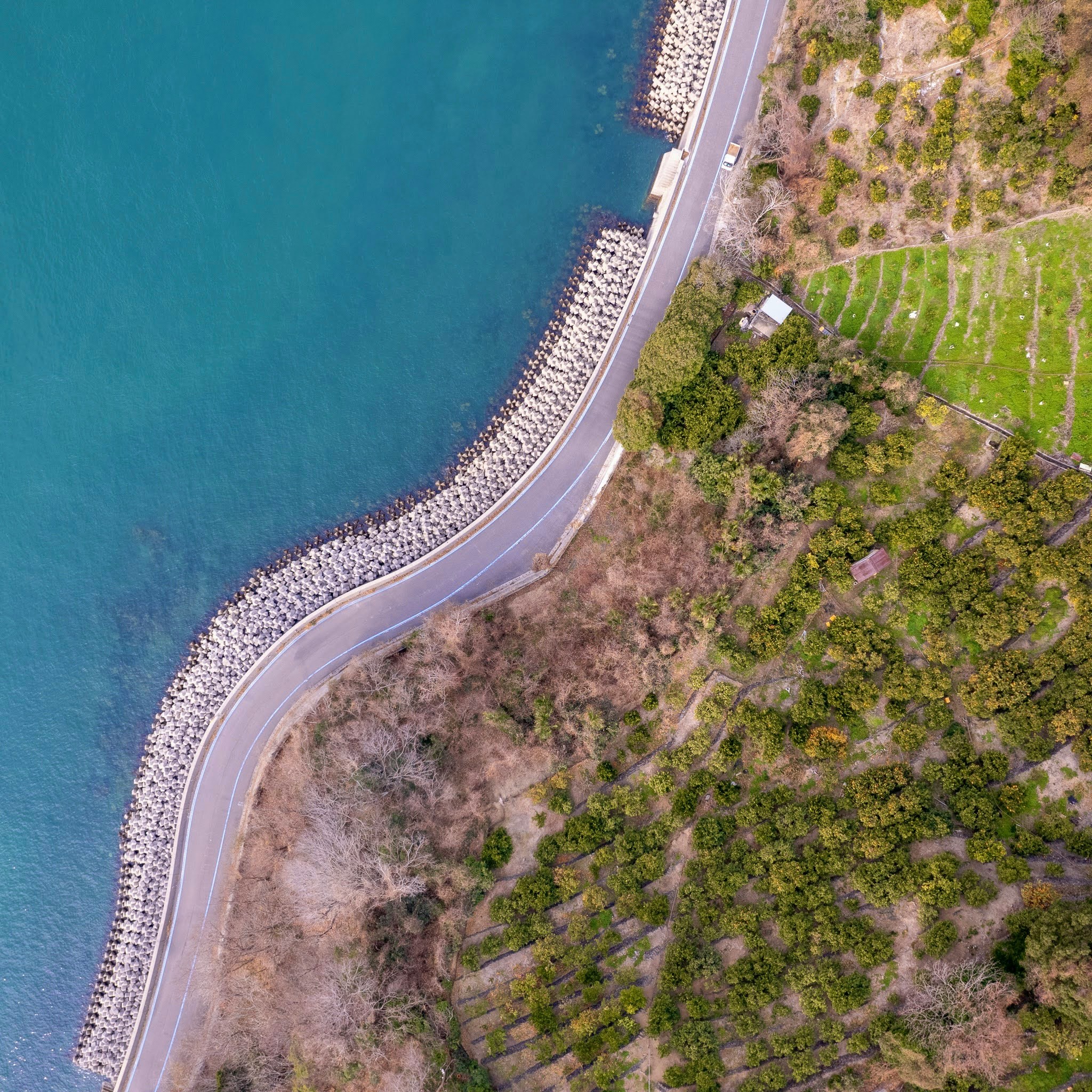
Image by Itsuki Mori
Of course, I’ve always admired the LEICA M series.
As for lenses, I’d love to try LEICA’s own—SUMMICRON-M, SUMMILUX-M, APO-SUMMICRON M, and so on. Honestly, rather than having a specific favorite, I just want to try any of them at least once (laughs).
No matter the situation, I always want to shoot on a clear morning. I love getting up at 5:30 a.m. to shoot. As for locations, I think I love them all. If I want to go somewhere to shoot, it’s probably because I already like that place.
I also enjoy shooting with drones, but I like both drone and regular photography. In Japan, it’s quite difficult to fly drones, so sometimes it’s nice to be able to shoot more casually.

Image by Itsuki Mori
There might be a lot (laughs).
Recently, I saw someone on Twitter refer to Japanese cityscapes as “Fake Japan.” Basically, it’s about places like Asakusa, which are built for foreign tourists. From a Japanese perspective, there are scenes that just don’t feel authentically Japanese. It’s like cityscapes born from branding.
I feel a strong sense of discomfort with this kind of sensibility that Japanese people are imposing on foreigners.
For me, the real charm of Japan lies not in those cityscapes, but in natural landscapes, the chaotic scenes of Kabukicho, or the utility poles lining the streets. Apparently, utility poles have been around since the Taisho era. In Hideaki Anno’s iconic work ‘Evangelion,’ utility poles are depicted in detail, and I think that’s part of what makes something feel Japanese. However, I’ve heard there’s a movement to bury all the utility poles in Tokyo.
So, in short, what I find uncool is “Tokyo’s plan to bury all the utility poles” (laughs).
In terms of brands, I like adidas. Also, influenced by friends, I sometimes buy vintage clothing.
And I’m a big believer in the “UNIQLO supremacy” theory (laughs). I like UNIQLO’s corporate philosophy of “LifeWear.” I saw a video on the MB Channel on YouTube called “UNIQLO’s Hoodie is Amazing.” When you hang up a washed hoodie to dry, the hood part usually takes a long time to dry. But since UNIQLO’s “LifeWear” philosophy is about everyday comfort, they use polyester instead of cotton for the inside of the hood to prevent dampness. After hearing that, I really wanted to buy that hoodie (laughs).
Even in low light, I always prioritize shutter speed. I don’t mind increasing the ISO if I have to. I don’t like noise in my photos, but as long as there’s no blur, I can always fix it in Photoshop if needed.
I prefer to set the aperture as low as possible to create a nice bokeh, but prioritizing shutter speed is always my main approach.
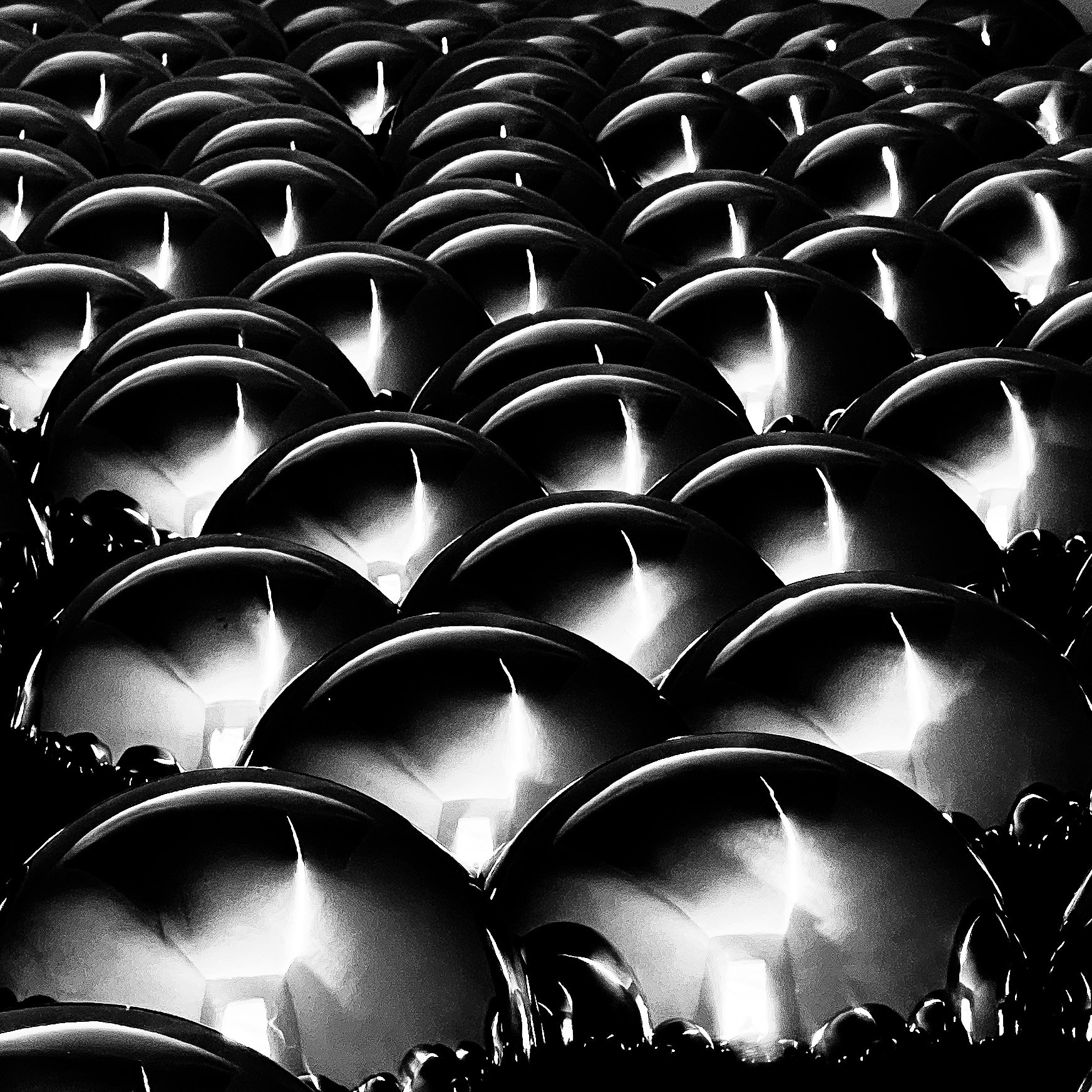
Image by Itsuki Mori

Itsuki Mori
Mori Itsuki / Born in 2001, Shizuoka City. Currently enrolled in the Department of Information Design at Kyoto University of the Arts. Utilizing cutting-edge technologies such as drones and scanning, he creates works that transcend boundaries, from photography and video to software.
cizucu: Itsuki Mori
Instagram: mooorimori
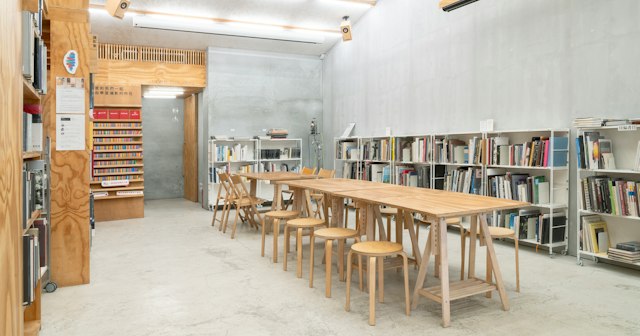
38 Magazines
An interview series featuring photographers and photography media from around the world, each pursuing a distinctive approach to visual expression. Through ten questions, we explore how they discovered photography, the origins of their creative practice, and the ideas behind their work, bringing fresh perspectives and inspiration to creators everywhere.