Transforming Wildlife Moments with Light: Mastering Animal Photography | Focus #571

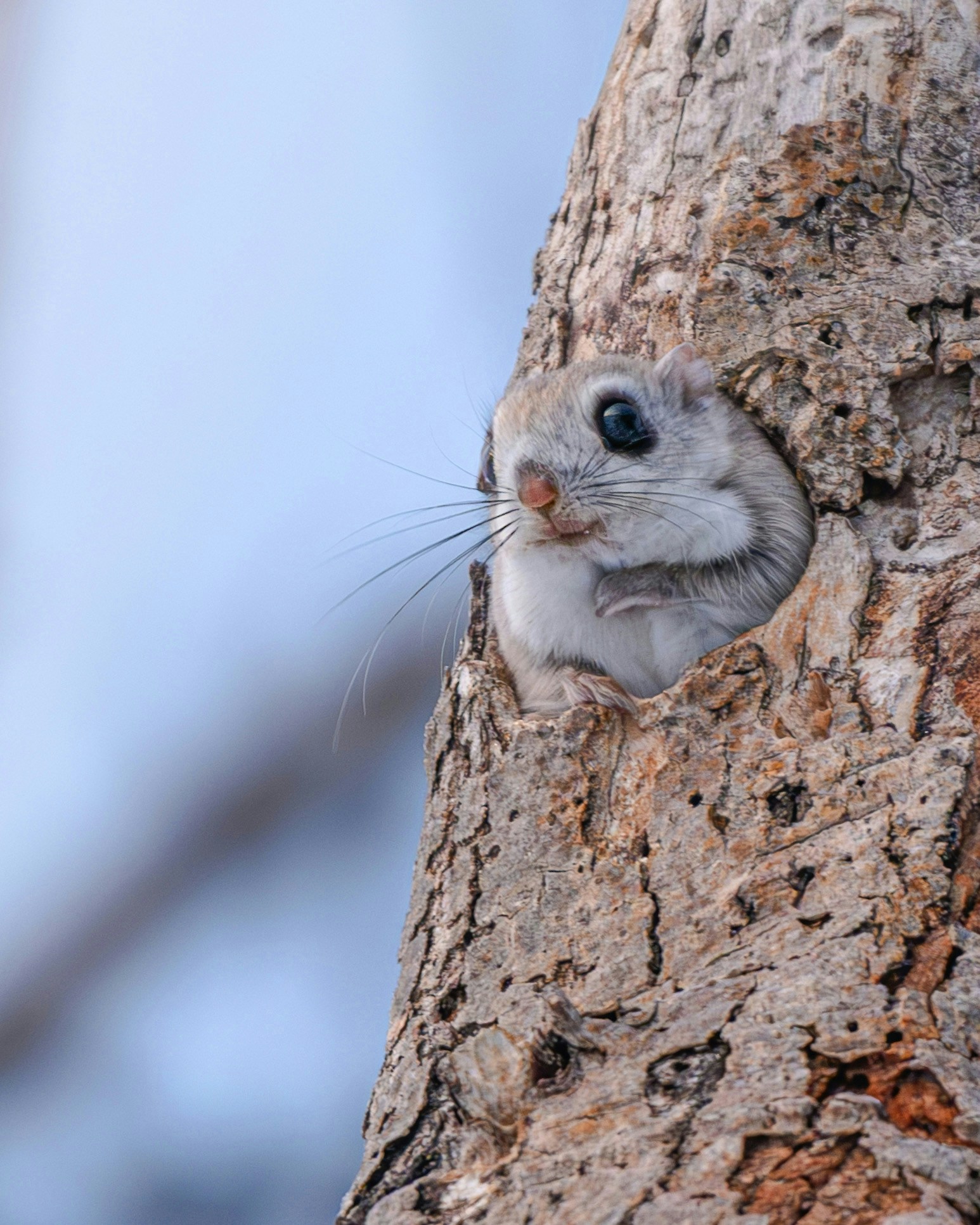
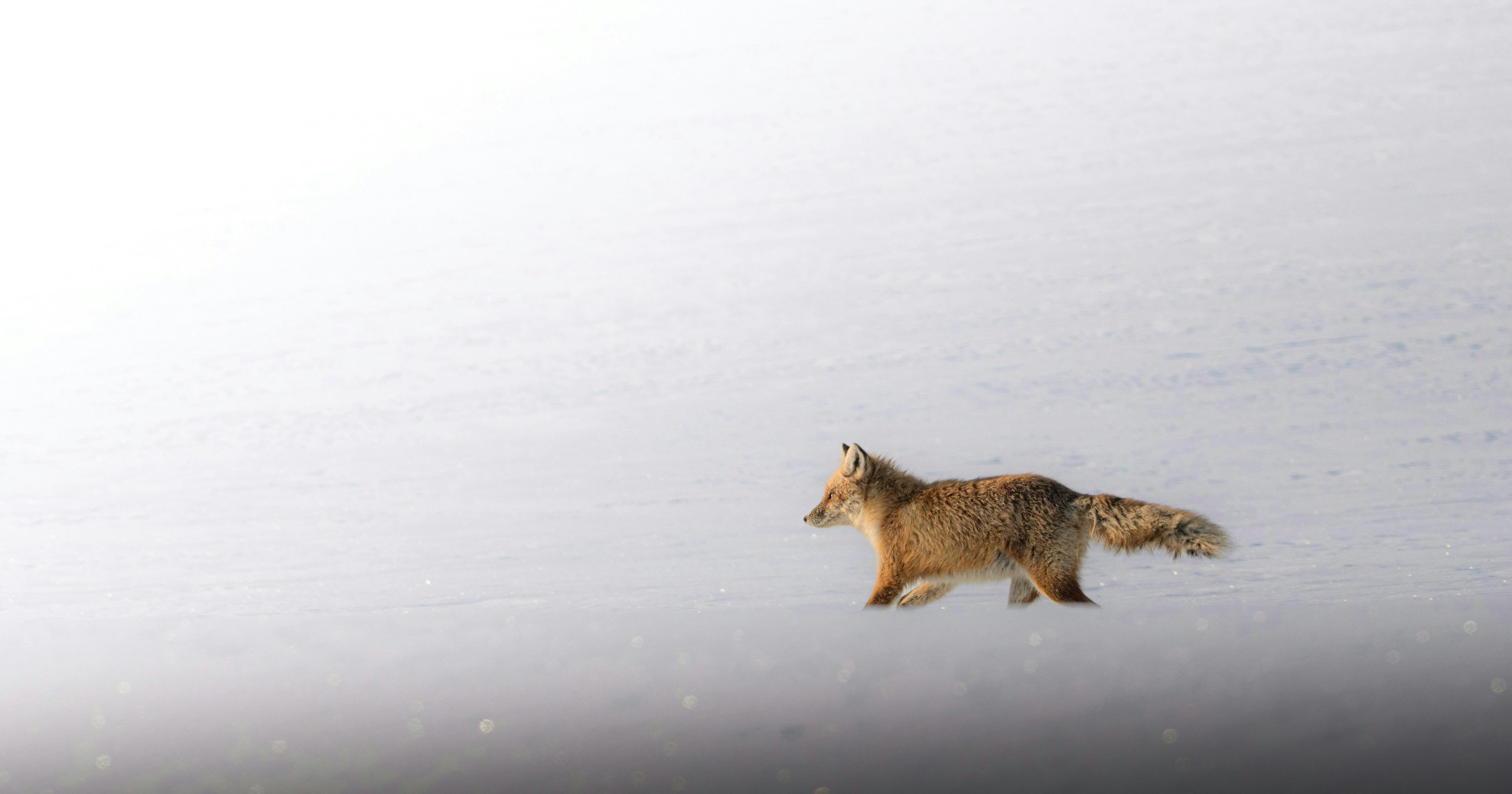
Cover photo by haru_wildlife
Wildlife photography is greatly influenced not only by animal behavior but also by how light is utilized. Photos often appear similar due to avoiding challenging lighting conditions, relying too much on post-processing for composition, or depending entirely on autofocus.
By understanding the quality and direction of light and interpreting the environment and behavior, your work can gain depth and storytelling elements.

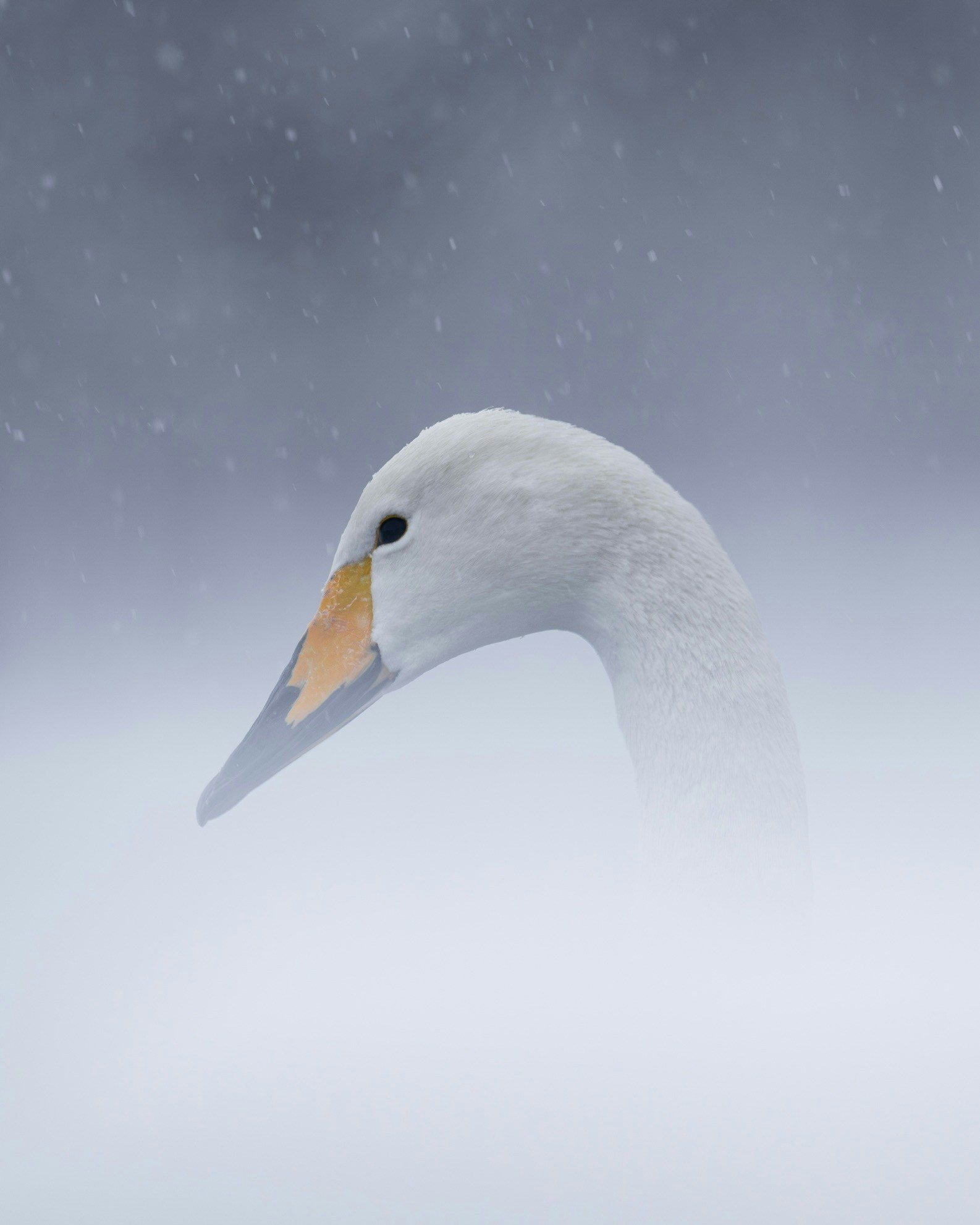
Photo by ishii
Understanding Light is Fundamental to Successful Photography
Harsh midday sunlight can cause shadows to lose detail and fur to appear overexposed. It’s recommended to plan your shots during early morning or late afternoon when the light is softer. Front lighting highlights details, while side lighting enhances textures.

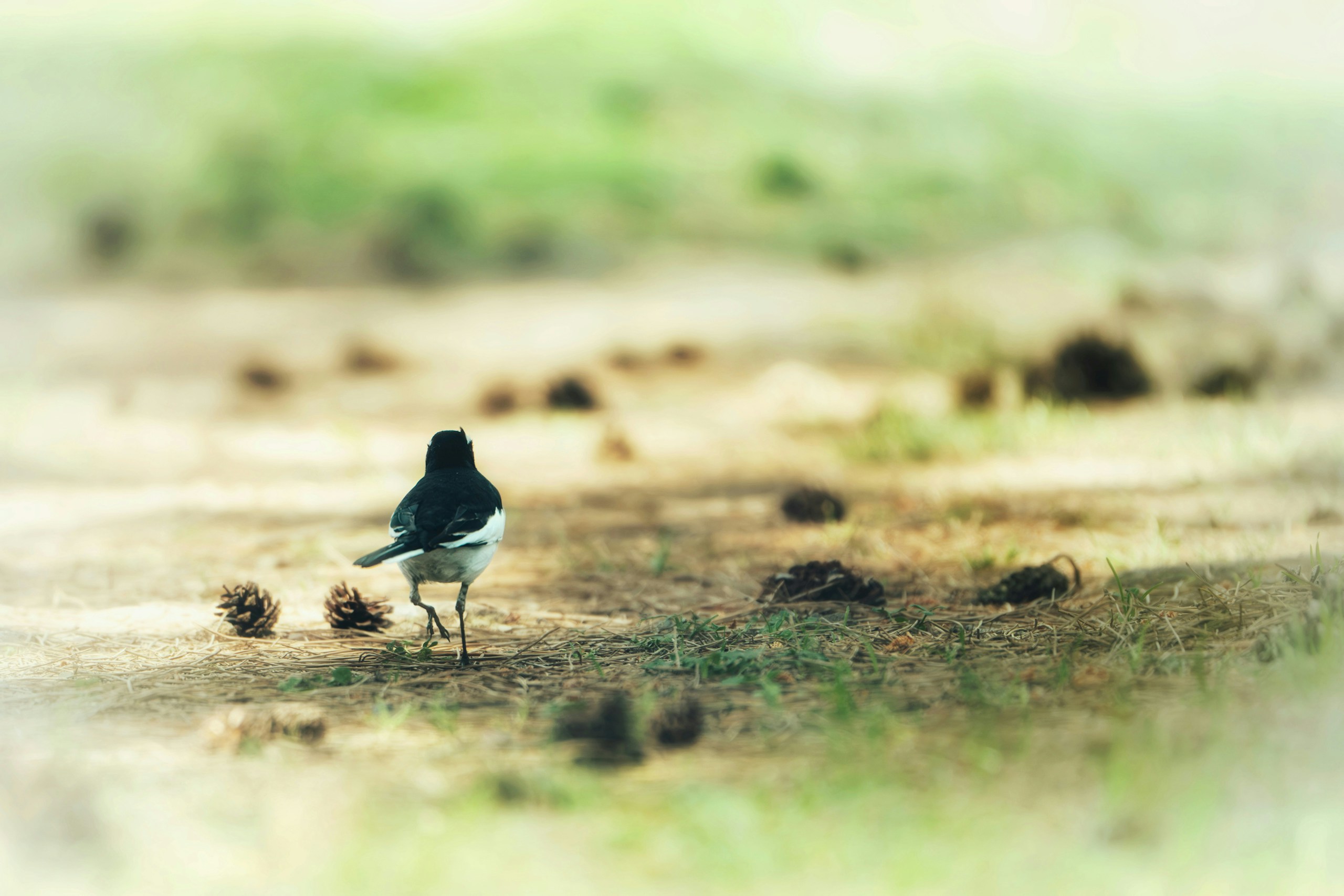
Photo by Junya
Backlighting can dramatically enhance the subject’s presence by outlining it with light. When using backlighting, it’s crucial to organize the background to make the subject’s shape stand out. Even slight adjustments in positioning can significantly impact the final result.
Organizing the Environment Can Transform Your Composition
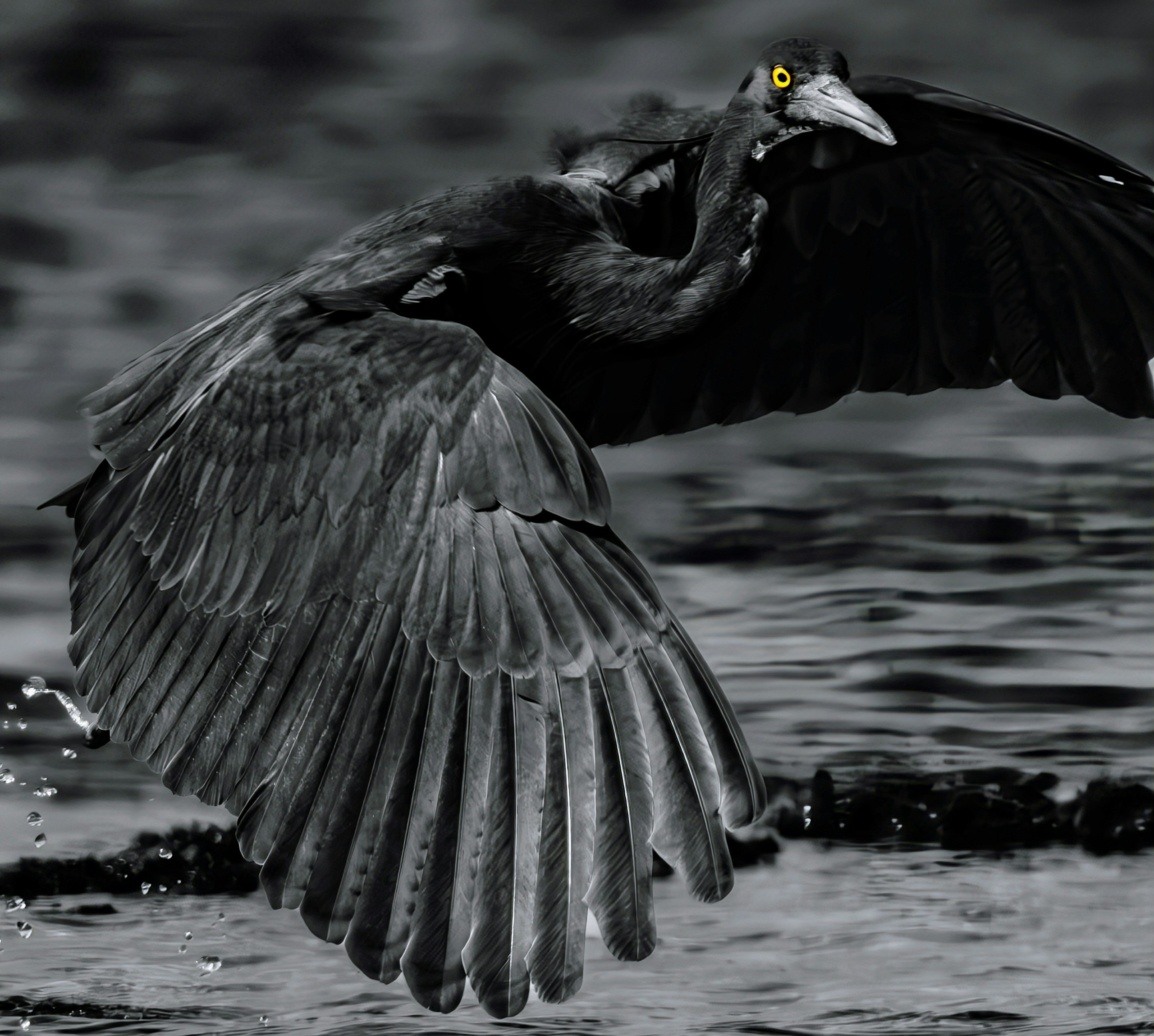
Use zoom to actively organize the frame, eliminating unnecessary elements while building your composition. When aiming for silhouettes, choose subjects with distinct outlines, such as horns, long necks, or spread wings, and ensure there’s enough negative space in the background.

Photo by .aco.
When photographing multiple animals, avoid overlaps and patiently wait for moments when each individual is clearly visible.
Avoid Over-Reliance on Autofocus to Capture Decisive Moments
While modern tracking autofocus is powerful, it can sometimes focus on grass or branches, losing track of moving animals. By utilizing subject detection and assigning single-point autofocus to a separate button, you can quickly switch when the system gets confused.

Photo by neuronnyoro
Understanding animal behavior patterns is also essential. By predicting when animals gather at water sources or their feeding and alert rhythms, you can select the ideal background and wait for the perfect moment.
For still subjects, use a shutter speed of 1/500 seconds, and for capturing motion, aim for 1/1000 seconds or faster to ensure sharp results.