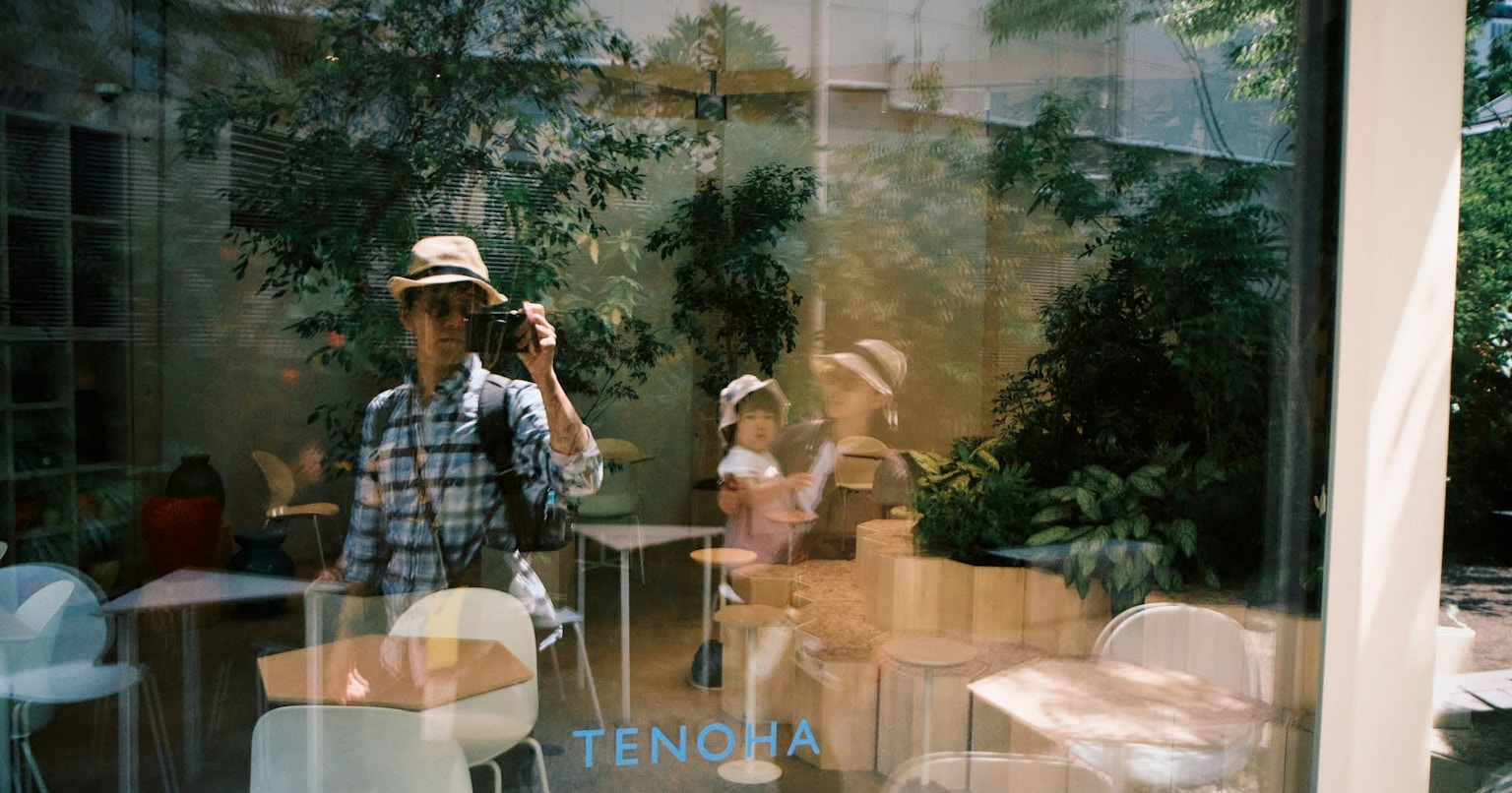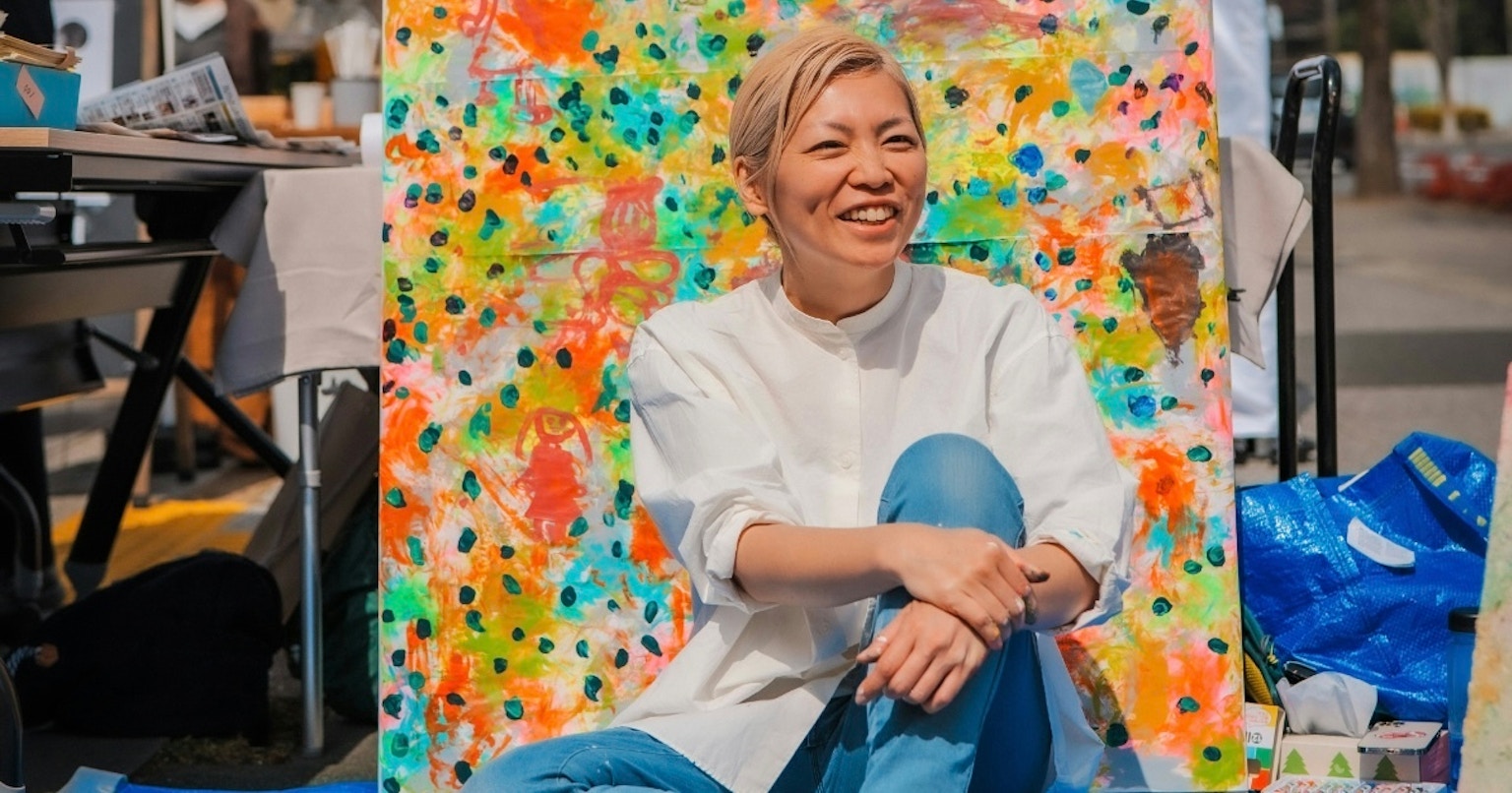
Many aspiring portrait photographers find themselves unsure of what or how to shoot once they pick up the camera.
When I first started, I often hesitated over how to choose backgrounds or direct my models. However, after three years of practice, I realized that the challenge of portraiture is not a lack of artistic sense, but simply the absence of a "shooting blueprint"—a clear concept or theme.
This article explains concrete ways of thinking that beginners can put into practice today to eliminate uncertainty from their portrait sessions.
Does Your Subject Offer a "Solution"?
Portraiture often feels more challenging than other genres because it depends on whether the subject presents a clear "answer" for what should be captured.
For example, architecture is guided by the architect’s intent, and landscapes often feature obvious beauty—so-called "scenic spots"—that anyone can recognize. Certainly, professional models or celebrities with striking visual features inherently possess a strong thematic presence, making it easier to identify focal points for the shoot.
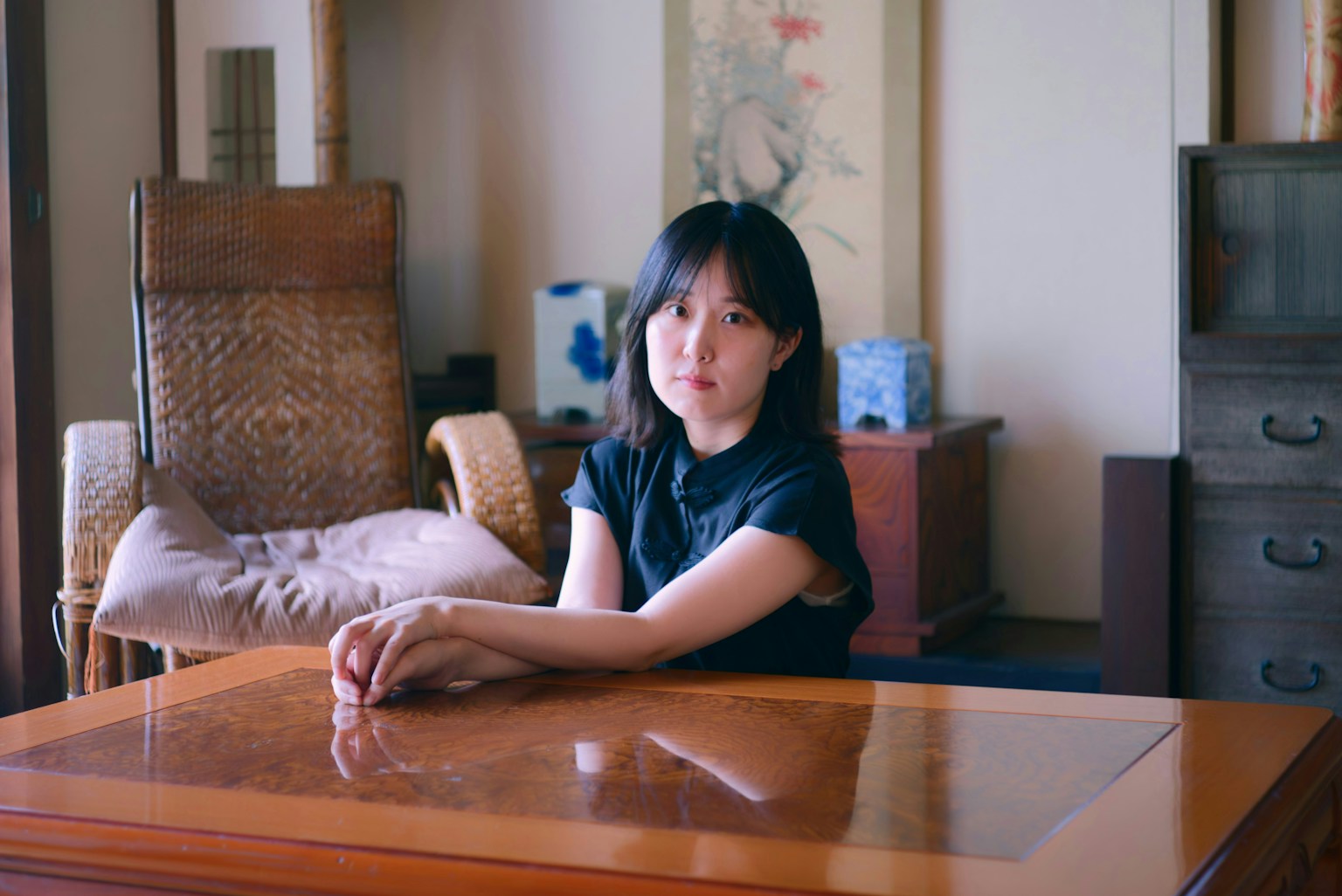
Photo by HANA-STUDIO
However, such subjects are rare even within the industry. Most people—whether emerging talents, friends, or family—do not live their lives with a photographic concept in mind.
The reason photographers often feel lost in portraiture is that, in the absence of a "solution" from the subject, they must construct a theme themselves.
Start by "Imitating": Building Your Blueprint
If you’re unsure how to establish a theme, begin by "recreating" existing works.
For instance, set a specific goal such as "shooting with lighting reminiscent of a particular movie scene" or "mimicking the pose from a favorite album cover." This approach immediately provides clarity for all elements—location, direction of light, wardrobe, and posing.
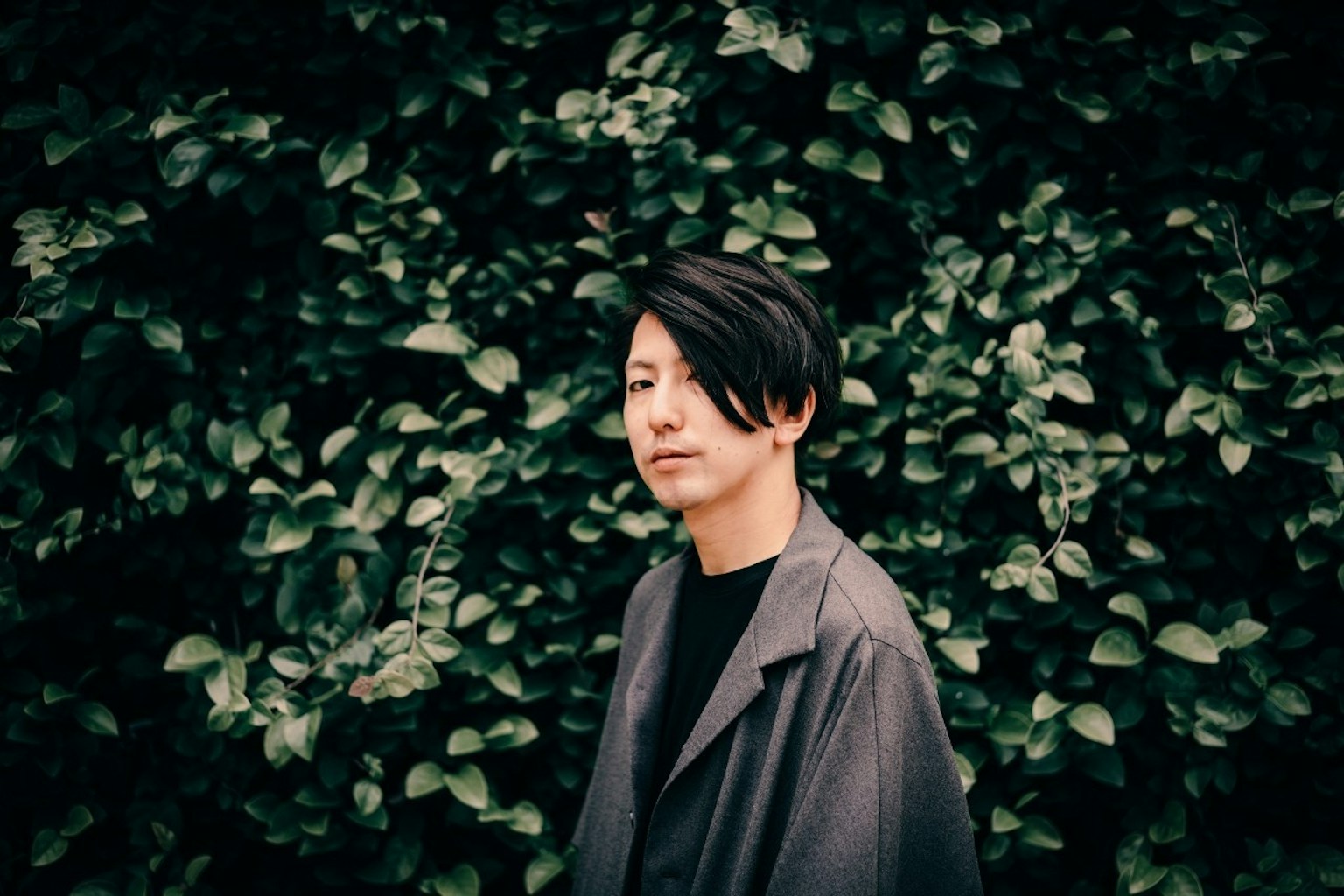
Photo by HANA-STUDIO
This method of "borrowing a blueprint" is especially effective when photographing people close to you who may not have a strong visual concept. At the stage where you’re shooting for enjoyment, there’s no need to insist on originality.
By referencing an existing blueprint, you can eliminate indecision on set and focus on technical aspects such as camera operation and composition.
The Pitfall of "Bringing Out Their Appeal"
Beginners often fall into the trap of setting the goal to "bring out the subject’s appeal." While this sounds admirable, it’s actually a highly advanced skill—even for professionals.
To truly highlight someone’s appeal, you need to understand their personality, habits, and most flattering angles. These insights are usually gained through time and communication, and instantly discerning them requires a high level of intuition.
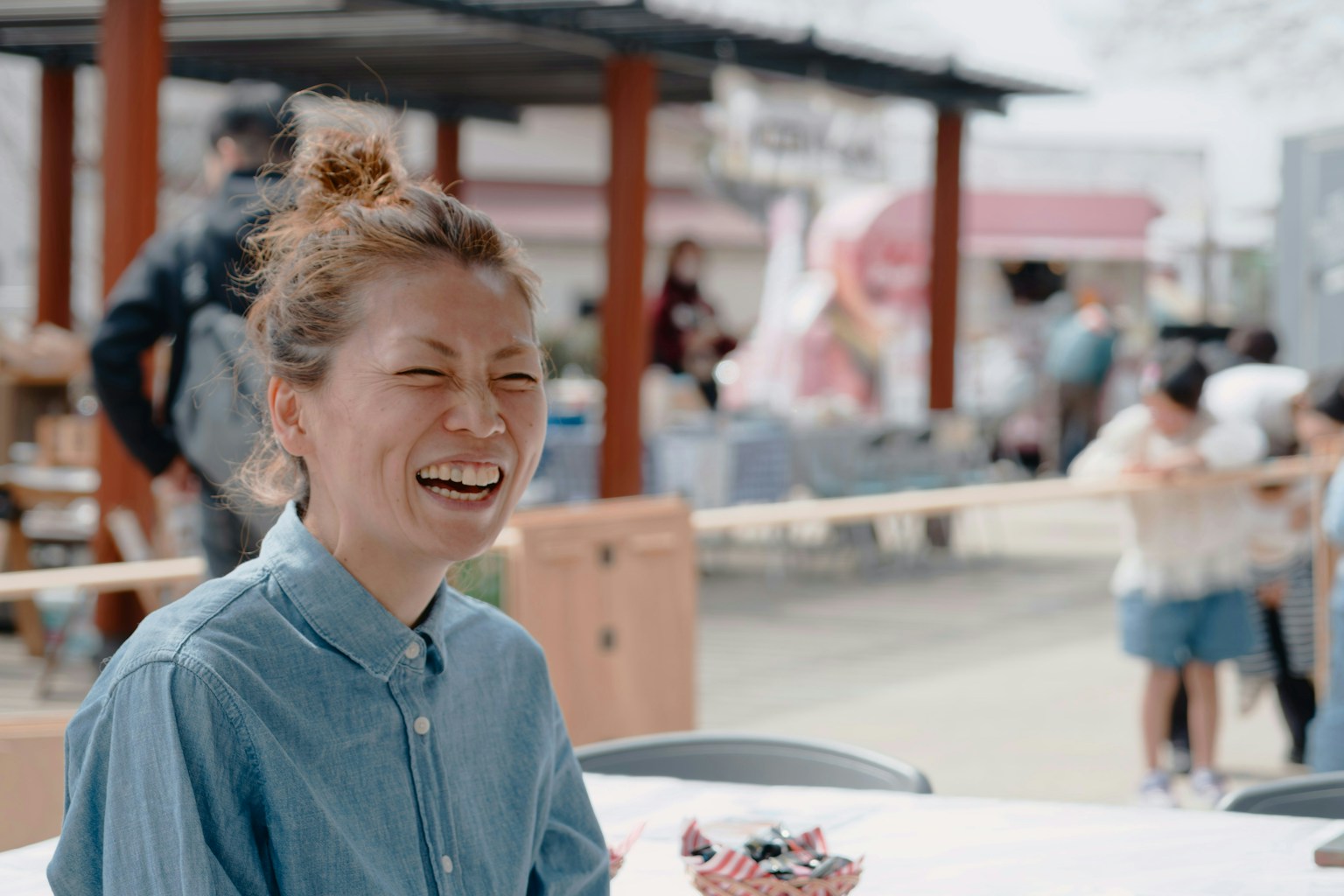
Photo by HANA-STUDIO
It’s particularly difficult to capture the essence of subjects who are not used to being photographed. Rather than aiming for the abstract goal of "bringing out their appeal," it’s more effective to focus on tangible elements—such as "highlighting the blue of this outfit" or "capturing the drama of this shadow." This approach will lead to more satisfying results.
Think About "Creating" Before You "Shoot"
While photography is an act of recording the moment in front of you, portraiture—especially as discussed here—also involves expressing your own vision.
It’s certainly valid to wait for the subject to move naturally and capture the best moment, but deciding in advance "this is the kind of image I want to create today" broadens your expressive range and leads to more fulfilling work.
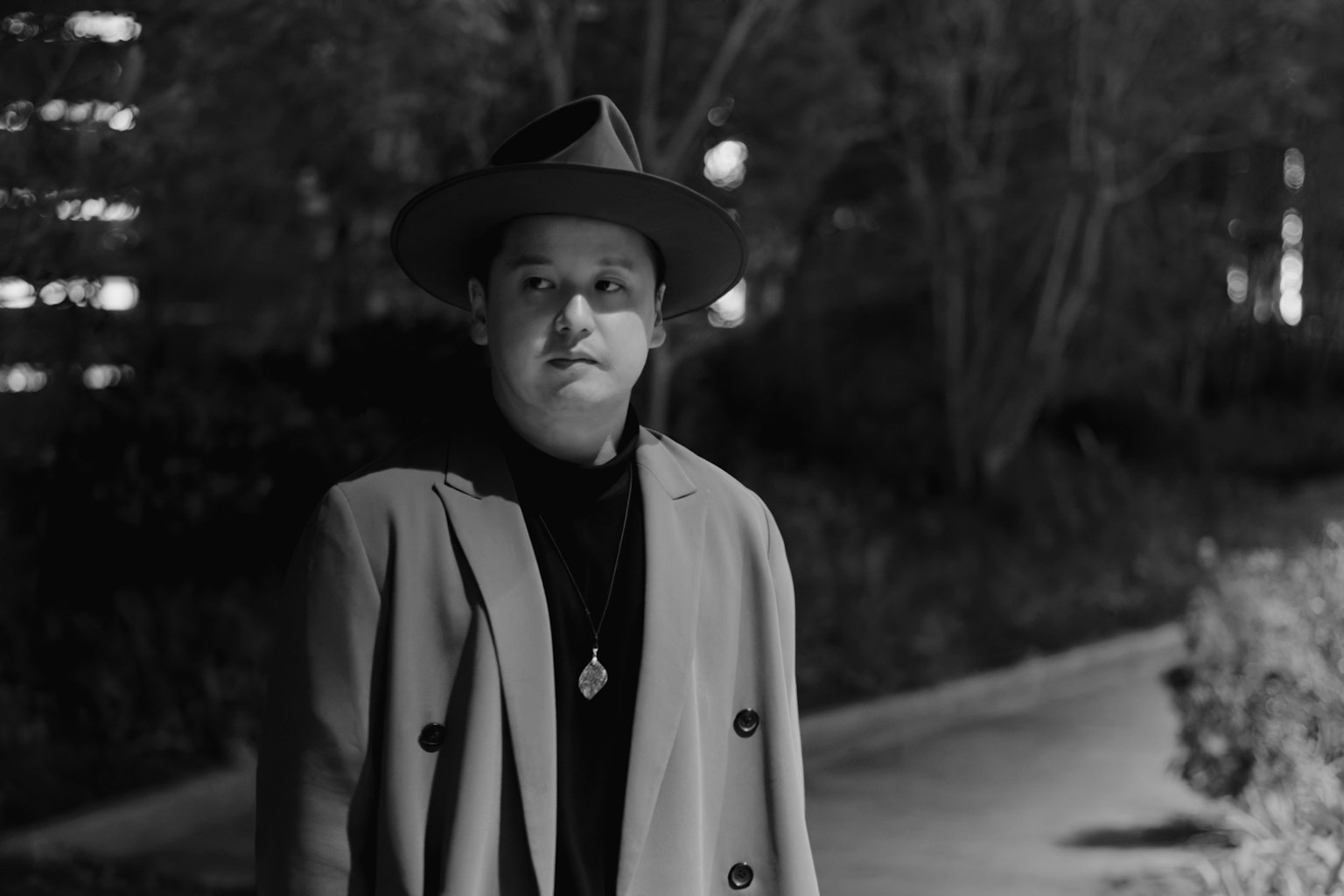
Photo by HANA-STUDIO
Before pressing the shutter, ask yourself why you chose this location and this angle. If you can articulate your reasons, the shoot will proceed much more smoothly.
Especially when photographing people close to you, cultivating the habit of "having a blueprint" can transform any apprehension about portraiture into an enjoyable creative pursuit.