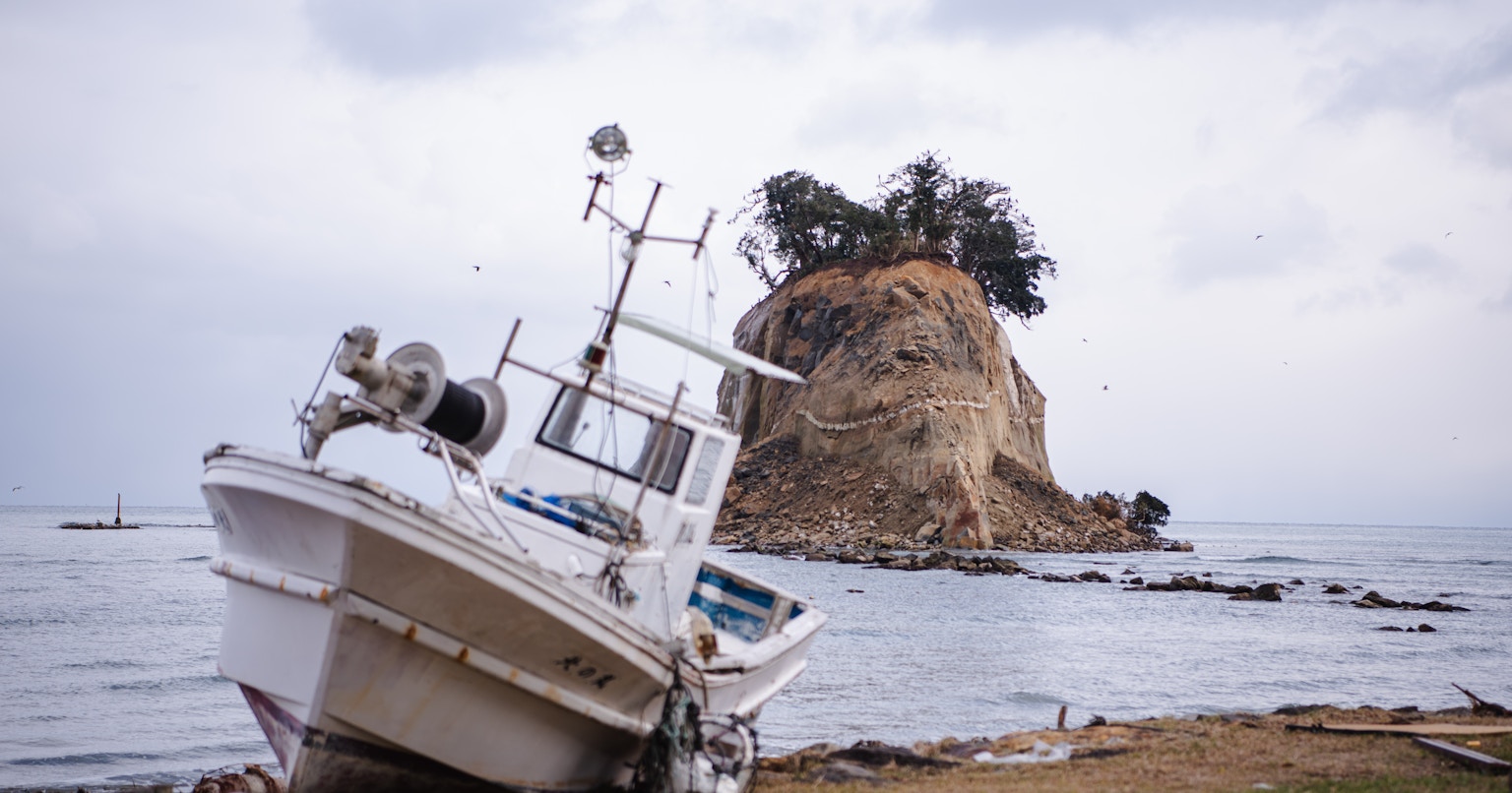
On January 1, 2024, just as the new year began, the Noto region of Ishikawa Prefecture was struck by a sudden and devastating earthquake. The tremors, lasting several minutes, dramatically altered the landscape and profoundly disrupted the lives of many. Two months have passed since the disaster, and while some semblance of daily life is returning, numerous challenges remain. In this context, we share the authentic voices from the affected areas, conveying what is happening on the ground and what is still needed.


This time, we conducted a valuable online interview with Kumi, who is deeply involved with #notopeninsula. From the disaster-stricken Noto region, we delved into Kumi’s evolving state of mind, the current situation in Noto, and her outlook for the future amidst ongoing adversity.
Sudden Disaster and Chaos
“Why did this have to happen right at the start of the year…”
In the midst of New Year’s celebrations, what should have been a joyful time was upended by a sudden earthquake and tsunami warning. The city suffered extensive damage, and many people were forced to take refuge in evacuation centers.
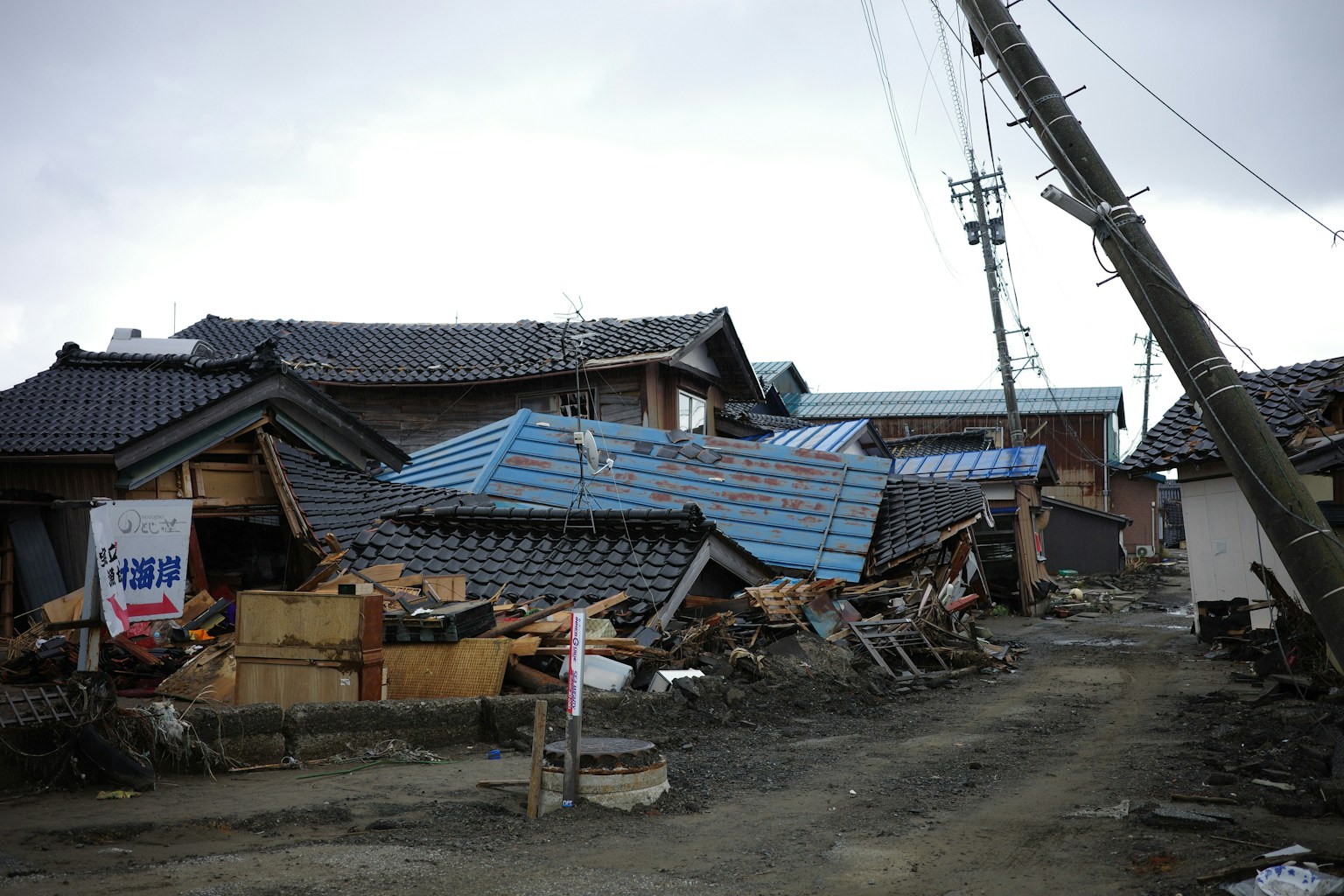
Image by Jang Kumi
Emotions in the Immediate Aftermath
The chaos and fear at the moment of the earthquake, and the unstable days that followed, cast a deep shadow on the hearts of each survivor. Losing their homes and the foundations of daily life, people faced an uncertain future that weighed heavily on their minds.
“In that instant when everything changed, we had no choice but to seriously consider what we should do and how to move forward,” Kumi recalls.
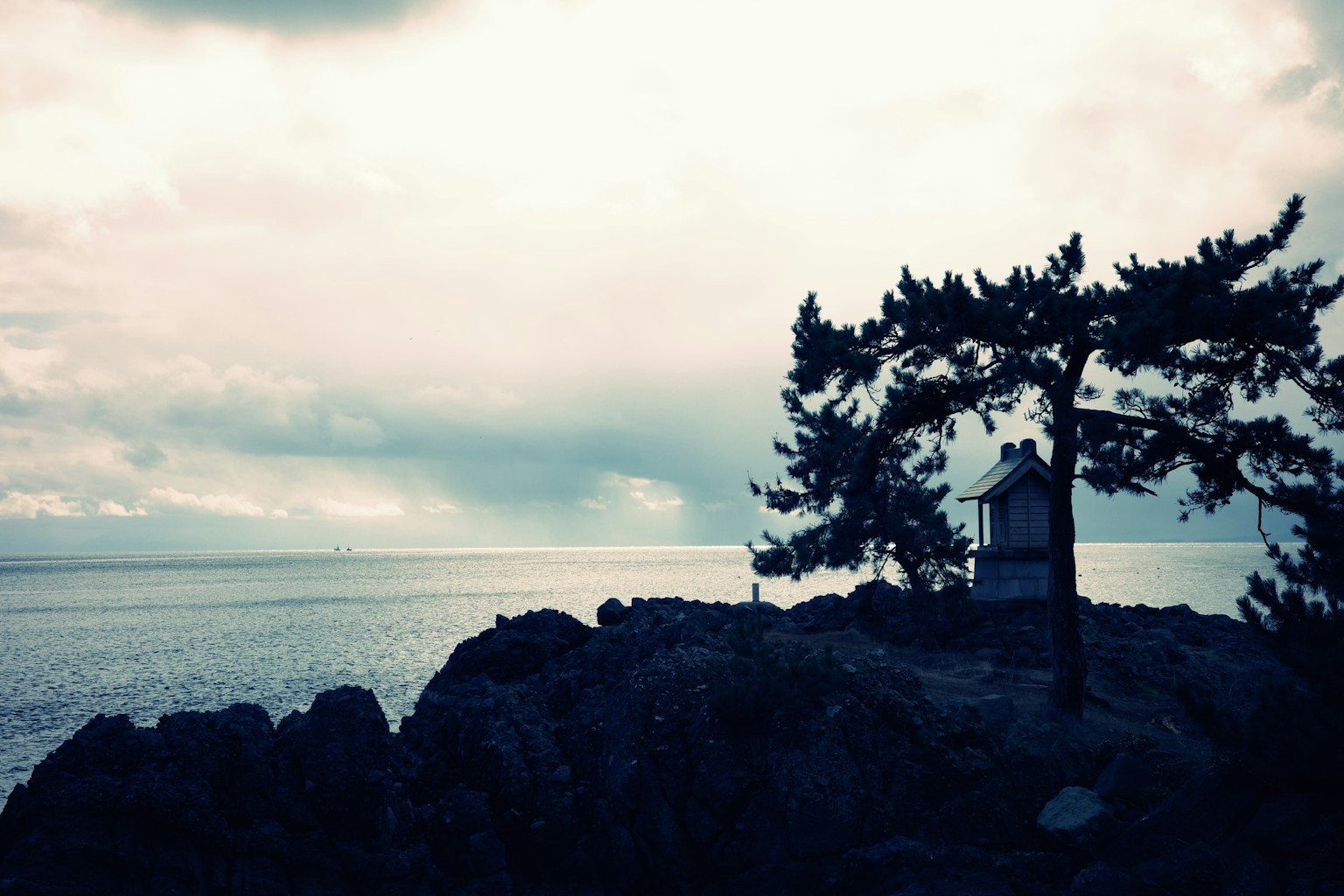
Image by Jang Kumi
Documenting and Remembering Through Photography
“It’s painful to point my camera at such distressing scenes in the midst of hardship,” Kumi shares. Yet, she picked up her camera, driven by the conviction that documenting this situation for future generations is one action she can take. The mountains of rubble, collapsed homes, and the changing natural landscape—photography becomes a powerful tool to convey realities that words cannot express.
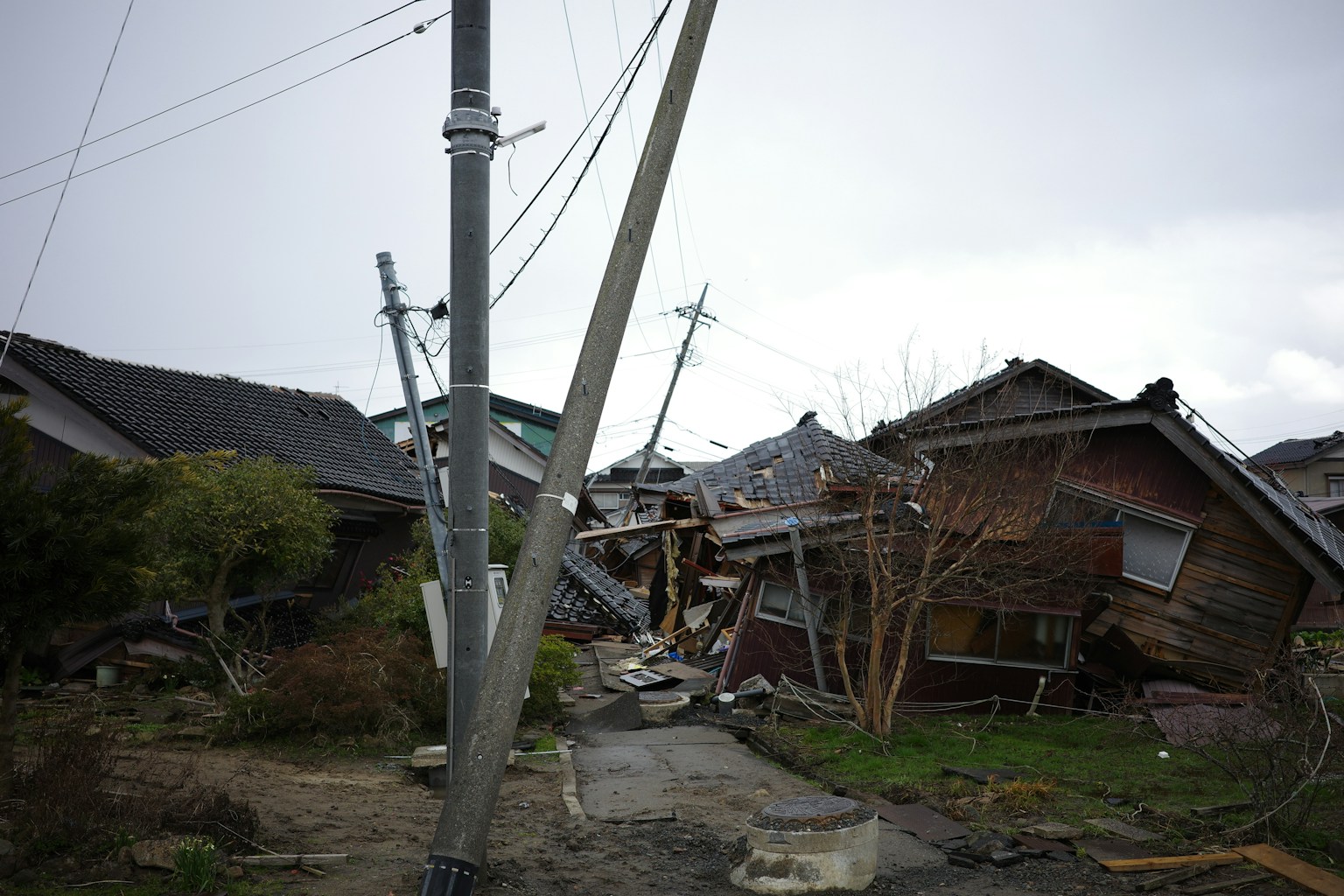
Image by Jang Kumi
“As the debris is cleared away, the former landscape will disappear, leaving nothing as if nothing ever happened. At that moment, something new will begin to take shape, but unless I preserve the final appearance of this place in memory and record, I cannot come to terms with it myself,” she says. What exists here now will soon be gone. While she hopes for a swift recovery and a return to peaceful daily life, she does not wish to forget the memory of the disaster.
The Road to Recovery Remains Long
While basic infrastructure restoration is progressing, many residents of the Noto Peninsula still endure harsh conditions in temporary housing. “Electricity has been restored, and water is flowing again, but that alone does not mean life has returned to what it was,” residents report. Even with utilities restored, there are still many unresolved issues—housing, employment, and the quality of daily life.
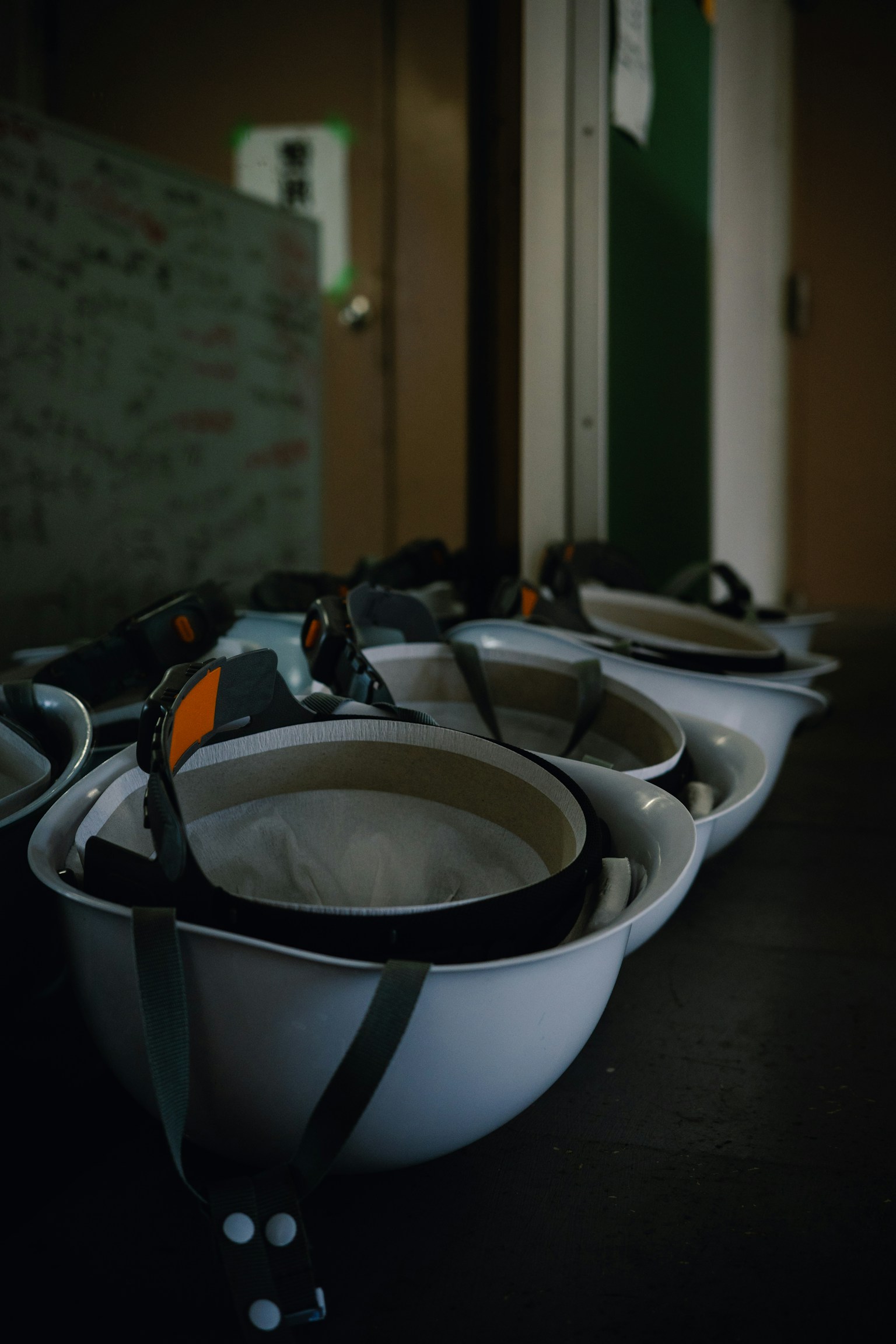
Image by Jang Kumi
In smaller communities, the delay in water restoration is particularly severe, with some residents forced to transport water from nearly 10 kilometers away. “There are towns where water still hasn’t reached, and people must travel long distances to secure water for daily use,” highlighting the harsh realities on the ground. While media reports may suggest that lifelines are being restored, daily life in the affected areas is still far from normal.
Ongoing Need for Volunteer and Support Initiatives
Even as daily life is gradually restored, uncertainty about the future remains. “We’ve lost our homes and jobs, yet we try not to lose our smiles. Still, as we slowly regain our routines, anxiety about the future persists. We strive to be strong, but outside support is essential. Please watch over our efforts as we make small steps forward. And please, don’t forget us. Life in the affected areas is still far from normal,” Kumi appeals.
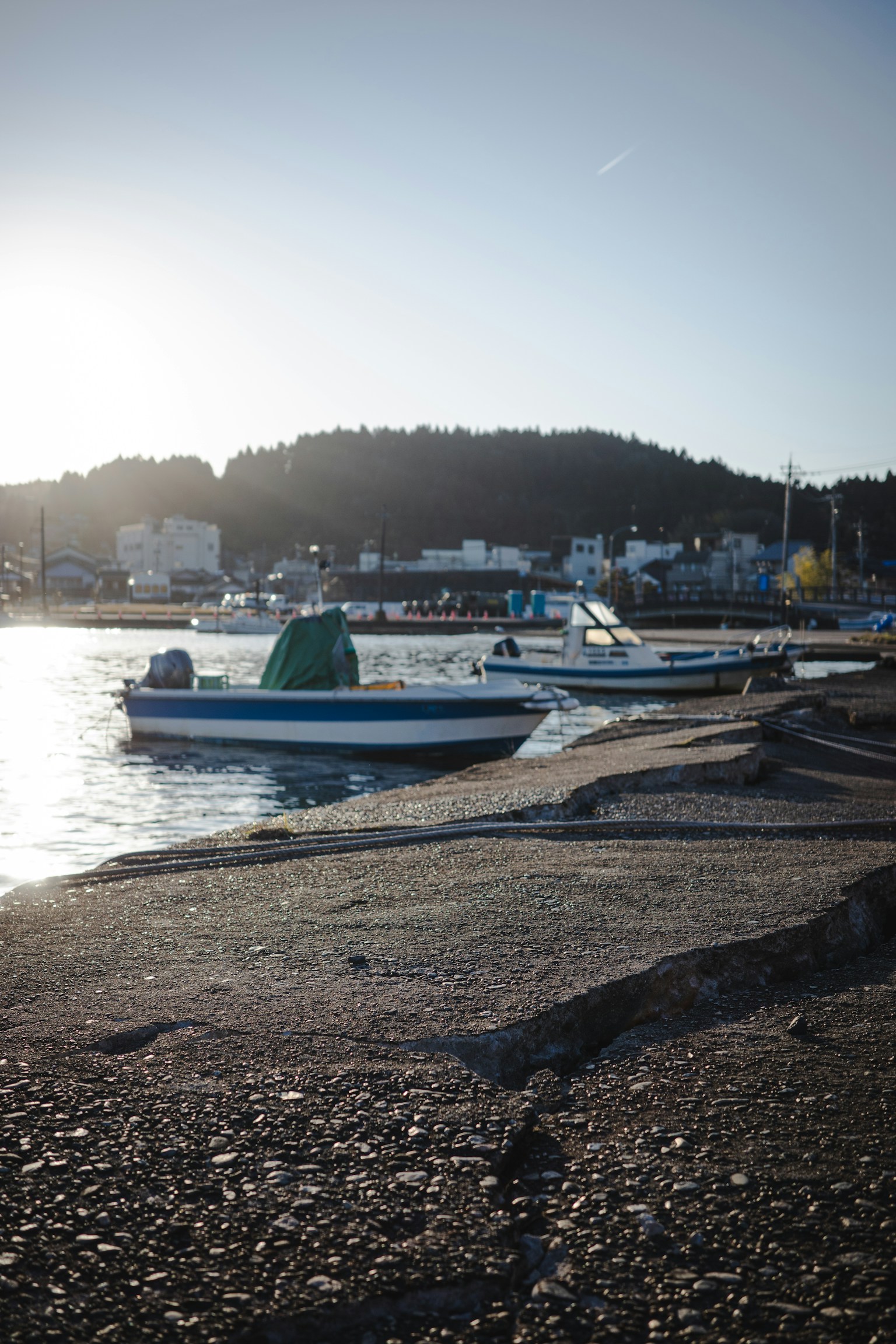
Image by Jang Kumi
Volunteering is not limited to visiting the affected areas in person. Donations, material support, and sharing information are all ways to contribute. Not only those in Ishikawa Prefecture, but people from outside the region also have opportunities to support those in need.
Volunteer recruitment information can be found on the Ishikawa Prefectural Government website and elsewhere. While activity hours may be limited, NPOs and local organizations sometimes offer accommodation and other support. Reviewing this information and considering how you can help is a significant step toward supporting the affected communities.
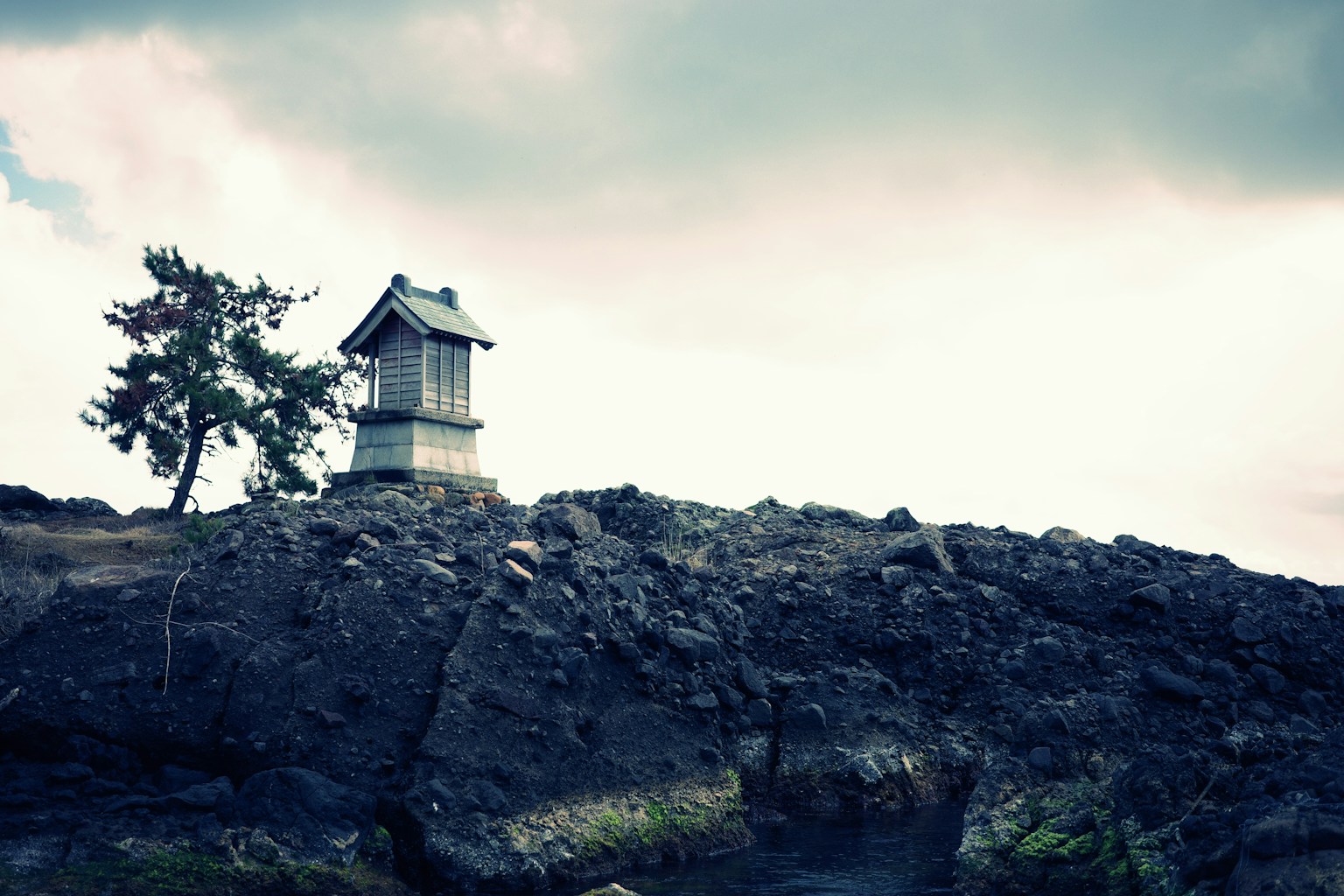
Image by Jang Kumi
#notopeninsula
At cizucu, we hope to harness your creative power. This is an initiative to shine a light on the beautiful culture and nature of the Noto Peninsula, as well as the challenges it currently faces. Please share your photographs taken in Noto with the hashtag #notopeninsula and your messages. With your heartfelt support and creativity, let’s work together toward the recovery of the Noto Peninsula.
Charity Photography Exhibition Scheduled
Despite facing severe circumstances, Kumi and other photographers from the Noto region continue to document these moments. One such initiative is a photography exhibition scheduled for late March in Kashiwazaki City, Niigata Prefecture.
This exhibition will focus on the Shiramaru district of Noto Town, which suffered extensive damage from tsunamis and fires and has yet to receive sufficient support. The exhibition aims to maintain ongoing attention on the affected areas. The photographs capture the beautiful landscapes of Shiramaru, which narrowly escaped the worst of the tsunami and fire, preserving these precious, vanishing scenes.
In closing, we extend our heartfelt gratitude to Jang Kumi for her cooperation in this interview, and we sincerely wish for the safety of all those affected and the swift recovery of the disaster-stricken areas.
Jang Kumi
Born in Wajima City, Ishikawa Prefecture, currently residing in Noto Town. Deeply passionate about the nature, festivals, and flowers of the Noto Peninsula.
Instagram: oknt_photograph
cizucu: Jang Kumi
Website: OKUNOTO PHOTOGRAPH
cover image by Jang Kumi