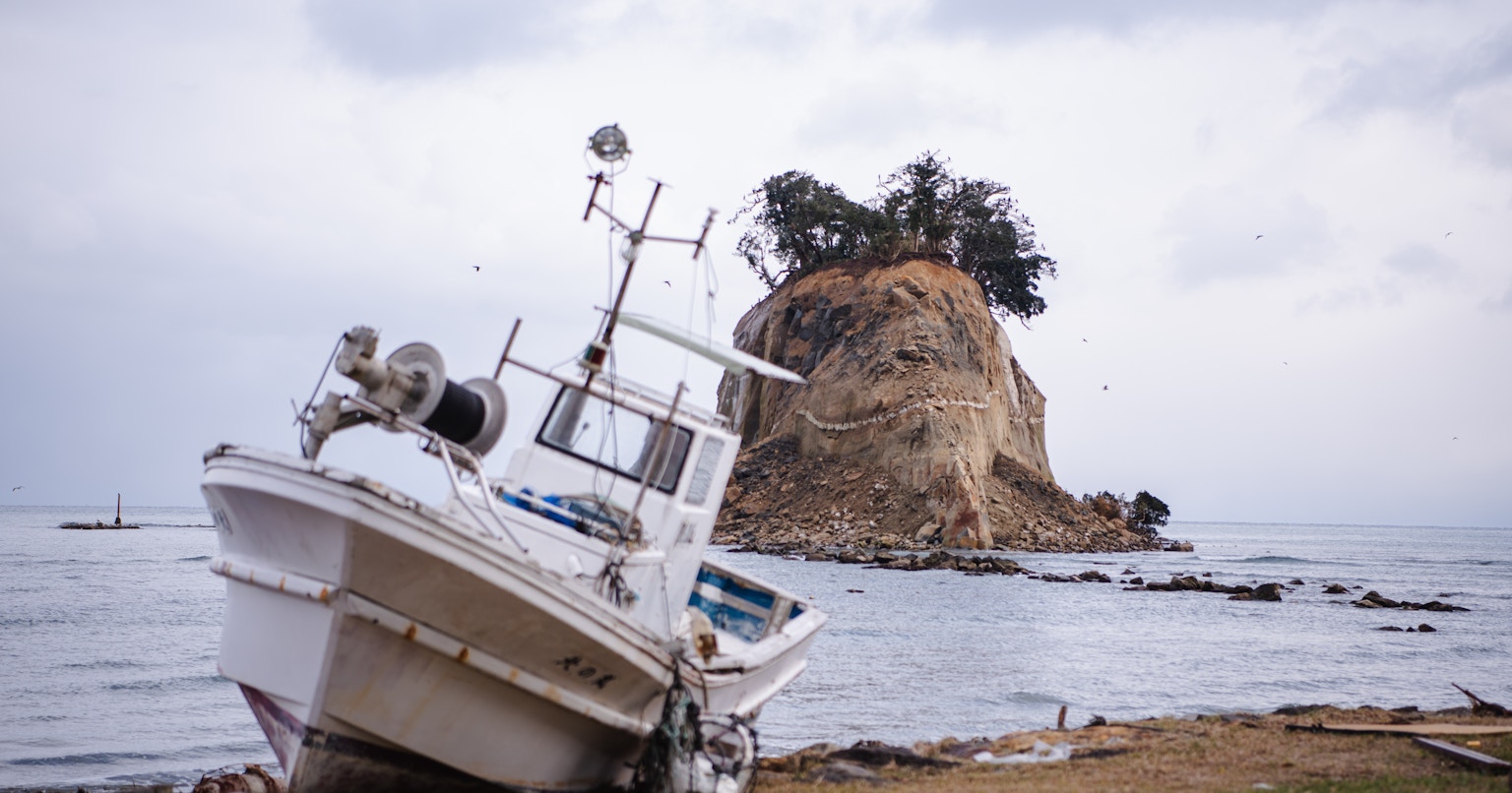
The sudden disaster of the Noto Peninsula Earthquake transformed the joy of the New Year in Reiwa 6 into days of anxiety and confusion. The impact has spread widely, affecting not only Noto but also Ishikawa, Toyama, and Niigata prefectures, forcing many people to endure great hardship. Even now, many households remain without running water, and the restoration of essential lifelines for daily life is taking considerable time.
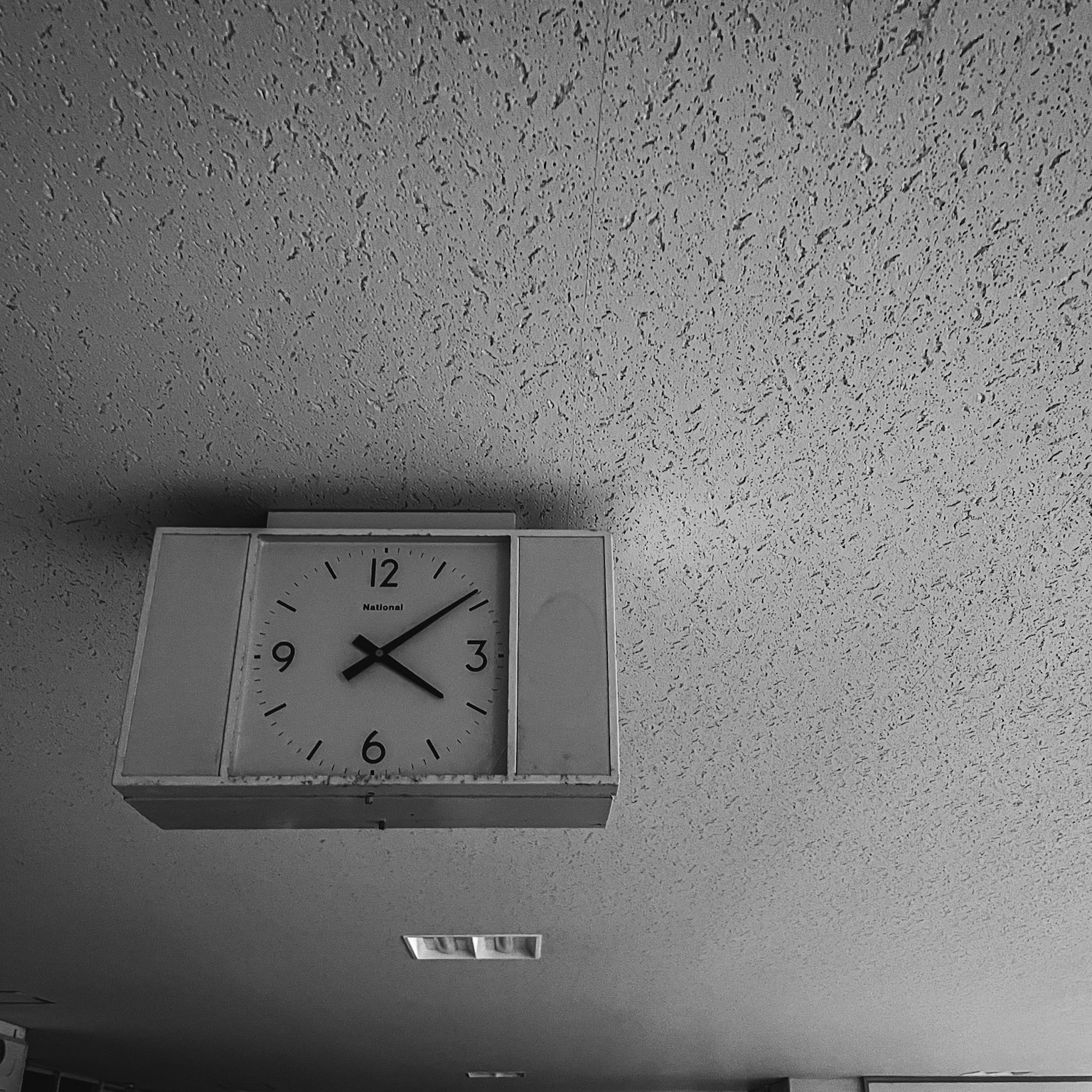
In these circumstances, many disaster victims have been forced to live in evacuation shelters, facing prolonged inconvenience. Being uprooted from familiar surroundings and having to adapt to an unfamiliar place is an immense physical and emotional burden. For those who have lost their livelihoods or suffered significant setbacks, rebuilding the foundations of daily life remains a major challenge ahead.
Continuing the Journey Together
As the cizucu team, being far from the affected areas, we can only offer our heartfelt support from a distance, which leaves us feeling powerless. Yet, it is precisely in such challenging times that we believe in the power of photography—to ensure the memories of this disaster are not forgotten, and to deliver them as a record.
Restoring the beautiful nature and culture of Noto may take time, but we stand in solidarity with the affected communities, committed to supporting the recovery process together.
With the hope of keeping the memory of the earthquake alive and inspiring people to visit Noto once again, cizucu will continue to share the progress of recovery. In this issue, we present the current state of Noto and an interview with photographer Jang Kumi, who has been consistently capturing and sharing the region’s beauty, with her kind permission.
The Current Reality of Noto Amidst Numerous Challenges
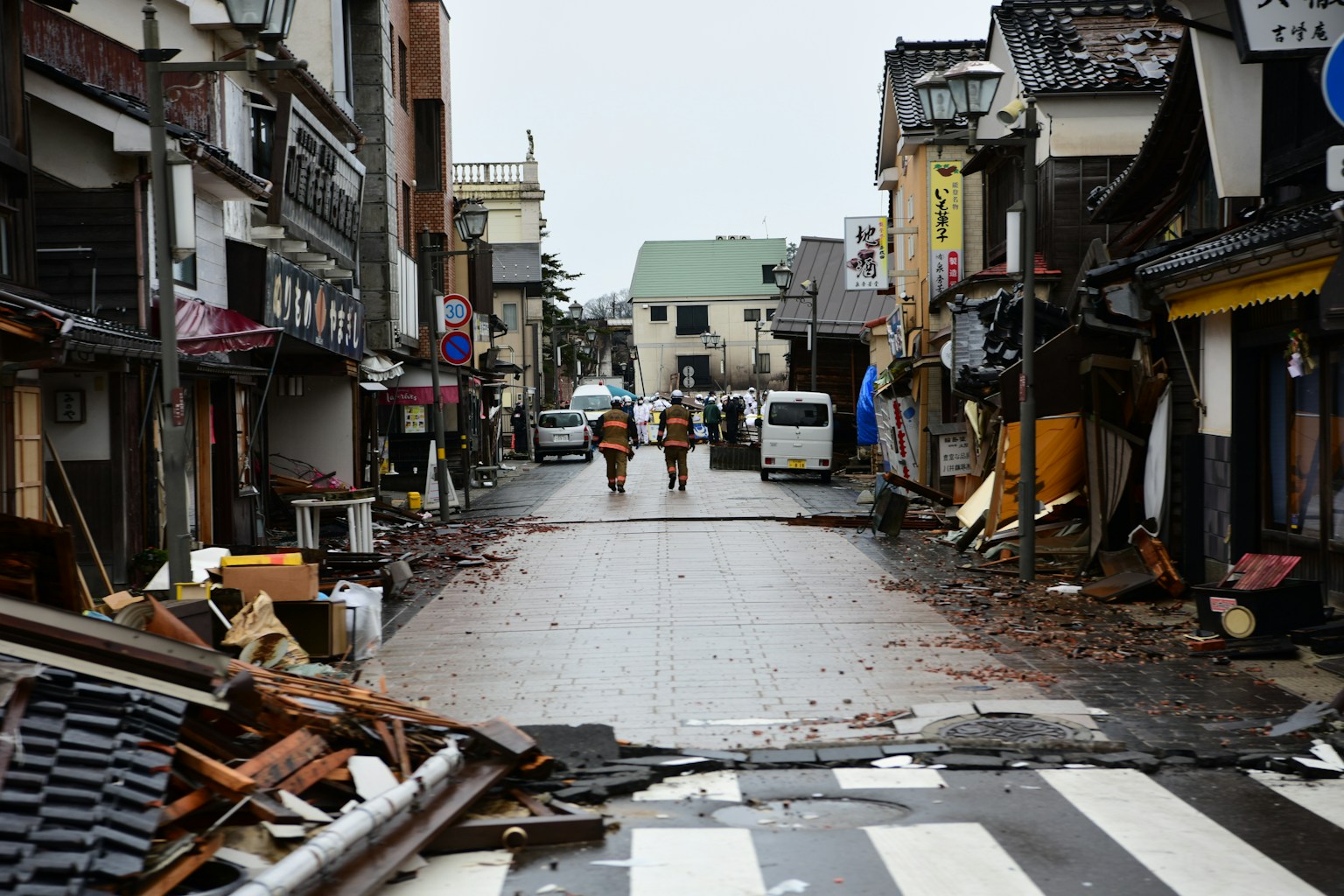
Image by Jang Kumi
One month after the earthquake, are there any ongoing difficulties you are facing?
It’s the lack of running water.
Fortunately, in the Uchiura district of Noto Town where I live, electricity, gas, and telecommunications were restored relatively quickly. However, the water supply is still cut off, and we’ve been told that a temporary restoration may come between the end of February and the end of March. Every day, we go to receive water supplies, collect rainwater for household use, and visit the baths set up by the Self-Defense Forces (waiting an hour and a half is normal!). We wash dishes by pouring water from a watering can, do laundry at coin laundries, and travel three to four hours one way toward Kanazawa. Even traveling to Kanazawa takes nearly twice as long as usual due to road closures from the collapse of the Noto Satoyama Kaido and congestion on local roads.
We are managing to get by with various improvisations, but these days have made me acutely aware of how precious running water is.
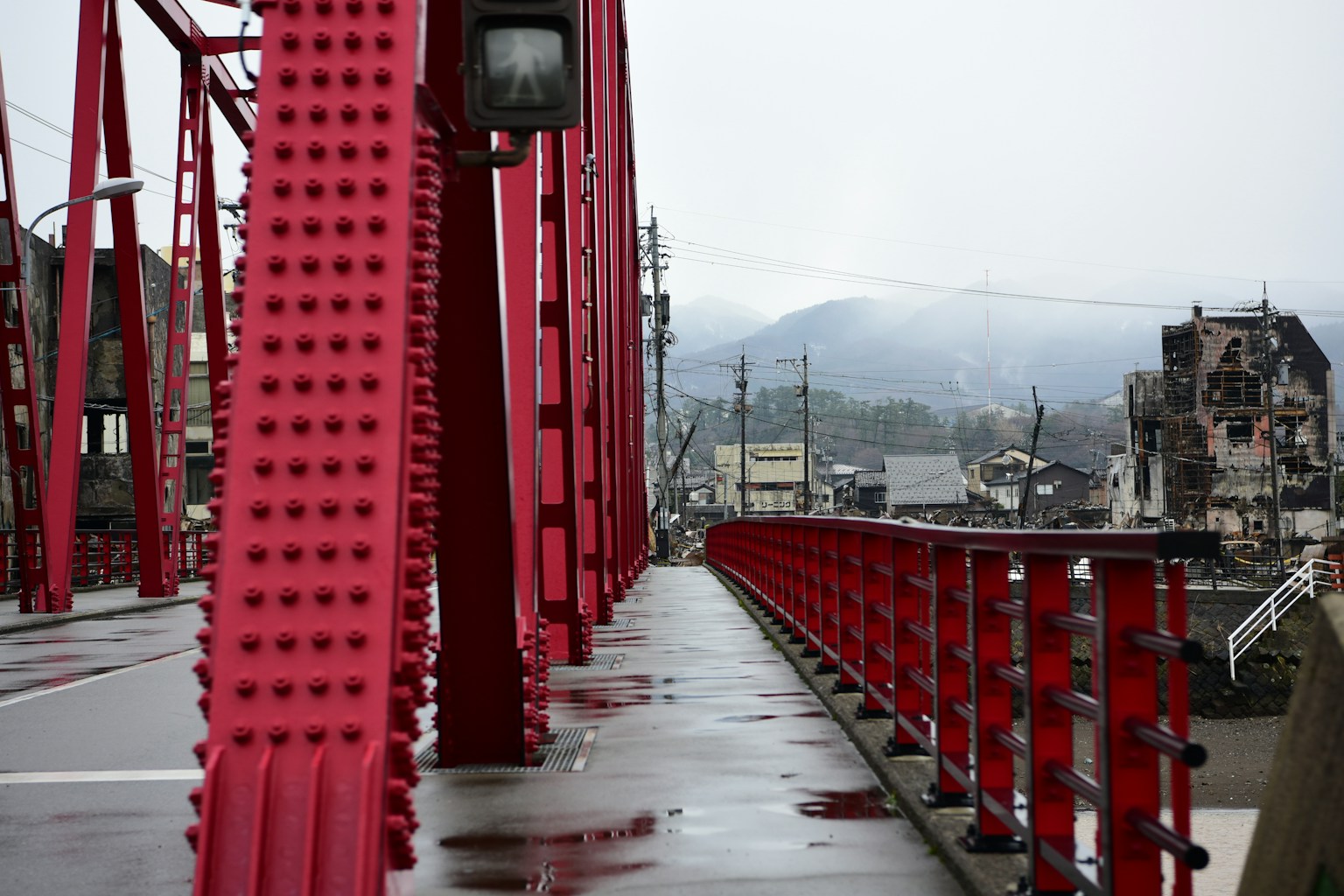
Image by Jang Kumi
Even now, a month after the earthquake, I feel anxious about how little has changed.
There are fewer reports on TV news, and I sense that outsiders already see this as a disaster of the past. The city is still filled with rubble and collapsed houses, and although some roads are being temporarily restored, many remain rough and impassable.
Many people are still unable to return from evacuation centers or secondary shelters, waiting for temporary housing to be built. Every day, I am left with a vague sense of unease, wondering when we will be able to regain our “normal” lives.
After viewing your vivid photographs of the area, we felt a deep sense of frustration. Photographing the disaster site must have been an emotionally charged experience. Were there any particularly memorable moments or lessons you learned through this experience?
On January 10, I entered Wajima City for the first time since the earthquake. Wajima is my hometown.
My hometown was unrecognizable. The shock I felt that day is unforgettable, and I don’t think I will ever forget it. Streets lined with collapsed houses, hillsides scarred by landslides everywhere, manholes protruding, roads cracked and collapsed, and the beach where I used to swim as a child had been uplifted by tectonic movement, looking nothing like before… I was at a loss for words. I couldn’t even bring myself to approach the Wajima Morning Market, which was devastated by fire. I could only look at it from across the river, through the car window. Places where my favorite shops and friends’ homes once stood—now all gone. The tears wouldn’t stop.
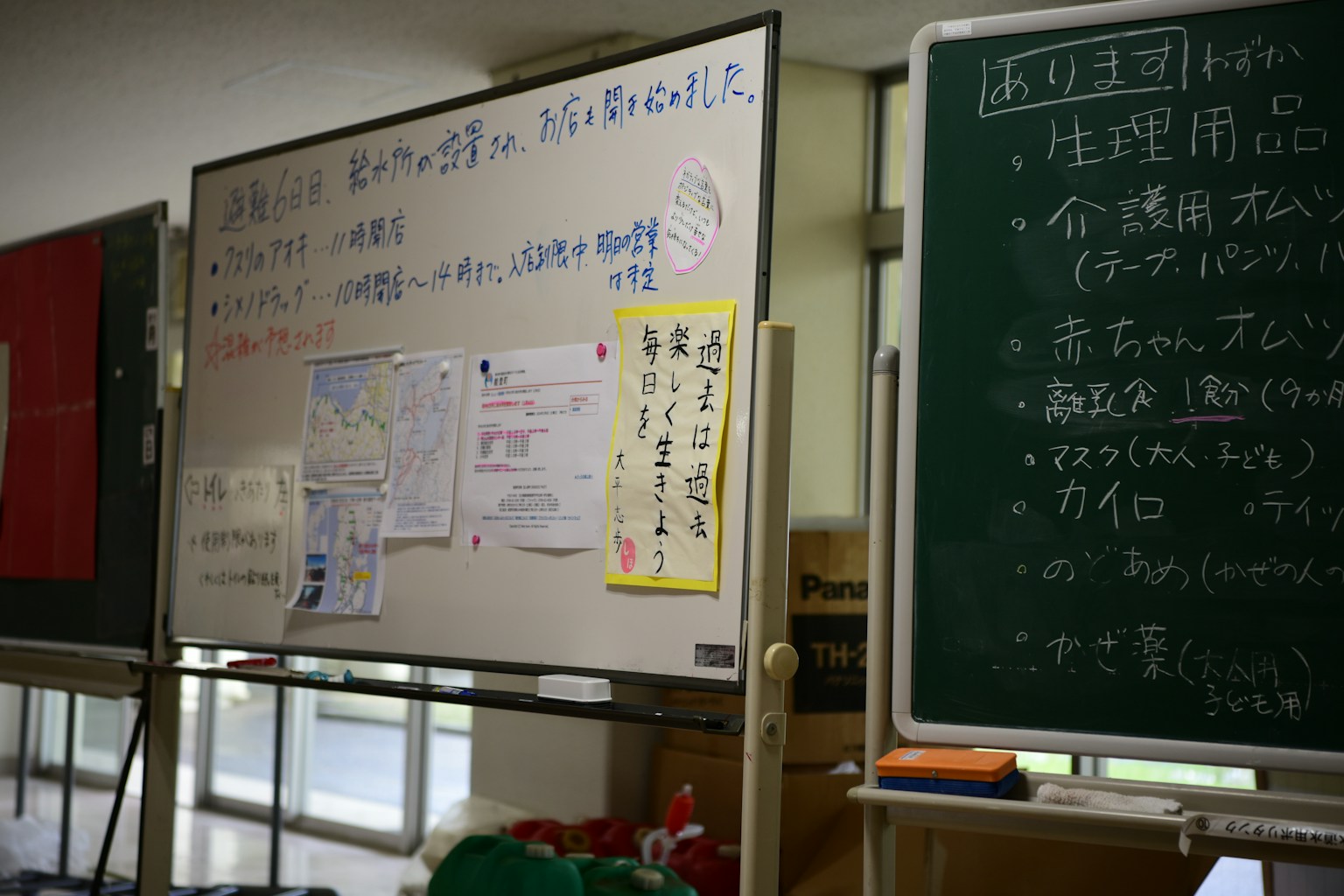
Image by Jang Kumi
Even though I went to Wajima, it doesn’t feel like I was really there. It’s as if I wandered into a bad dream. That’s how much my hometown has changed.
Since that day, I’ve gradually become afraid to pick up my camera. I think I still haven’t come to terms with the fact that my beloved Noto has become a disaster area. Taking photographs forces me to confront this reality, and perhaps it became a source of stress without me realizing it. So for now, I’m taking a break from photography. As my feelings slowly recover, I hope to start again soon. Through this experience, I’ve learned the importance of not pushing myself too hard, especially during tough times, whether in photography, daily life, or ongoing projects.
“Noto wa yasashiya, tsuchi made mo”—this phrase expresses the gentle nature of Noto’s land and people. True to these words, the people of Noto are warm and kind. There is a strong sense of mutual support among residents, and since the disaster, everyone has been helping each other, even as they struggle with their own pain.
Is there anything you would like to convey or any message for those viewing your photographs, Ms. Jang Kumi?
As you can see, Oku-Noto is in a terrible state. It’s in ruins. But I want everyone to remember this scene—until the day comes when recovery is achieved. Until the day when people can say, “It’s hard to believe there was ever an earthquake, or that it was ever this devastated.” Until then, we will keep going.
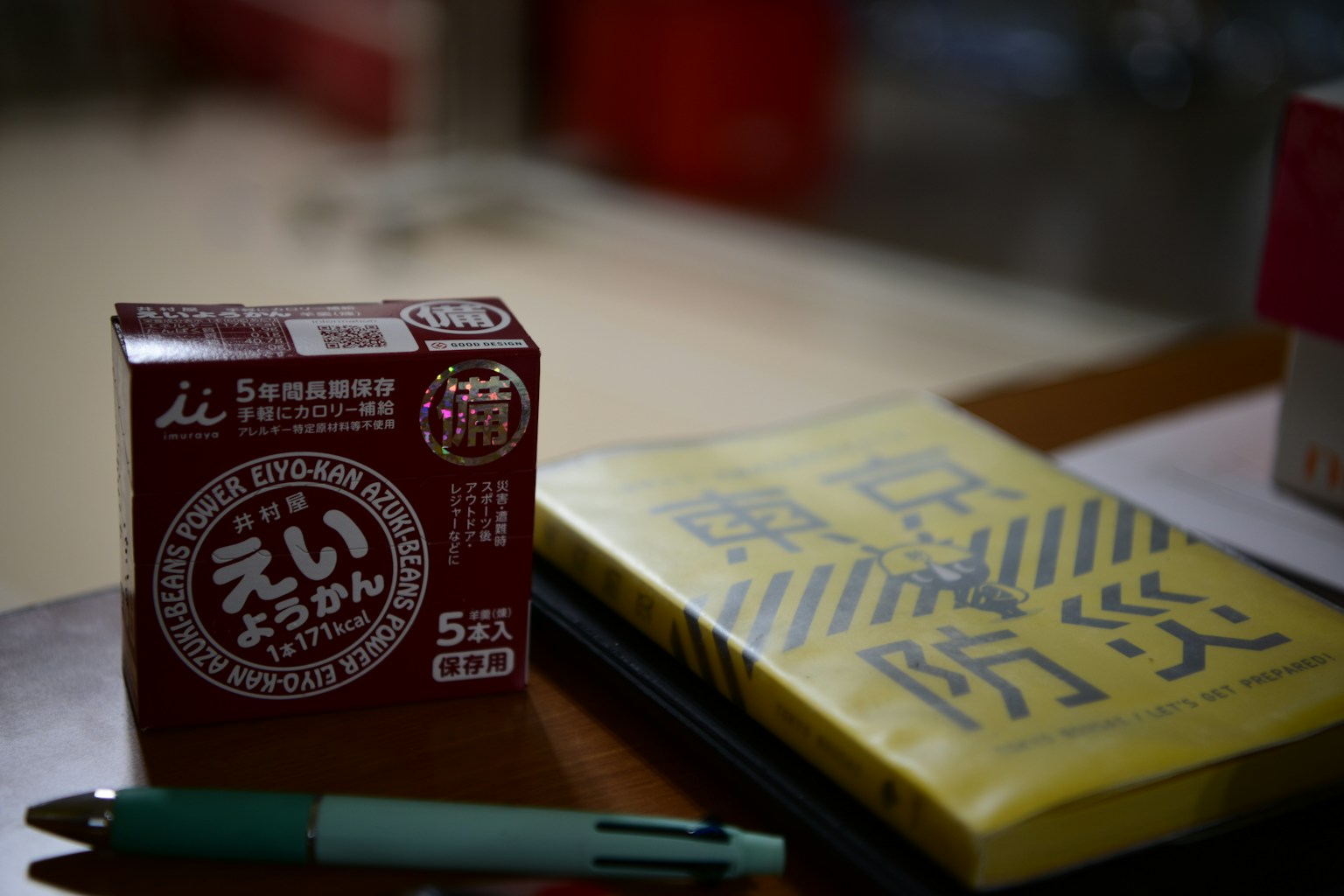
Image by Jang Kumi
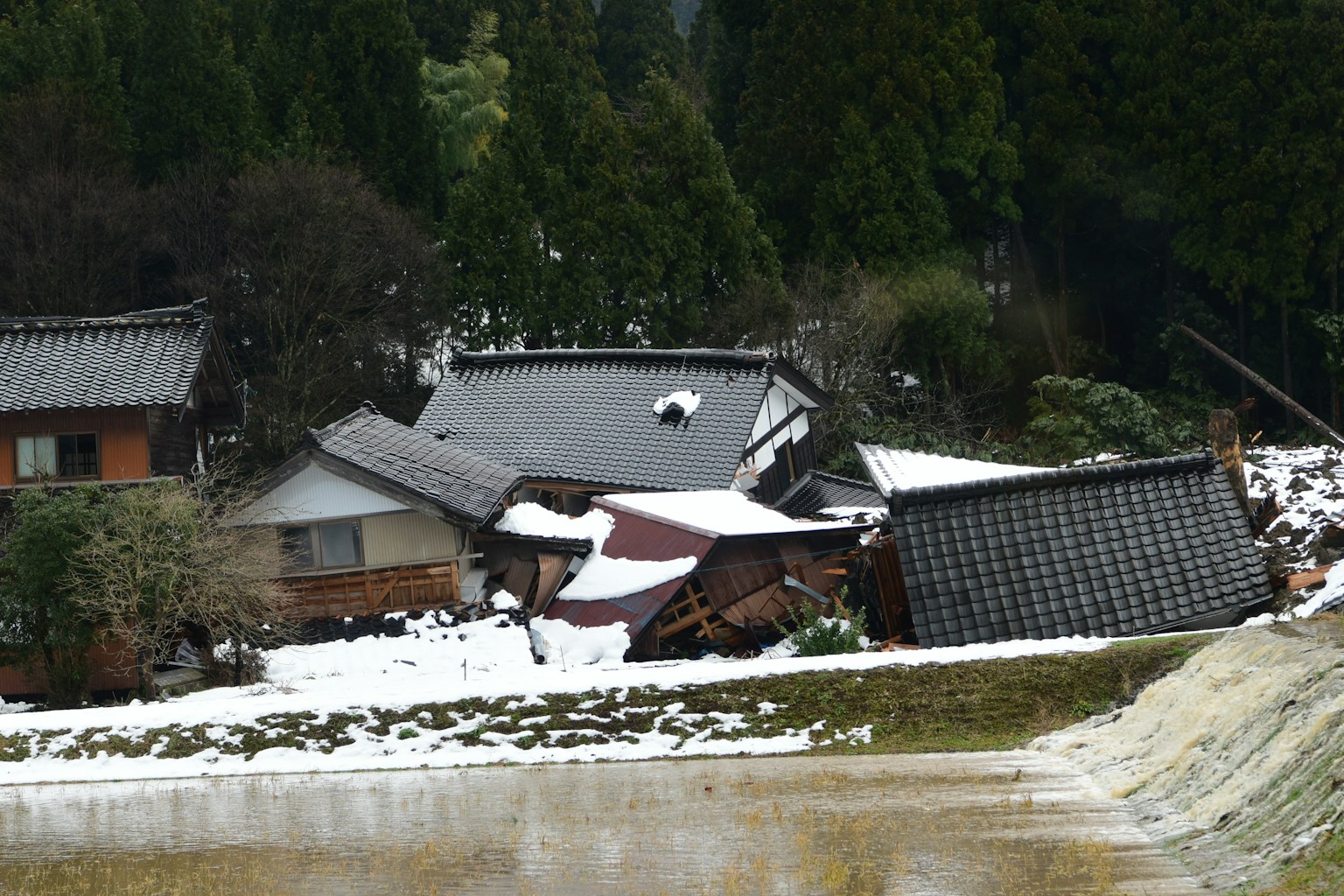
Image by Jang Kumi
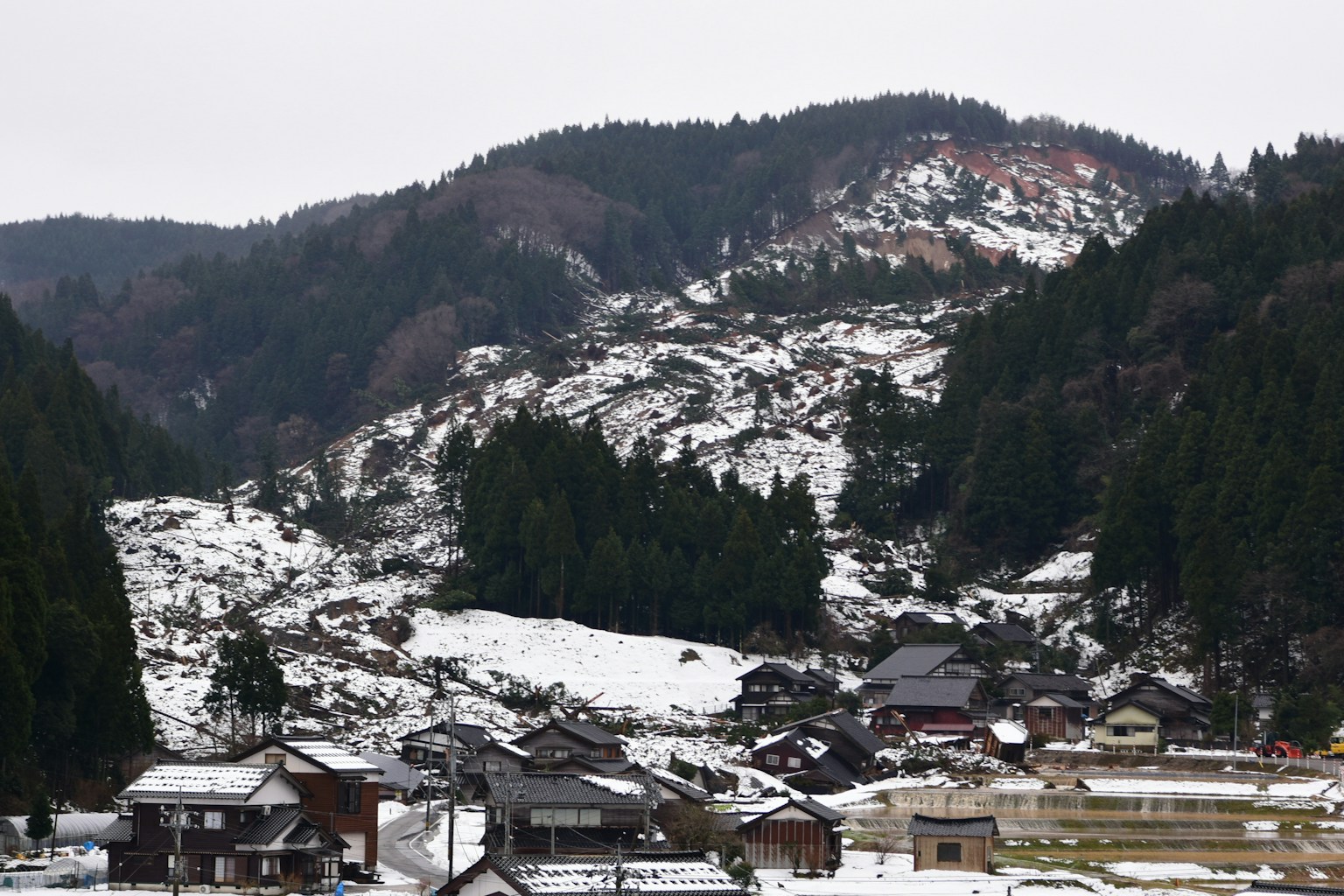
Image by Jang Kumi
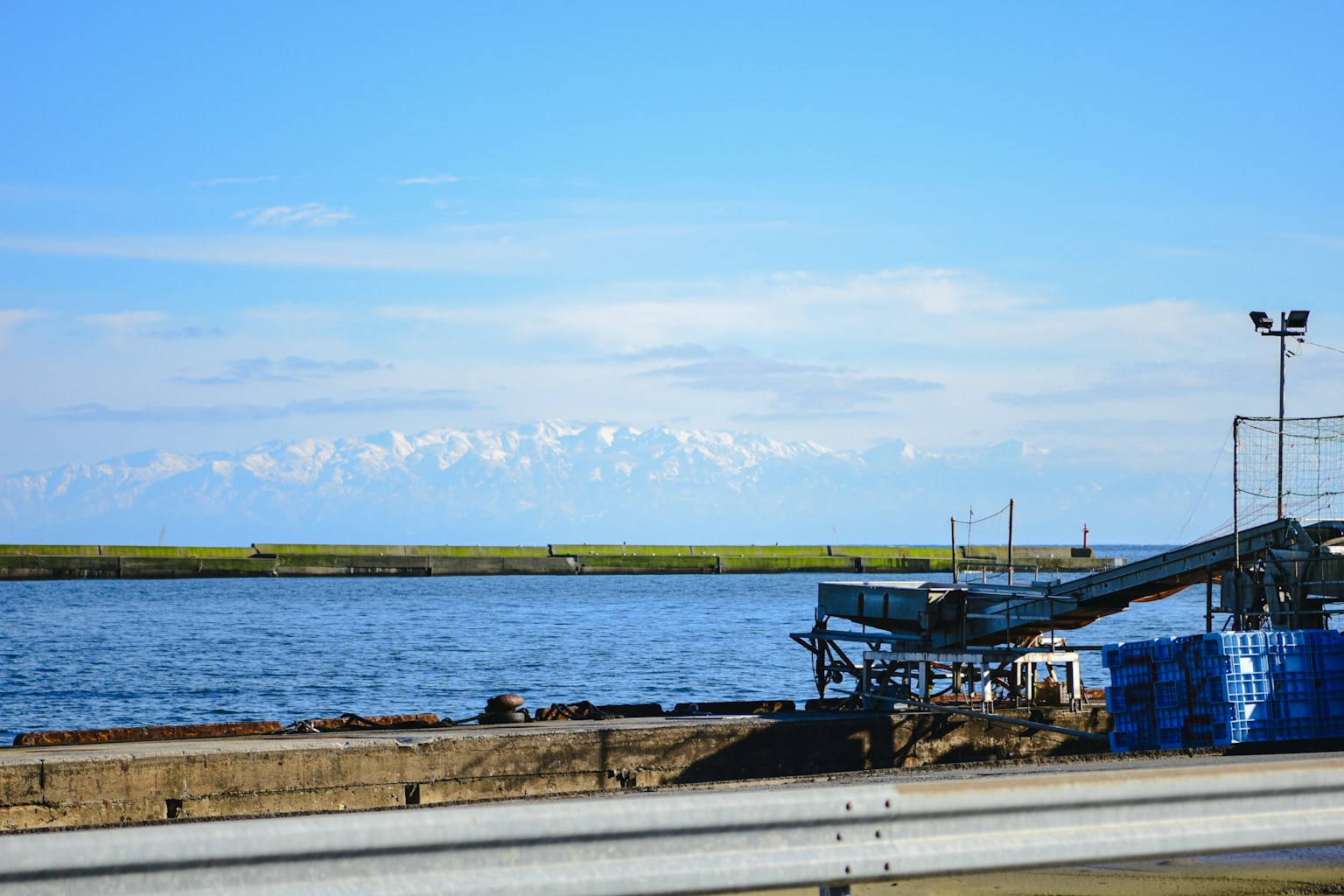
Image by Jang Kumi

Image by Jang Kumi
#notopeninsula
We would like to take this opportunity to widely share the current situation of the Noto Peninsula and ask for the cooperation of creators as a step toward supporting recovery. To shed light on the beauty, culture, nature, and current challenges of the Noto Peninsula, we encourage you to share photographs taken in the region with the hashtag #notopeninsula along with your messages. Through this hashtag, we hope more people will learn about the current state of Noto and that the circle of support will grow. With your warm support and creativity, let us work together toward the day when the Noto Peninsula regains its radiance.
Finally, we would like to express our deep gratitude to Ms. Jang Kumi for her cooperation in this interview under such difficult circumstances. We sincerely wish for the safety of all those affected and for the swift recovery of the disaster-stricken areas.
cover image by Jang Kumi