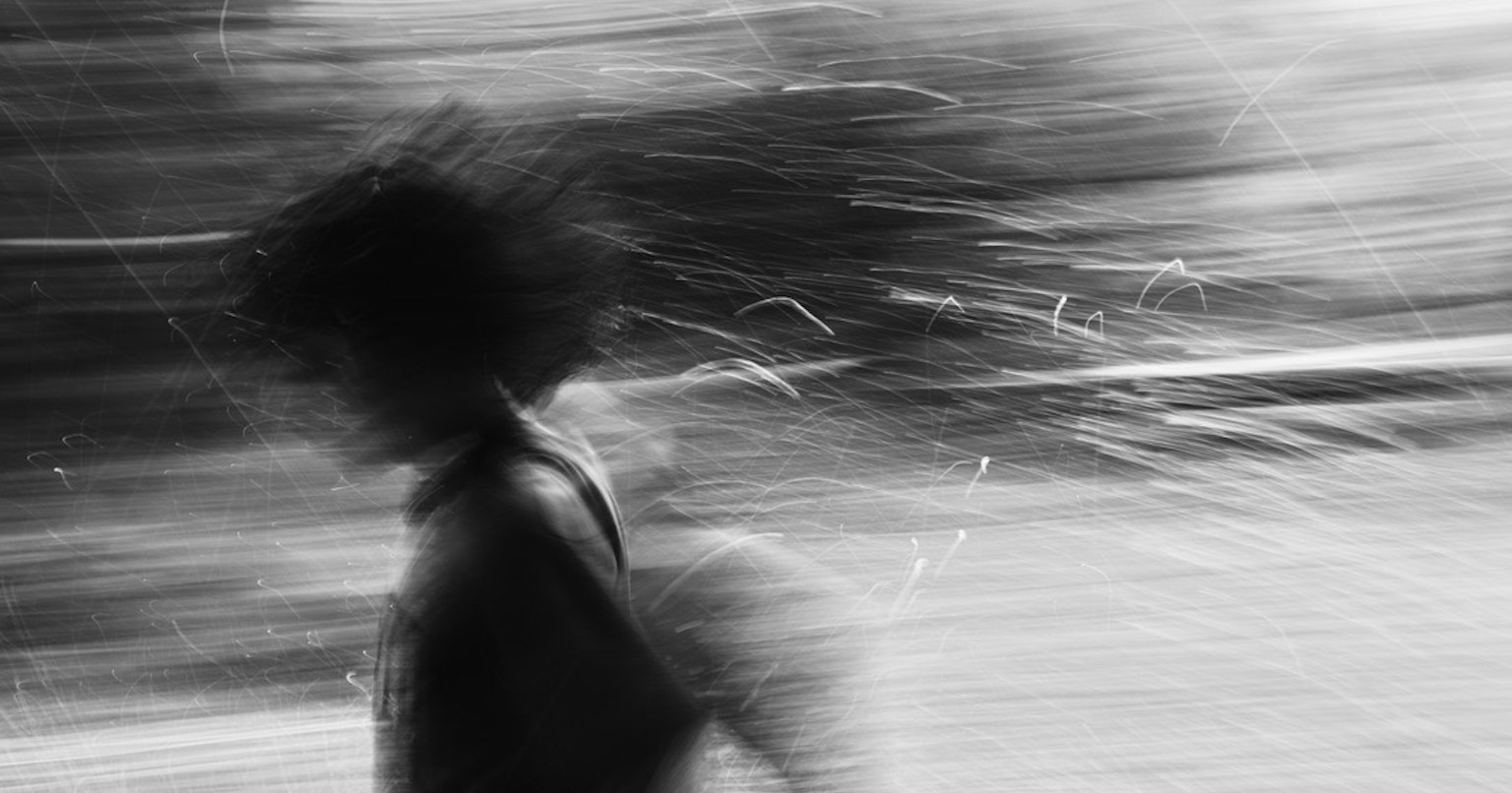
The Sense of Discomfort When Viewing Generated Images
AI-generated imagery strives to faithfully reproduce the inputted text. This diligence in executing instructions and the vast database from which AI learns could be described as a 'divine skill'—something far beyond human cognitive capacity. Yet, the resulting images often fail to captivate the human heart. In this feature, we explore the reasons behind the sense of unease that exists between AI-generated images and photography.
From the Perspective of Negative Space
Many generated images accurately translate text into visuals. These images are often devoid of superfluous elements—in other words, they lack 'negative space.' Negative space refers to intentionally or unintentionally left areas or information within an image. AI-generated visuals are frequently saturated with detail, resulting in a notable absence of negative space. While these images convey information with precision, they often lack contextual depth.
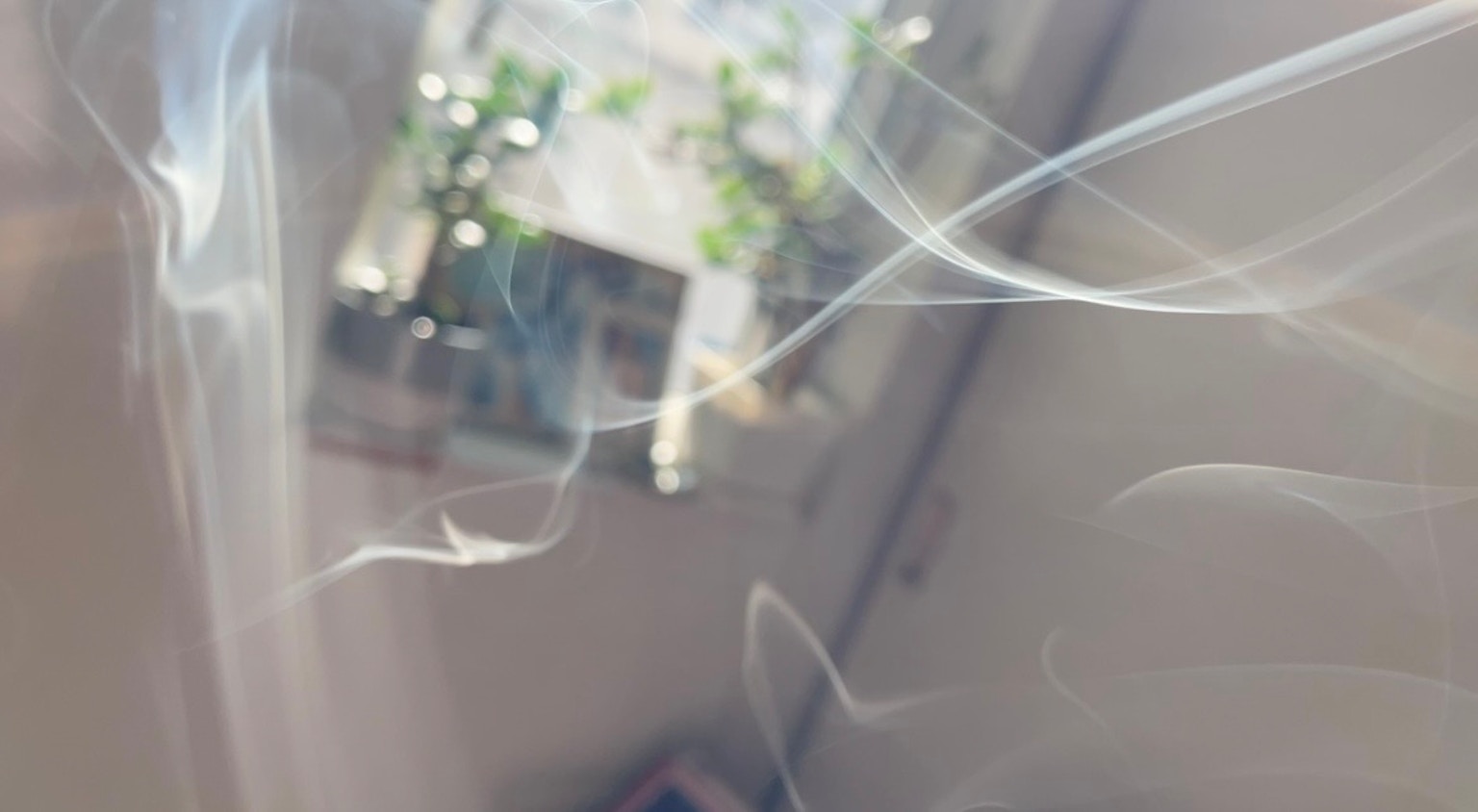
Image by sora.KagiAke
However, 'negative space' is where human emotional nuance and hidden meaning reside. This context-driven understanding, rooted in emotion, is precisely where AI—lacking a physical body—struggles most. While AI excels at literal image processing, it remains in its infancy when it comes to generating negative space imbued with emotional depth or concealed meaning.
Humanity Manifested in Negative Space
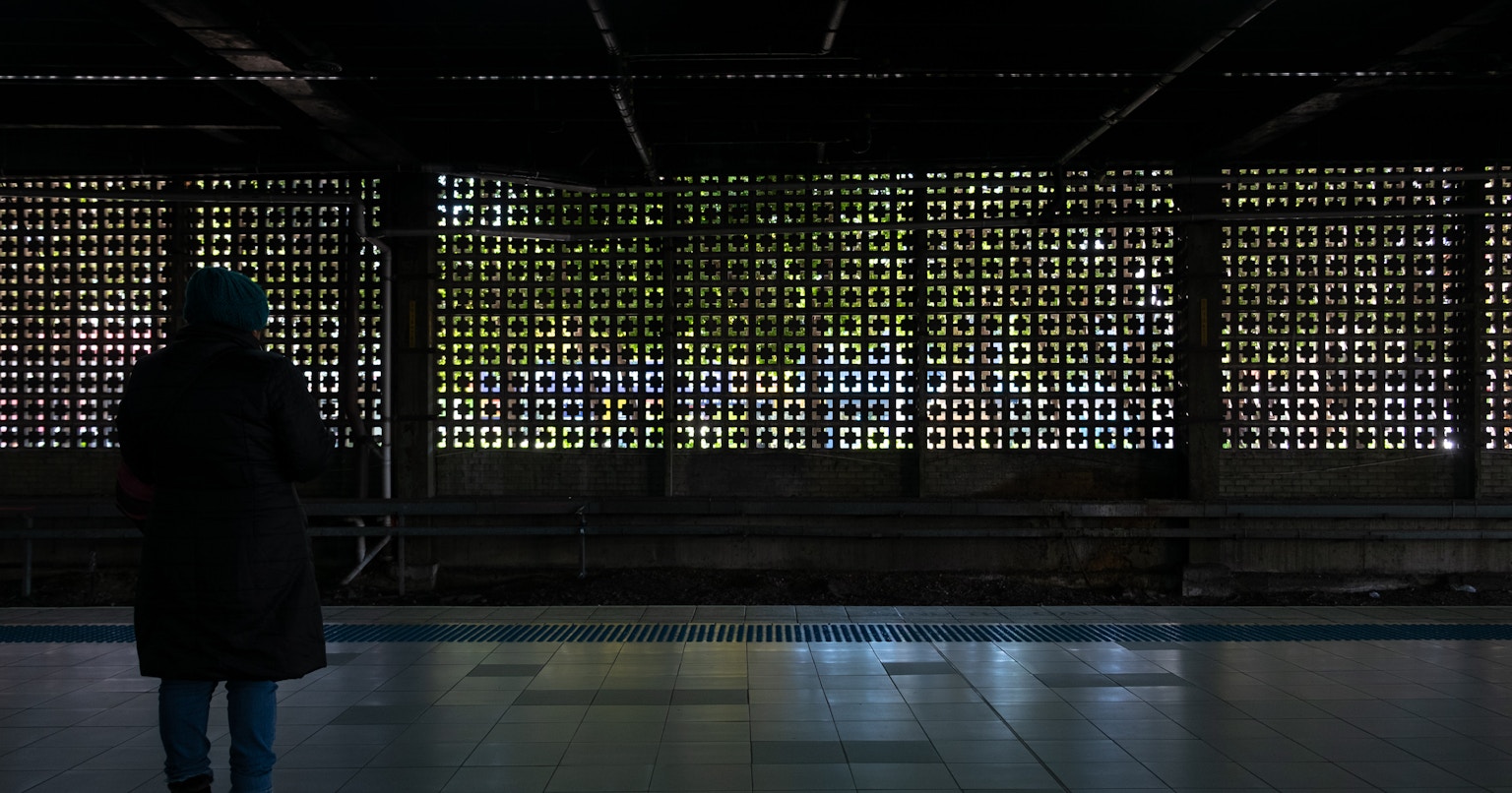
Photographs taken by humans carry meaning beyond mere documentation. They may contain unpredictability, a spectrum of emotions, and even elements considered 'mistakes.' All these serendipitous occurrences become part of the photographic narrative, offering viewers space for empathy and imagination.
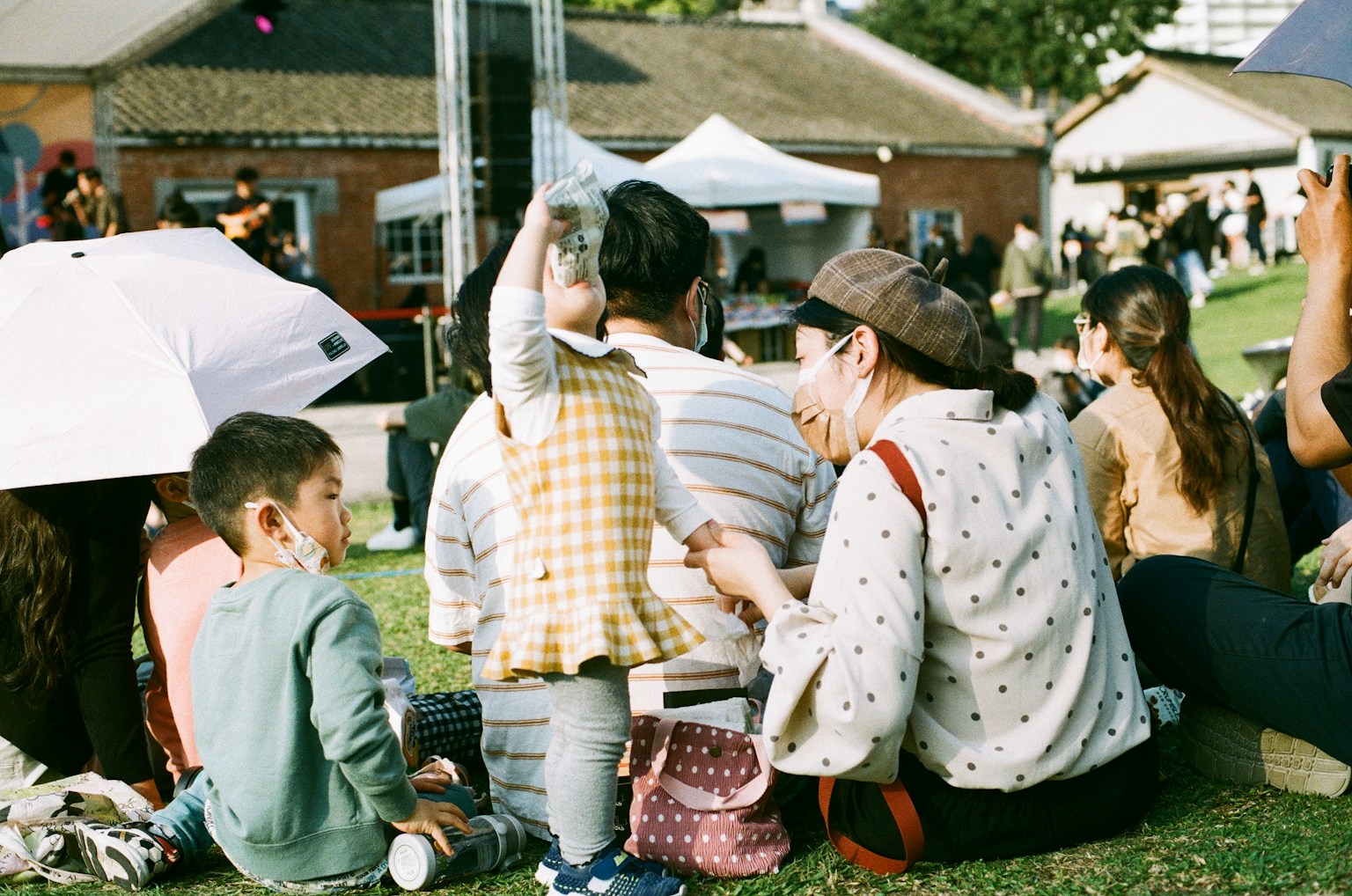
Image by ザワ
The Process of AI Image Generation
The sense of unease that undeniably exists between AI-generated images and photography often hinges on the presence or absence of negative space. By understanding the process through which AI generates images, we can deepen our insight.
- Text Conversion: AI translates inputted words into concepts it can interpret. For example, when given the phrase 'a bird flying in the sky,' AI breaks this down into image elements, converting it into basic instructions for depicting a coastal landscape or a dog, for instance.
- Image Generation from Noise: AI begins with completely random noise—a collection of featureless, random pixels—and gradually removes this noise to form a concrete image.
- Image Decoding: Image decoding is the process by which AI converts generated image data into a format comprehensible to the human eye. This includes converting to viewable formats such as JPEG or PNG, as well as adjusting resolution, color, and internal representations.
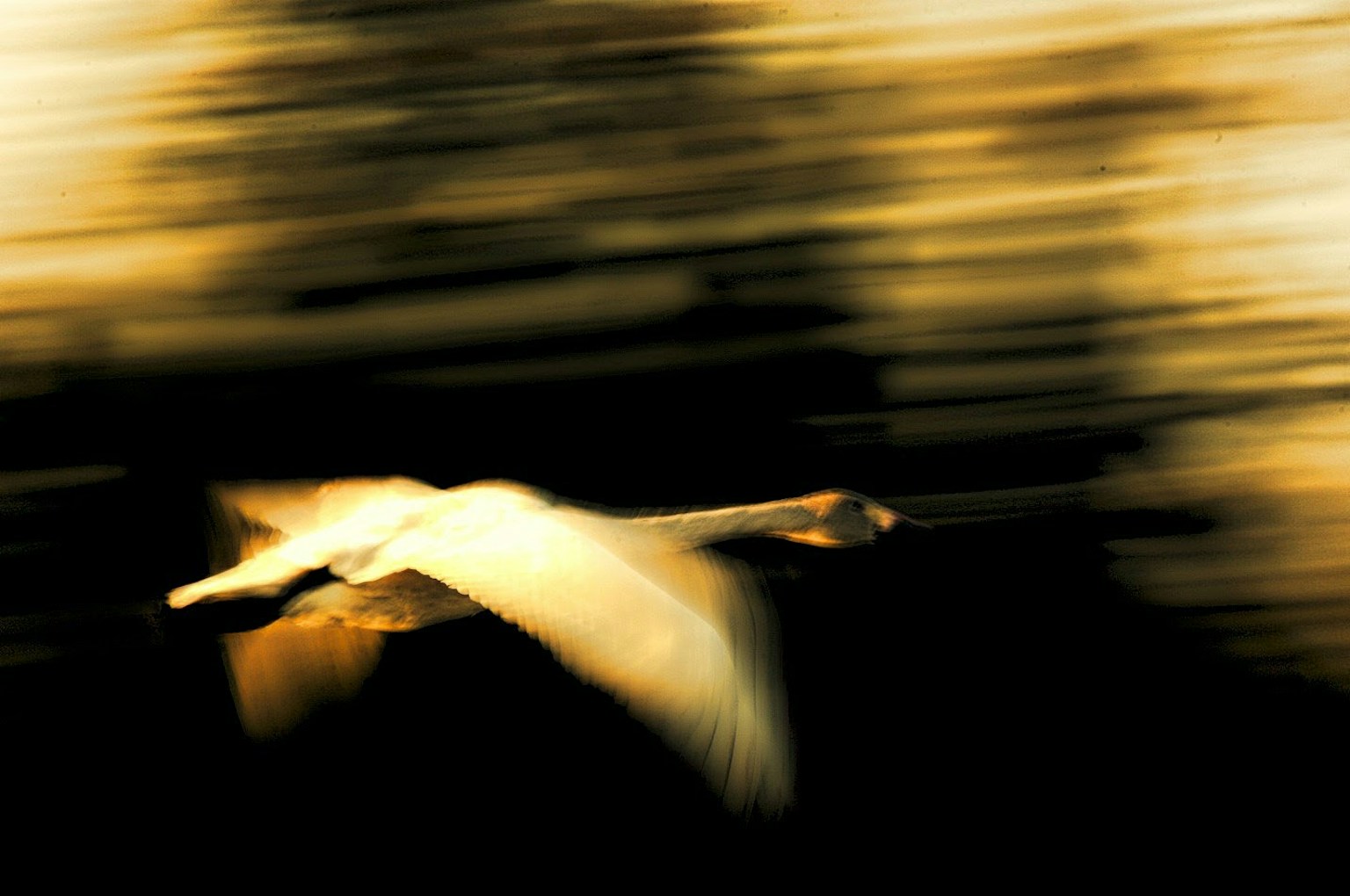
Image by mars
The Dissonance Born from Divergent Perspectives of AI and Humans
The process by which AI removes 'noise' during image generation is fundamentally governed by mathematical calculations and algorithms. While eliminating noise brings the image closer to reality, there are inherent limitations. The spontaneity, emotional richness, and imperfections naturally present in human photography are elements difficult to capture through computation. At this stage, differences in the perception of noise already emerge between AI and humans.
In the intricate processes involved in image generation, it remains challenging for AI to fully comprehend and replicate the complexity and subtle nuances of human experience with current technology. AI excels at literal interpretation and data-driven output, but it has yet to fully emulate the depth of human experience and emotion. Perhaps what AI now needs to enhance its accuracy is to embrace the seemingly meaningless 'negative space' found in the everyday moments of human life.