The Proposition: 'The Medium is the Message'
Marshall McLuhan’s assertion that 'the medium is the message' stands as a cornerstone of media theory. This claim highlights the fact that media, beyond being mere channels of information, profoundly shape our thoughts and behaviors. For example, McLuhan stated, 'The effect of radio is quite independent of the programming.' This expression suggests that while we tend to focus on content when we think of media, it is actually the form itself that exerts a greater influence on people than the content it carries.
How New Media Transform Consciousness
For instance, Instagram fulfills the desire for instant validation through photographs and videos, while LINE and Messenger foster a sense of constant closeness with friends. New media are deeply embedded in our daily lives, continually reshaping our awareness and perceptions.

At the same time, McLuhan raises the question of how new media transform our experiences of previous media. For example, with the advent of digital photography, how do we reinterpret and utilize the experience of traditional photography? Here, McLuhan introduces the 'rearview mirror theory,' offering a key to understanding the impact of contemporary digital media.
Contemporary Digital Photography and Media Experience
In this theory, McLuhan states, 'We look at the present through a rearview mirror. We march backwards into the future.' The essential message of a new media environment is often difficult to perceive for those immersed within it. Thus, McLuhan uses the metaphor of the rearview mirror to suggest that the essence of contemporary media can be defined through the lens of past technologies.
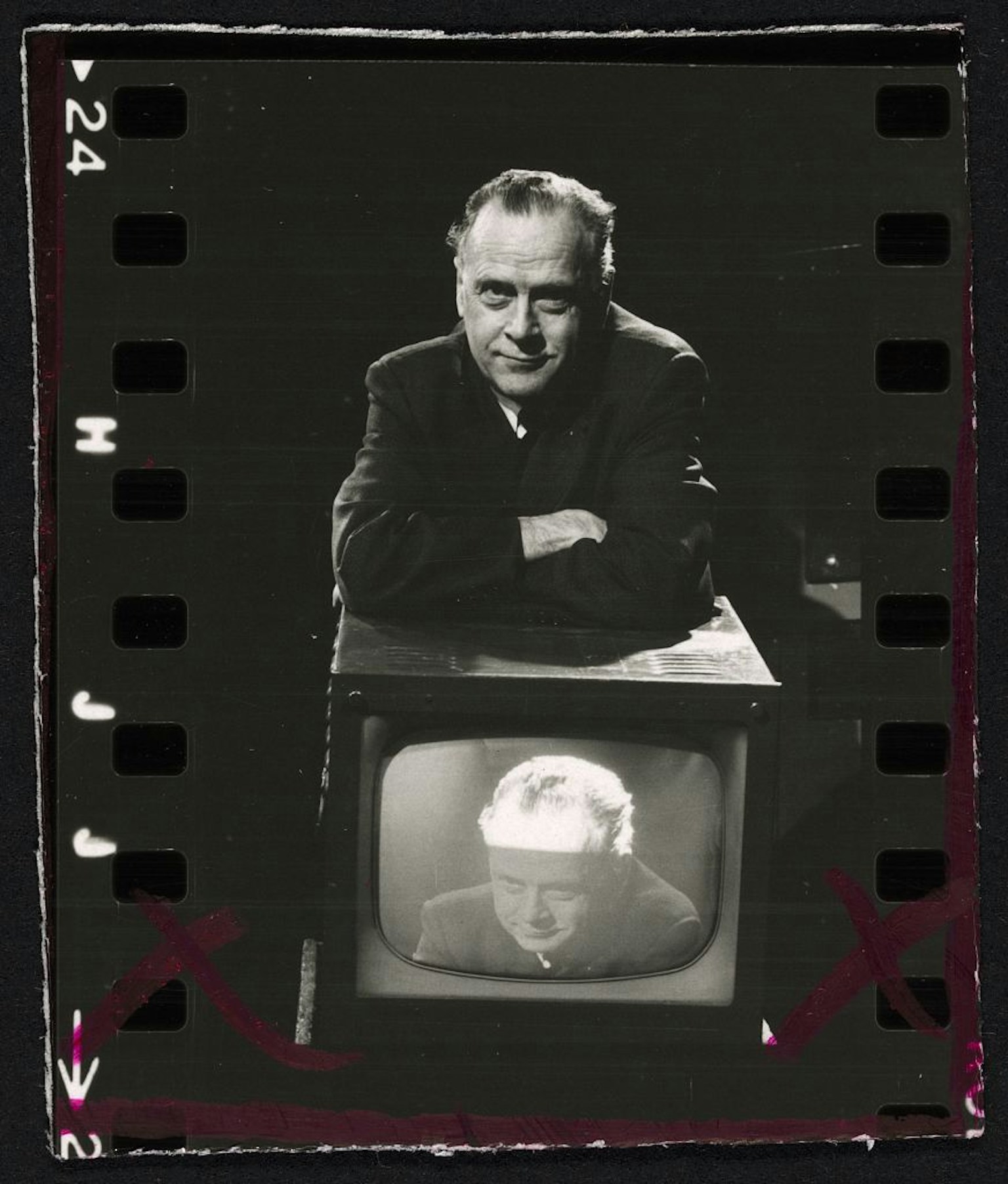
The proliferation of digital photography, for example, has introduced immediacy in both image-making and sharing, distinguishing it from traditional photography. Yet this is more than a technical advancement—it has transformed our perceptions, values, and purposes regarding photography. Photographs shared on social media, for instance, serve not only as records but also as tools for communication. This shift influences our modes of self-expression and our relationships with society. Today, photography has become an indispensable apparatus for seeing, remembering, and sharing our world.
Nostalgia Shaped by Technology
Conversely, the emergence of certain media can cause past experiences to fade. For example, with the rise of taxi-hailing apps, concerns about not being able to find a taxi have become a thing of the past, replaced by new anxieties such as running out of smartphone battery or sending messages to the wrong recipient. In the era of public telephones, we worried about having enough coins or finding a phone booth nearby; now, we worry about the availability and return timing of mobile battery rental stations. In a future where smartphones might be self-charging and usable indefinitely, even mobile battery rental stations may become objects of nostalgia.
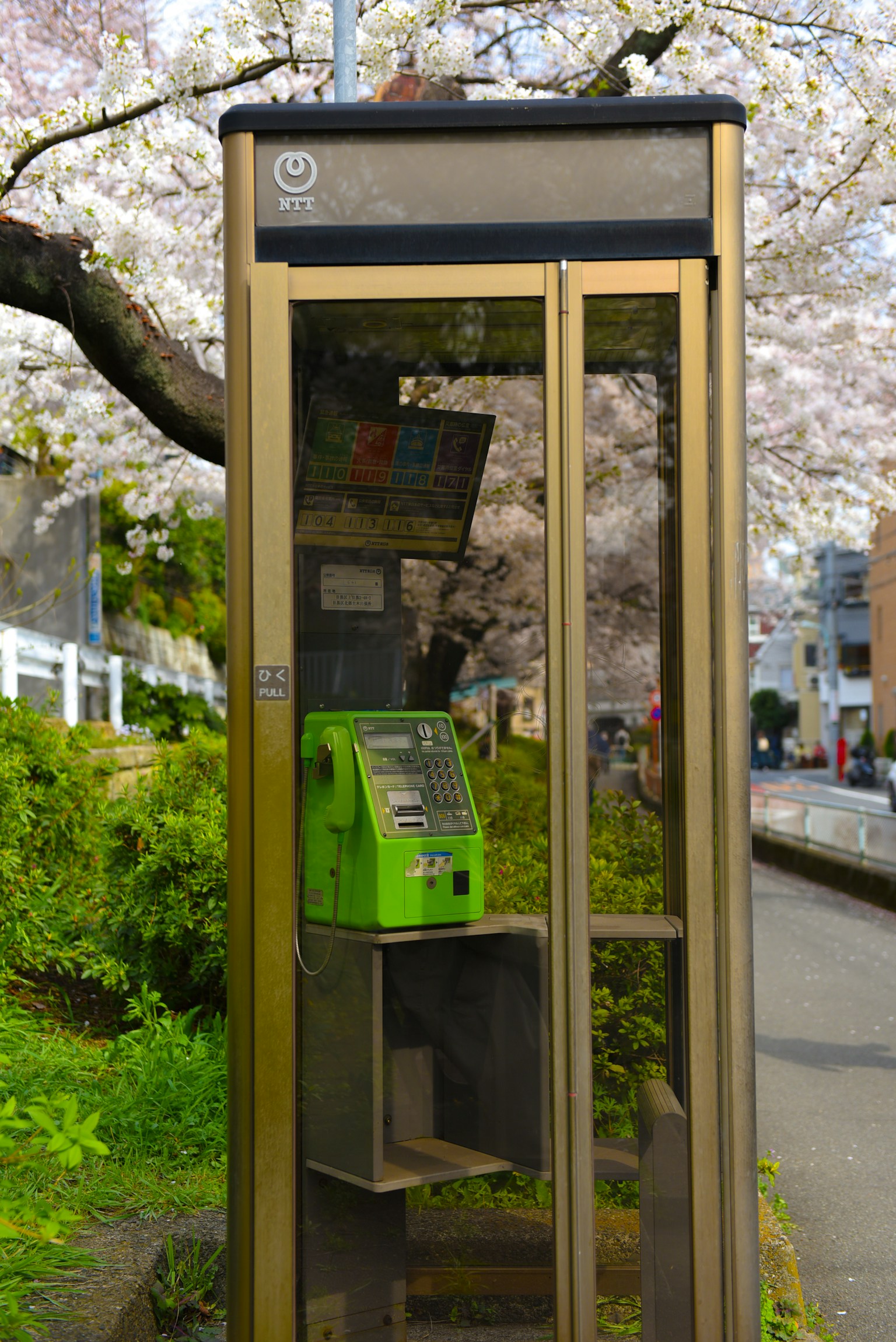
Image by Shimakou
In other words, while new technologies resolve old concerns, they simultaneously generate new ones.
In fact, McLuhan had already foreseen the kind of future we are witnessing today back in the 20th century. Watching his interview videos, one can better understand his emphasis—using the rearview mirror as a metaphor—on the importance of reflecting on the past. As society becomes more convenient, perhaps anxieties themselves will never truly disappear.