Engaging with Entrusted Photographs
Since the invention of photography in the 19th century, countless moments from around the world have been captured. Collecting photographs is akin to gathering fragments of the world itself. We live in an era of media, images, moving pictures, and symbols—many phrases describe our times, but all point to the same reality: a world saturated with visual imagery. As the presence of photography grows, our attitude and mindset toward taking and viewing photographs have become more important than ever.
The 'Knowledge' series delves into the deeper understanding of photography and the ideas behind it. This edition explores the immediacy and aggressiveness of photography, inviting us to reflect on photographic ethics.
The Magic Brush That Captures the Moment
Let us look back about twenty years, before the advent of digital cameras. Cameras were once treasured, expensive items kept at home to preserve memories of special occasions. Today, with a smartphone in hand, we can not only shoot but also edit, share, and enjoy photography on an advanced level.
Unconsciously, we may have begun to perceive the world from new perspectives. One motivation for taking photographs is to satisfy curiosity. For example, when we come across an unusual sign, the instinct to photograph it and claim a sense of ownership may be a fundamental aspect of why we take pictures.

Image by 永田 仁二/ShinjiNagata
The photographer who was perhaps most faithful to this instinct was Henri Cartier-Bresson, author of 'The Decisive Moment.' Using a compact 35mm Leica camera, he pioneered a new approach to 'capturing the moment.' His photographs are valued not merely as snapshots, but as works rendered through the camera.
Photo Shooting – The Aggressiveness Inherent in Photography
We should deeply consider the meaning of our curiosity. While 'curiosity about the unknown' feels natural, we rarely hear of 'curiosity about the known.' Curiosity is an emotion directed toward the unclear and unexperienced, shrouded in mystery. When this curiosity is directed at people and manifests as photography, caution is required.
The American critic Susan Sontag stated that 'to photograph is to appropriate the thing photographed.' It signifies establishing a special relationship between oneself and the external world. Through photography, people may feel as if they have acquired certain knowledge or power. Therefore, we must be mindful of the 'aggressive' aspect inherent in photography.
Susan Sontag examines the phrase 'shoot a picture,' deepening her exploration of photography’s aggressiveness. The act of releasing the shutter is sometimes likened to pulling a trigger. While the camera’s aggressiveness is not physical violence, it nonetheless constitutes an intrusion upon the subject. The instinctive resistance some feel to being photographed reflects the aggressive nature embedded in photography.
Photographs That Emanate Gentleness
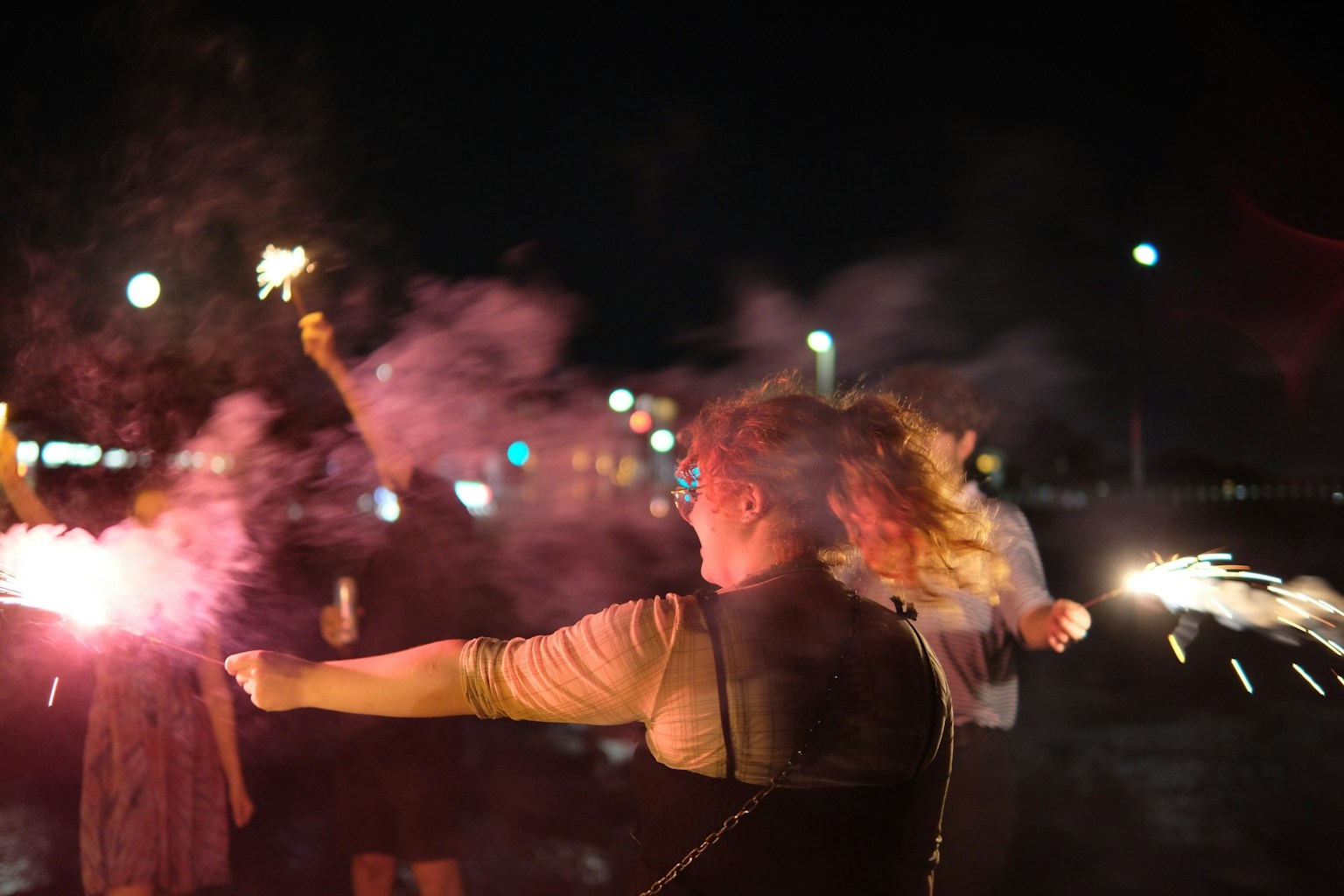
Image by Kyoka
When photographing, try engaging in conversation and building communication. This demonstrates respect and empathy toward the subject. Such an approach fosters deeper understanding, which is reflected in the worldview of the work itself. Photographs that convey the richness of the relationship between photographer and subject, and exude a gentle atmosphere, have a calming effect on the viewer.