Approaching the Source of Inspiration Through Words
How do you introduce yourself?
At an event I once attended, a creator introduced themselves by saying, "I do photography." The aura of the moment made me realize something: the difference between "taking photographs" and "doing photography" is subtle, yet it reveals a distinct perspective on one’s relationship with the medium, much like the placement of a comma can alter the meaning of a sentence.
I used to think of photography as something you "take," but it can also be something you "do."
Just as in this anecdote, by looking at what we take for granted in daily life from a slightly oblique angle, we can discover gaps—spaces for inspiration. Perhaps what we call inspiration is precisely this: the ability to see what is usually overlooked.
Inspiration is supported by the accumulation of countless sensory experiences. At the same time, we can also build a castle of words, constructing "knowledge" as a framework for thought. Delving into photographic theory is a process distinct from making photographs; it is an excavation of the medium’s deeper allure.
Surely, the creator’s sense of "doing photography" resonates with this idea.
The 'Knowledge' series explores and shares insights into photography. Following Knowledge #1, this installment investigates how photographers have interpreted the concept of aura and applied it to their creative practices.
Photographs That Turn Street Corners Into Ruins: Contexts Added in Retrospect
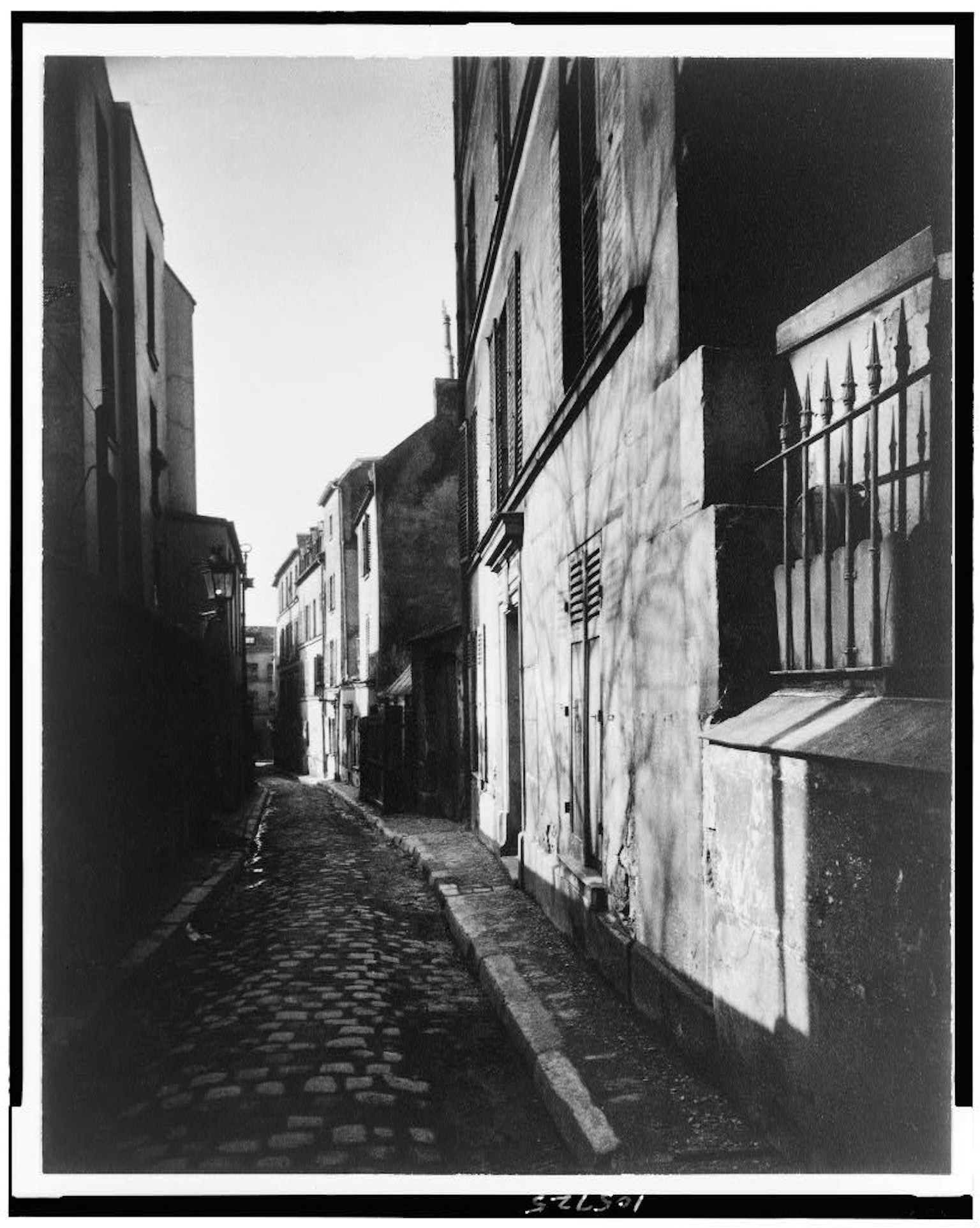
©︎ Atget Faucheurs, somme A deserted street corner in Paris
The value of a singular moment—"here and now."
Yet, the aura can also be perceived from perspectives other than the so-called decisive moment, such as lovers kissing in front of Paris City Hall or the instant a fish leaps up a waterfall.
Atget was a photographer who documented the streets of early 20th-century Paris. Originally aspiring to be a painter, he turned to photography to make a living and quickly gained recognition for his talent. For Atget, photography was not a means of personal expression but a profession. His relentless documentation of Paris, seemingly unconscious, expressionless, and emotionless, may appear stifling at first glance. However, after his death, these photographs gained not only documentary value but also a secure place as art, bringing photography—once considered a mere reproductive technology—into the realm of fine art.
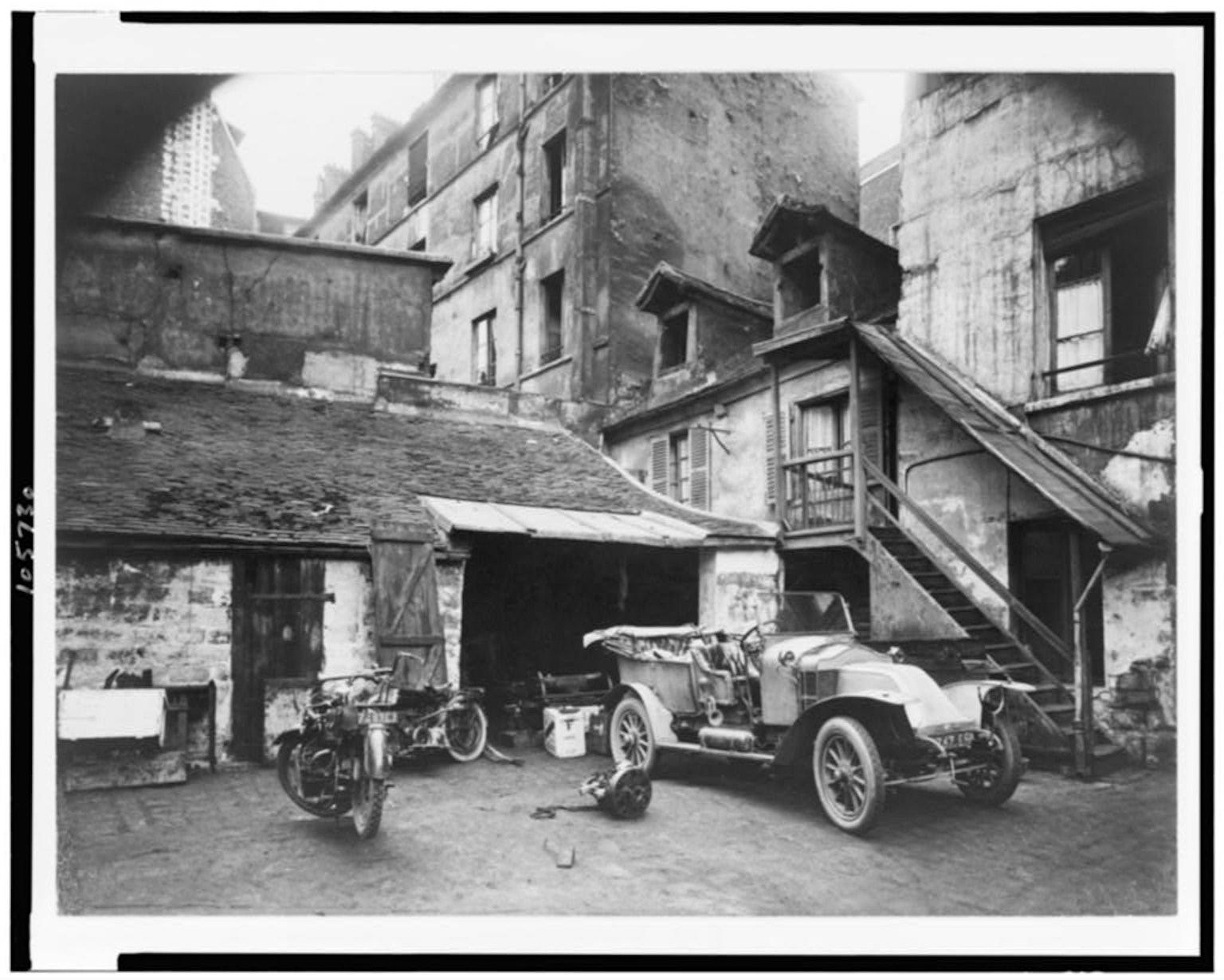
©︎ Atget Faucheurs, somme
The singular aura radiating from Atget’s photographs lies in their ability to eternally preserve the vanishing traces of old Paris within the modern city. They depict a surreal portrait of Paris, a global metropolis, devoid of crowds.
Perhaps Atget himself felt constrained by these images, but for us, they vividly reveal the ruins of a Paris that no longer exists. Even ruins like the Colosseum, which still stand today and attract millions of tourists, are very much of the present. Yet, the landscapes of old Paris, as captured by Atget, persist as historical records, preserving the facts with clarity over time. As the years pass, the aura embedded in Atget’s photographs will only continue to grow in significance.
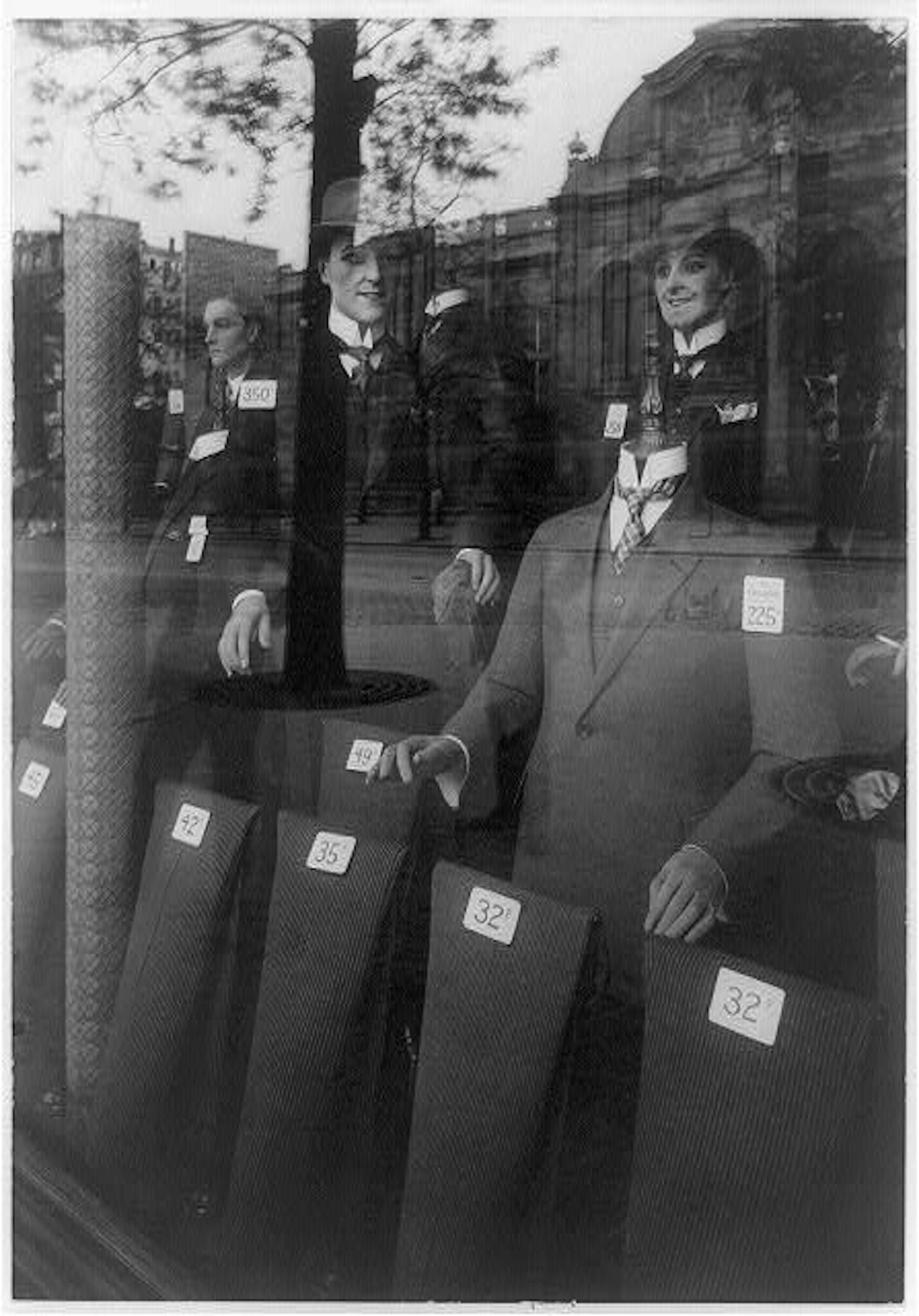
©︎ Atget Faucheurs, somme